In the vast landscape of electronics, the humble 100k resistor plays a critical role. Like a traffic controller for electrical current, this component is crucial in countless circuits. From delicate audio amplifiers to robust power supplies, the 100k resistor is often the unsung hero, managing energy and protecting circuits. Join us as we dive into its intricacies, unraveling its purpose, identification, and applications. Let's unlock the potential of this essential component and discover its true value in the world of electronics, just like how a simple 100k resistor in a circuit can be the key to everything.
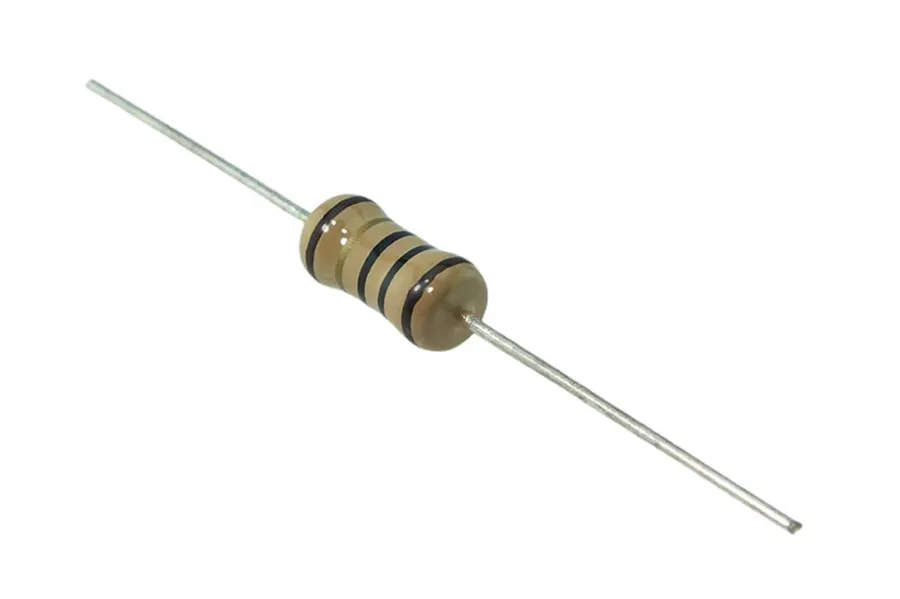
A 100k resistor is a fundamental electronic component that opposes the flow of electric current within a circuit, characterized by a resistance value of 100,000 ohms (100 kilo-ohms). This specific resistance plays a crucial role in various electronic applications, primarily in controlling current and dividing voltage, which are essential for proper circuit operation. The 'k' denotes kilo, a multiplier equal to 1000.
At the heart of a resistor's functionality is Ohm's Law, which states that the voltage (V) across a resistor is directly proportional to the current (I) flowing through it, with the resistance (R) being the constant of proportionality (V=IR). Therefore, a 100k resistor impedes the flow of current, with a higher resistance meaning that for the same voltage, less current will flow. This is used in limiting current flow and for creating voltage dividers.
The significance of resistance arises from its ability to control electrical signals. Without resistors, circuits would experience uncontrolled current flow, potentially leading to component damage or malfunctions. The 100k resistor, being of moderate to high value is used in a lot of applications where controlling signal levels, providing stable voltage references, and limiting current is required.
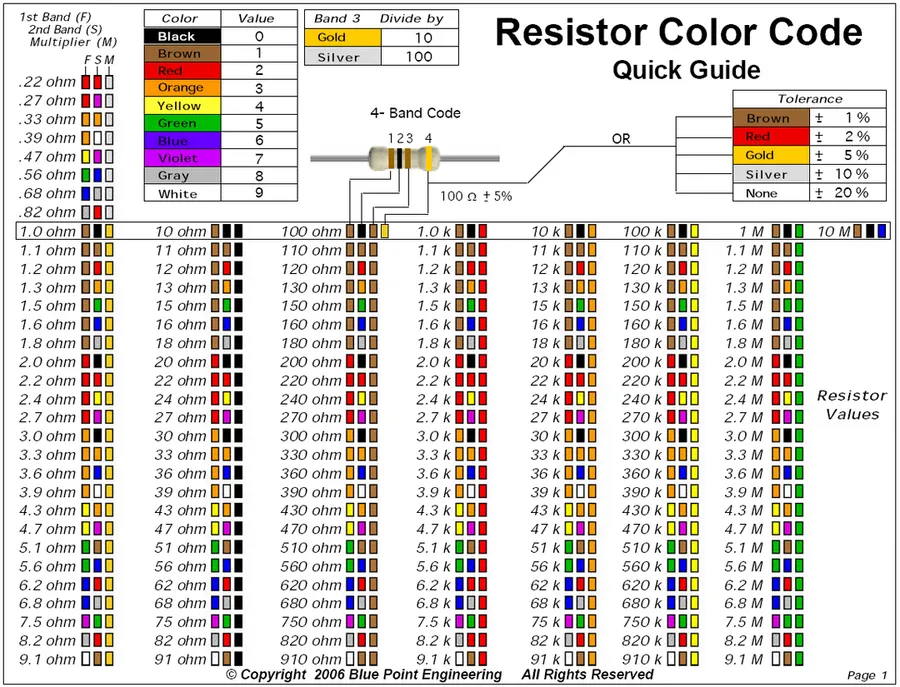
Identifying a 100k resistor involves understanding its color-coded bands, a system that denotes resistance value and tolerance. These bands are crucial for correctly selecting the resistor for any given application. The color code system varies based on the number of bands: 4-band, 5-band, and 6-band, each providing different levels of precision and information.
| Band | 4-Band System | 5-Band System | 6-Band System | Color for 100kΩ |
|---|---|---|---|---|
| 1st Band | 1st Digit | 1st Digit | 1st Digit | Brown (1) |
| 2nd Band | 2nd Digit | 2nd Digit | 2nd Digit | Black (0) |
| 3rd Band | Multiplier | 3rd Digit | Multiplier | Yellow (10000) |
| 4th Band | Tolerance | Multiplier | Temperature Coefficient | Red or Gold (5%, or 2% if 5 Band) |
| 5th Band | - | Tolerance | - | None or Brown or Red (None, 1% or 2%) |
| 6th Band | - | - | Temperature Coefficient | - |
For a 100kΩ resistor, the color bands are typically interpreted as follows: * **4-Band Resistors**: Brown (1st digit), Black (2nd digit), Yellow (multiplier of 10,000 or 10^4), and a fourth band for tolerance (e.g., gold for ±5%, or red for 2%). * **5-Band Resistors**: Brown (1st digit), Black (2nd digit), Black(3rd digit), Yellow (multiplier of 10,000 or 10^4), and a fifth band for tolerance, typically brown (±1%) or red (±2%). * **6-Band Resistors**: These are identical to 5-band resistors but include an additional band for the Temperature Coefficient (TCR), commonly brown or red.
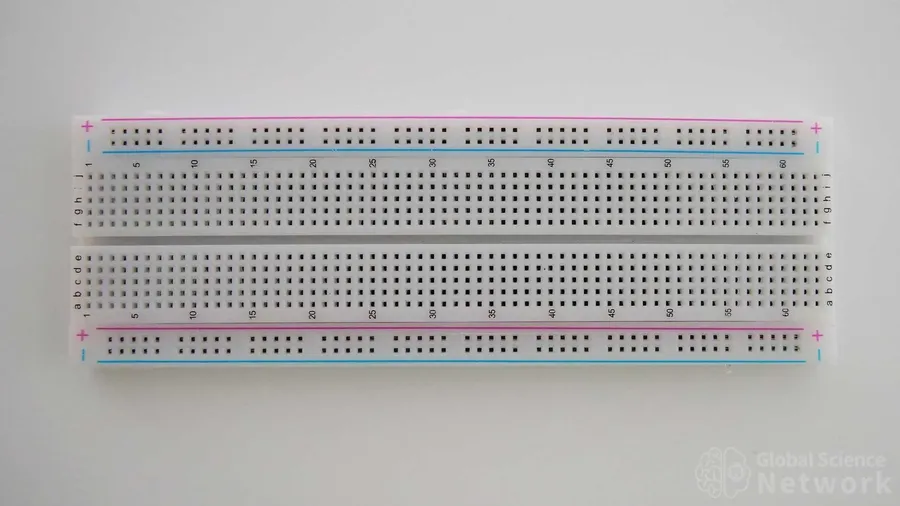
The 100k resistor is a ubiquitous component in electronics, finding widespread use due to its moderate resistance value which is suitable for a variety of tasks. Its applications span across different domains, including audio processing, digital logic, and analog signal conditioning. This section will delve into some typical uses, showcasing the versatility of the 100k resistor in practical circuits.
These applications highlight the 100k resistor's versatility. Its value is a compromise between low current consumption and reasonable signal integrity, making it a staple in many electronic designs. The selection of the exact resistance value depends on the specific requirements of the circuit. Understanding these common uses is crucial for engineers and hobbyists working with electronic components.
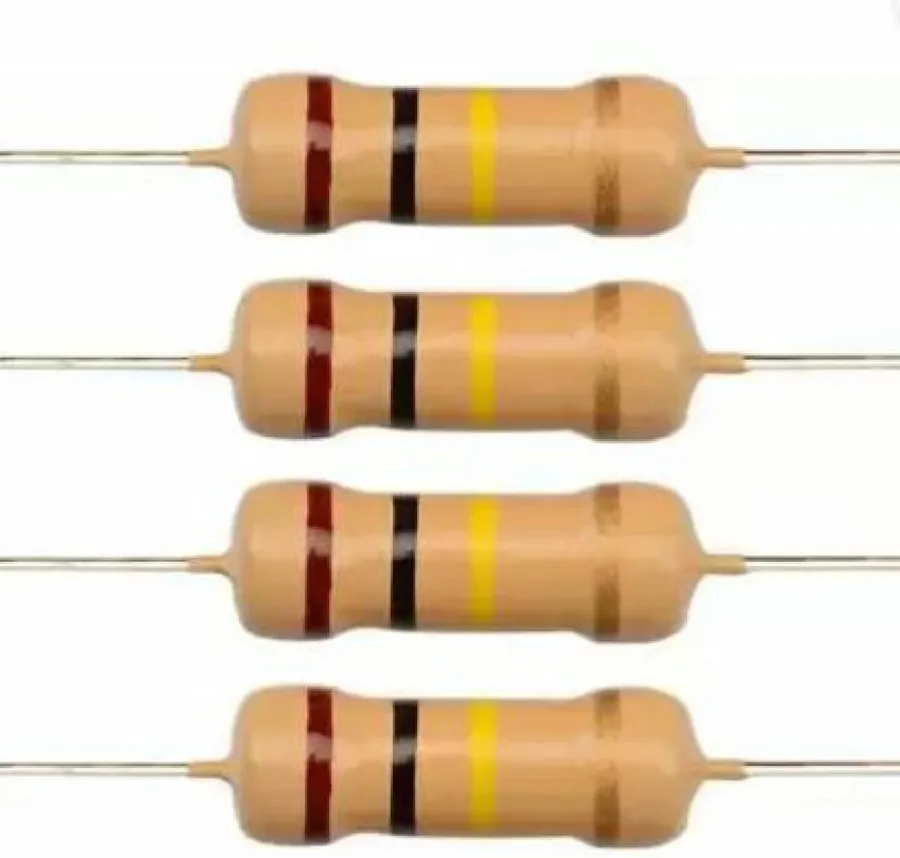
Selecting the correct 100k resistor for a circuit requires careful consideration of its specifications, which include wattage (power rating), tolerance, and material type. These parameters directly impact the resistor's performance, reliability, and suitability for specific applications. Understanding these specifications is crucial to avoid component failure and ensure the proper operation of your electronic circuits.
| Specification | Description | Impact on Circuit | Common Values | Example 100k Resistor |
|---|---|---|---|---|
| Wattage (Power Rating) | The amount of power a resistor can dissipate without overheating. It is directly related to the physical size of the resistor and its ability to release heat. | Insufficient wattage can lead to resistor failure, overheating, and damage to the circuit. | 1/8W, 1/4W, 1/2W, 1W, 2W | 1/4W 100k Resistor: Suitable for general low-power applications |
| Tolerance | The permissible deviation from the stated resistance value, usually expressed as a percentage (±%). | Higher tolerance can result in larger variations in the circuit's behavior and performance. | ±1%, ±2%, ±5%, ±10% | 1% 100k Resistor: Offers greater precision than 5% tolerance |
| Material Type | The material from which the resistor is made. Common types include carbon film, metal film, and wirewound. | The type of material impacts temperature stability, noise, and precision. | Carbon Film, Metal Film, Wirewound | Metal Film 100k Resistor: Known for lower noise and better temperature stability |

Selecting the appropriate 100k resistor for your project hinges on a careful evaluation of your circuit's needs, encompassing factors like physical mounting, power dissipation, and precision requirements. The choice between through-hole and surface mount devices (SMD), alongside considerations for wattage, tolerance, and resistor type, ensures optimal performance and reliability within the electronic design.
| Factor | Considerations | Implications |
|---|---|---|
| Mounting Type | Through-hole vs. SMD | Through-hole is easier for prototyping and breadboarding; SMD is for compact, automated assembly. |
| Power Rating (Wattage) | 1/8W, 1/4W, 1/2W, 1W, etc. | Choose a rating that exceeds the expected power dissipation to avoid overheating and failure. Calculate power using P = I²R or P = V²/R. |
| Tolerance | 5%, 1%, 0.1%, etc. | Lower tolerance means higher precision; select based on the sensitivity of your circuit to resistance variations. 1% is typical for most precision circuits. |
| Temperature Coefficient | PPM/°C rating | Affects stability at temperature fluctuations and is crucial for temperature-sensitive circuits; metal film resistors offer better temperature stability. |
| Resistor Type | Carbon Film, Metal Film, Metal Oxide | Metal film resistors are generally preferred for lower noise, tighter tolerance, and better temperature stability compared to carbon film, for demanding applications; metal oxide for higher power. |
| Package Size | SMD sizes (0603, 0805, 1206 etc.), Through-hole lead spacing | SMD size dictates PCB layout compatibility; through-hole package dictates breadboard or PCB needs. Ensure proper pad and lead spacing for mounting. |
| Environmental Conditions | Operating Temperature, Humidity | Choose a resistor rated to perform within your operating temperature ranges. |
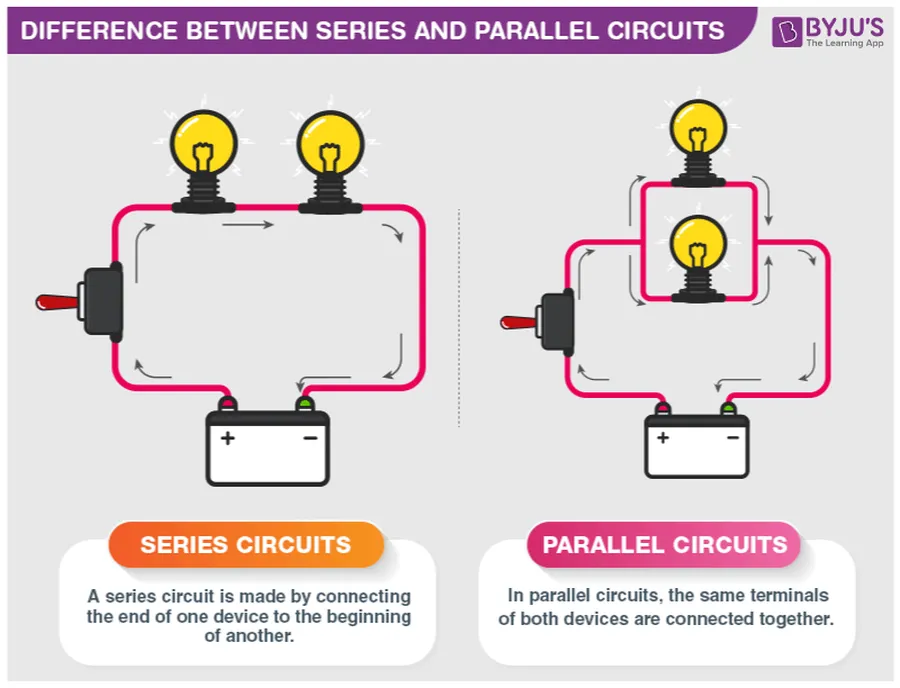
Understanding how 100k resistors behave in series and parallel circuits is crucial for circuit design. The configuration significantly impacts the overall resistance of the circuit, which in turn affects current flow and voltage distribution. This section will explore the behavior of 100k resistors in these configurations, along with the necessary calculations.
Let's delve into the specifics of each configuration:
| Circuit Configuration | Equivalent Resistance Formula (for N identical 100kΩ resistors) | Effect on Total Resistance |
|---|---|---|
| Series | R_total = N * 100kΩ | Total resistance increases, directly proportional to the number of resistors. |
| Parallel | R_total = 100kΩ / N | Total resistance decreases, inversely proportional to the number of resistors. |
For example, if you have three 100k resistors: In series, the total resistance would be 3 * 100kΩ = 300kΩ. In parallel, the total resistance would be 100kΩ / 3 ≈ 33.3kΩ. This highlights how drastically circuit resistance can change based on configuration.
Understanding these calculations is essential for precise circuit design and modification. The choice between series and parallel configurations, and the number of resistors used, allows for very deliberate control over circuit behavior.
This section addresses common inquiries about 100k resistors, providing clear and concise answers to help you understand their characteristics and applications. This information is crucial for anyone working with electronic circuits and components.
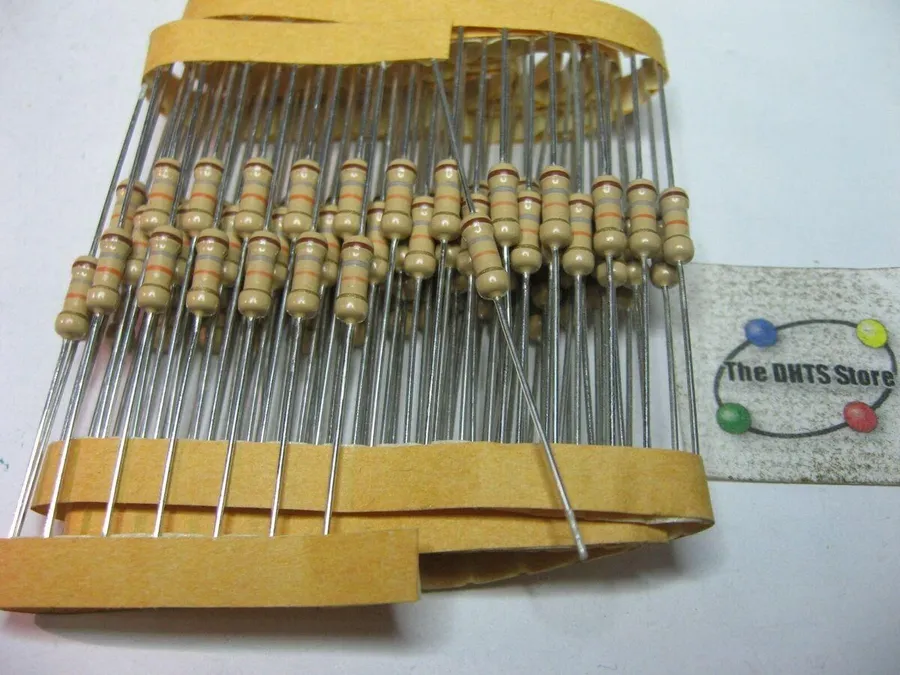
Sourcing 100k resistors requires consideration of project needs, quantity, and desired specifications. Reputable distributors and retailers offer a variety of options, ensuring components meet the necessary quality standards.
Key considerations when purchasing 100k resistors include:
Troubleshooting issues with 100k resistors often involves identifying common failure points, such as physical damage, incorrect readings, or mismatches with circuit requirements. A systematic approach can help pinpoint the source of the problem and restore proper circuit function. Failures can manifest in unexpected circuit behavior, necessitating a careful examination of the resistor and its role within the circuit.
A failed 100k resistor can lead to various circuit problems depending on its function. If it is used in a pull-up configuration, the signal may be permanently pulled low, whereas in a pull-down configuration, the signal may be permanently pulled high. In other cases, incorrect bias points may cause component malfunction, or it might result in an unexpected voltage level.
The 100k resistor, though small, plays an outsized role in the world of electronics. Whether it's fine-tuning audio signals or protecting sensitive components, its applications are as diverse as they are crucial. By understanding its color codes, specifications, and applications, you're now equipped to select the correct 100k resistor for your next project. Remember, a simple 100k resistor can have a major effect on the performance and safety of electronic circuits, a key component in the engineering world. Armed with this knowledge, you're better positioned to confidently navigate the intricate landscape of electronic design and fabrication. Keep experimenting, and let this foundational component be a stepping stone to your future creations.

