Electronic filters are ubiquitous in our technology-driven world, playing a crucial role in both signal processing and air purification. From the smooth music coming from your headphones to the clean air you breathe indoors, electronic filters are hard at work. This article will delve into the various types of electronic filters, how they function, and their diverse applications, shedding light on this often-unseen technology.
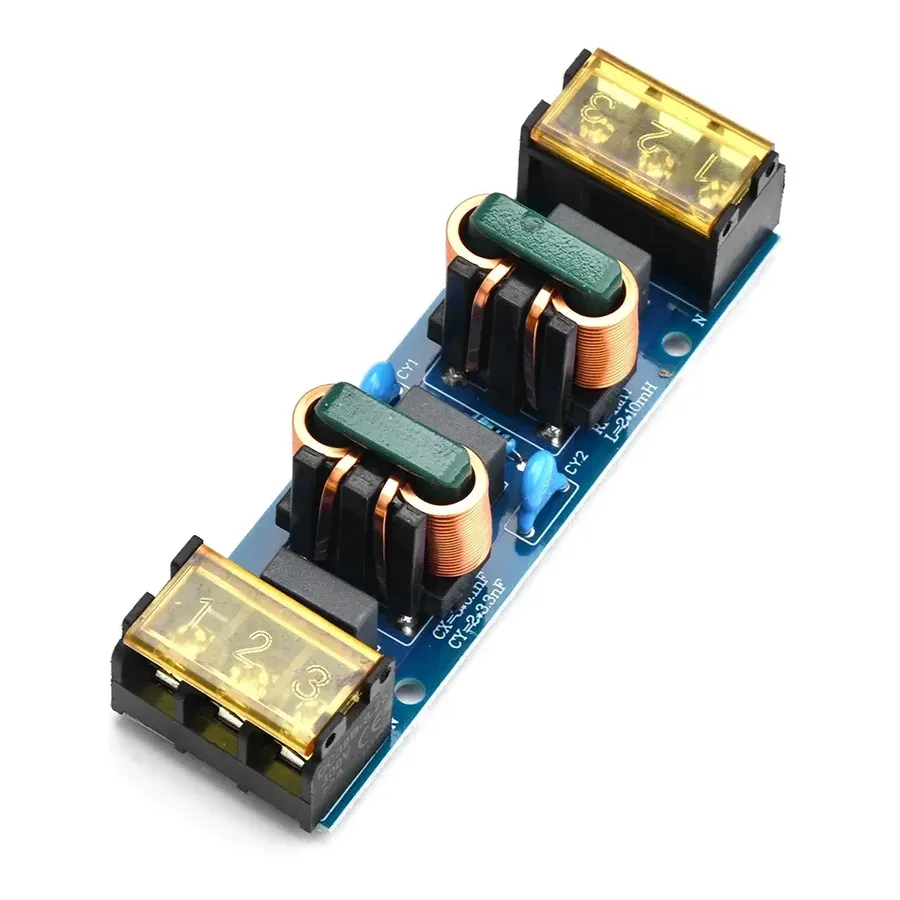
An electronic filter is a fundamental component in electrical engineering, acting as a frequency-selective circuit that modifies the amplitude and phase of electrical signals. Its core function is to pass desired frequencies while attenuating or blocking others. This process is crucial for isolating specific signals from noise, shaping signal characteristics, and performing a multitude of signal processing tasks.
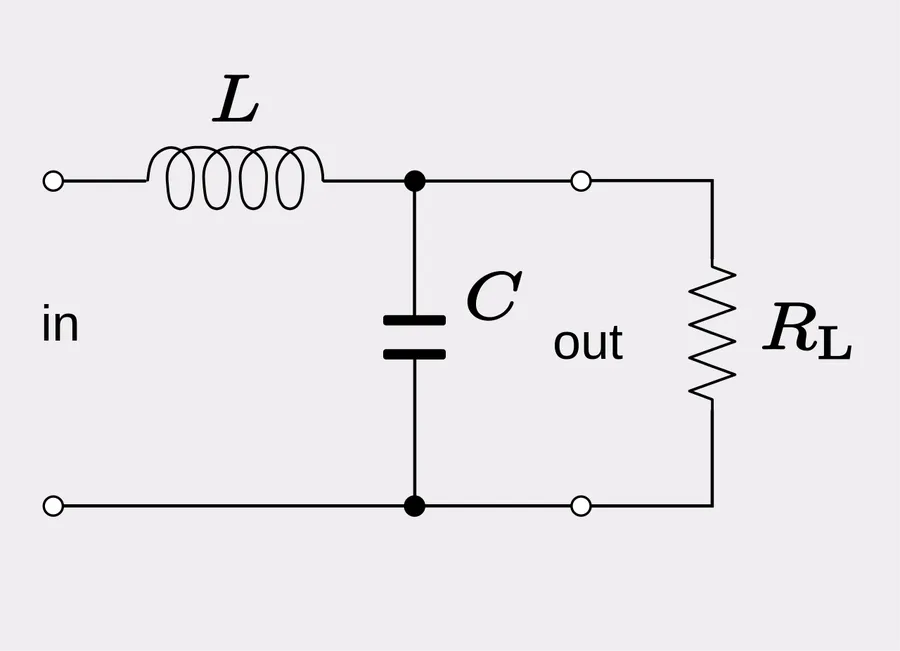
Electronic filters are fundamental building blocks in signal processing, selectively allowing certain frequencies to pass while attenuating others. This capability is crucial in a vast array of applications, from audio processing to telecommunications. The primary categories are low-pass, high-pass, band-pass, and band-stop filters, each designed to manipulate signals in specific frequency domains.
| Filter Type | Frequency Response | Ideal Application | Example Circuit |
|---|---|---|---|
| Low-Pass Filter | Passes low frequencies and attenuates high frequencies | Audio signal filtering, noise reduction, DC voltage smoothing | RC circuit (resistor and capacitor) |
| High-Pass Filter | Passes high frequencies and attenuates low frequencies | Audio signal processing, AC coupling, blocking DC components | CR circuit (capacitor and resistor) |
| Band-Pass Filter | Passes frequencies within a certain band and attenuates frequencies outside this band | Radio receivers, specific frequency selection | Series RLC circuit |
| Band-Stop Filter | Attenuates frequencies within a certain band and passes frequencies outside this band | Noise cancellation, specific frequency removal | Parallel RLC circuit |
Each filter type operates based on different component arrangements and properties. For example, a low-pass filter can be implemented using a simple RC (resistor-capacitor) circuit, whereas band-pass filters often require more complex combinations of resistors, capacitors, and inductors (RLC circuits). Understanding the characteristics of each filter type is crucial for effective signal manipulation and system design.
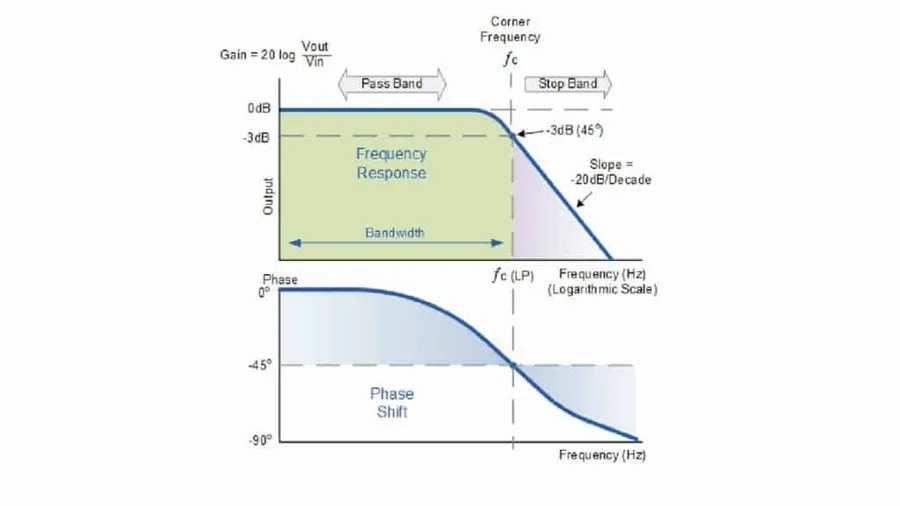
Electronic filters are fundamental components in signal processing, categorized broadly into passive and active types. The key distinction lies in their dependency on external power and the types of components they utilize, which directly impacts their performance and application suitability. This section provides a detailed comparison of these two categories.
| Feature | Passive Filters | Active Filters |
|---|---|---|
| Components | Resistors, capacitors, and inductors | Op-amps, transistors, along with resistors and capacitors |
| Power Requirement | No external power source needed | Requires an external power source |
| Gain | Cannot provide gain (signal amplification) | Can provide gain and signal amplification |
| Size and Cost | Typically smaller and less expensive | Typically larger and more expensive due to the active components. |
| Frequency Range | Performance can degrade at very low frequencies | Effective across broader frequency spectrum, including very low frequencies |
| Design Flexibility | Less flexibility in design and filter characteristics | More flexibility in design allowing implementation of complex filter shapes and tuning parameters |
| Distortion | Lower distortion and noise | Higher distortion and noise, especially if not designed well |
| Applications | Basic frequency selection, simple audio crossovers, basic noise reduction | Applications requiring gain, fine-tuning, high-precision filtering, and specialized needs |
Passive filters, constructed using resistors, capacitors, and inductors, operate without an external power source, while active filters, incorporating active components like op-amps or transistors, necessitate a power supply. This difference is significant, affecting filter complexity, performance, and suitability for various applications.
The choice between passive and active filters hinges upon specific application needs. Passive filters are ideal for applications where simplicity, cost-effectiveness, and minimal distortion are paramount, and where gain is not required. Active filters are suited for more demanding scenarios, offering greater design flexibility, the ability to provide gain, and better performance at low frequencies, despite being more complex and requiring a power source. Understanding these trade-offs ensures that the selected filter meets the application’s requirements.
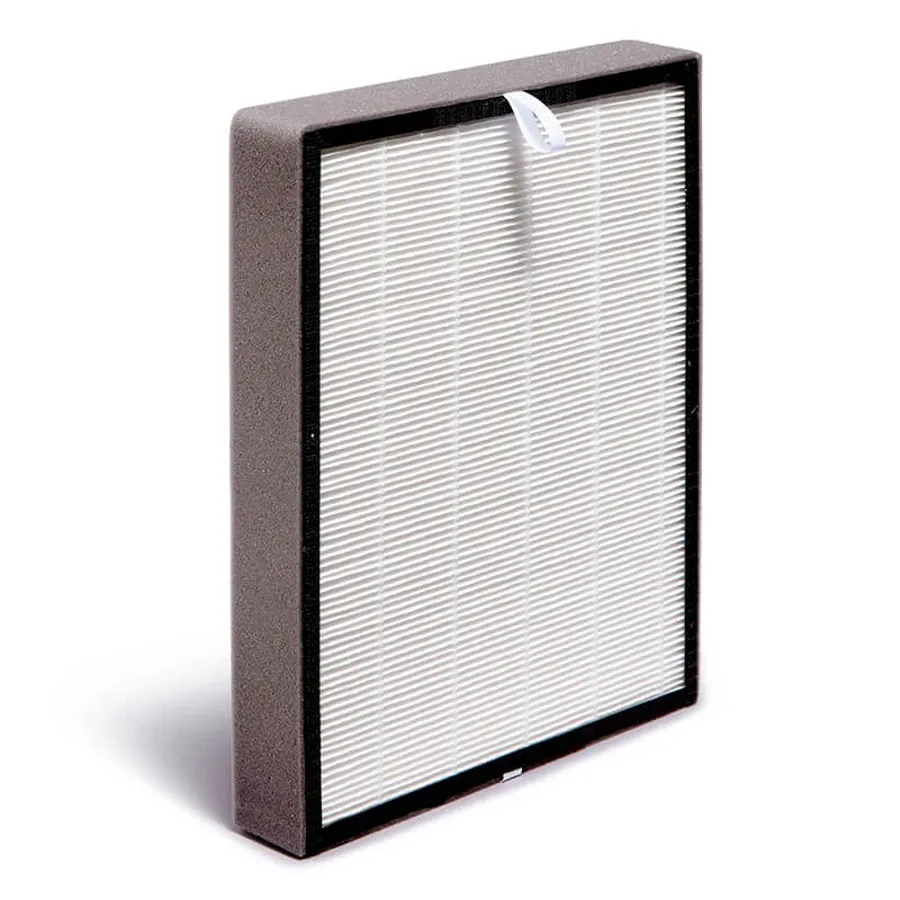
Electronic air filters, employed within HVAC systems, utilize principles of electrostatic attraction to remove airborne particulates. Unlike traditional mechanical filters, these devices actively attract and capture pollutants, providing an efficient method for enhancing indoor air quality by focusing on particle removal through electrical forces.
Electrostatic precipitators are a primary example of electronic air filtration technology. They work by imparting an electrical charge to airborne particles, which are then attracted to oppositely charged collector plates. This mechanism allows for the capture of a wide range of particulate matter, from dust and pollen to finer pollutants. The key distinctions between HEPA filters and electronic air filters lie in their fundamental operating principles: HEPA filters use a dense, fibrous medium to trap particles by physical interception and impaction, whereas electronic filters rely on the electrostatic attraction of charged particles, which generally leads to better capture of smaller particles.
| Feature | HEPA Filter | Electronic Air Filter |
|---|---|---|
| Filtration Mechanism | Mechanical interception and impaction | Electrostatic attraction |
| Particle Size Efficiency | Effective for larger particles; efficiency decreases with smaller particles | Effective for a broad range of particles, including finer particles |
| Airflow Resistance | High resistance; may require stronger fans | Lower resistance; reduces fan energy consumption |
| Maintenance | Requires periodic replacement of filter media | Requires cleaning of collector plates |
| Power Consumption | Passive system; no electrical power needed | Active system; requires electrical power to operate |
| Cost | Lower initial cost but has replacement expenses | Higher initial cost but lower replacement expenses |
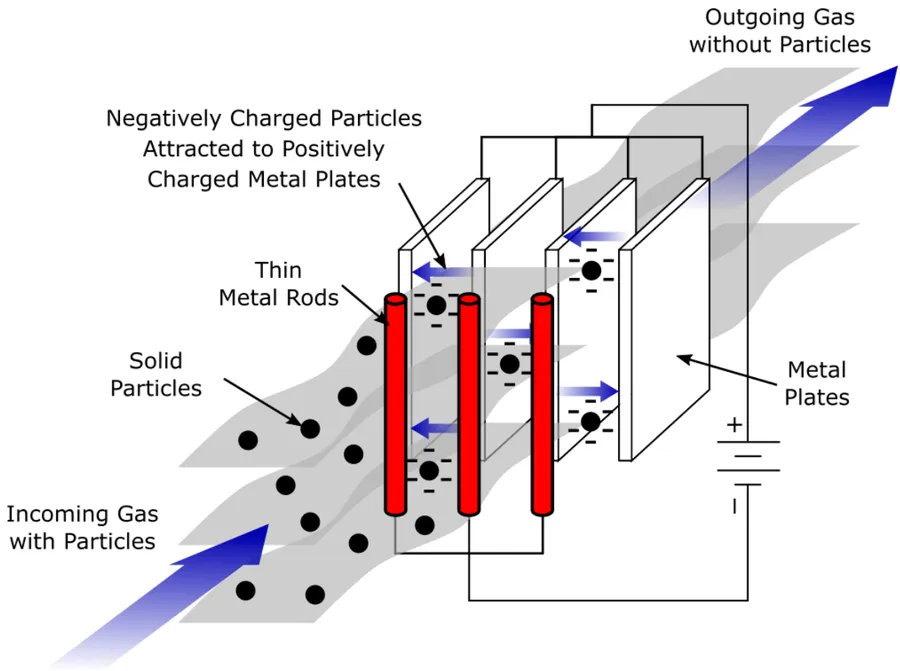
Electronic air filters utilize electrostatic principles to effectively remove airborne particles, thereby enhancing indoor air quality. This process involves creating an electric field to attract and capture pollutants like dust, pollen, and other particulate matter. The core of this technology lies in the manipulation of electrical charges to achieve filtration.
The basic principle is based on Coulomb's law which governs the forces between charged particles. The filter consists of two key elements: an ionizing section and a collection section. First, incoming air passes through the ionizing section, where a high voltage electrical field charges the airborne particles. Once charged, these particles are attracted to oppositely charged collection plates or surfaces, effectively removing them from the air stream.
This process is significantly different from traditional mechanical filtration, such as HEPA filters, which rely on physical barriers to trap particles. Electrostatic air filters offer a different approach by utilizing electrical attraction rather than physical capture. These filters can trap even smaller particles than most mechanical filters, depending on the design and power of the electrostatic field.
Unlike passive filters, these electrostatic air filters require an electrical power source to generate the necessary electric field. However, the process ensures that the captured particles are effectively removed from the air and not reintroduced back into the environment.
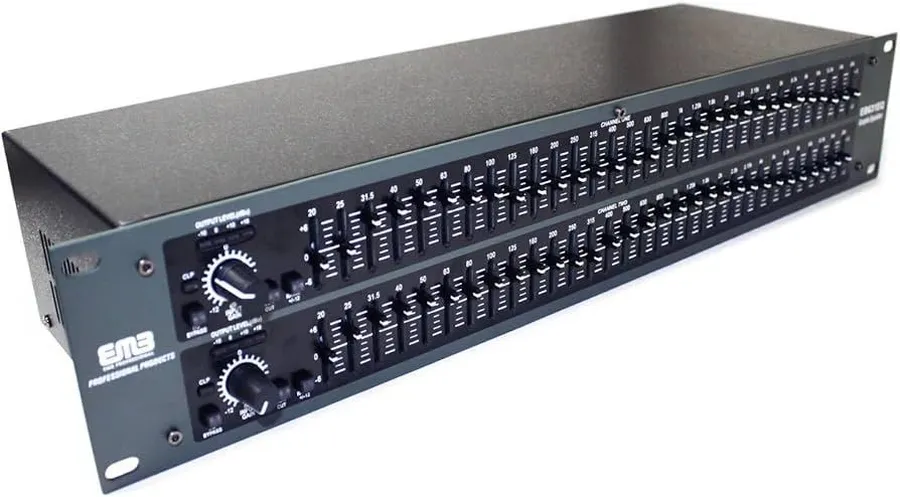
Electronic filters are ubiquitous in modern technology, serving as essential components across diverse fields. Their ability to selectively pass or attenuate frequencies makes them crucial for signal conditioning, noise reduction, and overall system performance. This section highlights their widespread use in various applications, from audio processing to medical imaging, illustrating their versatile nature.
The following outlines some key application areas where electronic filters are indispensable:
The versatility of electronic filters stems from their adaptability and ease of integration into different systems. Their use extends far beyond these examples, demonstrating their essential role in modern technology.
This section addresses common questions about electronic filters, aiming to clarify their function, types, and applications in both signal processing and air purification.
Selecting the appropriate electronic filter for a specific application requires careful consideration of several key factors. The ideal filter will effectively attenuate unwanted frequencies while allowing desired signals to pass through with minimal distortion. This section will guide you through the essential considerations to ensure optimal filter performance.
| Consideration | Description | Example Application |
|---|---|---|
| Frequency Response | Match filter's passband and stopband to application requirements. | Selecting a low-pass filter for an audio amplifier to remove high-frequency hiss. |
| Signal Characteristics | Ensure filter does not distort or weaken the desired signal. | Using a band-pass filter in a radio receiver to isolate a specific radio frequency. |
| Space Constraints | Physical size of the filter and its components, choose compact components. | Selecting an integrated filter for a wearable device. |
| Power Consumption | Power requirements for active filters should be kept at a minimum. | Using passive filters in a battery-powered system or low-power active filter design. |
| Intended Usage | Application determines the type and performance requirements of the filter. | Medical filter system designed to meet IEC-60601 standards |
The field of electronic filter technology is continuously evolving, driven by demands for higher performance, smaller sizes, and greater integration across various applications. The future promises significant advancements in miniaturization, efficiency, and adaptability, shaping the next generation of electronic systems.
Electronic filters, whether for signals or air, are fundamental to modern technology. From ensuring clear communication to maintaining clean air, their applications are diverse and vital. Understanding the different types, mechanisms, and their applications helps in making informed choices and appreciating the technology that surrounds us. The future of electronic filters will continue to evolve, becoming more efficient and integrated into more applications, thus enhancing the quality of our everyday experiences with technology.

