In the fascinating world of electronics, seemingly small components like the 101 capacitor play crucial roles. This seemingly insignificant component, often encountered as a ceramic disc, is a 100pF capacitor, a cornerstone in numerous circuits. This article delves into the heart of the 101 capacitor, explaining its function, decoding its markings, and exploring its wide range of applications. We will connect the dots from simple electronic gadgets to complex devices showcasing the 101 capacitor's vital role in the modern technology ecosystem.
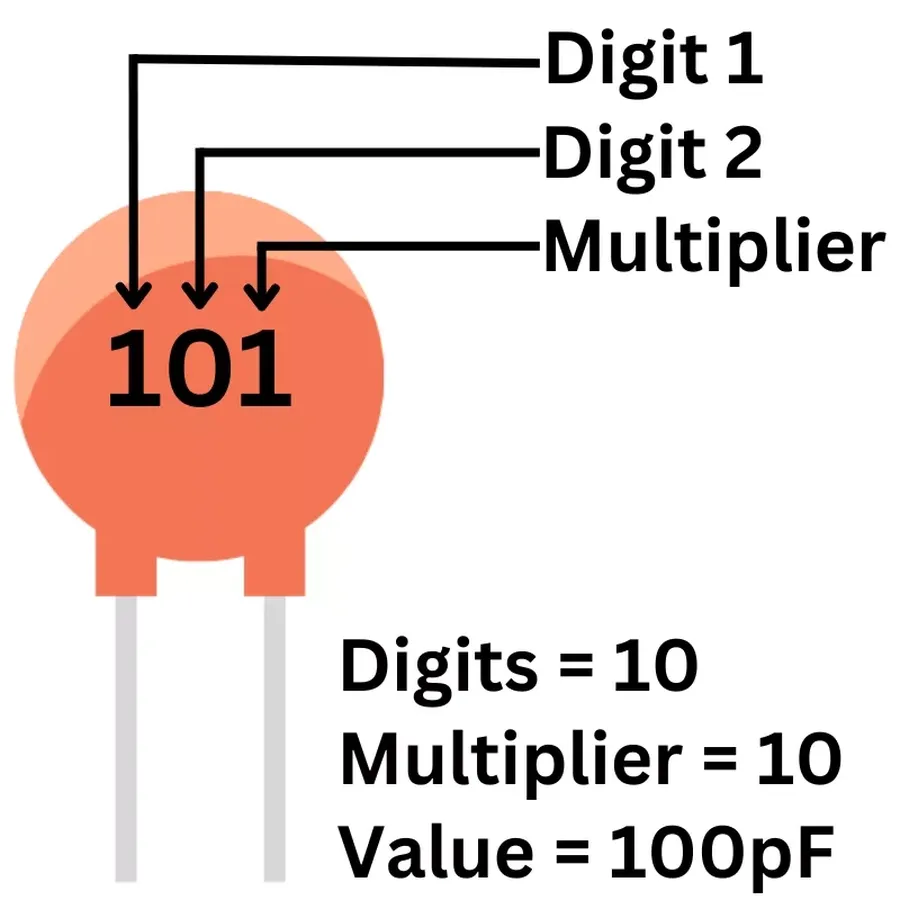
The '101' code on a capacitor is a standardized notation, not a random identifier, that precisely indicates its capacitance value. This coding system employs the first two digits to denote the significant figures of the capacitance, while the third digit acts as a multiplier, representing the power of ten. Specifically, '101' signifies 10 multiplied by 10 to the power of 1, resulting in a capacitance of 100 picofarads (pF).
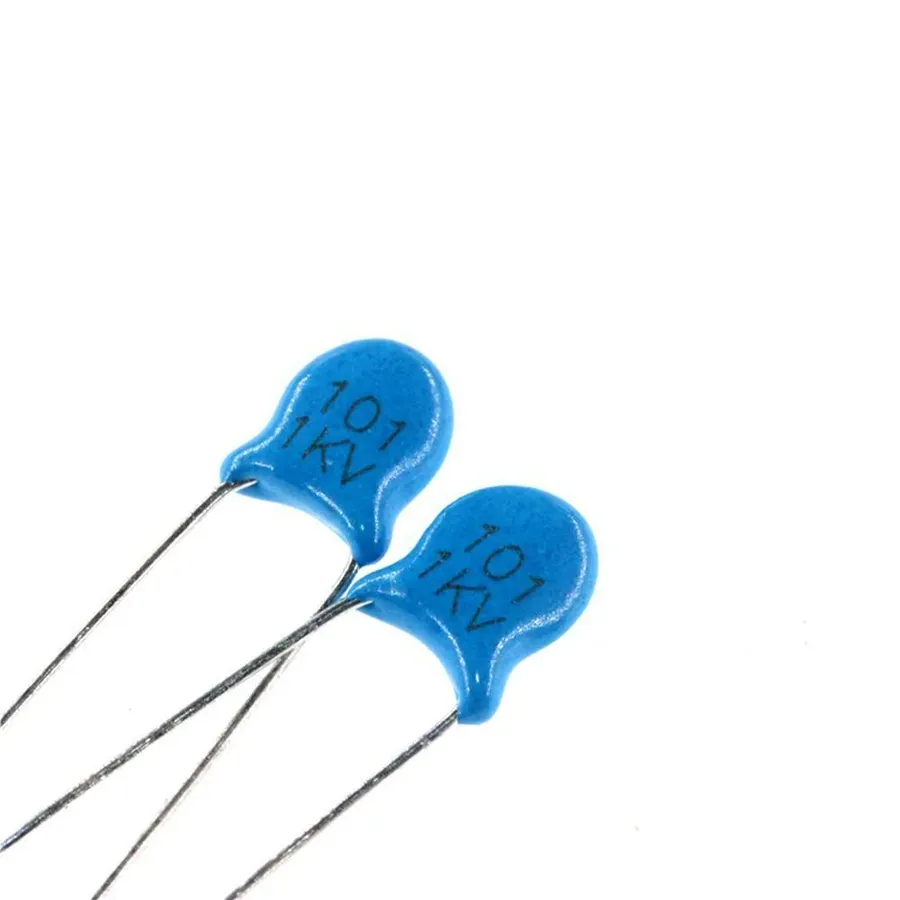
The 101 capacitor designation signifies a capacitance of 100 picofarads (pF). Understanding this value in relation to other capacitance units is vital for accurate circuit design and component selection. The conversion between picofarads, nanofarads, and microfarads is crucial in electronics.
| Unit | Value | Relationship to 100 pF |
|---|---|---|
| Picofarads (pF) | 100 pF | Base value |
| Nanofarads (nF) | 0.1 nF | 100 pF = 0.1 nF |
| Microfarads (µF) | 0.0001 µF | 100 pF = 0.0001 µF |
These conversions are not just academic; they are essential in practical applications. For instance, datasheets might list capacitor values in different units, and these conversions are necessary for comparison and selecting the proper components. It's also necessary to understand these when troubleshooting circuit problems.
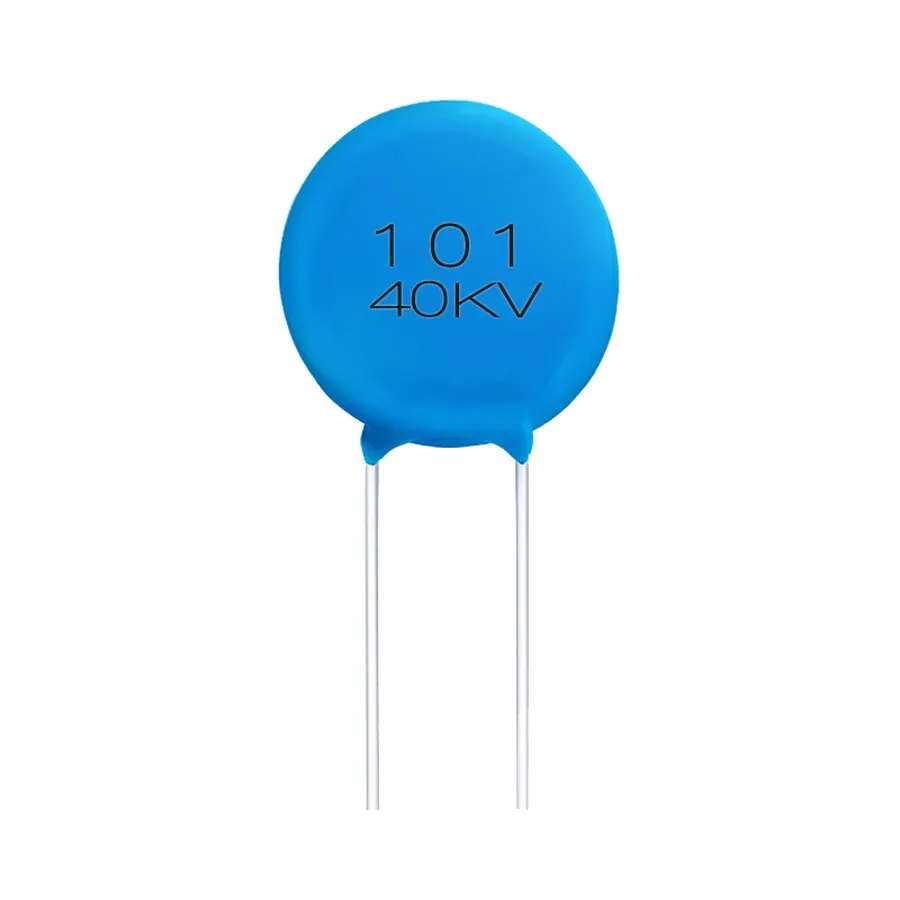
The 101 capacitor, representing a capacitance of 100pF, is predominantly manufactured as a ceramic capacitor due to its advantageous blend of small size, cost-effectiveness, and reliable high-frequency performance. While ceramic is the most common, it is crucial to recognize that 101 capacitors can also be found using other dielectric materials, each with specific characteristics that influence their suitability for various applications.
| Capacitor Type | Dielectric Material | Typical Characteristics | Application Notes |
|---|---|---|---|
| Ceramic | Various ceramics (e.g., NP0/C0G, X7R, Y5V) | Small size, low cost, high frequency performance, temperature sensitivity (varies by dielectric) | Most common for 101 (100pF) applications, general-purpose decoupling, bypass, filtering |
| Tantalum | Tantalum pentoxide (Ta2O5) | Polarized, higher capacitance per volume, stable with temperature, low ESR, sensitive to overvoltage | Less common in 100pF range, but may be found in more critical applications requiring stable capacitance |
| Electrolytic | Aluminum oxide (Al2O3) or other electrolytes | Polarized, large capacitance values, not suitable for high frequency, larger size compared to ceramic or tantalum | Generally not found at 100pF, used for very high values such as decoupling in PSU or timing. |
| Film | Polyester, polypropylene, or other polymers | Stable capacitance, low loss, good for high precision, larger size compared to ceramic | Uncommon at 100pF, may be found in audio or sensitive analog circuits where precision and stability are critical |
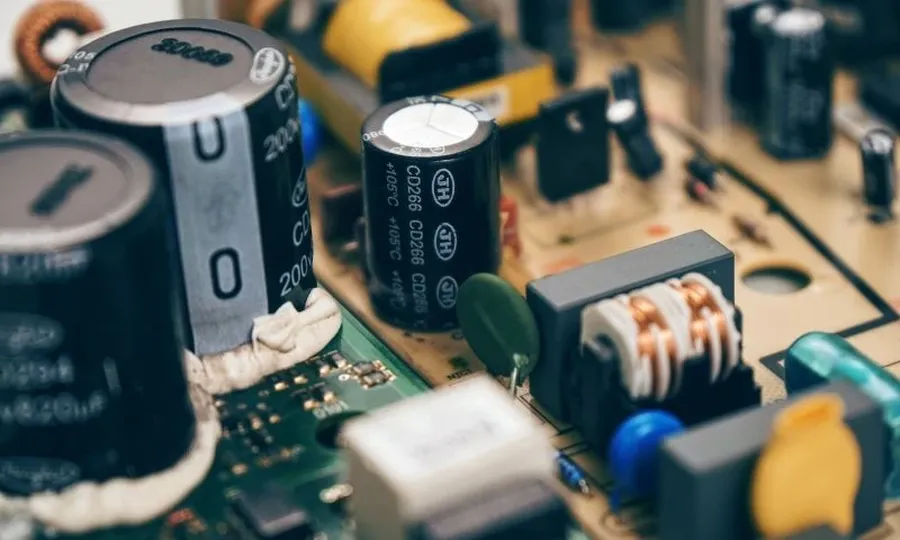
The 101 capacitor, with its 100 pF capacitance, serves as a versatile component across various electronic applications. Its primary roles include filtering, timing, and decoupling, crucial for maintaining signal integrity and system stability. These applications are essential for the reliable operation of a wide range of devices, from simple circuits to complex electronic systems.

Replacing a 101 capacitor requires careful consideration to ensure the substitute maintains circuit integrity. The primary goal is to match the original component's critical specifications to avoid malfunctions or performance degradation. This involves more than just capacitance; voltage and temperature ratings are equally important.
If a direct 101 capacitor replacement is unavailable, a 100pF capacitor with the same tolerance, voltage rating, temperature stability and mounting configuration can be used.
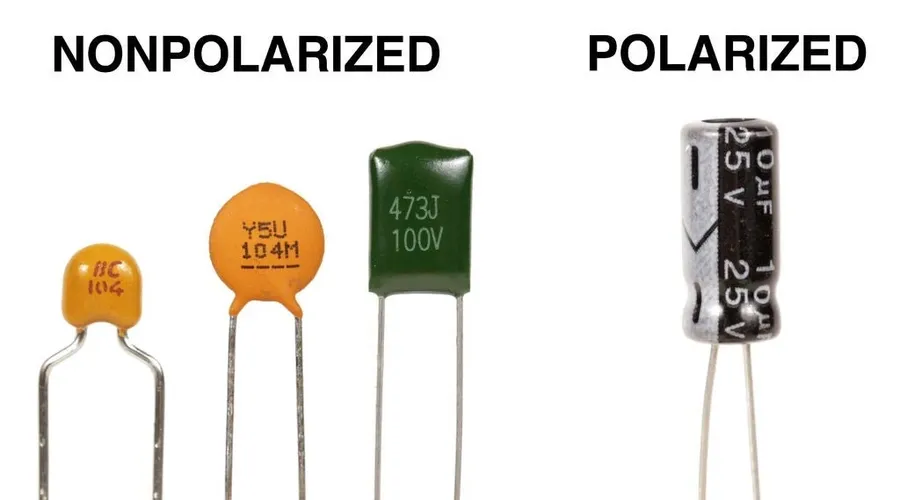
The physical identification of a 101 capacitor is crucial for accurate component selection and replacement. These capacitors are typically small, often disc-shaped, and have a tan or light brown color. The code '101' is distinctly printed on the component's body, sometimes accompanied by additional markings indicating voltage and tolerance specifications. These characteristics are important for ensuring the correct component is used in electronic applications.
When working with capacitors, it is essential to distinguish between different capacitance values. The three-digit code system is a standard method for marking ceramic capacitors, and subtle differences in these codes denote significant variations in capacitance. Understanding these differences is vital to ensure correct component selection and circuit performance. The '101' marking indicates a 100pF capacitor, while other common codes like '102', '103', and '104' represent vastly different values, each suited for different applications.
| Capacitor Code | Capacitance Value (pF) | Capacitance Value (nF) | Capacitance Value (µF) |
|---|---|---|---|
| 101 | 100 | 0.1 | 0.0001 |
| 102 | 1000 | 1 | 0.001 |
| 103 | 10000 | 10 | 0.01 |
| 104 | 100000 | 100 | 0.1 |
The implications of using the wrong capacitor can be severe. Substituting a 102, 103, or 104 capacitor in place of a 101, or vice versa, will lead to improper circuit operation. This is because the capacitance value influences the circuit's frequency response, filtering characteristics, and timing functionality. Each of these capacitors are used for significantly different purposes. For example, 100pF capacitors are often used in high-frequency applications, whereas 0.1uF capacitors are more commonly used for power supply decoupling.
Let's address some of the most common queries regarding the 101 capacitor, clarifying its value and comparing it to other similar capacitor codes.
The 101 capacitor, while small, is a critical component in electronics, performing vital functions like filtering and timing. Understanding its value, marking, and applications is essential for both hobbyists and professionals. From basic circuits to high-tech equipment, the 101 capacitor demonstrates how a humble electronic component contributes to the technological landscape, reminding us that even the smallest components like the 101 capacitor can have a huge impact.

