In an era where digital control permeates nearly every aspect of our lives, the humble potentiometer, a cornerstone of analog electronics, has undergone a digital transformation. Enter the digital potentiometer (digipot), a device that mimics the functionality of its analog counterpart but with digital precision and control. This article dives deep into the workings of digipots, exploring their applications, advantages over traditional potentiometers, and how they are shaping modern electronics. From adjusting audio levels in your smartphone to controlling the speed of industrial motors, the digital potentiometer has rapidly become indispensable.
A digital potentiometer, often called a digipot, is an electronic component that digitally emulates the function of a traditional analog potentiometer. Unlike its mechanical counterpart, a digipot utilizes digital control signals to adjust its resistance, enabling precise and repeatable adjustments through electronic means. This allows for dynamic, software-driven control of resistance in circuits, offering a significant advantage over manual adjustments.
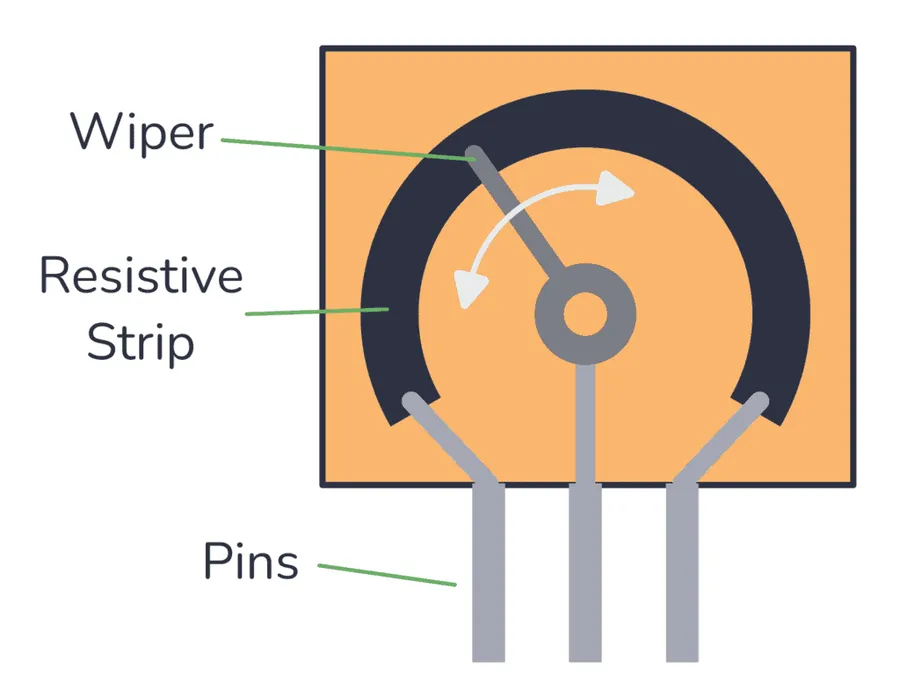
Digital potentiometers, or digipots, achieve their variable resistance functionality through an intricate internal structure and digital control mechanisms. Unlike their mechanical counterparts, digipots employ an electronic architecture that precisely emulates potentiometer behavior using digital signals, enabling highly accurate and repeatable resistance settings.
At the core of a digital potentiometer lies a resistor ladder or string. This ladder comprises multiple fixed resistors connected in series, with electronic switches or CMOS transmission gates placed between each resistor and at the tap points of the ladder. These switches, controlled by digital signals from an interface, select the specific connection point along the resistor ladder, determining the effective resistance between the digipot's terminals. The architecture allows for a discrete number of resistance levels, dictated by the number of steps or taps in the resistor ladder.
Digital control is achieved through various communication protocols, with I²C and SPI being the most prevalent. These serial interfaces allow a microcontroller or other digital device to send commands to the digipot, dictating which switches to close, and thus, the resulting resistance. Control logic within the digipot decodes these commands, updating the switches to the desired position. Non-volatile digipots incorporate memory elements to store the position of the wiper arm, preserving its setting even after power is removed.
| Feature | Description |
|---|---|
| Resistor Ladder | Series of fixed resistors forming the resistance path. Allows for discrete resistance settings. |
| Electronic Switches | CMOS transmission gates or similar devices that connect or disconnect sections of the resistor ladder, controlled by digital signals. |
| Digital Interface | Typically I²C or SPI, used for communication with a microcontroller to set the resistance. |
| Control Logic | Decodes digital commands to control switch positions within the resistor ladder. |
| Memory Element (Non-Volatile) | Stores the wiper position for digipots designed to retain settings across power cycles. |
The resolution of a digipot is determined by the number of steps or taps, typically expressed in bits (e.g. 8-bit, 10-bit), and this dictates the granularity of the adjustable resistance. Higher resolution allows for finer adjustments and more precise control of the circuit. The speed of the interface and the settling time of the digipot influence how quickly changes in resistance can be made.
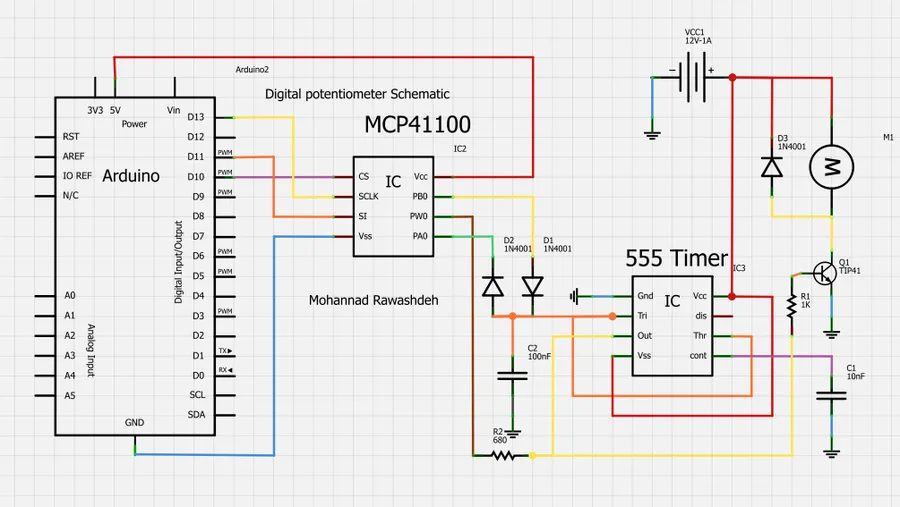
Digital potentiometers (digipots) offer significant advantages over their analog counterparts, primarily stemming from their digital control, which enables superior precision, repeatability, and adaptability in modern electronic systems. This leads to enhanced performance, reduced wear, and increased automation capabilities.
| Feature | Analog Potentiometer | Digital Potentiometer |
|---|---|---|
| Control Method | Mechanical (manual) | Digital (electronic) |
| Precision | Limited by mechanical tolerances | High, defined by resolution (e.g., 8-bit, 10-bit) |
| Repeatability | Subject to mechanical wear and variation | Excellent, consistent resistance settings |
| Interface | Directly wired into analog circuits | Digital interfaces (I2C, SPI, etc.) |
| Adjustability | Manual adjustment only | Automated adjustments via digital commands |
| Mechanical Wear | Prone to wear over time | No mechanical wear, extremely durable |
| Integration | Standalone component | Easily integrated with microcontrollers and digital systems |
| Resistance Values | Limited to available component values | Wide range of digitally adjustable values |
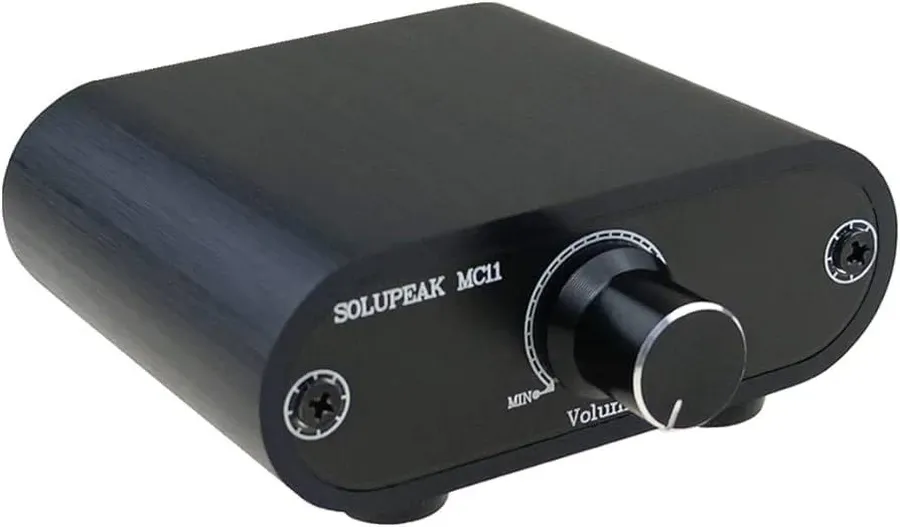
Digital potentiometers are highly versatile components finding extensive use across diverse applications due to their precision and programmability. They provide an electronically controllable resistance, crucial in numerous systems. This section explores some of the key areas where digital potentiometers are implemented, showcasing their practical significance.
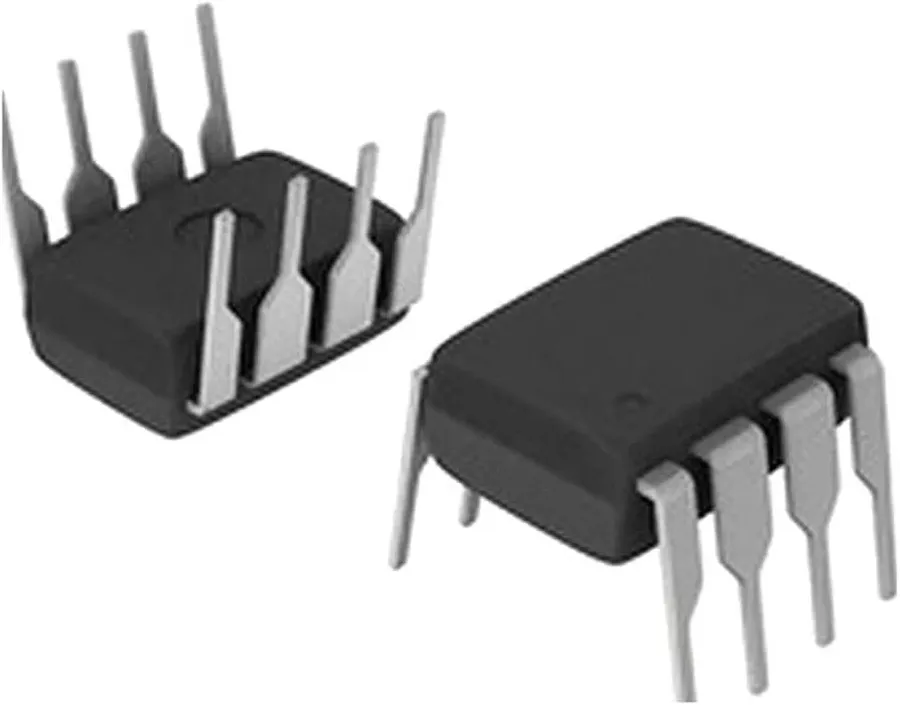
Digital potentiometers, or digipots, offer a versatile alternative to their mechanical counterparts, but understanding their various types and specifications is crucial for effective implementation. These electronic components are available in several configurations, each with unique attributes that determine their suitability for specific applications.
| Feature | Volatile Digital Potentiometers | Non-Volatile Digital Potentiometers |
|---|---|---|
| Data Retention | Resistance setting lost when power is removed. | Resistance setting retained when power is removed. |
| Memory Type | Typically utilizes SRAM or a similar temporary storage. | Employs EEPROM, Flash, or similar non-volatile memory. |
| Use Cases | Applications where settings are frequently adjusted or where the loss of setting isn't critical (e.g., audio volume). | Applications requiring settings to be preserved after power cycles (e.g., calibration, bias settings). |
| Cost | Generally less expensive due to simpler memory. | Generally more expensive due to more complex memory. |
Beyond volatility, key specifications of digital potentiometers include resistance range, tap points, and resolution. Common resistance ranges include 10 kΩ, 50 kΩ, and 100 kΩ, allowing flexibility in circuit design. Tap points, or the number of discrete resistance steps available, directly impact the adjustment granularity. Resolution, often expressed in bits, defines the precision of resistance adjustment with higher bit resolution allowing for finer control. For example an 8-bit device will have 256 discrete steps between its lowest and highest resistance values. Other critical performance metrics include the end-to-end resistance tolerance, temperature coefficient, and bandwidth.
Selecting the appropriate digital potentiometer hinges on carefully considering these specifications against the requirements of the specific application. Higher resolution is imperative for fine tuning, while non-volatile memory is crucial for applications that require retention of set values during power loss. A good practice is to look for digital potentiometer with a tolerance rating less than 1%, since these are more accurate and precise.
Integrating a digital potentiometer into an electronic project, while seemingly complex, is straightforward when approached systematically. The key lies in understanding the digipot's communication protocol and ensuring the correct interfacing with a microcontroller.
Primarily, digipots communicate via serial interfaces such as SPI or I²C. Selecting the correct interface for the application is crucial. SPI is generally faster while I²C requires fewer pins. A thorough review of the datasheet for the specific digital potentiometer in use will define these characteristics.
Here’s a step-by-step guide to help with integration:
By carefully adhering to these guidelines, you should be able to integrate a digital potentiometer effectively into your electronic project. Remember to refer to manufacturer datasheets for specific details for the selected device.
This section addresses common queries regarding digital potentiometers, providing clear and concise answers to enhance understanding and application of these versatile electronic components. It covers the fundamental differences between digipots and digital rheostats, usage guidelines, and insights into popular models.

The evolution of digital potentiometer technology is driven by the increasing demands for smaller, more efficient, and highly precise electronic components. Future trends point towards significant advancements in several key areas, pushing the boundaries of what's currently achievable.
These trends are not isolated but interconnected. For instance, advancements in materials science will enable smaller form factors and lower power consumption, while progress in signal processing will improve accuracy and enable new functionalities. These advancements will expand the scope of applications for digital potentiometers, further solidifying their role in modern electronics.
The digital potentiometer represents a significant leap forward from its analog predecessor, offering superior precision, control, and integration capabilities. From simple audio volume control to complex industrial automation systems, digipots are transforming how we interact with electronics. As technology continues to advance, the versatility and impact of digital potentiometers are set to expand, making them an indispensable component in the future of electronic control. Understanding how to leverage their capabilities will be key for any forward-thinking engineer or maker seeking to build the next generation of digital products.

