In today's rapidly evolving technological landscape, Digital Signal Processing (DSP) plays a crucial role in various applications, from audio and image processing to telecommunications and control systems. The cornerstone of DSP development lies in effective experimentation and prototyping. A well-designed Digital Signal Processing Experiment Board is essential for students, engineers, and researchers to explore, test, and implement DSP algorithms. Zero One Solution Limited provides comprehensive PCB solutions tailored for DSP experiment boards, enabling rapid prototyping and accelerating your innovation cycle. This article delves into the importance of these solutions and how they can benefit your projects.
Digital Signal Processing (DSP) experiment boards are specialized hardware platforms engineered to facilitate the development, testing, and deployment of algorithms for real-world signal manipulation. These boards are indispensable tools for engineers and researchers, providing a tangible environment to transform theoretical DSP concepts into practical applications. Their significance lies in enabling rapid prototyping and verification of complex algorithms, from audio and video processing to advanced control systems, thereby accelerating innovation and reducing development cycles. Zero One Solution Limited, with our expertise in rapid-response R&D prototype manufacturing, understands the critical role these boards play in bringing cutting-edge digital products to market.
At the heart of a typical DSP experiment board lies the DSP processor itself, optimized for high-speed arithmetic operations crucial for signal manipulation. Surrounding this core are critical components that enable its functionality:
| Component | Functionality | Significance in DSP | |
|---|---|---|---|
| DSP Processor (e.g., TI C6000, Analog Devices Blackfin) | Executes complex algorithms at high speed (MAC operations). | Core for real-time signal processing, algorithm execution, and data manipulation. Determines processing power and algorithm complexity capabilities for the DSP experiment board system. Crucial for high-throughput applications like audio/video encoding and decoding, and communication systems. Zero One Solution offers PCB designs optimized for diverse DSP architectures, ensuring efficient power delivery and signal integrity for maximum processor performance. We specialize in rapid prototyping, which allows quick iteration on designs featuring various DSP chipsets, accelerating your development cycles and enabling faster market entry for innovative products. | Zero One Solution offers PCB designs optimized for diverse DSP architectures, ensuring efficient power delivery and signal integrity for maximum processor performance. We specialize in rapid prototyping, which allows quick iteration on designs featuring various DSP chipsets, accelerating your development cycles and enabling faster market entry for innovative products. |
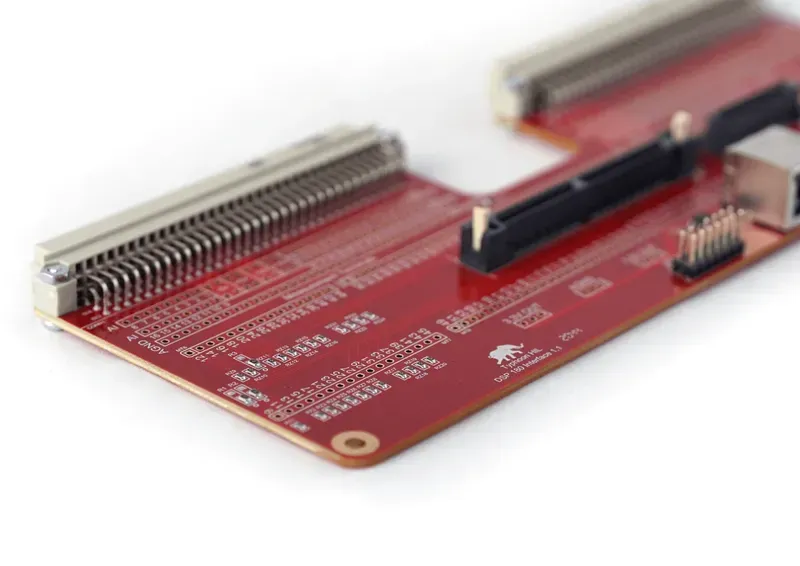
Selecting the optimal Digital Signal Processing (DSP) experiment board is paramount for successful and efficient development, as its inherent capabilities directly dictate project scope and performance. A well-chosen board provides the necessary processing power, memory, and connectivity to handle complex algorithms and real-world signals, acting as the bedrock for innovation in areas from telecommunications to medical imaging. Understanding the critical features and specifications to look for ensures your investment aligns perfectly with your project's demands, preventing bottlenecks and accelerating development cycles.
| Feature | Description | Why it Matters |
|---|---|---|
| Processing Power (CPU/FPGA) | The computational horsepower for executing DSP algorithms, typically delivered by a dedicated DSP processor, high-performance CPU, or a configurable FPGA. | Determines the complexity and speed of algorithms the board can handle, impacting real-time processing and overall system responsiveness. DSPs excel in arithmetic, FPGAs in parallelism, and CPUs in general-purpose tasks. For instance, a 200 MHz DSP can perform millions of multiply-accumulate operations per second, critical for audio or video processing applications where low latency is key. |

In the realm of Digital Signal Processing (DSP) experiment boards, the underlying Printed Circuit Board (PCB) design is not merely a foundation; it is a critical determinant of performance, signal integrity, and long-term reliability. A well-engineered PCB ensures that the high-speed digital and sensitive analog signals inherent in DSP applications are processed without distortion or interference, directly impacting the accuracy and functionality of the DSP system. This section delves into the fundamental aspects of PCB design that are paramount for robust DSP experiment boards, focusing on critical considerations like trace impedance control, efficient power distribution networks, and effective thermal management.
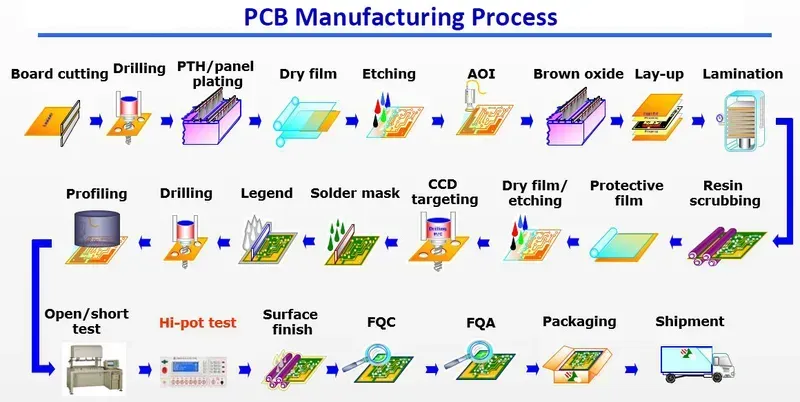
Zero One Solution Limited stands as a premier PCB solution provider, uniquely positioned to empower the advancement of Digital Signal Processing (DSP) experiment boards. Our comprehensive capabilities in PCB design, manufacturing, and assembly are meticulously tailored to address the stringent demands of DSP applications, ensuring optimal performance, signal integrity, and accelerated development cycles for our clients globally. We are committed to translating complex DSP requirements into robust and reliable hardware solutions.
| Service Aspect | Zero One Solution's Advantage | Benefit for DSP Experiment Boards |
|---|---|---|
| Rapid Prototyping | Average 5-7 days for complex multi-layer PCBs | Accelerates design iteration and time-to-market for DSP prototypes |
| Signal Integrity Analysis | Advanced simulation and post-layout verification | Ensures high-fidelity signal transmission for critical DSP data paths |
| Power Delivery Network (PDN) Optimization | Dedicated design for stable power distribution | Minimizes noise and voltage ripple, crucial for DSP IC performance |
| Thermal Management Solutions | Integrated heat dissipation design | Prevents overheating of high-power DSP components, enhancing reliability |
| Global Supply Chain | Strategic presence in Shenzhen and Dubai | Ensures access to diverse, high-quality components and efficient logistics |
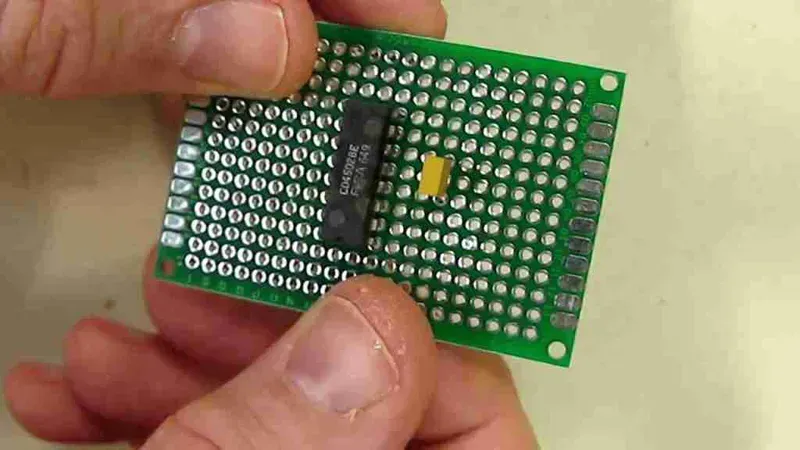
Rapid prototyping is a cornerstone for accelerated development in Digital Signal Processing (DSP) experiment board solutions, enabling engineers to quickly validate designs, identify issues early, and iterate efficiently, significantly reducing the time-to-market for innovative products. This agility is critical in the fast-paced electronics industry, where speed of innovation directly impacts competitive advantage and market share. By employing rapid prototyping, DSP engineers can transform conceptual designs into tangible prototypes with unprecedented speed, allowing for real-world testing and refinement.
| Benefit | Traditional Development | Rapid Prototyping |
|---|---|---|
| Time-to-Market | Slow, sequential process | Fast, parallel iterations |
| Cost of Errors | High, late-stage fixes | Low, early detection |
| Innovation Cycle | Lengthy, less flexible | Short, highly adaptable |
| Design Validation | Theoretical, simulated | Practical, real-world testing |
| Risk Mitigation | Higher risk of unforeseen issues | Reduced risk through early testing |
Zero One Solution Limited specializes in providing rapid prototyping services that are perfectly aligned with the demanding requirements of DSP experiment board development. Our capabilities encompass high-speed PCB fabrication, precise component assembly, and rigorous testing, all optimized for rapid turnaround. This comprehensive approach ensures that your DSP prototypes are not only delivered quickly but also meet the highest standards of quality and performance, allowing you to focus on the intricate algorithms and applications of your DSP system. Partnering with us means gaining a significant advantage in bringing your cutting-edge DSP innovations to market faster.
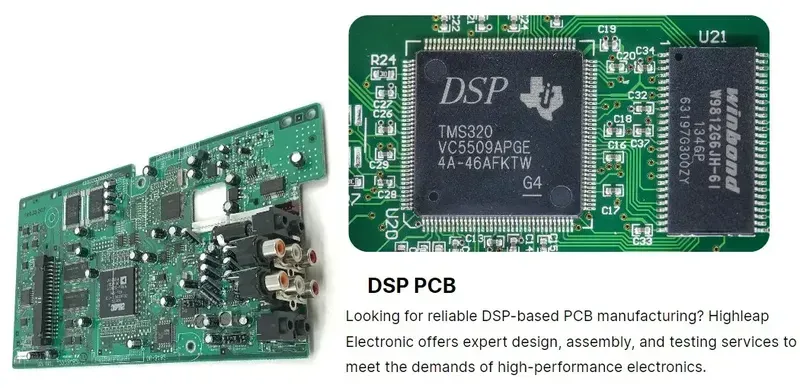
Zero One Solution Limited consistently delivers robust PCB solutions that significantly accelerate the development and deployment of complex Digital Signal Processing (DSP) projects. Our expertise in rapid prototyping, coupled with meticulous attention to signal integrity and power management, has empowered numerous clients to overcome significant technical hurdles and achieve market success. These case studies exemplify our commitment to innovation and engineering excellence.
| Project Type | Challenge Overcome | Zero One Solution's Contribution | Achieved Result |
|---|---|---|---|
| High-Speed Audio Processing Unit | Maintaining signal integrity at ultra-high sampling rates (e.g., 192 kHz) and minimizing noise within a compact form factor. | Precision impedance control on multilayer PCBs, optimized power delivery network (PDN) design, and thermal management for active DSP components. | Enabled distortion-free audio processing with <0.001% THD+N, facilitating a new generation of professional audio equipment. Accelerated prototype iteration by 30% through rapid PCB turns, reducing time-to-market by 2 months. |
| Project Type | Challenge Overcome | Zero One Solution's Contribution | Achieved Result |
|---|---|---|---|
| Industrial Sensor Data Fusion Platform | Integrating multiple DSPs and FPGAs for real-time data acquisition and fusion from diverse industrial sensors (temperature, pressure, vibration) in harsh environments. | Designed a robust, industrial-grade PCB with enhanced thermal dissipation, vibration resistance, and specialized routing for mixed-signal interfaces. Facilitated complex component placement for optimal signal paths. | Developed a highly reliable data fusion platform capable of operating in extreme industrial conditions (e.g., -40°C to +85°C). Reduced system latency by 25% through optimized signal path design, leading to improved operational efficiency and predictive maintenance capabilities. |
Selecting the optimal Digital Signal Processing (DSP) experiment board solution is a critical decision that profoundly impacts project efficiency, development timelines, and overall success. Beyond basic functionality, a nuanced understanding of various factors—from hardware capabilities to ecosystem support—is essential to ensure the chosen solution aligns perfectly with your specific application requirements and long-term research or product development goals. This section will guide you through the crucial considerations for making an informed choice.
The landscape of Digital Signal Processing (DSP) is continually evolving, driven by advancements in computing power, data communication, and artificial intelligence. These trends profoundly influence the design and capabilities of future DSP experiment boards, moving them towards more integrated, intelligent, and interconnected systems. Understanding these shifts is crucial for engineers and developers to remain at the forefront of innovation and leverage the full potential of next-generation DSP solutions.
The convergence of DSP with AI/ML promises to unlock unprecedented capabilities, from enhanced noise reduction algorithms powered by deep learning to intelligent sensor fusion for autonomous systems. This integration necessitates DSP experiment boards that offer robust processing power, ample memory for model storage, and versatile interfaces for data ingress and egress, along with specialized software toolchains that bridge traditional DSP development with AI frameworks. Zero One Solution Limited, with its expertise in high-density PCB design and advanced manufacturing, is uniquely positioned to support the development of such sophisticated boards, ensuring signal integrity and power efficiency for demanding AI-driven DSP applications.
| Trend | Implication for DSP Experiment Boards | Benefits |
|---|---|---|
| AI/ML Integration | Dedicated AI accelerators, larger memory, specialized software toolchains | Enhanced real-time inference, adaptive algorithms, intelligent decision-making |
| Advanced Connectivity (5G, IoT) | High-speed RF interfaces, optimized antenna design, low-power operation | Real-time data streaming, distributed processing, pervasive sensing |
| Heterogeneous Computing | Multi-core processors (CPU+GPU+FPGA), flexible interconnects, unified programming models | Optimized performance for diverse workloads, increased energy efficiency, enhanced parallelism |
In the complex and rapidly evolving landscape of digital signal processing, the right experiment board solution is not merely a component, but a foundational pillar for innovation. Zero One Solution Limited stands as your indispensable partner, providing comprehensive PCB solutions that transcend basic requirements to deliver unmatched performance, reliability, and accelerated development cycles. Our expertise in high-fidelity PCB design, rapid prototyping, and efficient manufacturing and assembly services empowers engineers and researchers to transform theoretical concepts into tangible, high-performing DSP applications with unprecedented speed and precision.
In conclusion, a well-designed and efficiently manufactured Digital Signal Processing Experiment Board is critical for advancing DSP research and development. Zero One Solution Limited, with its expertise in PCB design, manufacturing, and assembly, offers a comprehensive solution to meet these needs. By partnering with us, you can accelerate your prototyping process, reduce time-to-market, and focus on what truly matters – innovation. Contact Zero One Solution today to discuss your DSP experiment board requirements and discover how we can help you bring your ideas to life. Let us empower your innovation journey. Share this article and leave your comments below!

