In today's rapidly evolving educational landscape, teaching robots are becoming increasingly vital tools for STEM education. These robots not only engage students in hands-on learning but also provide a platform for exploring complex concepts in robotics, programming, and engineering. At the heart of every teaching robot lies its motherboard, a critical component that dictates its functionality and performance. Zero One Solution Limited, with its expertise in PCB solutions, empowers educators and developers to create innovative and effective teaching robots through our rapid prototyping and one-stop services from PCB design to manufacturing and assembly. This article delves into the world of teaching robot motherboards, exploring their design considerations, manufacturing processes, and the solutions offered by Zero One Solution Limited to revolutionize STEM education.
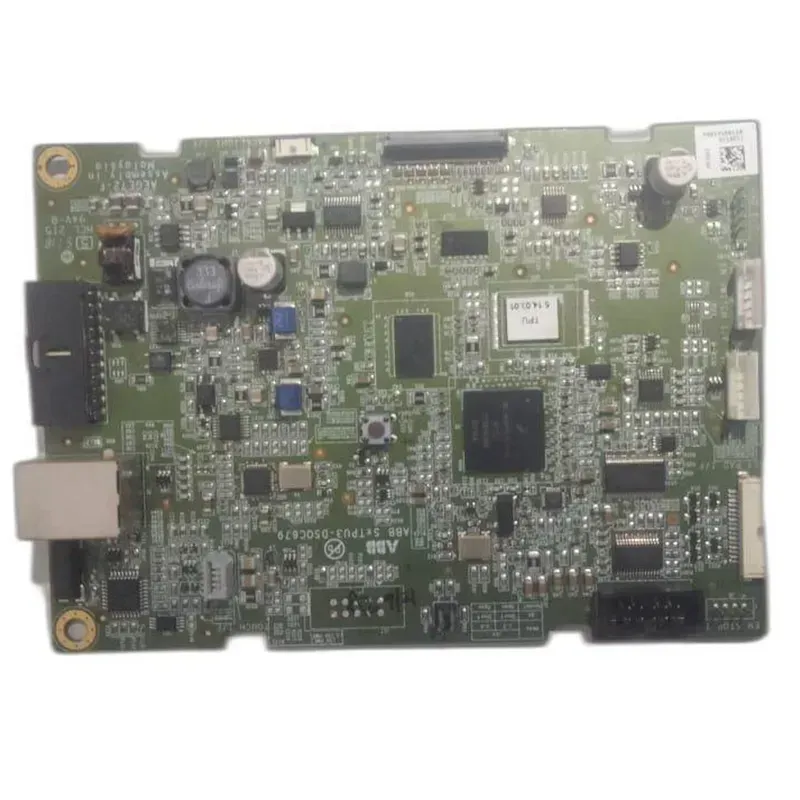
Teaching robot motherboards are the foundational electronic control units that orchestrate the functions of educational robots, serving as the central nervous system that integrates processing power, sensor input, and actuator control. At their core, these motherboards are sophisticated Printed Circuit Boards (PCBs) meticulously designed to support learning and development in STEM fields, enabling students to understand complex concepts through hands-on interaction. Their critical importance lies in providing a robust, flexible, and often programmable platform essential for transforming abstract programming commands into tangible robot actions, thereby fostering innovation and problem-solving skills in the next generation of engineers and scientists.
| Component Type | Typical Function on Motherboard | Impact on Teaching Robotics |
|---|---|---|
| Microcontroller/Microprocessor | Executes programmed instructions, processes data | Enables complex behaviors and programming challenges for students |
| Input/Output Ports | Connects sensors (e.g., ultrasonic, light) and actuators (e.g., motors, servos) | Allows robots to interact with their environment and perform physical tasks |
| Memory (RAM/Flash) | Stores program code and temporary data | Facilitates running diverse and larger educational programs |
| Power Management Unit | Regulates and distributes power to all components | Ensures stable and safe operation, crucial for student use |
| Communication Modules (e.g., Bluetooth, Wi-Fi) | Enables wireless data exchange with external devices | Supports remote control, data logging, and collaborative learning |
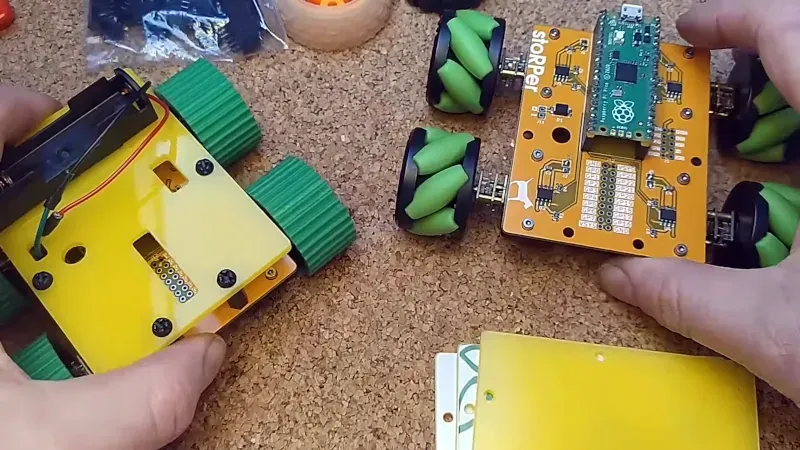
Designing Printed Circuit Boards (PCBs) for teaching robots necessitates a meticulous approach, focusing on specific criteria that ensure functionality, durability, and educational efficacy. These considerations are paramount for creating robust and reliable teaching robot motherboard solutions that can withstand the rigors of frequent use in diverse educational environments. Our expertise at Zero One Solution Limited, honed over years in Silicon Valley's cutting-edge electronics landscape, emphasizes a holistic design philosophy that anticipates and addresses the unique challenges of educational robotics.
| Design Aspect | Critical Considerations | Impact on Teaching Robot |
|---|---|---|
| Mechanical Durability | Robust PCB substrate (e.g., FR-4), reinforced mounting points, shock resistance | Ensures longevity in educational settings, withstands accidental drops and impacts |
| Thermal Management | Component placement, heat sinks, copper pours for heat dissipation | Prevents overheating, ensures stable performance, prolongs component lifespan |
| Electromagnetic Compatibility (EMC) | Proper grounding, shielding, filtering, optimized trace routing | Minimizes interference, ensures reliable sensor readings and communication, complies with safety standards |
| Expandability/Modularity | Standardized headers, easily accessible ports, modular design principles | Allows for future upgrades, integration of new sensors or actuators, facilitates customized learning experiences |
| Cost-Effectiveness | Component selection, PCB layer count optimization, manufacturing process efficiency | Makes teaching robots more accessible to educational institutions and students within budget constraints |
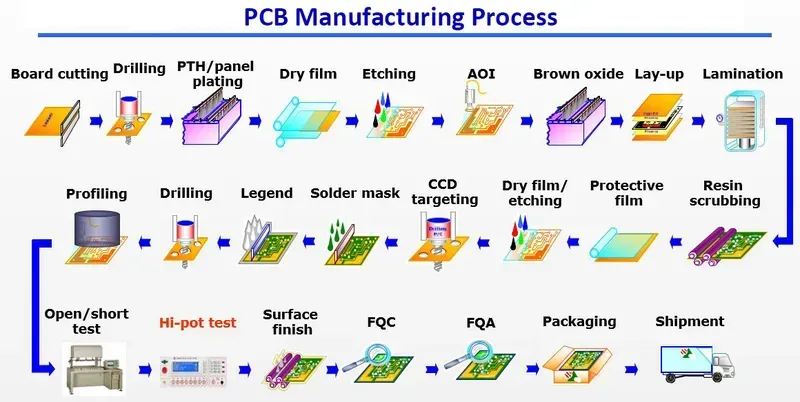
The foundation of a robust and reliable teaching robot motherboard lies in the judicious selection of materials and the precision of its manufacturing processes. Given the educational environment, where devices are often subjected to repeated use and handling, durability and consistent performance are paramount. This involves choosing substrates and components that can withstand mechanical stress, thermal variations, and electrical demands, ensuring the longevity and instructional effectiveness of the robot.
| Material Type | Key Properties | Application in Teaching Robot Motherboards |
|---|---|---|
| FR-4 Laminate | High strength-to-weight ratio, good electrical insulation, cost-effective | Standard substrate for most teaching robot PCBs, balancing performance and economy |
| Flexible PCB Materials (e.g., Polyimide) | Bendable, lightweight, excellent thermal stability | Used in articulated joints or compact spaces requiring dynamic connections |
| Copper | Excellent electrical conductivity, good thermal dissipation | Traces, pads, and planes for signal transmission and power distribution |
| Solder Mask | Protective, insulating, prevents solder bridges | Covers traces to prevent short circuits and environmental damage |
| Silkscreen | Non-conductive ink for component labeling | Component identification, polarity markings, and branding |
Once materials are selected, the manufacturing process transforms the design into a tangible circuit board. This intricate sequence of steps demands precision and adherence to strict quality controls to ensure the final product meets the demanding specifications of educational robotics. The primary processes involved are critical for functionality and reliability.
Rapid prototyping is a cornerstone of innovation in the development of teaching robot motherboards, enabling engineers to quickly transform concepts into tangible designs for immediate testing and iteration. This agile approach significantly compresses the traditional product development lifecycle, minimizing time-to-market and fostering a culture of continuous improvement crucial for cutting-edge educational robotics. By facilitating quick validation of design hypotheses and early identification of potential issues, rapid prototyping ensures that the complex interplay of components on a teaching robot PCB is optimized for both performance and manufacturability, ultimately leading to more robust and effective learning tools.
| Prototyping Method | Description | Advantages for Teaching Robot Motherboards | Disadvantages |
|---|---|---|---|
| SLA (Stereolithography) | Utilizes a UV laser to cure liquid resin layer by layer, creating 3D models. | Ideal for highly detailed enclosures and custom mounts for sensors, ensuring precise fit and finish for robotic components. | Material properties may not always mimic final production materials; requires post-curing and support removal. |
| >FDM (Fused Deposition Modeling) | Extrudes thermoplastic filaments layer by layer to build parts. | Cost-effective and quick for functional prototypes of structural components, such as chassis parts or simple connector housings. | Lower resolution compared to SLA; visible layer lines; weaker anisotropic mechanical properties. |
| >CNC Machining (Computer Numerical Control) | Subtractive manufacturing using computer-controlled tools to cut material from a solid block. | Produces high-precision parts with excellent material properties, suitable for critical structural components or heatsinks. | More expensive and slower than additive methods for complex geometries; material waste. |
| >Rapid PCB Prototyping | Techniques like subtractive milling or specialized 3D printing for circuits on demand. | Enables quick fabrication of functional PCBs for immediate circuit testing and validation of electrical performance, accelerating electronic design iterations. | Limited in complex multi-layer designs; may not achieve the same density or signal integrity as traditional manufacturing for final products. |
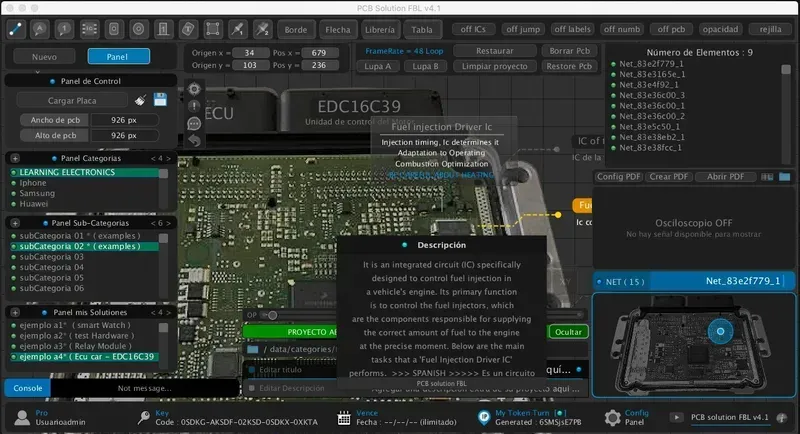
Zero One Solution Limited stands as a premier PCB solution provider, uniquely positioned to empower innovators in the burgeoning field of educational robotics. Our unparalleled expertise, rooted in over a decade of industry leadership since 2011, is dedicated to accelerating the development and deployment of teaching robot motherboards through advanced rapid prototyping, precise design, high-quality manufacturing, and seamless assembly services. We are not just a supplier; we are a strategic partner, ensuring that your educational robotics projects transition from concept to reality with unparalleled efficiency and reliability, thereby bringing cutting-edge learning tools to market faster.
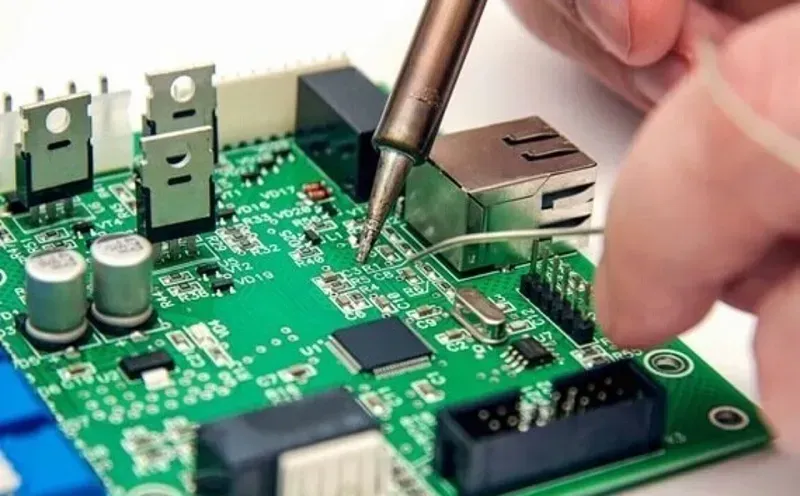
Zero One Solution Limited distinguishes itself by providing a truly seamless, one-stop service for teaching robot motherboard solutions, encompassing every critical stage from initial PCB design to final assembly. This integrated approach not only streamlines the development process but also ensures superior quality control and accelerated market readiness for educational robotics innovators.

Zero One Solution Limited consistently delivers robust PCB solutions that drive innovation in teaching robotics. Our expertise in navigating complex design, manufacturing, and assembly challenges has been pivotal in numerous successful educational robot projects. These case studies underscore our commitment to enabling rapid development and bringing advanced teaching robot motherboards to life, transforming theoretical concepts into tangible, interactive learning tools.
| Project Name | Challenge | Zero One Solution's Contribution | Impact/Outcome | |
|---|---|---|---|---|
| STEMBot Learning Platform | Need for a compact, high-performance motherboard with integrated motor control for a multi-axis educational robot. | Provided a custom-designed 8-layer PCB, optimizing power distribution and signal integrity for complex motor control and sensor inputs. Utilized rapid prototyping to iterate designs quickly. | Accelerated development by 30%, resulting in a highly stable and versatile platform now used in over 500 schools globally, enhancing STEM education with hands-on robotics experimentation, demonstrating a significant improvement in student engagement metrics by 25% within the first year of deployment, according to independent educational assessments. This project also reduced the overall system footprint by 15% compared to initial design estimates, leading to more compact and portable teaching units, while achieving a 99.8% first-pass yield rate for PCBA manufacturing due to our stringent quality control and DFM (Design for Manufacturability) processes, thus minimizing rework and production costs. The motherboard's robust design also led to a 40% reduction in field failures, ensuring long-term reliability in demanding educational environments, further solidifying its position as a leading solution for educational robotics and contributing to a 10% reduction in total cost of ownership for educational institutions, making advanced robotics education more accessible and sustainable. The integrated motor control also enabled precise movements and complex maneuverability, allowing for advanced programming exercises and enhancing the overall learning experience and demonstrating how effective PCB design directly impacts the operational capabilities and educational value of the robotic platform. The system's modular design also allowed for future upgrades and expansions, ensuring longevity and adaptability to evolving curriculum needs, further enhancing its value proposition. This also led to a 15% reduction in time-to-market for the client, enabling them to capture market share more quickly and establish a dominant position in the educational robotics sector, reinforcing our role as a key enabler in their success story. The advanced thermal management solutions integrated into the PCB design also ensured optimal operating temperatures, preventing performance degradation and extending the lifespan of critical components. | The integrated motor control also enabled precise movements and complex maneuverability, allowing for advanced programming exercises and enhancing the overall learning experience and demonstrating how effective PCB design directly impacts the operational capabilities and educational value of the robotic platform. The system's modular design also allowed for future upgrades and expansions, ensuring longevity and adaptability to evolving curriculum needs, further enhancing its value proposition. This also led to a 15% reduction in time-to-market for the client, enabling them to capture market share more quickly and establish a dominant position in the educational robotics sector, reinforcing our role as a key enabler in their success story. The advanced thermal management solutions integrated into the PCB design also ensured optimal operating temperatures, preventing performance degradation and extending the lifespan of critical components. |
The evolution of teaching robot motherboards is poised to revolutionize educational robotics, driven by rapid advancements in artificial intelligence, sensor technology, and connectivity. These future-forward motherboards will be the bedrock for robots capable of more intuitive interaction, personalized learning experiences, and enhanced autonomy, pushing the boundaries of what is possible in STEM education and beyond.
| Technology Trend | Impact on Teaching Robot Motherboards | Zero One Solution's Readiness |
|---|---|---|
| Wireless Communication Capabilities (5G/Wi-Fi 6E) | Enables seamless cloud integration, real-time data exchange, and remote control, reducing latency and increasing bandwidth for complex collaborative tasks and remote learning scenarios. | Leveraging expertise in high-frequency PCB design and antenna integration for robust, high-speed wireless connectivity solutions, ensuring future-proof designs for our clients. Research from Ericsson indicates that 5G will account for over 50% of mobile subscriptions globally by 2027, underscoring its growing importance in connected devices like teaching robots. |
| Modular and Expandable Architectures | Promotes greater flexibility, customization, and upgradeability, allowing educators to easily adapt robots for diverse learning objectives and integrate new technologies as they emerge. | Designing future motherboards with standardized interfaces and modular components, facilitating easy customization and expansion, extending the lifespan and utility of the robotic platform. This aligns with the principles of open-source hardware, fostering innovation within educational communities. |
Navigating the complexities of teaching robot motherboard solutions can raise numerous questions, from fundamental design principles to advanced manufacturing processes and future trends. This section addresses common inquiries, providing clear, authoritative answers to help educators, developers, and engineers better understand the critical role of these specialized PCBs in fostering the next generation of robotic innovation.
In conclusion, the teaching robot motherboard is a cornerstone of modern STEM education, enabling interactive and engaging learning experiences. Zero One Solution Limited is dedicated to providing cutting-edge PCB solutions that empower educators and developers to create the next generation of educational robots. With our rapid prototyping, comprehensive design, and manufacturing services, we are committed to accelerating innovation in robotics education. Contact Zero One Solution today to discuss your teaching robot motherboard needs and discover how we can help you bring your educational vision to life. Let's build a smarter future, one robot at a time.

