In the realm of musical instruments, the electronic organ stands as a testament to the harmonious blend of technology and artistry. At the heart of this instrument lies the motherboard, a complex circuit board responsible for translating a musician's touch into a symphony of sound. Zero One Solution Limited, a leader in PCB solutions, recognizes the critical role of the motherboard in an electronic organ's performance. With our expertise in rapid prototyping, PCB design, manufacturing, and assembly, we empower electronic organ manufacturers to create instruments that resonate with unparalleled clarity and responsiveness. But what exactly makes an electronic organ motherboard solution so vital? And how can Zero One Solution Limited elevate your musical instrument development process? Join us as we delve into the intricacies of electronic organ motherboards and explore how our solutions can transform your musical vision into reality.
Introduction: The Heart of the Electronic Organ
The electronic organ, a marvel of modern music technology, owes its rich versatility and expressive power primarily to its motherboard. Far more than just a circuit board, the motherboard functions as the central nervous system of the instrument, orchestrating every sound, effect, and user interaction. Its sophisticated design and robust functionality are paramount to achieving superior audio fidelity, responsive touch, and seamless integration of complex features. As such, the performance and quality of the electronic organ are intrinsically linked to the engineering excellence of its foundational motherboard.
Understanding the Electronic Organ Motherboard
Electronic Organ Motherboard Components
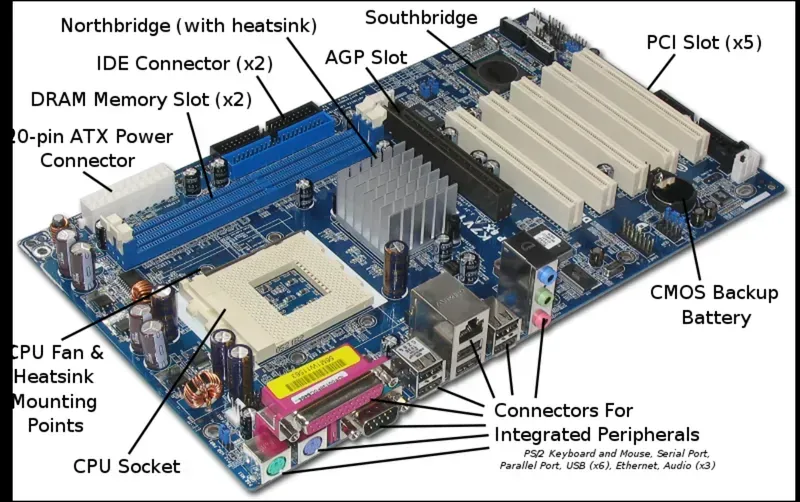
At the core of every electronic organ lies its motherboard, a sophisticated printed circuit board that orchestrates the entire instrument's operation. Far more than just a piece of hardware, it acts as the central nervous system, processing every nuance from key presses to pedal inputs, synthesizing complex audio signals, and managing user interfaces to deliver the rich, expressive sounds characteristic of an electronic organ. A profound understanding of its constituent parts is crucial for anyone involved in the design, manufacturing, or appreciation of these intricate musical instruments.
Processor (CPU/DSP) The brain of the motherboard, the processor, often a Digital Signal Processor (DSP), is responsible for executing the organ's operating system, interpreting MIDI data, generating sound waveforms through synthesis algorithms, and applying digital effects. Its power directly influences the polyphony (number of simultaneous notes), sound quality, and responsiveness of the instrument. High-performance DSPs are critical for rendering realistic instrument samples and complex soundscapes with minimal latency, ensuring a natural playing experience. Modern electronic organs may employ multi-core processors to handle diverse computational tasks simultaneously, from sound generation to user interface management, thereby enhancing overall system performance and stability.
Memory (RAM/ROM) Memory components are vital for storing the organ's operating firmware, sound samples, patches, and user settings. RAM (Random Access Memory) provides volatile storage for real-time operations, such as holding note data and temporary audio buffers, while ROM (Read-Only Memory) or flash memory stores the permanent operating system and pre-loaded sound libraries. The quantity and speed of memory significantly impact the instrument's ability to load large sample libraries, switch between sounds quickly, and manage complex polyphonic arrangements without glitches or delays.
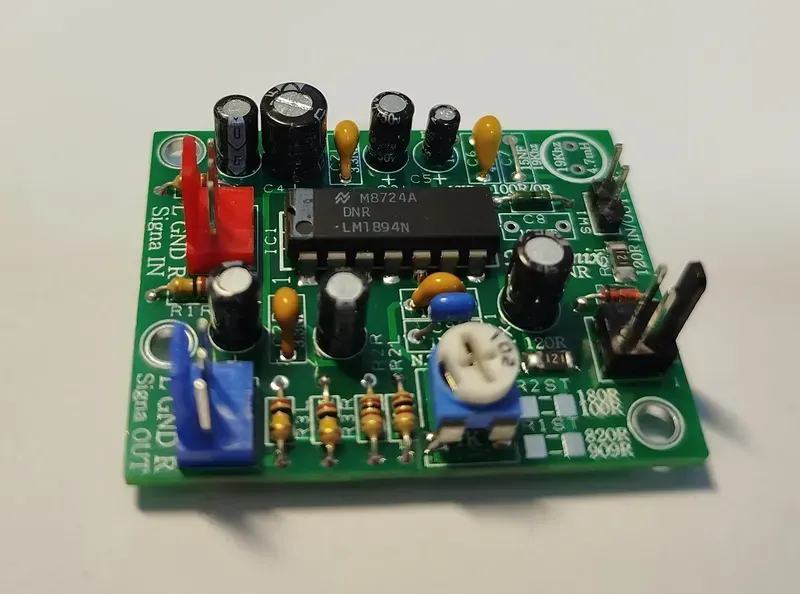
Audio Output Stage (DAC & Analog Circuitry) This critical section converts the digital audio signals generated by the processor into analog waveforms that can be amplified and sent to speakers. It typically includes Digital-to-Analog Converters (DACs) for high-fidelity conversion, followed by analog amplification and filtering circuits. The quality of the DACs and the precision of the analog circuitry are paramount in determining the overall clarity, warmth, and dynamic range of the organ's sound, minimizing noise and distortion to deliver a pristine audio experience. Advanced designs incorporate multiple DACs for stereo or multi-channel outputs, enhancing spatial audio and surround sound capabilities.
Interface Connections (MIDI, USB, Audio I/O) The motherboard integrates various interface ports to allow the electronic organ to communicate with external devices. MIDI (Musical Instrument Digital Interface) ports are essential for connecting to other MIDI controllers, sequencers, or computers, facilitating performance recording and software integration. USB ports enable direct computer connectivity for firmware updates, data transfer, and acting as a USB MIDI interface. Comprehensive audio input/output (I/O) options, including line-outs, headphone jacks, and sometimes microphone inputs, ensure versatile connectivity for professional studio or live performance setups. The robustness and shielding of these interfaces are critical to prevent signal interference and ensure reliable data transmission.
Challenges in Designing Electronic Organ Motherboards
Musical Instrument PCB Noise Reduction
Designing motherboards for electronic organs presents a unique confluence of engineering challenges, primarily driven by the intricate interplay of digital signal processing, analog audio fidelity, and the demanding environment of a musical instrument. The pursuit of pristine sound quality, responsive performance, and long-term reliability necessitates meticulous attention to factors like noise reduction, maintaining signal integrity, optimizing component density, and implementing robust thermal management strategies. These challenges are amplified by the need to integrate diverse functionalities within often constrained physical dimensions, all while adhering to cost-efficiency and manufacturability requirements.
Noise Reduction and Shielding Electronic organs generate and process complex audio signals. The presence of digital components, power supplies, and various ICs can introduce electromagnetic interference (EMI) and radio-frequency interference (RFI), leading to audible hums, buzzes, or digital artifacts in the audio output. Effective noise reduction involves meticulous PCB layout, proper grounding techniques (e.g., star grounding, ground planes), signal path isolation, and strategic use of shielding materials to prevent interference from corrupting the delicate analog audio signals. This is critical for achieving a clean, high-fidelity sound characteristic of professional-grade instruments.
Maintaining Signal Integrity Signal integrity is paramount, particularly for high-speed digital signals and sensitive analog audio paths. Issues like impedance mismatch, reflections, crosstalk, and ground bounce can degrade signal quality, leading to inaccurate sound reproduction, timing errors, or even system instability. Designers must carefully consider trace routing, controlled impedance lines, proper termination, and layer stack-up in multi-layer PCBs to ensure that signals arrive at their destination without distortion or degradation. This is especially vital for precision timing in MIDI and real-time audio processing.
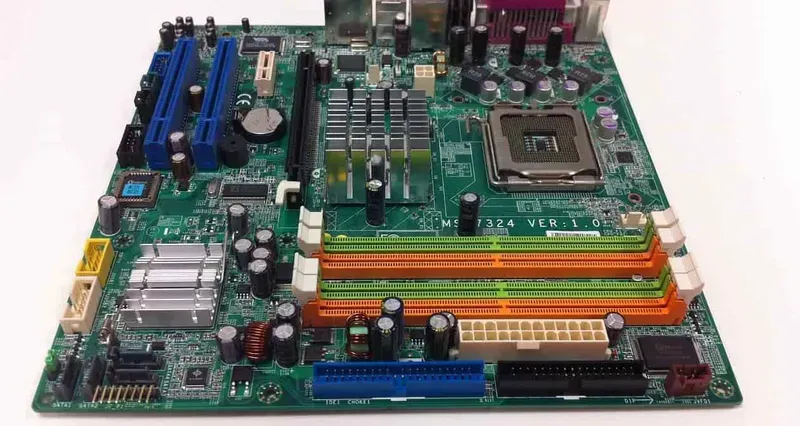
Optimizing Component Density and Layout Electronic organ motherboards often feature a high density of components, including microcontrollers, DSPs, memory chips, DACs/ADCs, op-amps, and various connectors, all within a compact footprint. This necessitates efficient component placement to minimize signal path lengths, optimize thermal dissipation, and ensure manufacturability. Challenges include avoiding component overlap, ensuring sufficient clearance for automated assembly, and managing routing congestion while maintaining signal integrity. Strategic placement can also reduce parasitic capacitances and inductances that can degrade performance.
Thermal Management High-performance processors, digital signal processors (DSPs), and power management units can generate significant heat. In a compact enclosure, effective thermal management is crucial to prevent overheating, which can lead to component degradation, reduced reliability, and even system failure. Solutions include strategic component placement to distribute heat, incorporating thermal vias, using heat sinks, and designing for proper airflow within the instrument's chassis. Understanding the thermal properties of PCB materials and components is key to ensuring long-term operational stability.
Zero One Solution's Comprehensive PCB Solutions
Zero One Solution Limited, with over a decade of pioneering experience since 2011, stands as a premier one-stop PCB solution provider, uniquely positioned to empower innovators in complex electronics like electronic organs. Our comprehensive capabilities span rapid prototyping, advanced PCB design, high-precision manufacturing, and seamless assembly, ensuring accelerated product development and market readiness for high-performance applications. Headquartered in Shenzhen and operating globally through our Dubai branch, we leverage a robust supply chain to deliver unparalleled quality and efficiency.
Rapid Prototyping Excellence We specialize in rapid-response R&D prototype manufacturing, enabling electronic organ developers to swiftly iterate designs, test performance, and validate concepts. This agile approach significantly shortens development cycles, allowing for quicker market entry and competitive advantage.
Advanced PCB Design & Layout Our expert engineers provide comprehensive PCB design services, meticulously optimizing layouts for signal integrity, noise reduction, and thermal management—critical factors for the pristine audio quality and long-term reliability of electronic organ motherboards. We ensure designs meet the highest industry standards and performance benchmarks.
High-Precision PCB Manufacturing Leveraging state-of-the-art facilities and stringent quality control, Zero One Solution delivers high-precision PCB manufacturing. We work with a wide range of advanced materials suitable for sensitive audio circuits, ensuring consistency, durability, and adherence to exact specifications for every motherboard produced.
Seamless PCB Assembly (PCBA) As a true one-stop provider, our services extend to full-spectrum PCB assembly. We employ automated processes and skilled technicians to ensure accurate component placement, reliable soldering, and thorough functional testing, guaranteeing that assembled motherboards meet rigorous performance requirements and are ready for integration.
Our Electronic Organ Motherboard Solution: Key Features
Electronic Organ Motherboard Solution
Zero One Solution Limited's Electronic Organ Motherboard Solution is engineered for unparalleled performance and reliability, addressing the intricate demands of musical instrument electronics with a holistic approach that integrates advanced materials, precision manufacturing, and stringent quality control. Our commitment to innovation ensures that every motherboard we produce provides the stable and high-fidelity foundation essential for superior audio output and seamless functional integration in electronic organs.
Feature
Description
Benefit for Electronic Organs
Advanced PCB Materials
Utilizes high-Tg laminates and low-loss dielectrics to minimize signal degradation and enhance thermal stability, crucial for sustained performance.
Ensures consistent sound quality and extends the lifespan of the instrument, even under prolonged use, by reducing heat-induced stress and signal loss.
High-Precision Manufacturing
Leverages automated optical inspection (AOI), X-ray inspection (AXI), and laser drilling for ultra-fine traces and precise component placement (01005 capability).
Guarantees exceptional signal integrity, minimizes crosstalk, and enables compact, complex designs without sacrificing performance, critical for rich audio reproduction.
Optimized Signal Integrity
Employs controlled impedance routing and advanced grounding techniques to mitigate EMI/RFI, ensuring a clean audio signal path.
Eliminates unwanted noise and interference, delivering crystal-clear sound output that accurately reflects the intended musical nuances.
Rigorous Testing Procedures
Implements comprehensive functional testing, in-circuit testing (ICT), and environmental stress screening (ESS) to validate performance and durability.
Provides robust reliability and reduces failure rates, ensuring that the electronic organ operates flawlessly throughout its lifecycle, minimizing warranty claims.
DFM and DFA Integration
Early-stage design for manufacturability (DFM) and design for assembly (DFA) analysis to streamline production and reduce costs without compromising quality.
Accelerates time-to-market and lowers manufacturing expenses for electronic organ manufacturers, offering a competitive edge while maintaining high product standards.
Rapid Prototyping for Faster Development Cycles
PCB Rapid Prototyping Iteration
Accelerating the journey from concept to market is paramount in the competitive electronic instrument industry. Zero One Solution Limited's rapid prototyping services are engineered precisely for this, enabling electronic organ manufacturers to swiftly iterate design innovations, validate performance under real-world conditions, and drastically reduce their product development timelines, ensuring a significant competitive edge.
How does rapid prototyping benefit electronic organ development? Rapid prototyping for electronic organs allows manufacturers to quickly create physical iterations of their motherboard designs. This enables early detection of potential issues related to component placement, signal integrity, thermal management, and mechanical fit, significantly reducing costly redesigns and delays in later production stages. It fosters innovation by providing a low-risk environment for testing new features and architectures, leading to more advanced and reliable instruments.
Aspect
Traditional Development
Rapid Prototyping (Zero One Solution)
Design Iteration
Slow, sequential, high cost per revision
Fast, concurrent, cost-effective revisions
Testing & Validation
Delayed until near-final stage, high risk of late-stage issues
Early and continuous, issues identified and resolved proactively
Time-to-Market
Extended cycles due to multiple revision loops
Significantly reduced, faster market entry
Innovation Capability
Limited by development constraints
Enhanced, encourages experimentation with new features
Cost Efficiency
Higher overall costs due to late-stage corrections
Optimized, reduced re-tooling and scrap
Our commitment to rapid prototyping is a cornerstone of our service, allowing electronic organ manufacturers to benefit from a lean and agile development process. By quickly transforming digital designs into tangible prototypes, we empower our clients to validate concepts, fine-tune acoustics, and ensure optimal performance, ultimately delivering superior electronic organs to the market faster than ever before. This agility is crucial for responding to evolving market demands and technological advancements.
Quality Assurance and Reliability
Electronic Organ Motherboard Quality Control
Ensuring the unwavering performance and longevity of electronic organ motherboards is paramount, as even the slightest imperfection can compromise musical integrity and user experience. At Zero One Solution Limited, our commitment to quality assurance and reliability is embedded in every stage of our PCB manufacturing and assembly process, from initial design review to final testing, guaranteeing that each motherboard shipped meets the stringent demands of high-fidelity audio applications.
Design for Manufacturability (DFM) & Testability (DFT) Before any physical production begins, our engineers conduct thorough DFM and DFT analyses. This proactive approach identifies potential manufacturing issues and ensures that test points are optimally placed, minimizing defects and facilitating comprehensive testing during later stages. This foundational step is critical for preventing costly rework and accelerating time-to-market while enhancing overall product reliability.
Rigorous Material Selection & Sourcing The integrity of an electronic organ motherboard begins with its raw materials. We meticulously select high-grade PCB laminates, copper foils, and electronic components from a vetted network of trusted, globally certified suppliers. Our strict incoming quality control (IQC) procedures verify that all materials adhere to industry standards and specifications, particularly focusing on properties critical for audio circuits such as low dielectric loss and excellent signal integrity.
Automated Optical Inspection (AOI) & X-ray Inspection During the manufacturing process, advanced AOI systems are deployed to detect subtle surface defects, solder joint issues, and component placement inaccuracies with high precision. For multi-layered PCBs and components with hidden solder joints (like BGAs), X-ray inspection is utilized to reveal internal structural anomalies and ensure solder joint integrity, catching flaws invisible to the naked eye and maintaining superior build quality.
In-Circuit Testing (ICT) & Functional Testing (FCT) Our comprehensive testing regime includes both In-Circuit Testing (ICT) and Functional Testing (FCT). ICT verifies the electrical connectivity and component values on the board, identifying shorts, opens, and incorrect component placements. FCT, tailored to the electronic organ's specific operational parameters, simulates real-world conditions to validate the motherboard's complete functionality, including audio output, input responses, and overall system performance, ensuring it performs as designed under various scenarios.
Case Studies: Success Stories
Zero One Solution Limited has consistently delivered high-performance electronic organ motherboard solutions, enabling our clients to achieve unparalleled sound fidelity and product reliability. Our commitment to precision engineering and rapid prototyping has empowered numerous electronic organ manufacturers to innovate and excel in a competitive market.
Client
Challenge
Zero One Solution's Contribution
Impact/Result
SonicCraft Instruments
Achieve ultra-low latency and superior signal-to-noise ratio for professional-grade digital organs.
Developed a multi-layer PCB with optimized impedance control and advanced grounding techniques, coupled with rapid prototype iterations for fine-tuning.
Reduced audio latency by 15% and improved SNR by 10dB, leading to a 20% increase in market share for their flagship digital organ series.
HarmonyTech Global
Streamline production of a new line of portable electronic keyboards, requiring compact and cost-effective motherboard designs without compromising audio quality.
Provided a highly integrated, miniaturized motherboard design utilizing advanced HDI technology and efficient component placement, alongside DFM consultation.
Achieved a 25% reduction in PCB size and a 10% cost saving per unit, accelerating their time-to-market by 2 months.
VintageVibe Restorations
Reproduce obsolete analog electronic organ motherboard components with modern reliability and maintain authentic sound characteristics.
Engineered reverse-compatible PCBs with modern components, meticulously matching original circuit characteristics and providing robust thermal management.
Successfully revived classic organ models with enhanced durability and consistent performance, creating a new niche market for high-fidelity restorations.
These case studies underscore Zero One Solution's expertise in translating complex requirements into tangible, high-performance electronic organ motherboard solutions, directly contributing to our clients' product excellence and business growth.
FAQs about Electronic Organ Motherboard Solutions
Navigating the complexities of electronic organ motherboard solutions can raise several questions, from design considerations to performance optimization. Here, we address common inquiries, providing clear, authoritative answers to help you understand the critical aspects of these specialized PCBs and Zero One Solution Limited's commitment to excellence.
What are the primary considerations for designing a high-fidelity electronic organ motherboard? Designing a high-fidelity electronic organ motherboard primarily focuses on signal integrity, noise reduction, and accurate component placement. Utilizing multi-layer PCBs, implementing proper grounding techniques, and selecting low-noise operational amplifiers are crucial. Thermal management also plays a vital role in maintaining stable performance and extending component lifespan, especially for processors and audio circuits. Zero One Solution employs advanced design methodologies and simulation tools to optimize these critical factors, ensuring pristine audio output and long-term reliability.
How does Zero One Solution ensure the durability and longevity of its electronic organ motherboards? Zero One Solution ensures durability and longevity through a multi-faceted approach. This includes selecting high-grade, durable PCB materials resistant to environmental factors, implementing robust manufacturing processes with stringent quality control at every stage, and performing rigorous testing. Our testing protocols encompass functional testing, environmental stress screening (ESS), and accelerated life testing (ALT) to identify and mitigate potential failure points, thereby guaranteeing the motherboard's performance over its operational lifespan.
Can Zero One Solution accommodate custom electronic organ motherboard designs and specific audio requirements? Absolutely. Zero One Solution specializes in custom PCB solutions. We work closely with our clients from the initial design phase to understand their unique electronic organ specifications, including specific audio processing needs, interface requirements, and form factor constraints. Our experienced engineering team can develop bespoke motherboard designs, optimize component selection for desired sound characteristics, and integrate advanced features to meet precise performance benchmarks.
What is the typical lead time for rapid prototyping of an electronic organ motherboard with Zero One Solution? Zero One Solution is renowned for its rapid prototyping capabilities. The typical lead time for an electronic organ motherboard prototype varies depending on design complexity, component availability, and specific testing requirements. However, our streamlined processes and strategic location in Shenzhen, China's electronic manufacturing hub, allow us to offer some of the industry's fastest turnaround times, significantly accelerating your product development cycle. We prioritize efficiency without compromising on precision or quality, ensuring quick iterations and time-to-market.
How does Zero One Solution address electromagnetic interference (EMI) and crosstalk in electronic organ motherboard designs? Addressing EMI and crosstalk is paramount in electronic organ motherboard design to prevent unwanted noise and ensure signal purity. Zero One Solution employs advanced PCB layout techniques, including optimized trace routing, careful impedance matching, strategic component placement, and effective shielding. We utilize multi-layer stack-ups with dedicated ground planes and power planes to minimize interference. Additionally, differential signal routing and robust filtering circuits are implemented to mitigate crosstalk, ensuring clean audio signals and stable system performance.
In summary, Zero One Solution Limited offers a comprehensive electronic organ motherboard solution tailored to meet the demanding needs of modern musical instrument manufacturers. From initial design and rapid prototyping to full-scale manufacturing and assembly, our expertise ensures that your electronic organs deliver exceptional sound quality and performance. By partnering with us, you gain access to cutting-edge PCB technology, a dedicated team of experienced engineers, and a commitment to excellence that extends from concept to completion. Elevate your musical instruments with Zero One Solution Limited and create a symphony of innovation. Contact us today to discuss your project and discover how we can help you achieve your musical aspirations.