From the intricate circuits powering our smartphones to the robust systems controlling industrial machinery, basic electronic components are the unsung heroes of the modern world. These tiny yet vital elements, like resistors, capacitors, and transistors, manipulate electrical currents to achieve remarkable feats. This article will serve as your guide to the fundamental electronic components, unveiling their functions and importance in the world of electronics.
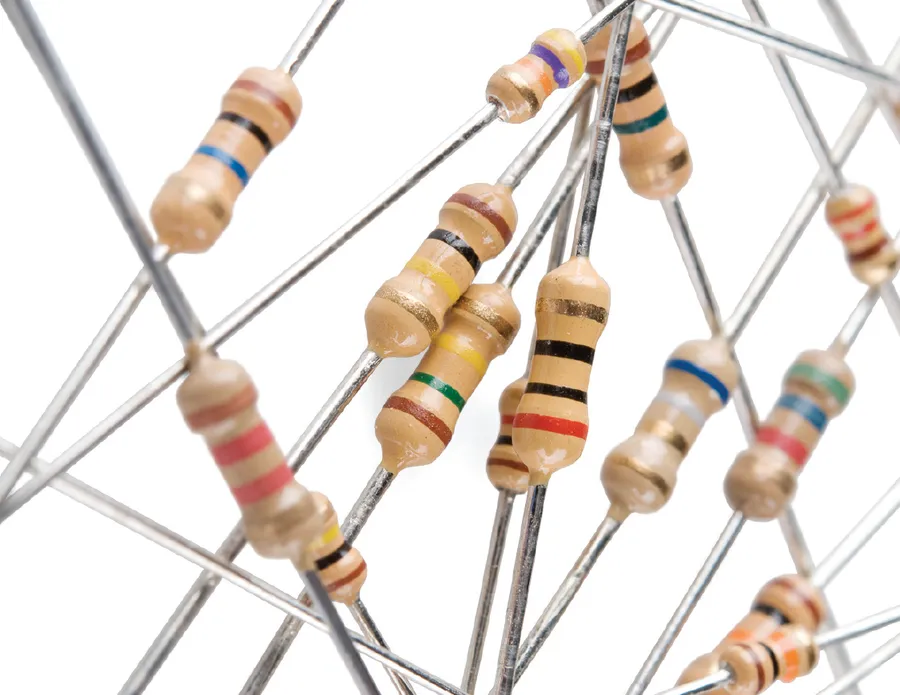
Resistors are indispensable passive components in electronic circuits, designed to impede the flow of electrical current. Their primary functions include limiting current to protect sensitive components, dividing voltage to create specific signal levels, and generating heat for applications like heating elements. The selection of a resistor is based on its resistance value, power rating, tolerance, and physical form factor.
| Resistor Type | Material | Typical Applications | Advantages | Disadvantages |
|---|---|---|---|---|
| Carbon Film | Carbon film on a ceramic substrate | General purpose circuits, low power applications | Low cost, widely available | Higher tolerance, less precise |
| Metal Film | Thin metal film on a ceramic substrate | Precision circuits, instrumentation | Lower tolerance, more precise, lower temperature coefficient | More expensive than carbon film |
| Wire-Wound | Metal wire wound around a core | High-power applications, current sensing | High power ratings, high precision | Higher inductance, larger size |
| Surface Mount (SMD) | Various film materials | Modern electronics, high density PCB layouts | Small size, automated assembly | Difficult to handle manually |
Resistor values are commonly indicated using a color code system, which provides a quick way to identify resistance and tolerance. For example, a resistor with color bands of brown, black, red, and gold would have a value of 1000 ohms (1kΩ) with a 5% tolerance. The color code system is critical for engineers and technicians during circuit design and troubleshooting, it prevents misidentification of resistors and the failure of electronic systems.
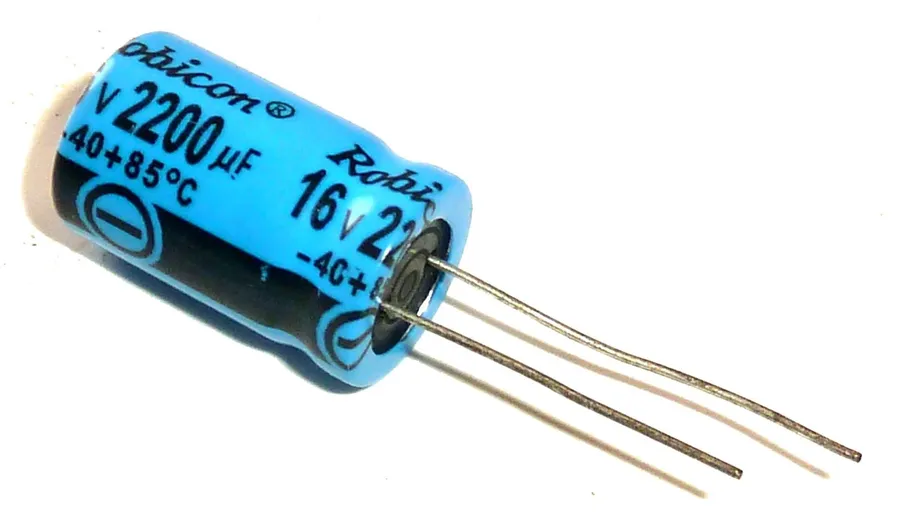
Capacitors are fundamental passive electronic components designed to store electrical energy electrostatically in an electric field. They are crucial for various circuit functions, including filtering, smoothing, and timing. The ability of a capacitor to store charge is known as capacitance, measured in Farads (F). Understanding their types, characteristics, and applications is vital in electronic circuit design and analysis.
| Capacitor Type | Dielectric Material | Typical Capacitance Range | Key Characteristics | Typical Applications |
|---|---|---|---|---|
| Ceramic Capacitors | Ceramic Materials | Picofarads to Microfarads (pF to µF) | Low cost, small size, good high-frequency performance | Bypass, coupling, decoupling |
| Electrolytic Capacitors | Aluminum Oxide or Tantalum Oxide | Microfarads to Farads (µF to F) | High capacitance in a small size, polarized | Power supply filtering, energy storage |
| Film Capacitors | Plastic films (e.g., polyester, polypropylene) | Picofarads to Microfarads (pF to µF) | Low loss, high accuracy, good temperature stability | Timing, audio circuits, high-voltage applications |
| Supercapacitors (Ultracapacitors) | Activated Carbon or Metal Oxides | Farads (F) to Kilofarads (kF) | Very high capacitance, high energy density, fast charging | Energy storage, hybrid vehicles |
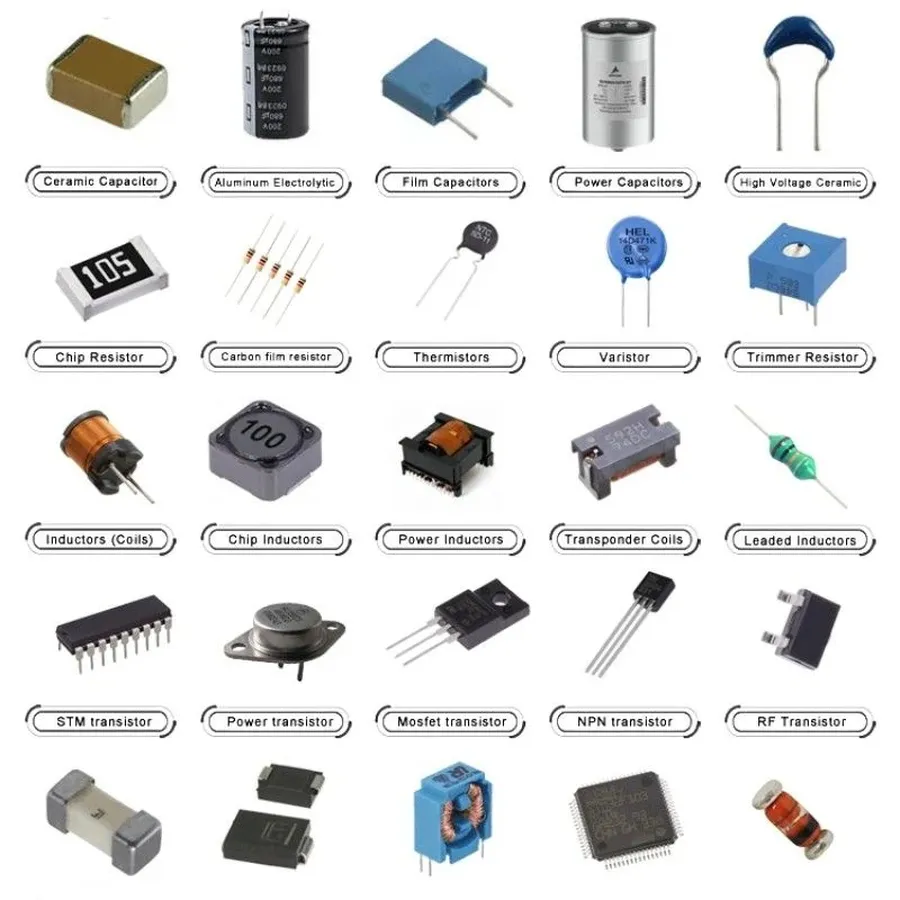
Inductors, often referred to as coils or chokes, are passive electronic components that store energy in a magnetic field when an electric current flows through them. They are characterized by their ability to resist changes in current, a property known as inductance, which is measured in Henries (H). This characteristic makes them indispensable in a wide array of electronic circuits for filtering, tuning, and energy storage.
| Characteristic | Description |
|---|---|
| Inductance | The property of an inductor to oppose changes in current; measured in Henries (H). |
| Core Material | The substance around which the coil is wound (e.g., air, ferrite, iron), influencing inductance and saturation. |
| Current Rating | Maximum current the inductor can handle before performance degrades. |
| DC Resistance (DCR) | The resistance of the inductor's wire to DC current. |
| Saturation Current | The current at which the inductor's inductance begins to drop significantly. |
The selection of an inductor for a specific application requires careful consideration of its inductance, core material, current rating, and intended operating frequency. Proper selection ensures optimal performance and prevents issues such as saturation or overheating.
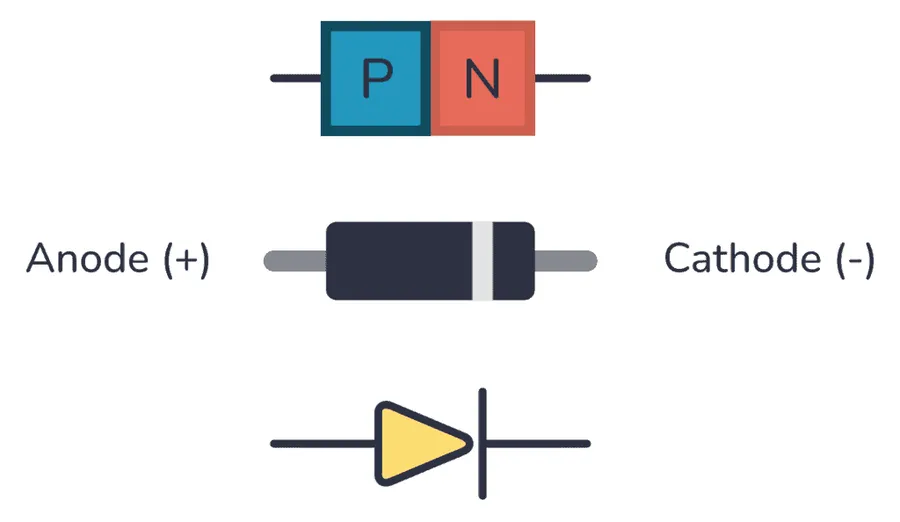
Diodes are semiconductor devices that act as one-way valves for electrical current, allowing current to flow predominantly in a single direction. This fundamental characteristic makes them essential for various applications, including rectification, signal demodulation, and circuit protection. Understanding their behavior and different types is crucial for effective circuit design and implementation.
| Diode Type | Function | Key Characteristics | Typical Applications |
|---|---|---|---|
| Standard Diode | Rectification, general purpose | Forward voltage drop (typically 0.7V for silicon), reverse breakdown voltage | Power supplies, signal rectification |
| Light-Emitting Diode (LED) | Emits light when forward biased | Forward voltage drop (varies with color), wavelength of emitted light | Indicator lights, displays, lighting |
| Zener Diode | Voltage regulation, reverse breakdown | Specific breakdown voltage (Zener voltage), reverse current handling | Voltage regulation, overvoltage protection |
| Schottky Diode | High-speed switching, low voltage drop | Lower forward voltage drop (typically 0.2-0.4V), faster switching speed | High-frequency rectifiers, switching power supplies |
| Varactor Diode | Variable capacitance diode | Capacitance varies with reverse voltage, used in tuning circuits | Tuning circuits, voltage controlled oscillators |
Key parameters to consider when working with diodes include the forward voltage drop, which is the voltage needed for the diode to conduct in the forward direction; the reverse breakdown voltage, which indicates the maximum reverse voltage the diode can withstand without damage; and the maximum current rating, which is the maximum current the diode can handle. Furthermore, diodes have different package styles, including through-hole and surface mount variations, thus affecting their placement and thermal properties on a circuit board.
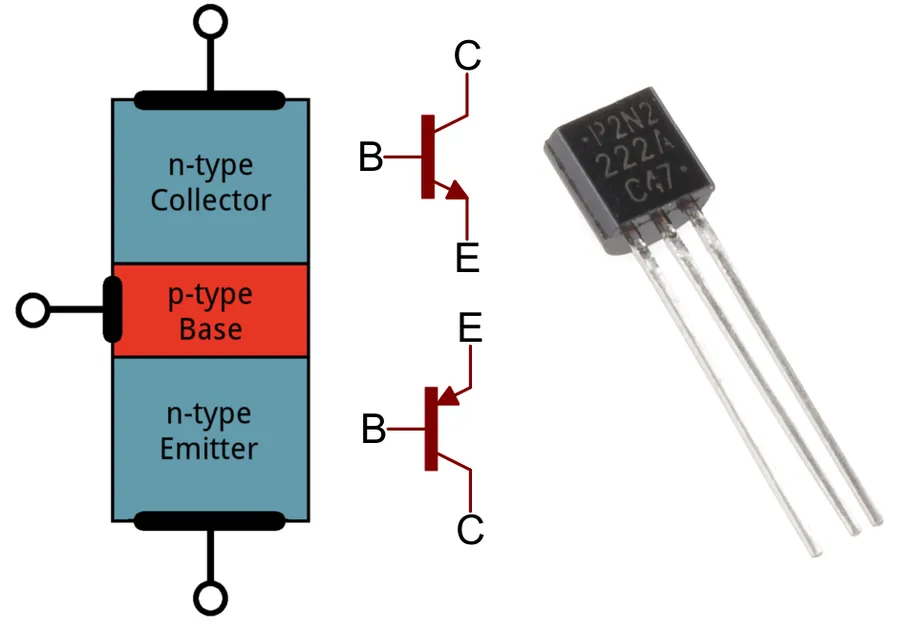
Transistors are the fundamental active components that enable amplification and switching of electronic signals, underpinning the functionality of virtually all modern electronic devices, from simple consumer electronics to complex microprocessors and memory chips. They are the workhorses of modern electronics, enabling both the amplification of weak signals and the rapid switching required for digital logic.
Transistors function as current-controlled current sources, or voltage-controlled current sources, depending on the type, and their ability to modulate current flow makes them indispensable in a wide range of applications. Understanding the characteristics and operation of different types of transistors is essential for effective circuit design and analysis.
| Characteristic | Bipolar Junction Transistor (BJT) | Field-Effect Transistor (FET) |
|---|---|---|
| Control Mechanism | Current-controlled | Voltage-controlled |
| Current Flow | Majority and minority carriers | Majority carriers only |
| Input Impedance | Lower | Higher |
| Applications | Amplifiers, switches | Amplifiers, switches, digital logic, power devices |
| Types | NPN, PNP | MOSFET (Metal-Oxide-Semiconductor FET), JFET (Junction FET) |
Key parameters for transistor selection include current gain (β or hFE for BJTs), transconductance (gm for FETs), switching speed, input impedance, and power dissipation capability. These parameters dictate the performance and suitability of a transistor for a specific application.
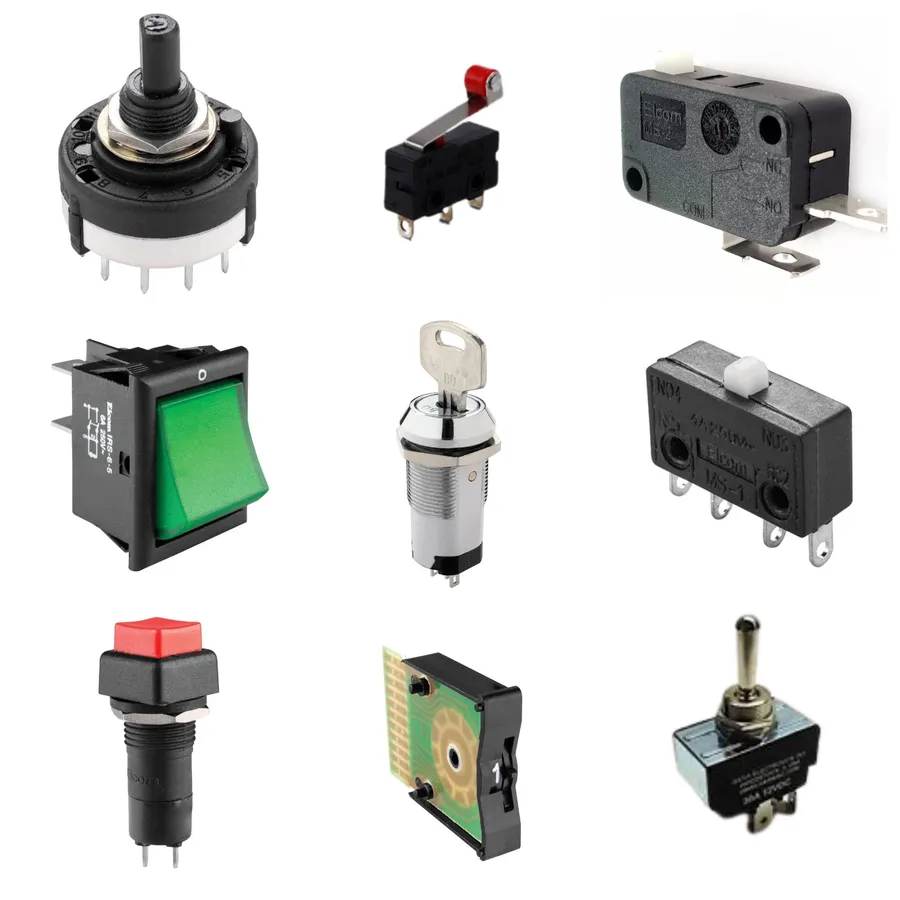
Switches are fundamental electromechanical components that enable the control of electrical circuits by either completing or interrupting the current path. Their primary function is to allow users to manually or automatically open or close an electrical circuit, thereby controlling the flow of current to other circuit elements. The diverse range of switch designs accommodates a wide spectrum of applications, from simple on/off controls to intricate circuit selection mechanisms.
Key to understanding switch operation is recognizing their pole and throw configurations. A pole refers to the number of separate circuits the switch can control, while a throw indicates the number of separate contact positions for each pole. This includes types such as Single-Pole Single-Throw (SPST), Single-Pole Double-Throw (SPDT), Double-Pole Single-Throw (DPST) and Double-Pole Double-Throw (DPDT). Each type provides unique functionalities essential for diverse electronic applications.
| Switch Type | Description | Common Applications |
|---|---|---|
| SPST (Single-Pole Single-Throw) | Simple on/off switch. Connects or disconnects a single circuit. | Light switches, basic power control |
| SPDT (Single-Pole Double-Throw) | Routes a single circuit to one of two different paths. | Circuit selectors, toggling between two options |
| DPST (Double-Pole Single-Throw) | Simultaneously connects or disconnects two separate circuits. | Power control of devices with two independent power paths |
| DPDT (Double-Pole Double-Throw) | Routes two separate circuits, each to one of two different paths. | Complex circuit routing, reversing polarity in motors |
Selection of an appropriate switch depends on factors such as current and voltage handling capabilities, physical size, and the required mode of operation. Other switch types include toggle switches, push-button switches, rotary switches, and rocker switches, each catering to specific needs. Understanding these differences is critical for effective circuit design and implementation.
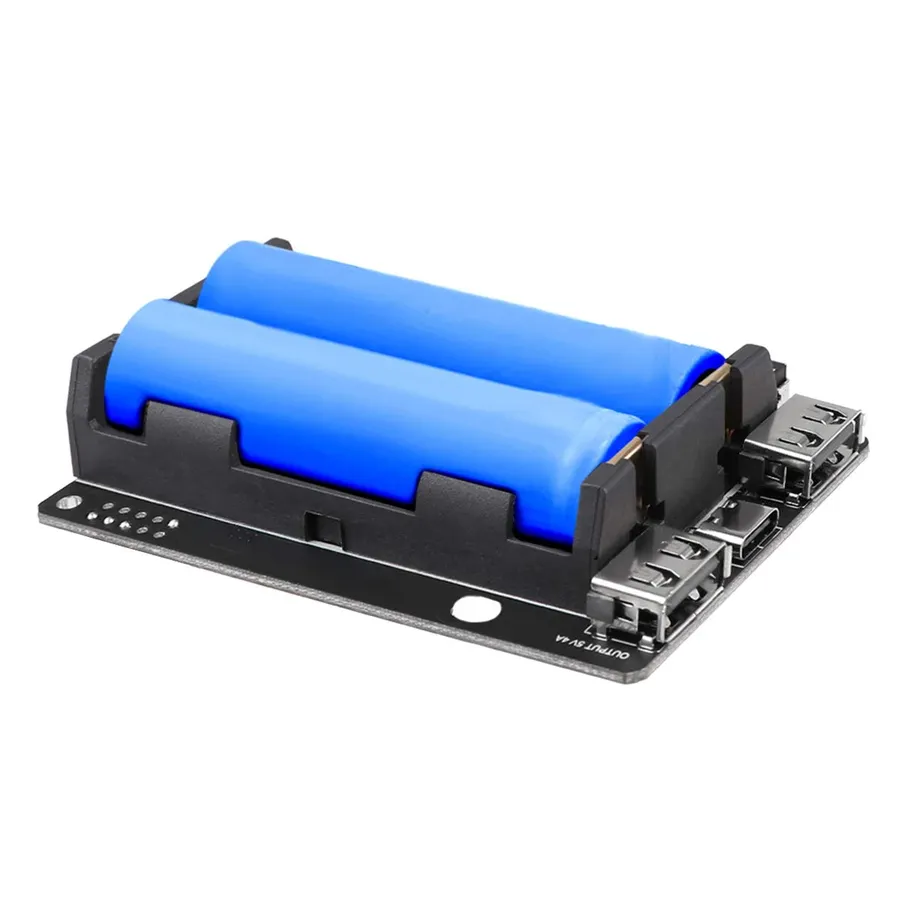
Power sources are essential components that supply the electrical energy necessary for electronic circuits to function. These sources provide the voltage and current required to activate and sustain the operation of various electronic devices, with batteries and power supplies being the primary types.
Batteries store chemical energy and convert it into electrical energy, making them ideal for portable devices. In contrast, power supplies typically convert AC power from the mains to the DC power required by most electronic circuits. The selection of a suitable power source hinges on specific circuit requirements, taking into account factors such as voltage, current, and power ratings.
| Parameter | Battery | Power Supply |
|---|---|---|
| Energy Source | Chemical | AC Mains (usually) |
| Output Type | DC | DC (usually) |
| Portability | Portable | Generally Not Portable |
| Typical Application | Portable Devices | Fixed Installations |
This section addresses common questions about basic electronic components, providing clear and concise answers to help clarify fundamental concepts and applications.
In summary, basic electronic components like resistors, capacitors, inductors, diodes, and transistors form the foundation of all electronic devices. Understanding their fundamental principles and functions is crucial for anyone interested in electronics, from hobbyists to professional engineers. As technology advances, these components continue to evolve, driving innovation and shaping the future of our digital world. Keeping up with the basics ensures a solid foundation for further exploration and creation within this dynamic field. Basic electronic components are the true building blocks of everything electronic, from simple circuits to complex systems, demonstrating the power of precise control over electrical current.

