Fiber Optic Amplifier Control Board Solution

2025.08.08

In the rapidly evolving landscape of modern communication and data transmission, fiber optic amplifiers stand as indispensable pillars, enabling the high-speed, long-distance transfer of vast amounts of information. The performance and reliability of these critical components hinge significantly on their underlying control electronics. At Zero One Solution Limited, we understand this vital connection. As a leading PCB solution provider specializing in rapid prototyping and one-stop services from design to assembly, we are at the forefront of developing robust and efficient Fiber Optic Amplifier Control Board Solutions. This article will delve into the intricacies of these advanced control boards, highlighting how our expertise empowers innovation in optical amplification.

The Critical Role of Fiber Optic Amplifiers in Modern Networks

Fiber optic amplifiers, such as Erbium-Doped Fiber Amplifiers (EDFAs), are indispensable components at the heart of modern optical communication networks. Their primary function is to directly boost optical signals without the need for optical-to-electrical conversion, thus preserving signal integrity and extending transmission distances. This capability is foundational to enabling high-speed, long-haul data transmission, making global connectivity and cloud services feasible. The precise control of these amplifiers is paramount to maintaining signal quality, minimizing noise, and ensuring the stability and efficiency of entire communication infrastructures.
  • Why are fiber optic amplifiers crucial for long-haul networks?
    Fiber optic amplifiers negate the need for signal regeneration (converting optical to electrical and back to optical), which introduces significant latency and complexity. By directly amplifying the optical signal, they enable data to travel thousands of kilometers with minimal degradation, preserving bandwidth and reducing infrastructure costs.
  • What is the primary function of an EDFA in an optical system?
    An EDFA primarily amplifies light signals within the 1550 nm wavelength window, a range widely used in fiber optic communication due to low fiber attenuation. It achieves this by pumping erbium-doped fiber with a laser diode, exciting the erbium ions to emit photons at the signal wavelength, thereby boosting signal power.
  • How do fiber optic amplifiers enhance data transmission capacity?
    By compensating for signal loss over long distances, amplifiers allow for higher data rates and denser wavelength-division multiplexing (WDM) systems. This means more data channels can be simultaneously transmitted over a single fiber, significantly increasing overall network capacity and efficiency.

Understanding the Fiber Optic Amplifier Control Board

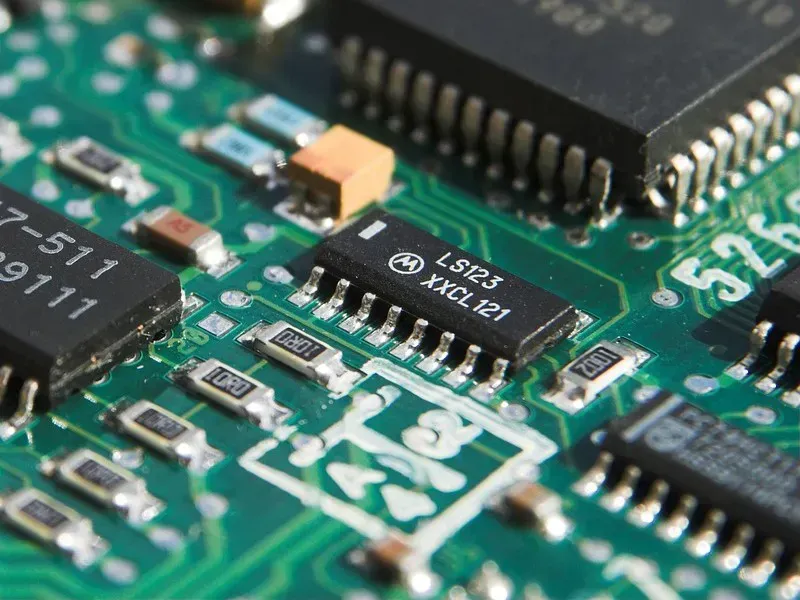
Close-up of fiber optic amplifier control board with visible components
Fiber Optic Amplifier Control Board Components

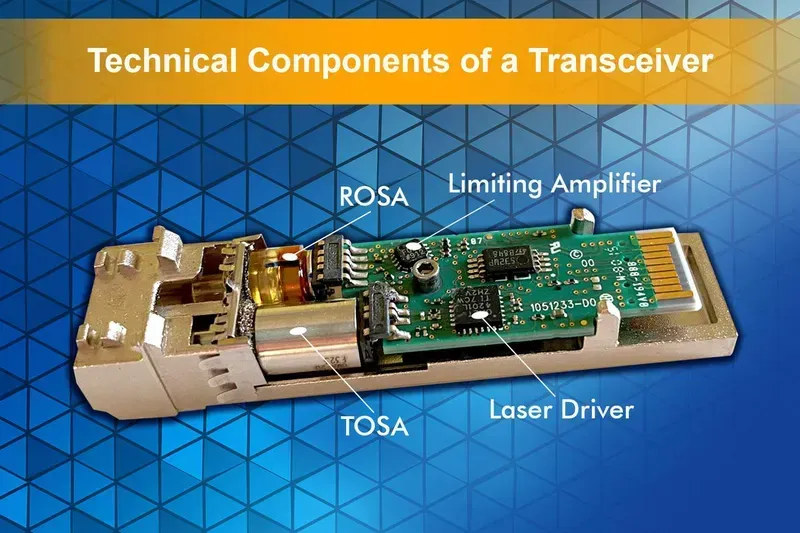
The fiber optic amplifier control board serves as the intelligent core of any optical amplification system, orchestrating the precise management and optimization of signal gain, power consumption, and operational stability. Far from being a passive component, this sophisticated PCB actively monitors environmental conditions, adjusts parameters in real-time, and ensures the amplifier operates at peak efficiency while maintaining signal integrity across vast distances. Its robust design and integrated functionalities are paramount for the reliable performance of modern high-speed optical networks, making it a cornerstone for system architects and design engineers seeking to push the boundaries of data transmission.

  • What are the core functions of a fiber optic amplifier control board?
    A fiber optic amplifier control board is engineered to perform several critical functions. These include precise gain control to maintain stable output power, dynamic power management for optimal energy efficiency and thermal regulation, comprehensive alarm monitoring for fault detection and system diagnostics, and communication interfaces for remote management and data logging. Advanced boards also incorporate features like automatic power control (APC) and automatic gain control (AGC) to ensure consistent performance despite varying input conditions. These functions are vital for the reliable operation of optical networks, preventing signal degradation and ensuring continuous service.
Component TypeTypical Role on Control BoardSignificance
Microcontroller (MCU)Brain of the board; executes control algorithms, handles data processing and communication.Enables intelligent control, real-time adjustments, and system automation for optimal amplifier performance and stability. Examples include ARM Cortex-M series for embedded control and DSPs for complex signal processing (e.g., gain equalization).
Power Management Unit (PMU)Regulates and filters power supply to various components, ensuring stable and clean power.Crucial for minimizing noise, protecting sensitive optical components, and maximizing energy efficiency, directly impacting signal-to-noise ratio (SNR) and overall reliability. Typically includes LDOs, switching regulators, and power sequencers to ensure controlled power-up/down cycles for optical modules, protecting against current surges or voltage spikes. Components often adhere to IEC 61000 standards for electromagnetic compatibility (EMC).
Optical InterfacesConnects to optical components (e.g., pump lasers, photodiodes) for signal monitoring and control.Facilitates closed-loop feedback for gain control and monitoring of amplifier health, ensuring precise and stable output. These interfaces must have high precision and low noise characteristics to accurately measure optical power and manage pump laser output, often utilizing advanced analog-to-digital converters (ADCs) and digital-to-analog converters (DACs) with 16-bit or higher resolution to ensure fine-grained control and monitoring. Industry standards like TL9000 govern the reliability of these optical components.

Key Challenges in Designing Optical Amplifier Control Boards

Designing robust and high-performance fiber optic amplifier control boards presents a unique set of engineering challenges that demand meticulous attention to detail and deep expertise. These boards are the brain of the amplifier, directly influencing its stability, efficiency, and ultimately, the integrity of the optical signal. Overcoming hurdles such as pervasive noise, thermal dissipation, precise power regulation, and electromagnetic interference is paramount to achieving reliable, long-lifecycle optical communication systems, particularly in demanding operational environments.

Challenge AreaImpact on Amplifier PerformanceZero One Solution's Approach
Noise ReductionDegrades signal-to-noise ratio (SNR), leading to data errors and reduced transmission distance.Utilizing advanced grounding techniques, shielded layouts, and selecting ultra-low-noise components for sensitive analog circuitry and power supplies (e.g., ADI, TI low-noise LDOs, op-amps).
Thermal ManagementCauses component degradation, shifts in operating points, and premature failure; affects long-term reliability and stability.Implementing optimized PCB stack-ups, strategic component placement for heat dissipation, integrating heat sinks, and simulating thermal profiles during design. Utilizing materials with superior thermal conductivity (e.g., high-Tg laminates).
Precision Current/Voltage ControlDirectly impacts amplifier gain accuracy, stability, and efficiency; crucial for maintaining consistent optical output power.Designing sophisticated feedback loops, employing high-resolution DACs/ADCs, and using precision voltage references and current sense amplifiers (e.g., from Analog Devices, Linear Technology) for tight regulation and calibration capable of milliampere-level accuracy. Precision voltage regulation within ±0.1% and current regulation within ±0.5% is often targeted depending on the application requirements for components like pump lasers and gain blocks to maintain optimal performance and stability. Zero One Solution has extensive experience designing and implementing advanced closed-loop control systems. These systems are critical for maintaining stable optical output power and gain across varying environmental conditions and over the amplifier's operational lifetime. For instance, in EDFA designs, precise control of the pump laser current is vital to optimize gain and noise figure, with feedback loops continuously adjusting current based on measured optical power and temperature.
  • How do you address Electromagnetic Compatibility (EMC) in control board design?
    We implement rigorous EMC design principles from the outset. This includes careful impedance matching, proper routing of high-speed traces to minimize EMI, comprehensive shielding strategies, effective grounding schemes, and selecting components with low EMI signatures. We also perform pre-compliance testing to identify and mitigate potential issues early in the development cycle, ensuring adherence to international standards like FCC Part 15 and CISPR 22 for both radiated and conducted emissions/immunity. Our layouts often incorporate guard rings, common-mode chokes, and optimized differential pair routing to suppress noise.
  • What steps are taken to ensure long-term reliability in diverse operating environments?
    Long-term reliability is foundational to our design philosophy. We select industrial-grade components with extended temperature ranges, implement robust power delivery networks with ample de-coupling and overcurrent protection, and design for mechanical resilience. We also conduct extensive environmental testing, including thermal cycling, vibration testing, and highly accelerated life testing (HALT), to validate performance under extreme conditions. Our design processes adhere to IPC standards, and we emphasize robust solder joint integrity and conformal coating when necessary to protect against moisture and contaminants, ensuring a product lifespan exceeding 10 years in many applications.
  • How does Zero One Solution manage the complexity of integrating various optical interfaces and microcontrollers?
    Integrating diverse optical interfaces (e.g., SFP/SFP+, custom optical modules) and advanced microcontrollers (MCUs) requires meticulous planning. We leverage our expertise in high-speed digital design, ensuring proper signal integrity for communication interfaces (e.g., SPI, I2C, Ethernet). Our engineers are proficient in selecting MCUs with sufficient processing power and peripheral sets for complex control algorithms and real-time monitoring, such as STM32, NXP, or Microchip families. We also prioritize modular design where appropriate to simplify integration and future upgrades.

Zero One Solution's Expertise in Fiber Optic Amplifier Control Board Design

An engineer working on a computer designing a PCB circuit board
Engineer Designing PCB Board

Zero One Solution Limited stands at the forefront of fiber optic amplifier control board design, leveraging over a decade of specialized experience in PCB solutions for demanding optical applications. Our veteran engineering team, honed through 20 years in Silicon Valley, possesses unparalleled expertise in addressing the intricate challenges inherent in high-performance optical systems, ensuring designs that are not only robust and reliable but also optimized for peak performance and manufacturability. We excel in critical areas such as maintaining high-speed signal integrity, delivering ultra-low noise power, and implementing advanced thermal management, all crucial for the precise operation of fiber optic amplifiers.

  • High-Speed Signal Integrity (SI) Optimization
    In fiber optic amplifier control boards, maintaining signal integrity is paramount, especially for control signals and data interfaces operating at high frequencies. Our engineers employ sophisticated SI analysis tools and design techniques, including impedance matching, controlled trace routing, and crosstalk mitigation, to ensure signal fidelity and minimize data loss or distortion, which is critical for accurate amplifier control and monitoring.
  • Low-Noise Power Delivery Network (PDN) Design
    Optical amplifiers are highly sensitive to power supply noise, which can directly impact their performance and introduce unwanted signal fluctuations. Zero One Solution specializes in designing ultra-low noise Power Delivery Networks (PDNs), incorporating advanced filtering, shielding techniques, and optimized component placement to ensure stable and clean power rails, thereby maximizing the amplifier's signal-to-noise ratio and overall stability.
  • Advanced Thermal Management Solutions
    Heat dissipation is a significant challenge in compact, high-power fiber optic amplifier control boards. Our expertise includes comprehensive thermal analysis and the implementation of effective thermal management strategies, such as optimized component layout, selection of high-thermal-conductivity materials, and integration of passive or active cooling mechanisms, to ensure consistent performance and extend the operational lifespan of critical components under various environmental conditions.
Design CapabilityZero One Solution's ApproachImpact on Fiber Optic Amplifier Performance
Signal IntegrityImpedance-controlled routing, advanced simulation (e.g., Ansys HFSS), stack-up optimization.Ensures precise control signal transmission, minimizes bit errors, and supports high-bandwidth data acquisition for amplifier monitoring and adjustment. Improves stability and accuracy of gain control.
void setup_amplifier_control() {
    initialize_power_delivery(0.001); // Target 1mV ripple
    configure_optical_interfaces(10.0); // 10 Gbps data rate
    perform_thermal_calibration();
}

// Example of a power delivery optimization function
void initialize_power_delivery(float max_ripple_mV) {
    // Implementation details for LDOs, filtering capacitors, etc.
    // Focus on minimizing noise and ripple to specified tolerance
}
Rapid Prototyping and Manufacturing for Accelerated Development

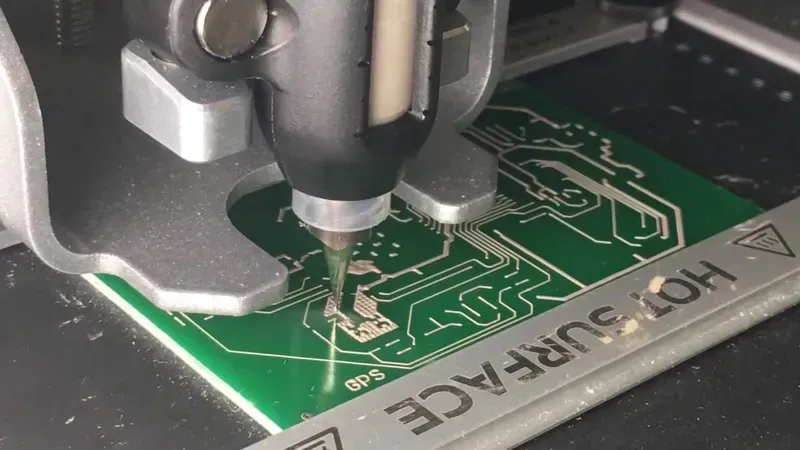
A close-up of a rapid PCB prototyping machine in operation
Rapid PCB Prototyping Manufacturing

In the fast-evolving landscape of optical communications, speed to market is paramount for new fiber optic amplifier technologies. Zero One Solution Limited's rapid prototyping and manufacturing services are engineered to significantly accelerate product development cycles, transforming innovative designs into functional hardware with unprecedented efficiency. Our streamlined processes for PCB manufacturing and assembly (PCBA) are a critical advantage for clients seeking to validate their amplifier control board designs swiftly and gain a competitive edge.

  1. Expedited PCB Fabrication
    Leveraging advanced manufacturing capabilities and agile production lines, we offer industry-leading turnaround times for high-precision PCB fabrication, specifically optimized for the complex requirements of fiber optic amplifier control boards, ensuring rapid iteration and validation.
  2. Agile Component Sourcing
    Our global supply chain network facilitates quick and reliable sourcing of specialized components essential for optical amplifier systems, mitigating delays and ensuring that critical parts are available precisely when needed for assembly.
  3. Efficient PCBA Services
    We provide rapid PCBA services, utilizing state-of-the-art automated assembly lines and experienced technicians to quickly populate boards with high accuracy, ensuring that prototypes are ready for testing and evaluation in minimal time.
Service AspectTraditional DevelopmentZero One Solution Rapid Prototyping
PCB TurnaroundWeeks to MonthsDays to Weeks
Component SourcingProlonged lead times, multiple vendorsExpedited, single-point sourcing via global network
Assembly TimeWeeksDays
Iteration SpeedSlow, high cost per iterationFast, cost-effective iteration
Time-to-Market ImpactSignificant delaysSubstantial acceleration

This commitment to rapid prototyping and manufacturing empowers our clients to compress their R&D timelines, conduct more design iterations, and bring their cutting-edge fiber optic amplifier solutions to market faster than ever before. Zero One Solution is your partner in transforming concepts into commercially viable products with unparalleled speed and precision.
One-Stop Solution: From Concept to Production

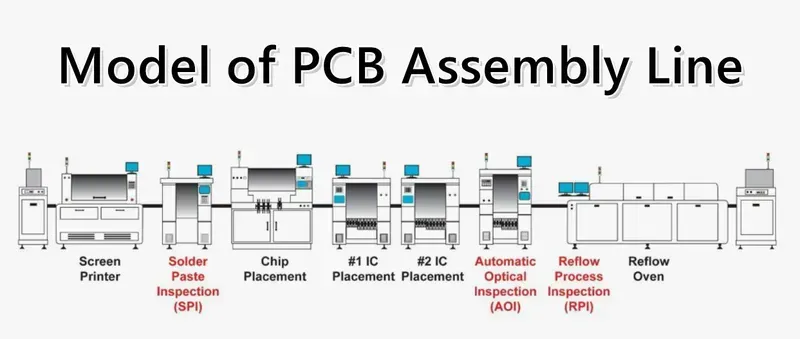
An automated PCBA assembly line with robotic arms placing components
PCBA Assembly Line

Navigating the complexities of developing a Fiber Optic Amplifier Control Board from ideation to mass production can be a daunting task for many businesses. Zero One Solution offers a truly comprehensive "one-stop" service model that streamlines this entire process, eliminating the need for multiple vendors and reducing both time and cost. Our integrated approach ensures seamless continuity, superior quality control, and accelerated market entry for your innovative optical amplification products. We take your initial concept and transform it into a fully functional, market-ready solution with unparalleled efficiency.
  • What does a "one-stop solution" for Fiber Optic Amplifier Control Boards entail?
    A one-stop solution from Zero One Solution means we manage every stage of your Fiber Optic Amplifier Control Board development. This includes initial design consultation, sophisticated PCB layout and routing, expert component sourcing and procurement, high-precision PCB manufacturing, advanced PCBA (Printed Circuit Board Assembly), and rigorous final testing. Our integrated process minimizes communication gaps and ensures consistent quality from start to finish, providing a single point of contact for your entire project.
  • How does Zero One Solution ensure seamless integration across different project phases?
    Seamless integration is achieved through a combination of dedicated project management, cross-functional expert teams, and robust internal communication protocols. Our design, manufacturing, and assembly teams work collaboratively from the outset, sharing critical data and insights to preempt potential issues. This holistic approach ensures that design choices are always made with manufacturing and assembly considerations in mind, leading to a smoother, more efficient, and error-free development cycle for your Fiber Optic Amplifier Control Board.
  • What are the key benefits of choosing a one-stop solution provider for optical PCB projects?
    The primary benefits include significant reductions in time-to-market and overall project costs, simplified logistics by dealing with a single vendor, enhanced quality control due to integrated processes, and minimized risks associated with managing multiple suppliers. For Fiber Optic Amplifier Control Boards, this means a faster route to deployment, higher reliability in the field, and a competitive edge in the rapidly evolving optical communications market.

Quality Assurance and Reliability in Optical PCB Solutions

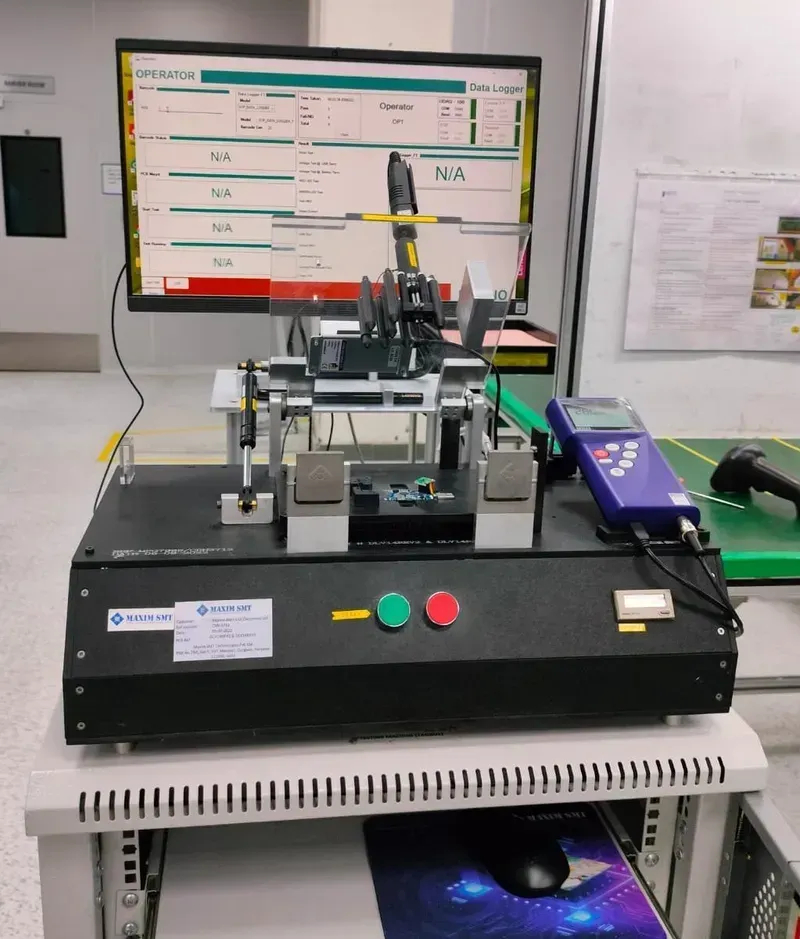
Automated testing equipment checking a PCB for quality assurance
PCB Testing Equipment

In the demanding realm of optical communication, the reliability and performance of Fiber Optic Amplifier Control Boards are paramount. At Zero One Solution Limited, our commitment to rigorous quality assurance and robust testing methodologies ensures that every PCB solution we deliver for fiber optic amplifiers meets the highest industry standards, guaranteeing stable and long-term operation essential for critical communication infrastructure. We understand that even minor anomalies can lead to significant network disruptions, which is why our processes are designed to eliminate such risks from concept to production.

  • How does Zero One Solution ensure the reliability of Fiber Optic Amplifier Control Boards?
    Zero One Solution employs a multi-faceted approach to reliability, beginning with a robust design process that incorporates extensive DFM (Design for Manufacturability) and DFT (Design for Testability) principles. Our quality assurance framework includes stringent material selection, adherence to IPC standards, automated optical inspection (AOI), X-ray inspection for complex assemblies, in-circuit testing (ICT), functional testing specific to optical amplifier performance, and environmental stress screening (ESS) to identify potential weaknesses before deployment. This comprehensive strategy ensures each board can withstand operational demands and environmental variations over its intended lifespan.
  • What specific quality control processes are implemented for optical PCB solutions?
    For optical PCB solutions, Zero One Solution implements specialized quality control processes. This includes meticulous impedance control verification for high-speed optical signals, ensuring signal integrity. We also perform comprehensive thermal analysis and management during design, followed by thermal cycling tests to validate performance under varying temperatures. Furthermore, critical optical interface connections undergo precise alignment and cleanliness inspections, and optical power measurements are calibrated against industry benchmarks to guarantee optimal performance of the amplifier control functions.
  • Are Zero One Solution's Fiber Optic Amplifier Control Boards compliant with industry standards?
    Absolutely. Zero One Solution is committed to delivering Fiber Optic Amplifier Control Boards that not only meet but often exceed industry standards. We meticulously adhere to relevant IPC standards (e.g., IPC-A-600, IPC-A-610) for PCB manufacturing and assembly. Additionally, our solutions can be designed to comply with specific optical communication standards such as ITU-T recommendations, Telcordia GR-1312, and various industry-specific protocols, ensuring seamless integration and interoperability within global communication networks. Our compliance processes are regularly audited and updated to reflect the latest industry requirements.

The demands on fiber optic communication systems will only continue to grow, making reliable and efficient amplifier control boards more crucial than ever. Zero One Solution Limited stands ready as your trusted partner, providing comprehensive, high-quality, and rapid-response PCB solutions for fiber optic amplifiers. Our commitment to excellence, coupled with our strategic global presence, ensures that your projects benefit from unparalleled expertise and manufacturing prowess. Empower your optical innovations with our cutting-edge control board solutions. Visit our website or contact us today to discuss how we can accelerate your product development and bring your next-generation optical amplifier to market with confidence and speed.


Anypcba