In today's interconnected world, electronics play a vital role in our daily lives. Whether you're a hobbyist tinkering with circuits, a student working on a project, or a professional engineer needing components, finding a reliable electronic supply store is crucial. This article guides you through finding the best options for 'electronic supply stores near me,' covering everything from large chains to niche suppliers, ensuring you get exactly what you need for your project.
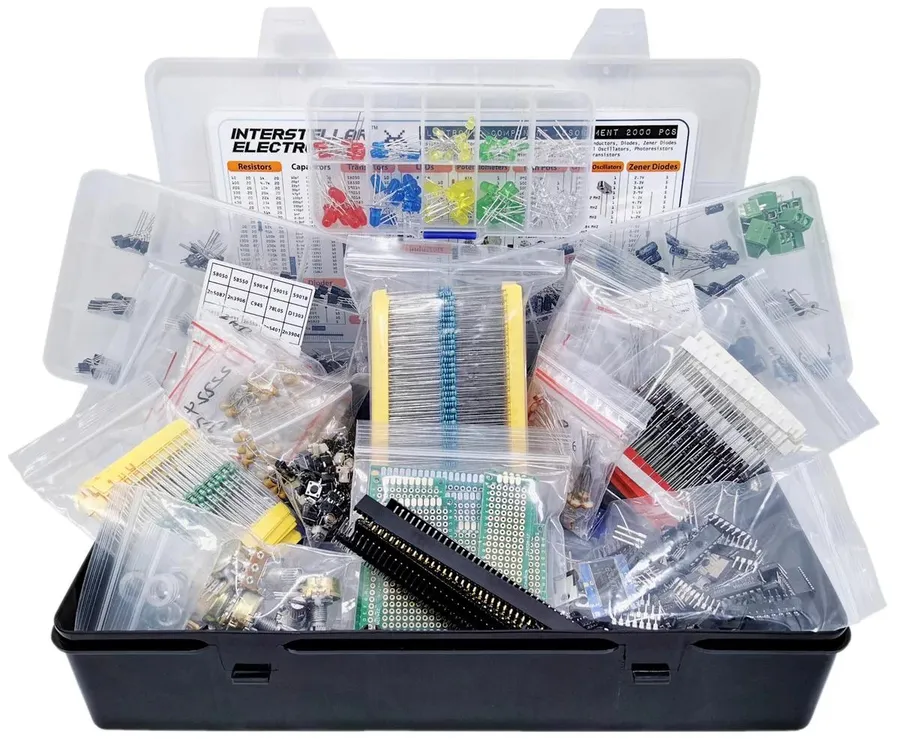
Before embarking on a search for electronic supply stores, a clear understanding of your project's specific component requirements is paramount. This initial step ensures that your search is targeted and efficient, leading you to the most appropriate suppliers. The range of electronic components is vast, from basic passive elements to highly specialized active devices. Identifying these needs upfront is critical for project success.
The choice between large retailers and specialized electronic supply stores hinges on the complexity of your project and the level of support you require. Large retailers offer convenience for basic components, while specialized stores provide a wider selection and expert assistance, this section will explore their differences.
| Feature | Large Retailers (e.g., Best Buy, Ace Hardware) | Specialized Electronic Supply Stores (e.g., Micro Center, 'You-Do-It' Electronics, Elliott Electronics) |
|---|---|---|
| Component Selection | Limited to basic components like resistors, capacitors, and some common ICs. May not stock specialized or obsolete parts. | Wide range of components, including specialized ICs, sensors, microcontrollers, and development boards. Often stock obsolete components. |
| Expertise of Staff | General sales staff with limited technical knowledge of electronics components. | Knowledgeable staff with expertise in electronics, often able to provide technical assistance and advice. |
| Price | Often higher prices for basic components due to higher overhead costs. May not offer volume discounts. | Competitive pricing, especially for specialized components. Often offer volume discounts for bulk purchases. |
| Convenience | More accessible due to a wider geographic presence. Convenient for immediate purchases. | May have fewer locations or be in less convenient areas. May require a dedicated trip to the store. |
| Customer Service | Standard customer service with limited support for specific electronic component related issues. | Specialized customer service with staff knowledgeable about components, datasheets, and application notes. |
| Stock Availability | Limited stock depth, may run out of basic components during periods of high demand. | Larger stock depth and more reliable inventory management for components frequently needed. |
The selection between online and brick-and-mortar electronic supply stores depends heavily on the specific needs of the user. Online stores prioritize convenience and often offer competitive pricing, while brick-and-mortar stores provide immediate access to components and in-person expert advice.
| Feature | Online Stores | Brick-and-Mortar Stores |
|---|---|---|
| Convenience | High; 24/7 access, shop from anywhere. | Lower; requires travel during business hours. |
| Price | Potentially lower due to lower overhead costs; often includes deals and discounts. | Potentially higher due to overhead; prices can be fixed or require negotiation. |
| Selection | Generally wider selection from multiple suppliers; may include older or hard to find components. | Selection may be limited to what is in stock; selection may vary based on store size and specialization. |
| Shipping | Shipping times can vary, additional shipping costs and delays; may be slow for urgently required parts. | Immediate access; no shipping delays or additional costs; immediate troubleshooting. |
| Customer Service | Primarily via online chat, email, or phone; may take longer to resolve issues. | In-person assistance from knowledgeable staff; immediate assistance available. |
| Inspection | Components cannot be physically inspected before purchase, relying on photos and descriptions. | Components can be physically inspected before purchase; better for verifying product condition. |
The choice between online and brick-and-mortar also depends on project requirements and user preference. If you need parts urgently and prefer in-person assistance, brick-and-mortar stores are preferable, whereas if you want the convenience and cost savings, then online stores may be the preferred option.
Finding local electronic supply stores requires a strategic approach, combining online resources with community engagement. This section outlines practical methods to locate the stores that meet your specific needs, whether for a personal project or professional endeavor.
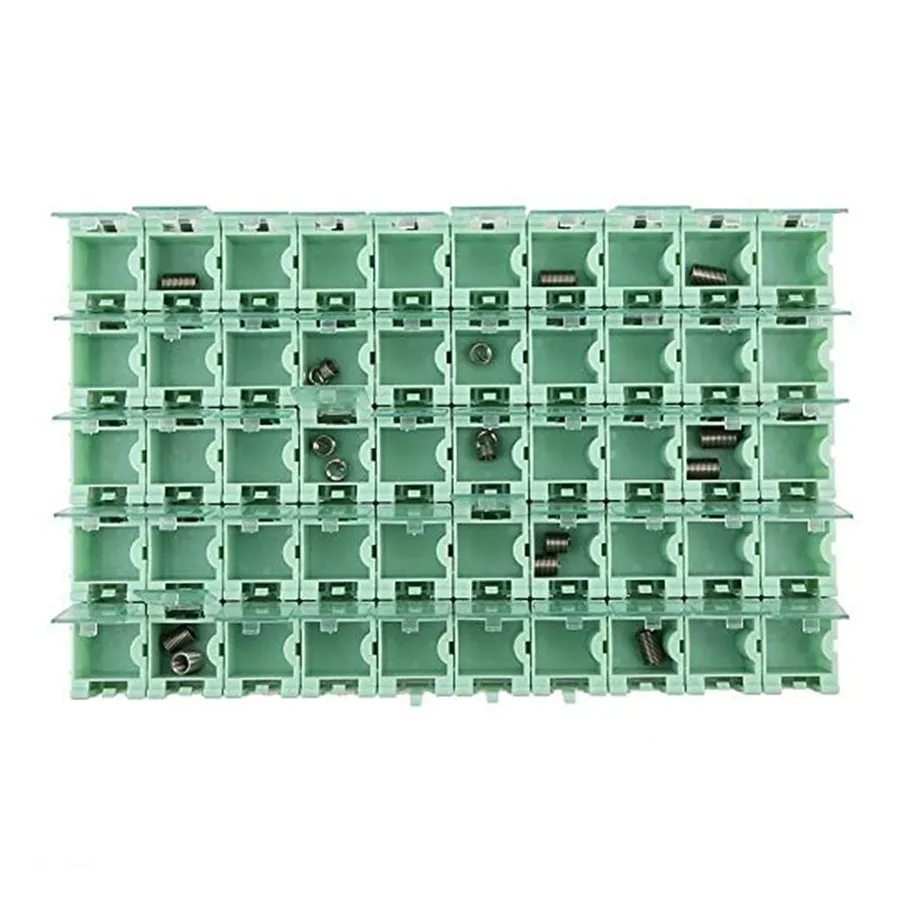
Selecting the right electronic supply store is crucial for any project, be it a simple repair or a complex build. The optimal choice hinges on several key factors, including product selection, pricing, customer service quality, and the store's return policy. A thorough evaluation of these elements will ensure you source the necessary components effectively and efficiently, ultimately contributing to the success of your project.
| Factor | Description | Impact |
|---|---|---|
| Product Selection | The range and availability of components offered by the store. | Ensures all required parts are accessible, reducing the need to source from multiple vendors. |
| Pricing | The cost of components, including unit prices and potential bulk discounts. | Directly affects the overall budget of your project and can improve cost efficiency if favorable. |
| Customer Service | The quality and responsiveness of store staff, including technical expertise and availability of support. | Provides crucial support for finding the correct components, troubleshooting issues, and gaining valuable project advice. |
| Return Policy | The store's policies on returns and exchanges for faulty or incorrectly ordered components. | Offers a safety net for unexpected problems with components and facilitates hassle-free exchanges. |
Customer reviews provide valuable insights into a store’s strengths and weaknesses. Online platforms often host feedback from other shoppers, which can help guide you on your choice. Calling or visiting the store directly allows for firsthand evaluation of service and product availability, offering a deeper understanding of the store’s offerings.
This section addresses common questions users have about locating and utilizing electronic supply stores, focusing on availability, specific product offerings, and operational details to help you efficiently source the components you need. These FAQs aim to provide practical insights into navigating the world of electronic component retail.
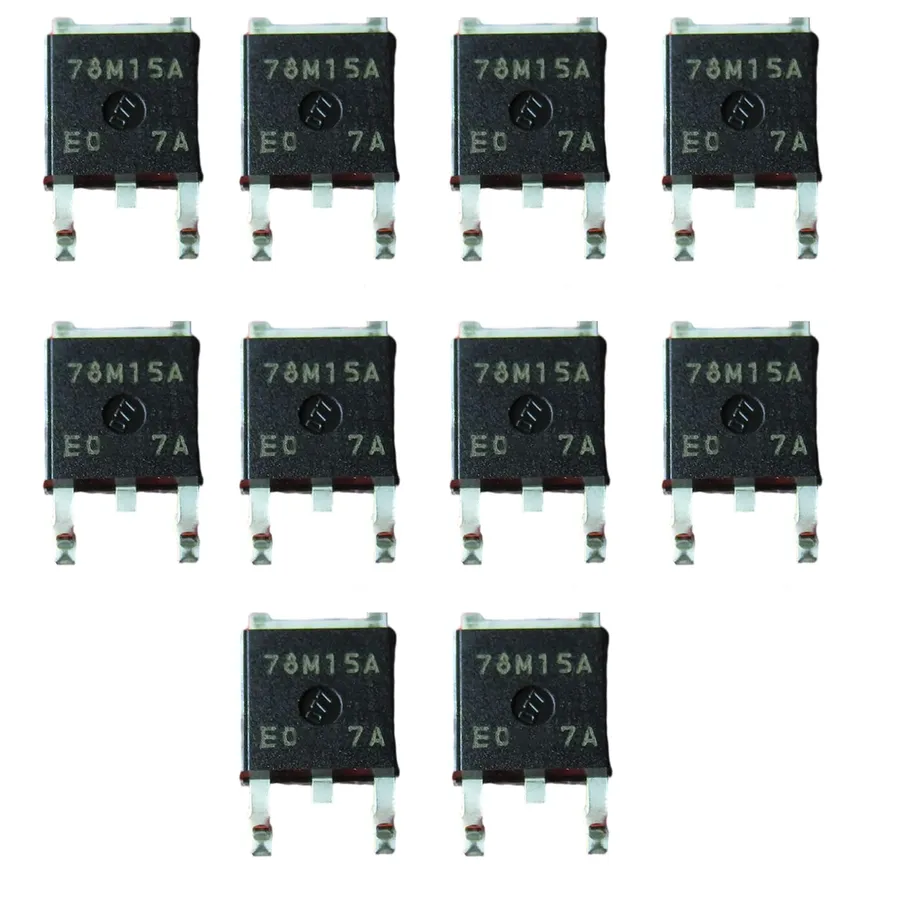
For advanced electronic projects requiring specialized components, the typical retail options may fall short. This section delves into the realm of specialized suppliers who offer niche components, such as integrated circuits (ICs), various types of sensors, and development boards, providing crucial support for complex designs.
These suppliers distinguish themselves not just through their inventory but also by offering datasheets and application notes, which are indispensable for engineers and hobbyists alike. Datasheets provide critical technical specifications like voltage ratings, pin configurations, and operating conditions for individual components. Application notes, on the other hand, offer guidance on how to properly implement these components within a given design. Access to these resources ensures that components are not only the right type for your project, but are also implemented in the correct manner.
| Component Category | Typical Suppliers | Support Resources |
|---|---|---|
| Integrated Circuits (ICs) | Digi-Key, Mouser Electronics | Datasheets, application notes, design guides |
| Sensors (Temperature, Pressure, Motion) | Adafruit, SparkFun | Datasheets, example code, tutorials |
| Development Boards (Arduino, Raspberry Pi) | Seeed Studio, Element14 | Schematics, example projects, community forums |
When exploring specialized suppliers, consider their focus. Some might specialize in certain component types (e.g., ICs), while others might cater to specific project types (e.g., robotics). These suppliers often provide better technical expertise and support than general retailers. Direct relationships with these suppliers can provide access to products and technical expertise which can significantly benefit the advancement of unique or challenging projects. This often includes access to custom or hard-to-find parts, or direct contact with technical teams.
Evaluating and comparing prices for electronic components requires a strategic approach that goes beyond just looking at the unit price. It's crucial to consider all associated costs and conditions to make informed purchasing decisions. This section outlines key factors to consider when comparing prices from different electronic supply stores, both online and brick-and-mortar.
| Factor | Description | Impact on Price | How to Evaluate |
|---|---|---|---|
| Unit Price | The cost of a single component. | Directly affects overall cost, but not the sole factor. | Compare prices across multiple stores, noting differences for the same part. |
| Quantity Discounts | Reduced unit prices for bulk purchases. | Can significantly lower the total cost if you need a large quantity of a single component. | Check if quantity discounts are available, and calculate the total cost based on your needs. |
| Shipping Costs | The cost of delivering the components. | Adds to the total cost, especially for online orders. | Factor in shipping costs and select the option that offers the best balance between speed and cost. |
| Lead Times | The time it takes for a supplier to ship the components. | Can affect project timelines and may necessitate expedited shipping. | Consider how long you are willing to wait for components. Note that expedited shipping often increases cost. |
| Taxes | Sales tax or VAT added to the purchase price. | Increases the total cost, especially in jurisdictions with higher tax rates. | Verify sales tax rates by each online store or each state, and ensure your budget includes taxes. |
| Handling Fees | Charges for packaging and processing. | Adds to the total cost, especially for smaller orders. | Pay attention to handling fees, especially for small orders, as they can make the overall cost prohibitive. |
| Currency Exchange Rates | For international purchases, the exchange rate of your currency versus the vendor's currency. | The rate may affect final cost due to fluctuation | Check the current exchange rate and consider any associated bank fees before making an international purchase. |
| Payment Method Fees | Fees that may be charged for credit card or other payment methods. | Can increase the overall cost. | Select payment options without fees or take any extra fees into account before you make your purchase |
Establishing strong relationships with local electronic component suppliers can offer significant advantages beyond simple transactions. These connections often lead to better pricing, access to specialized parts, and enhanced project support, fostering a collaborative environment beneficial for both parties.
Finding the right electronic supply store near you is vital for your electronics projects. Whether you prefer the convenience of large retailers or the specialized expertise of niche shops, using the tips in this guide will help you find the electronic components you need. Remember to always research, compare prices, and consider online stores for added convenience. With a little effort, the perfect electronic supply stores near me will be within easy reach for all your future DIY projects. Happy tinkering!

