Imagine a tiny energy reservoir within your smartphone or computer. That’s essentially what an electric capacitor is – a fundamental component of modern electronics that stores electrical energy. Like a tiny rechargeable battery, the capacitor plays a vital role in a multitude of applications, from smoothing out power supplies to enabling precise timing in circuits. This article will explore the core principles, diverse types, and wide-ranging applications of electric capacitors, connecting this seemingly abstract technology to the everyday devices we use and rely on.
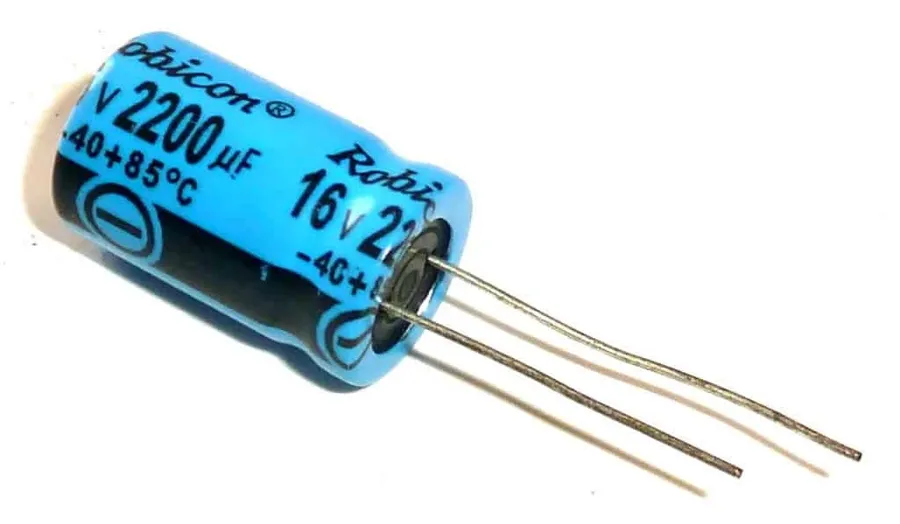
An electric capacitor is a fundamental electronic component designed to store electrical energy within an electric field. Its basic structure comprises two conductive plates, typically metal, separated by a non-conductive material known as a dielectric. This arrangement facilitates the accumulation of electric charge on the plates when a voltage is applied. The capacitor's ability to store charge is quantified by its capacitance, measured in farads, and is directly proportional to the charge stored and inversely proportional to the applied voltage.
The principle of capacitor operation is rooted in electrostatics. When a voltage source is connected across the capacitor, electrons are transferred from one plate to the other. This process continues until the potential difference across the capacitor matches the source voltage. Consequently, one plate accumulates excess electrons (negative charge), while the other becomes electron-deficient (positive charge). The dielectric material plays a crucial role by polarizing in response to the electric field, thereby increasing the capacitor's charge storage capacity and voltage rating. The energy is stored in the electric field created in the dielectric between the plates.
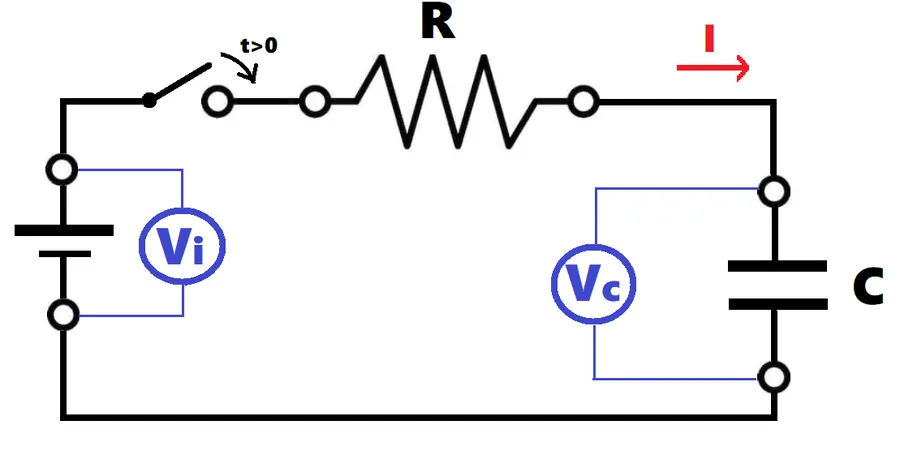
Capacitors store electrical energy by accumulating electric charges on their conductive plates, which are separated by a dielectric material. This process creates an electric field between the plates, effectively storing energy in the form of electrostatic potential. The dielectric material enhances this storage capacity by reducing the electric field strength for a given charge, allowing for more charge accumulation at the same voltage.
The amount of charge stored (Q) is directly proportional to the applied voltage (V) across the capacitor, with the proportionality constant being the capacitance (C), mathematically represented by the equation: Q = CV. This fundamental relationship underpins how capacitors function as energy storage devices within electrical circuits.
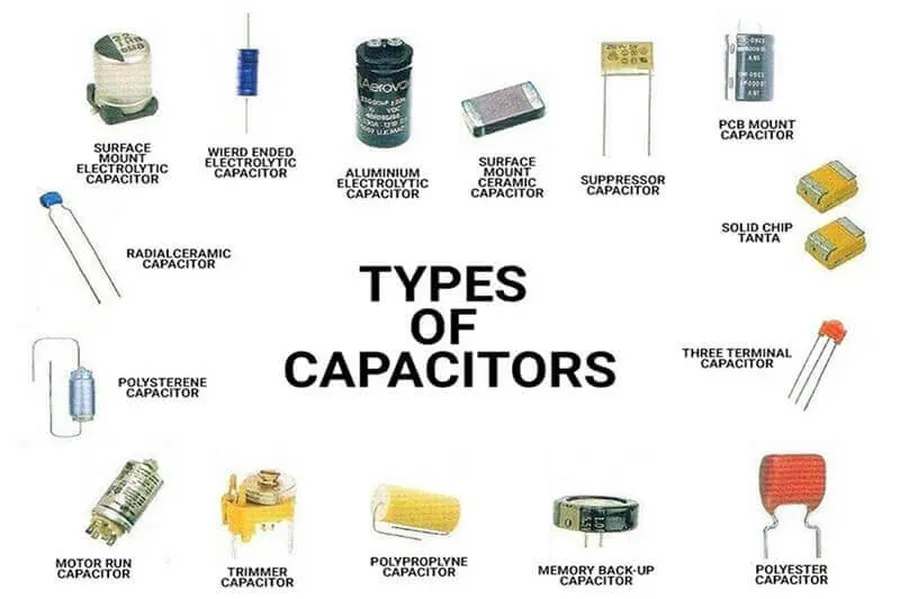
Electric capacitors are broadly categorized based on the dielectric material used between their conductive plates. This classification significantly impacts their performance characteristics, including capacitance, voltage rating, temperature stability, and physical size. Understanding these distinctions is crucial for selecting the appropriate capacitor for specific applications.
| Capacitor Type | Dielectric Material | Capacitance Range | Voltage Rating | Temperature Stability | Typical Applications | Advantages | Disadvantages |
|---|---|---|---|---|---|---|---|
| Ceramic Capacitors | Ceramic materials (e.g., barium titanate) | Picofarads (pF) to Microfarads (µF) | Low to High | Good | Bypass, coupling, decoupling in general circuits | Small size, low cost, good high-frequency performance | Temperature and voltage dependency, limited capacitance range |
| Electrolytic Capacitors | Oxide layer on metal (e.g., aluminum oxide, tantalum pentoxide) | Microfarads (µF) to Farads (F) | Low to Moderate | Moderate | Power supplies, energy storage, filtering | High capacitance, good energy density | Polarized, limited lifespan, higher equivalent series resistance (ESR) |
| Film Capacitors | Plastic films (e.g., polyester, polypropylene) | Picofarads (pF) to Microfarads (µF) | Moderate to High | Very good | High-frequency circuits, audio applications, power electronics | Good stability, low losses, various form factors | Larger size compared to ceramic capacitors |
| Supercapacitors (Ultracapacitors) | Porous carbon materials, metal oxides, or conductive polymers | Farads (F) to Kilofarads (kF) | Low | Moderate | Energy storage, power backup, regenerative braking | Very high capacitance, long cycle life, fast charging/discharging | Lower voltage rating, lower energy density compared to batteries |
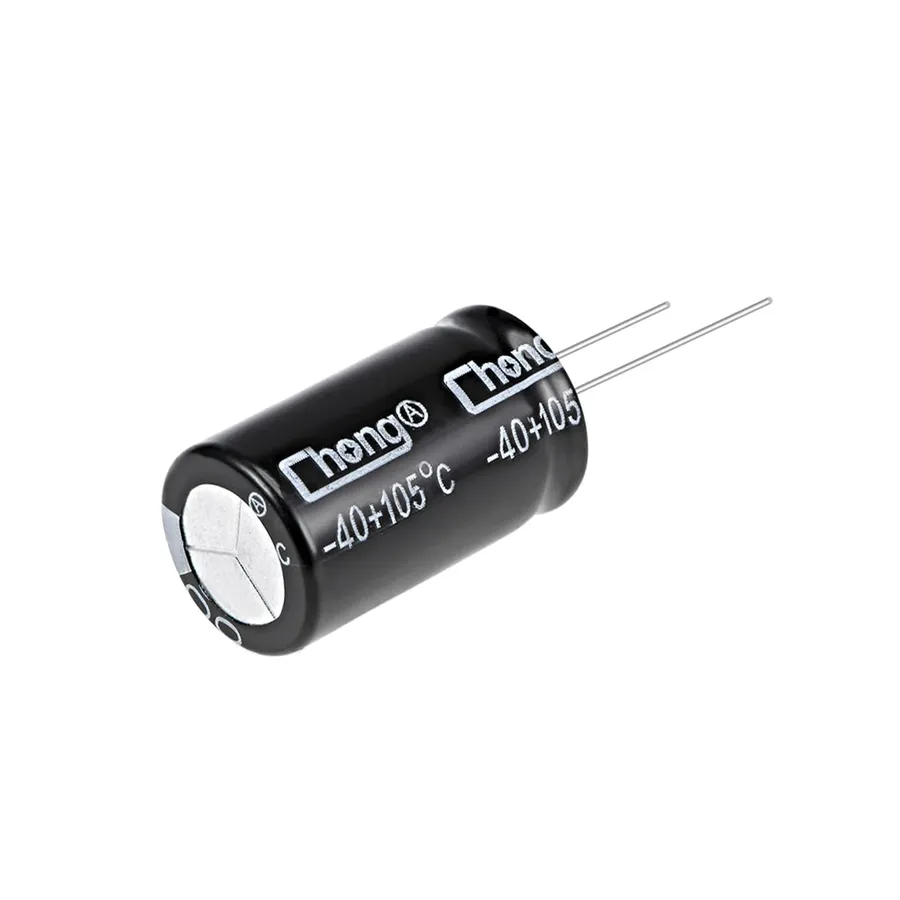
Electrolytic capacitors are a type of capacitor distinguished by their use of an electrolyte, which forms an extremely thin oxide layer acting as the dielectric. This unique construction enables them to achieve very high capacitance values compared to other types, making them prevalent in power supply applications and other circuits requiring substantial energy storage. The trade-off, however, includes limitations such as inherent polarity and a finite operational lifespan.
The core of an electrolytic capacitor lies in its construction: it utilizes a metallic anode material (such as aluminum or tantalum) which undergoes an electrochemical process to form a thin oxide layer. This oxide film serves as the dielectric. A liquid or solid electrolyte then makes contact with this oxide layer and the cathode, completing the capacitor's structure. The process of oxide layer formation allows for exceptionally thin dielectric layers, and thus higher capacitance per volume.
| Feature | Aluminum Electrolytic Capacitors | Tantalum Electrolytic Capacitors |
|---|---|---|
| Dielectric Material | Aluminum oxide (Al2O3) | Tantalum pentoxide (Ta2O5) |
| Capacitance Range | High (up to several farads) | Moderate (typically µF range) |
| Voltage Rating | Moderate (up to several hundred volts) | Moderate (up to a few hundred volts) |
| Polarity | Polarized (requires proper connection) | Polarized (requires proper connection) |
| ESR (Equivalent Series Resistance) | Moderate to High | Low |
| Lifespan | Limited by electrolyte evaporation | Generally longer than aluminum types |
| Temperature Stability | Moderate | Good |
| Cost | Lower | Higher |
Electrolytic capacitors are essential for smoothing and filtering in power supplies. Their high capacitance allows them to store significant charge, mitigating voltage ripples and stabilizing current flow. However, their polarized nature dictates their correct insertion into circuits, and reverse polarity connection can result in catastrophic failures. The limited lifespan stems from the electrolyte, which can dry or degrade with temperature and time.
In summary, while electrolytic capacitors offer high capacitance, it's essential to be aware of their polarity, limited lifespan, and temperature constraints. Careful design, component selection, and understanding their operational limitations are paramount in any circuit design that includes electrolytic capacitors.
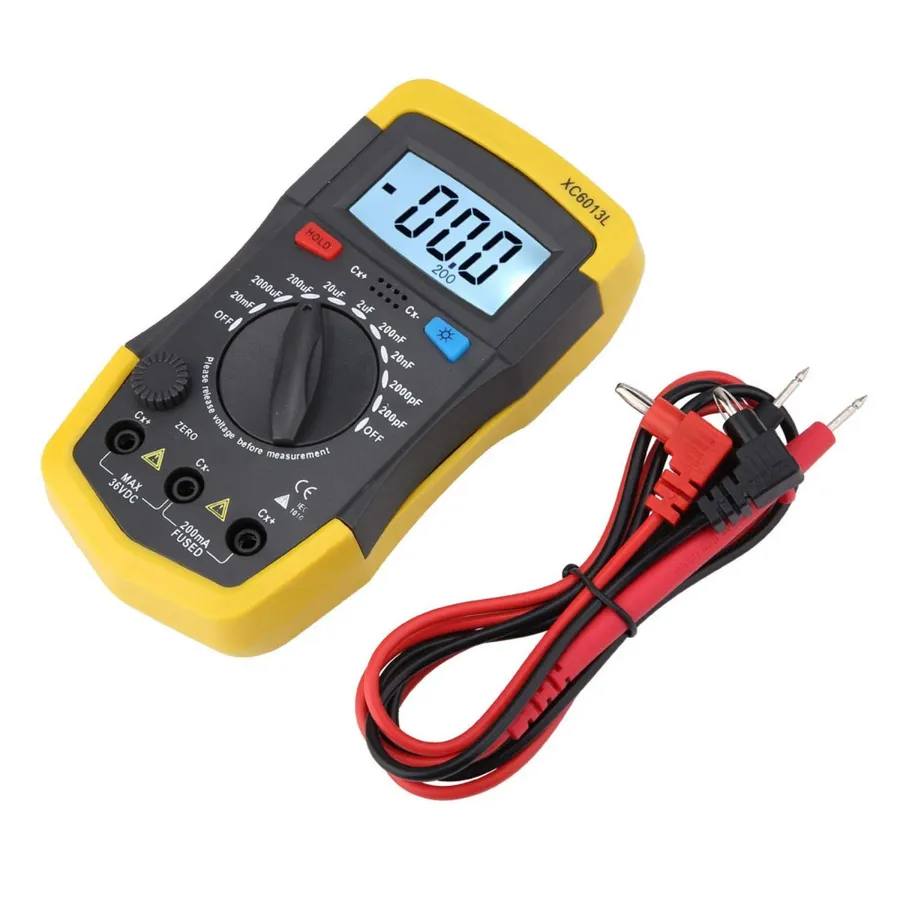
Selecting the appropriate capacitor for a specific application requires a thorough understanding of its key parameters: capacitance, voltage rating, and tolerance. These parameters dictate the capacitor's ability to store charge, its operational voltage limits, and the precision of its stated capacitance value.
| Parameter | Description | Unit | Significance |
|---|---|---|---|
| Capacitance (C) | The measure of a capacitor's ability to store an electrical charge. | Farad (F) | Determines the amount of charge stored for a given voltage; Higher capacitance implies greater charge storage capability. |
| Voltage Rating (V) | The maximum voltage that can be safely applied across the capacitor without risking dielectric breakdown or failure. | Volt (V) | Critical for preventing capacitor damage; exceeding voltage rating can lead to catastrophic failure. Choose a rating well above the expected maximum voltage in the circuit. |
| Tolerance (%) | The allowable deviation of the actual capacitance from the stated nominal value. | Percentage (%) | Indicates the accuracy of the capacitor's capacitance; tighter tolerance values lead to more predictable circuit behavior. It's crucial for precision applications where the exact capacitance is important. |
It is important to note that capacitance is measured in Farads, where one Farad represents a capacitor that stores one Coulomb of charge for every volt applied. However, a Farad is a very large unit, and most capacitors in practical electronics will have capacitance values in the microfarad (µF), nanofarad (nF), or picofarad (pF) range. The tolerance, often expressed as a percentage, provides insight into the acceptable variance in the actual capacitance from its nominal value, and designers must account for this variation during circuit design to ensure stable performance.
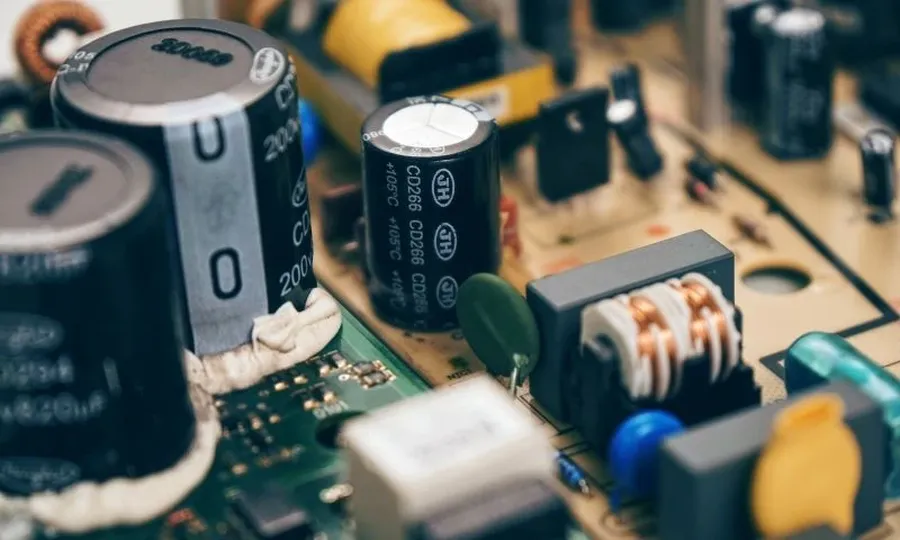
Electric capacitors are indispensable components in modern electronics, serving diverse functions from basic filtering to sophisticated energy storage solutions. Their ability to store and release electrical energy rapidly makes them vital across numerous industries.
The diverse applications of capacitors are not limited to these, they play crucial roles in a wide range of other scenarios across different industries.
| Industry | Application | Specific Use Case |
|---|---|---|
| Electronics | Signal Processing | Filtering unwanted noise in audio amplifiers. |
| Power Supplies | Voltage Regulation | Smoothing rectified DC voltage in power adapters. |
| Automotive | Hybrid Vehicle Systems | Providing temporary high power bursts for acceleration, regenerative braking. |
| Renewable Energy | Grid Stabilization | Smoothing power fluctuations from solar panel and wind turbine output. |
| Telecommunications | Signal Coupling | Blocking DC components in audio signals for clearer transmission. |
| Medical Devices | Energy Storage | Providing rapid bursts for defibrillators and imaging equipment. |
Capacitor failures can disrupt circuit functionality and lead to system malfunctions. Understanding the common causes of these failures and implementing effective troubleshooting methods are essential for maintaining the reliability of electronic devices. This section explores the primary failure modes of capacitors and provides practical guidance for identifying and preventing such issues.
Troubleshooting a faulty capacitor typically involves examining the capacitor, ideally while not powered, for physical signs of damage. These signs may include swelling, bulging, or leakage of electrolyte from the capacitor body. It's crucial to use a multimeter to measure capacitance and ESR to verify a capacitor’s electrical properties. If these measurements do not match the datasheet's expected value, the capacitor should be replaced.
Prevention of capacitor failures includes operating capacitors within their specified voltage and temperature ranges, ensuring proper polarity for electrolytic types, and using adequate cooling mechanisms to prevent overheating. Selecting capacitors with appropriate voltage and temperature ratings for the intended application is also crucial for long-term reliability. Regular inspection of capacitors in systems, especially within high-stress conditions, can help to detect failures before they become critical.
This section addresses common inquiries about electric capacitors, providing clear and concise answers to enhance understanding of their function, behavior, and applications. The following FAQs address the core concepts related to capacitors to offer a comprehensive guide.
The field of capacitor technology is undergoing rapid evolution, driven by the increasing demand for higher energy densities, faster charging times, and improved reliability in electronic devices and power systems. This section explores the most promising emerging trends and innovations shaping the future of capacitor technology.
Supercapacitors, also known as ultracapacitors or electrochemical double-layer capacitors (EDLCs), represent a significant advancement in energy storage. They bridge the gap between traditional capacitors and batteries, offering higher energy densities compared to conventional capacitors and higher power densities than batteries. Their ability to charge and discharge rapidly makes them ideal for applications requiring short bursts of energy.
Advancements in materials science play a crucial role in pushing the boundaries of capacitor performance. The development of new dielectric materials with higher permittivities and lower losses is key to achieving greater capacitance and improved efficiency. Researchers are exploring nanomaterials, such as graphene and carbon nanotubes, to create electrodes with higher surface areas and enhanced conductivity, resulting in improved energy storage capabilities.
Manufacturing techniques are also evolving, with the aim of producing capacitors that are more compact, cost-effective, and environmentally friendly. Novel deposition and printing methods are being explored to create thin-film capacitors with precise control over their dimensions and properties. These advancements will enable the integration of capacitors into smaller, more complex electronic devices, contributing to the miniaturization of technology.
Looking ahead, the future of capacitor technology is closely linked to the growing needs of sustainable energy and transportation. Supercapacitors are expected to play a vital role in electric vehicles, hybrid systems, and renewable energy storage. They can provide fast and efficient energy storage solutions for regenerative braking, peak power delivery, and grid stabilization. The continued development of innovative capacitor technologies will significantly impact the landscape of energy storage, powering our future.
In summary, electric capacitors are fundamental to modern technology, acting as miniature energy reservoirs that enable countless electronic functions. From storing charge to filtering signals, their influence spans across various industries. Understanding the principles, types, and practical applications of electric capacitors empowers us to appreciate the subtle yet indispensable role they play in our daily lives and in the future of innovation. Further research and development in capacitor technology will continue to drive advancements in energy storage, electronics, and beyond.

