In the realm of electronics, diodes are fundamental building blocks, and the FR107 diode stands out for its fast recovery capabilities. Just as the development of faster transportation revolutionized how we move, fast recovery diodes like the FR107 are critical in modern power electronics, ensuring efficient conversion of alternating current to direct current. This guide delves into the world of the FR107, explaining its specifications, uses, and how it compares to other common rectifier diodes, making complex concepts easy to grasp for everyone, whether you are an engineer or a hobbyist.
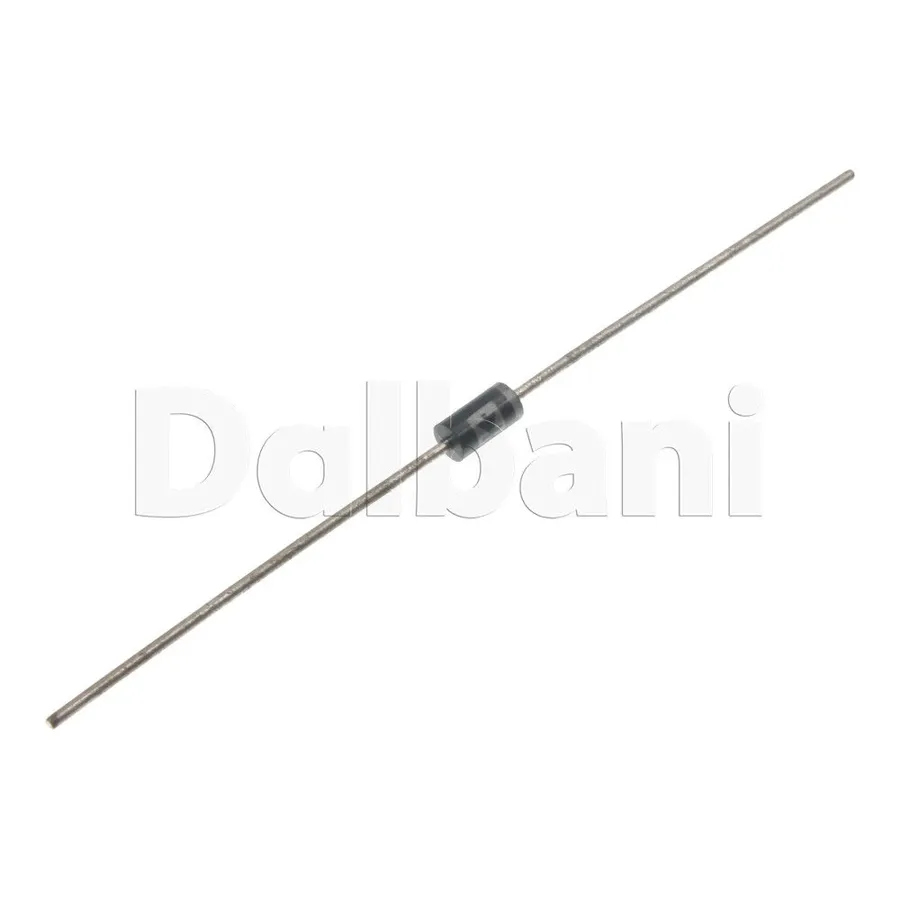
The FR107 is a fast recovery rectifier diode, crucial for efficiently converting alternating current (AC) to direct current (DC). Its fundamental function is to act as a one-way valve for electrical current, facilitating flow in the forward direction while effectively blocking it in the reverse direction. This characteristic makes it indispensable in numerous electronic circuit designs where controlled rectification is needed.
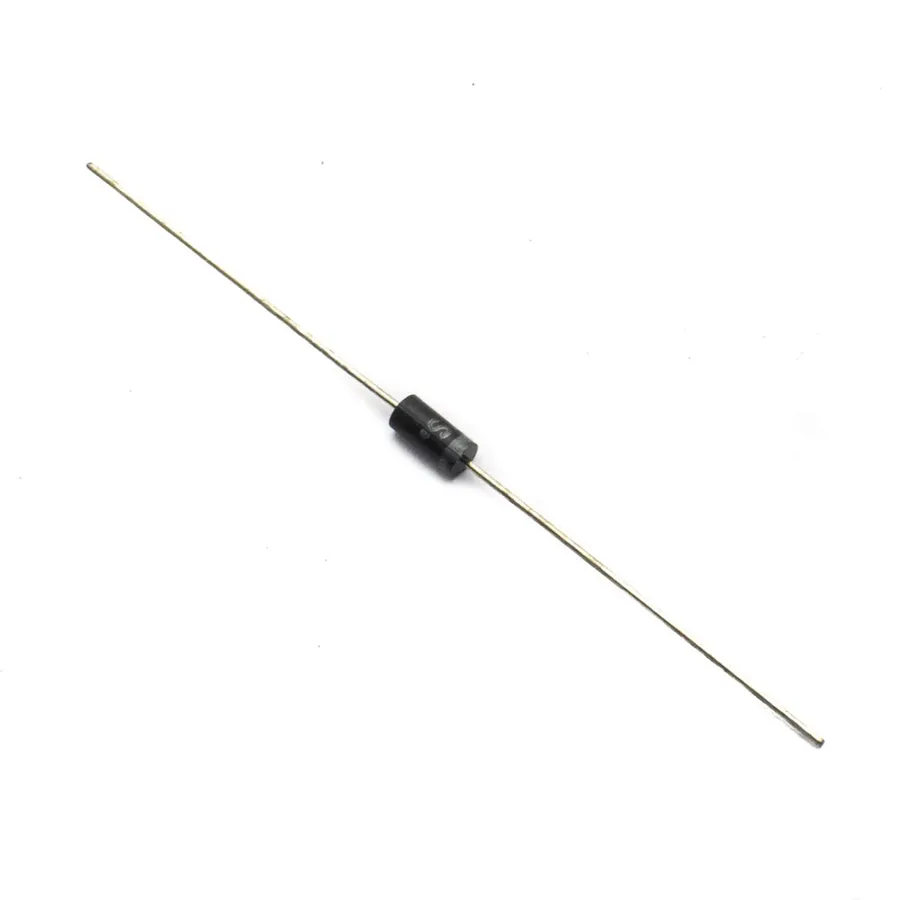
The FR107 diode is characterized by several critical specifications that dictate its performance in electronic circuits. These specifications include its voltage handling capabilities, current carrying capacity, and, most notably, its fast recovery time. Understanding these parameters is essential for proper circuit design and application.
| Parameter | Typical Value | Description |
|---|---|---|
| Maximum Repetitive Peak Reverse Voltage (VRRM) | 1000V | The maximum reverse voltage the diode can withstand repeatedly without damage. |
| Maximum Average Forward Rectified Current (IF(AV)) | 1A | The maximum average forward current the diode can handle continuously. |
| Peak Forward Surge Current (IFSM) | 30A | The maximum non-repetitive peak current the diode can handle for a short duration. |
| Typical Forward Voltage Drop (VF) | 1.3V at 1A | The voltage drop across the diode when conducting forward current. |
| Typical Reverse Recovery Time (Trr) | 150-500 ns | The time it takes for the diode to switch from conducting to blocking state, a key feature of fast recovery diodes. |
| Operating Temperature Range | -65°C to +150°C | The range of ambient temperatures within which the diode can function without damage. |
| Storage Temperature Range | -65°C to +175°C | The range of temperatures the diode can be stored at without degradation. |
These specifications are crucial for selecting the appropriate diode for a given application. Exceeding the specified limits can lead to diode failure and circuit malfunction. Notably, the fast recovery time of the FR107 makes it suitable for high-frequency applications where traditional rectifier diodes would be too slow.
The FR107 diode's fast recovery characteristic makes it exceptionally suitable for applications demanding rapid switching and minimal power loss. Its capabilities are particularly beneficial in circuits where efficiency and speed are paramount.
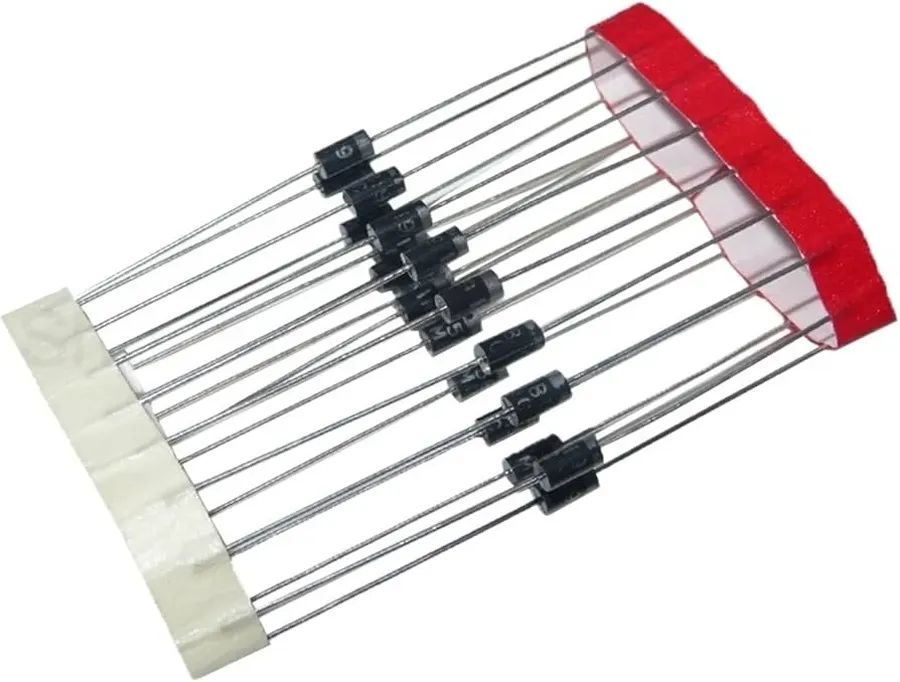
The FR107 and 1N4007 are both rectifier diodes, but they differ significantly in their performance characteristics, making each suitable for distinct applications. The FR107 is a fast recovery diode, while the 1N4007 is a standard rectifier. This section provides a detailed comparison of their key specifications to aid in selecting the appropriate diode for your specific circuit design needs.
| Feature | FR107 | 1N4007 |
|---|---|---|
| Maximum Repetitive Peak Reverse Voltage (V_RRM) | 1000V | 1000V |
| Maximum Average Forward Rectified Current (I_F(AV)) | 1A | 1A |
| Peak Forward Surge Current (I_FSM) | 30A | 30A |
| Typical Reverse Recovery Time (t_rr) | 150-500 ns | 2-3 μs (microseconds) |
| Maximum Forward Voltage Drop (V_F) | 1.7V | 1.1V |
| Operating Temperature | -55°C to +150°C | -55°C to +150°C |
| Junction Temperature | 175 °C | 175 °C |
| Typical Application | Switching power supplies, high-frequency rectification | General-purpose rectification, low-frequency applications |
The most crucial difference lies in their reverse recovery time (t_rr). The FR107's significantly faster recovery makes it ideal for high-frequency applications where efficiency is paramount. The 1N4007, with its slower recovery, is more suitable for standard rectification where switching speeds are not critical.
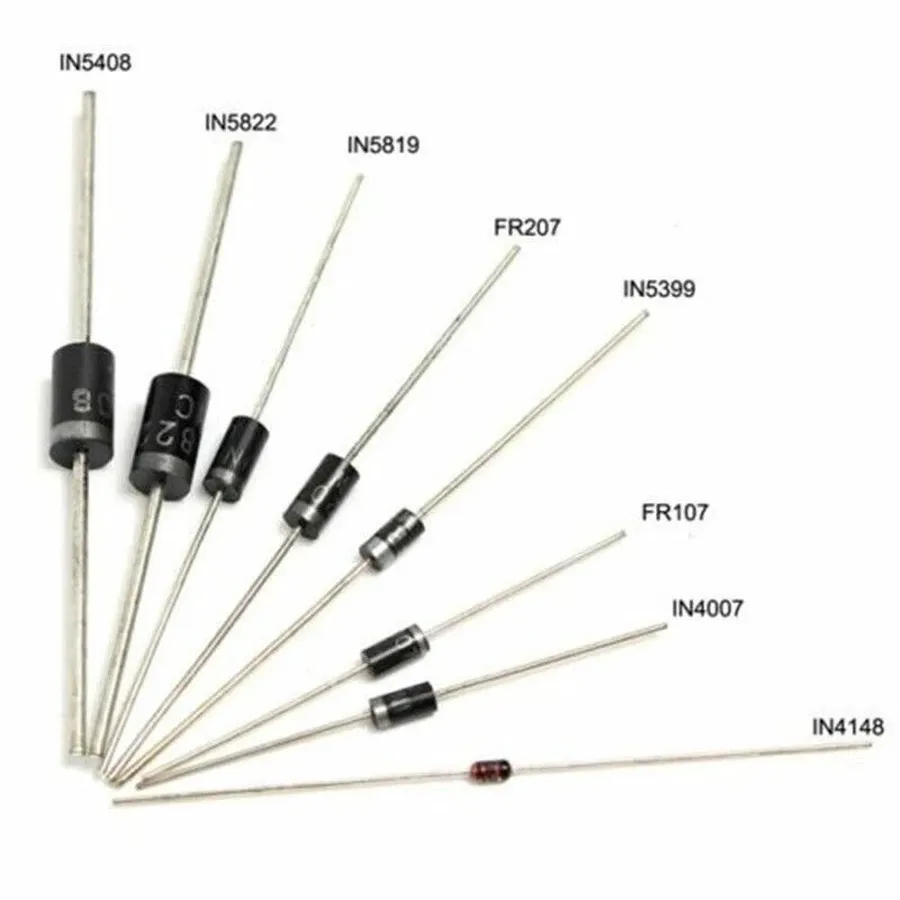
The FR107 diode, essential for fast recovery rectification, is characterized by its specific pin configuration and physical attributes, which are critical for proper circuit integration and function. The diode's axial DO-41 package and its distinct anode and cathode terminals facilitate correct mounting and electrical connection.
| Characteristic | Description |
|---|---|
| Package Type | DO-41 Axial |
| Pinout | Anode (typically unmarked end) and Cathode (end marked with a band) |
| Lead Material | Tin-plated Copper |
| Body Material | Molded Plastic |
| Body Dimensions (Approximate) | 2.0 - 2.7 mm diameter, 5.2 - 6.2 mm length |
| Lead Diameter (Approximate) | 0.7 - 0.8 mm |
The DO-41 package is designed for through-hole mounting, making it easy to solder onto PCBs or connect via wire. The cathode is visually identified by a band, usually silver or white, printed near the lead end. Correct polarity is crucial; otherwise, the circuit may not function correctly, and the diode might fail.
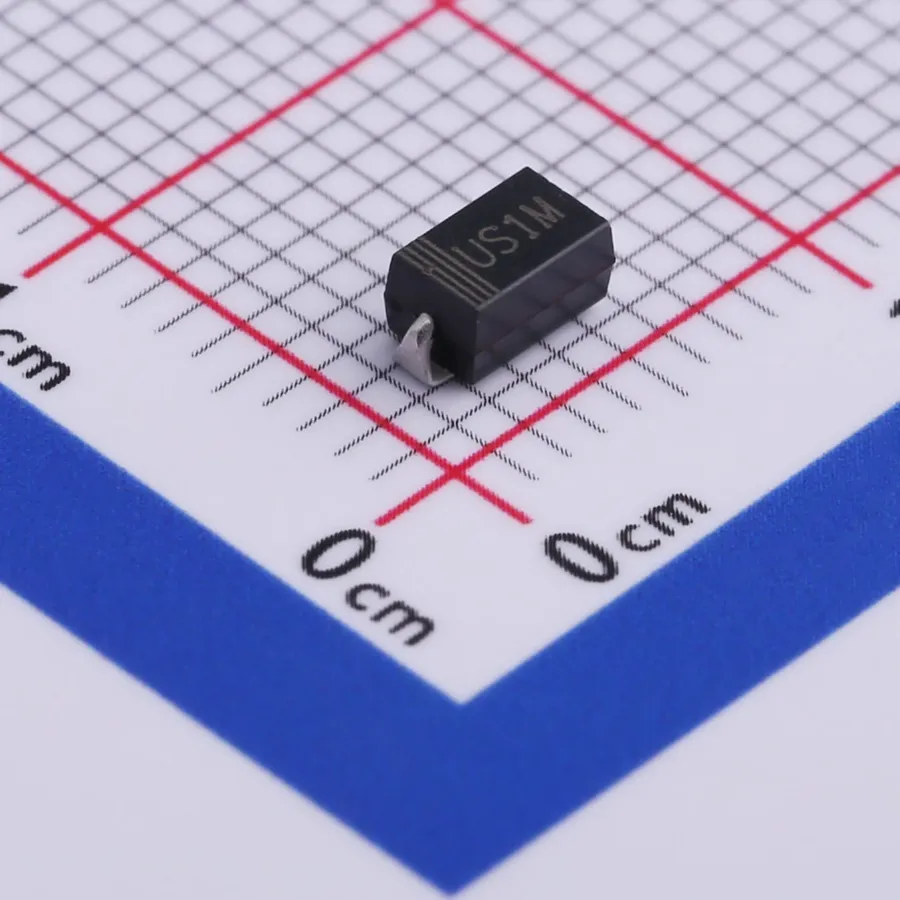
When the FR107 diode is not readily available, several equivalent diodes can serve as suitable replacements. These alternatives offer similar electrical characteristics, enabling designers to maintain circuit performance with minimal adjustments. Understanding these options is crucial for ensuring project continuity and efficient component sourcing.
| Equivalent Diode | Forward Current (A) | Peak Reverse Voltage (V) | Recovery Time (ns) | Package |
|---|---|---|---|---|
| PR1007G | 1 | 1000 | 200-500 | DO-41 |
| HER107 | 1 | 1000 | 75 | DO-41 |
| UF4007 | 1 | 1000 | 75 | DO-41 |
| RL207 | 2 | 1000 | 500 | DO-15 |
When selecting a substitute, consider the following factors to ensure compatibility and performance: * **Forward Current:** Ensure the replacement diode meets or exceeds the required forward current of the FR107. * **Peak Reverse Voltage:** The substitute diode should have a peak reverse voltage rating equal to or greater than the FR107. * **Recovery Time:** For high-frequency applications, select a diode with a recovery time comparable to or faster than the FR107. Slower recovery times may lead to efficiency losses and increased heat generation. * **Package Type:** Confirm that the replacement diode's package type is compatible with the circuit board's design. The FR107 typically comes in a DO-41 axial package. * **Operating Temperature:** Verify that the replacement diode can operate within the temperature range of your application.
This section addresses common questions regarding the FR107 diode, focusing on its fast recovery capabilities, suitable applications, and comparison with standard diodes. We aim to provide clear and concise answers to help users understand the nuances of using the FR107 effectively.
Proper implementation of the FR107 diode requires careful consideration of several key factors to ensure optimal performance and reliability. This section offers practical advice on heat management, voltage regulation, and effective troubleshooting.
The FR107 diode, a fast recovery rectifier, plays a vital role in efficiently converting AC to DC in various electronic applications. Understanding its specifications, applications, and how it compares to other diodes such as the 1N4007, will empower you to build better circuits. Whether designing a power supply or an inverter, the FR107's fast recovery time is an important advantage to consider. Choosing the right diode can significantly impact the efficiency and reliability of your electronic devices. By applying the insights and practical tips offered in this guide, you'll be well-equipped to utilize the FR107 effectively in your projects.

