Get Your Instant PCB Assembly Quote: A Comprehensive Guide
2025.01.04
In today's fast-paced electronics industry, obtaining a precise PCB assembly quote is crucial for project planning and budget management. Just as a perfectly orchestrated symphony depends on each instrument, every component in PCB assembly must come together seamlessly. This article guides you through the process of acquiring accurate quotes, ensuring your project stays on track and within budget, offering insight and practical tips for success. [PCB assembly quote]
Understanding PCB Assembly Quote Basics
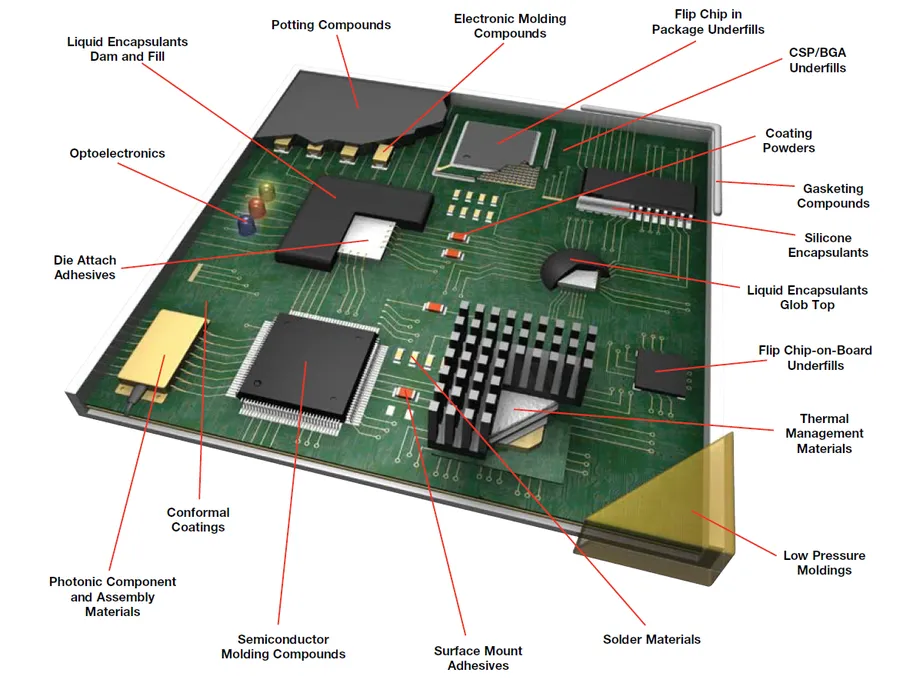
Assembled PCB
A PCB assembly quote is an estimate of the cost to populate a bare printed circuit board (PCB) with electronic components. These quotes are influenced by several core factors, including the board's complexity, the types of components used, and the total volume of boards required. A thorough understanding of these elements is essential for obtaining accurate and competitive pricing.
Key factors affecting a PCB assembly quote are:
Board Complexity This includes the number of layers, the size of the board, the density of components, and the complexity of the routing. More complex boards generally require more time and resources to assemble.
Component Types The cost of components varies greatly. Common components like resistors and capacitors are typically less expensive than specialized integrated circuits or connectors. The method of placement (surface mount vs. through-hole) and component packaging can also impact the quote.
Assembly Volume The number of boards being assembled is a crucial factor. Larger volumes generally result in lower per-unit costs due to economies of scale. A single board may be considerably more expensive than an assembly run of 1000.
Assembly Process The type of assembly process used, whether it be fully automated, manual, or a hybrid of both, will influence costs. Automated processes are typically more efficient for large runs but may not be suitable for all board types.
Special Requirements Any special requirements like conformal coating, testing, specific solder types, or special packing will all influence the cost of the quote.
Factors Affecting PCB Assembly Costs
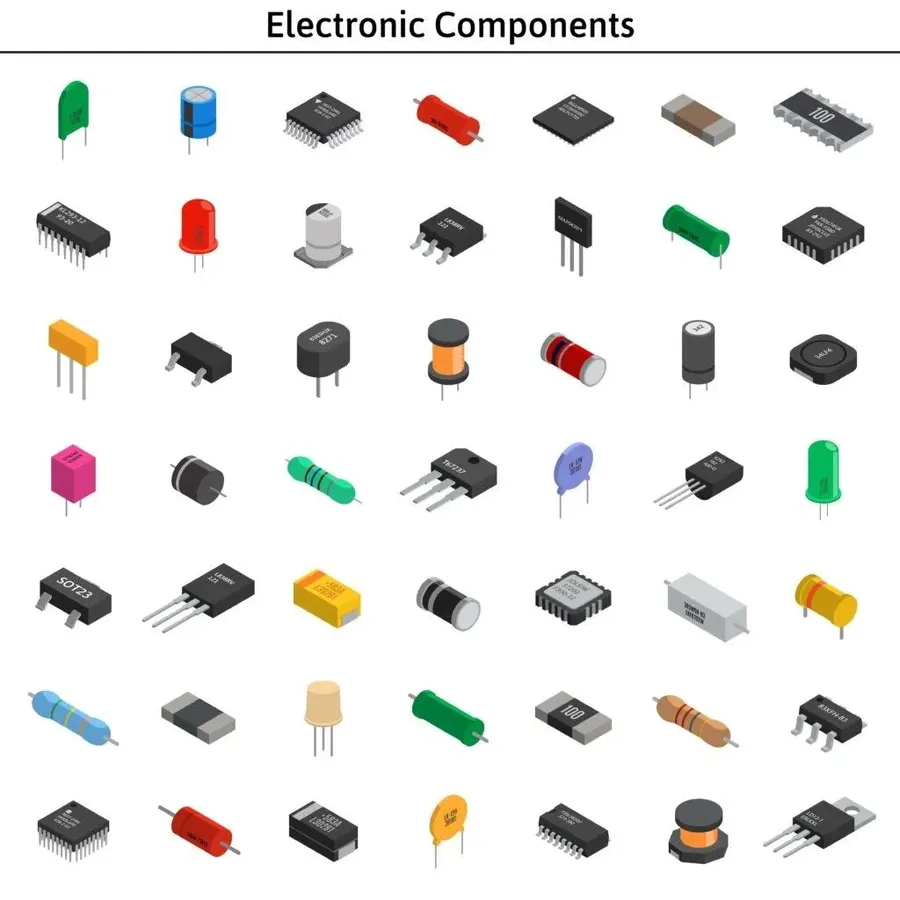
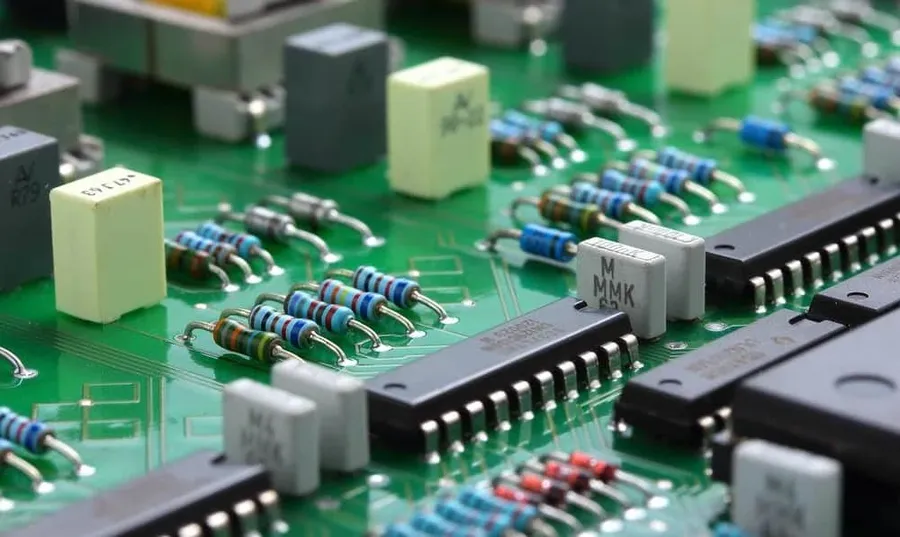
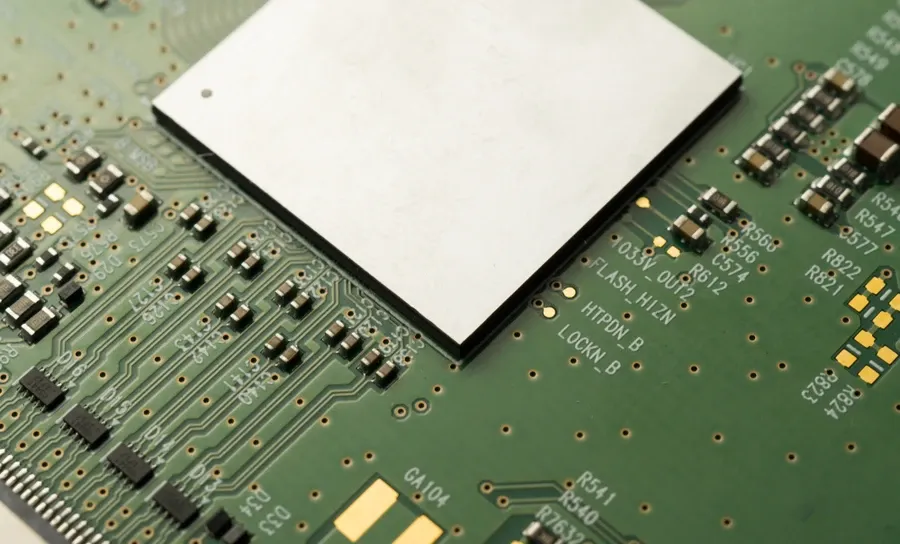
SMT Components on PCB
Understanding the multifaceted nature of PCB assembly costs is crucial for effective budgeting and project planning. These costs are influenced by a variety of factors, ranging from the physical characteristics of the board to the complexities of the assembly process. By carefully considering these elements, designers and project managers can optimize their approach and potentially reduce overall expenses.
Material Costs The type and quality of materials used in PCB fabrication and assembly directly impact cost. This includes the base substrate material (e.g., FR-4, aluminum), the type of solder mask, and the finish applied to the board. The choice of components, from standard resistors and capacitors to complex integrated circuits, greatly affects total material cost.
Board Complexity The complexity of a PCB design plays a significant role in determining assembly cost. Factors like the number of layers, the density of components, the type of vias (through-hole, blind, buried), and the size of the board all contribute to assembly difficulty and cost. More intricate designs typically require more precise and time-consuming assembly processes.
Component Type and Quantity The type and quantity of components significantly impact assembly costs. Surface Mount Devices (SMD) and Through-Hole components require different assembly processes. Specialized components such as BGAs and fine-pitch ICs require advanced assembly techniques and higher accuracy, which increase costs. Higher volumes of components will also naturally increase the overall material and labor costs.
Assembly Volume The quantity of PCBs being assembled has a direct impact on the cost per board. Larger production runs often benefit from economies of scale, reducing the per-unit cost due to efficiency gains in set up and production runs. Conversely, smaller volume runs tend to be more expensive per unit because of setup and minimum charge overhead.
Manufacturing Processes The specific manufacturing processes used for PCB assembly directly influence costs. SMT assembly, through-hole assembly, wave soldering, reflow soldering, pick-and-place operations, and testing are all part of the process. The complexity and automation level of these processes will affect the cost. For example, manual assembly will be more expensive for small volume prototypes, whereas automated lines are more efficient for larger production runs.
Labor Costs Labor costs are a substantial part of the overall cost of PCB assembly. These costs are affected by the level of automation and the complexity of the design, which in turn influence the time spent by technicians on the assembly process. Locations with higher labor costs, particularly in countries with strong labor unions or highly skilled work forces, can also push the cost up.
Testing and Quality Control The level of testing and quality control implemented significantly contributes to the overall cost. Functional testing, in-circuit testing, and automated optical inspection (AOI) all add costs, but ensure the quality and reliability of the assembled PCBs. The complexity of the tests required and the degree of inspection demanded will influence the final cost.
How to Get an Accurate PCB Assembly Quote Online
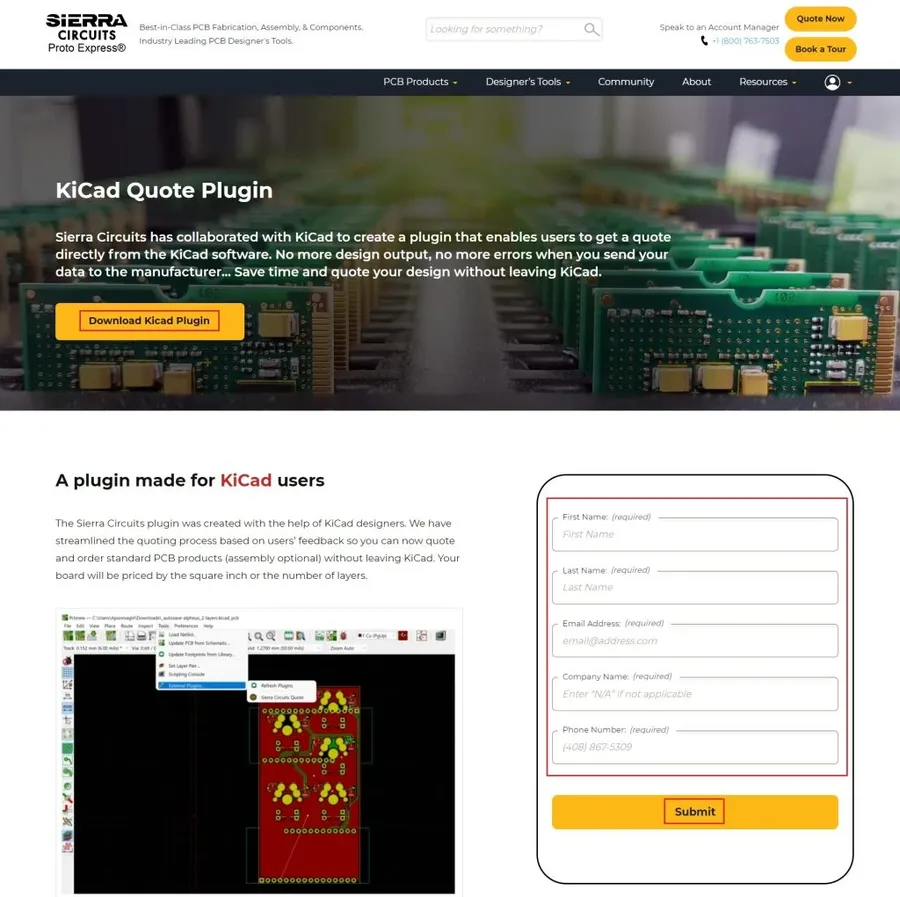
Online PCB Quote Platform
Obtaining an accurate PCB assembly quote online involves a systematic process that ensures all relevant factors are considered. This allows for realistic budgeting and project planning. Utilizing online tools effectively requires careful preparation and attention to detail, from uploading design files to specifying precise assembly needs.
Prepare Your Design Files Before requesting a quote, ensure your PCB design files are complete and in the correct format (Gerber, ODB++, etc.). Include all necessary files, such as drill files, bill of materials (BOM), and pick-and-place files. These files are essential for the assembly provider to understand the design and component requirements.
Select Your Assembly Requirements Carefully define your assembly requirements such as the type of assembly (SMT, through-hole, mixed), number of layers, solder paste requirements, and testing procedures. Specifying these requirements clearly helps to minimize errors and reduces the chances of needing revisions in the quoting process.
Upload Your Files to the Online Tool Most online quote tools provide an intuitive interface for uploading design files. Follow the tool's instructions closely to upload all files correctly. Double-check that the uploaded files correspond to the requirements.
Specify Material Preferences Clearly specify any preferred material or component manufacturer where relevant. This may include PCB material, solder paste, and surface finish requirements. Be as precise as possible to ensure accurate pricing.
Provide Accurate Quantity State the exact number of PCBs you require to be assembled. Prices are highly dependent on volume, with large orders typically having lower per-unit cost compared to lower quantities. If unsure, ask for a quote on different quantity ranges.
Review and Confirm Your Quote Before finalizing the quote, carefully review all the details, including the calculated cost, lead time, and assembly specifications, as some online tools might make assumptions if there is any missing data. Confirm everything is as per your requirement to avoid any issues down the line.
Comparing Different PCB Assembly Quote Providers
Multiple PCB Suppliers
Selecting the right PCB assembly provider is crucial for project success. Different providers offer varying strengths and weaknesses, particularly in terms of pricing, quality, turnaround time, and customer support. A thorough comparison is essential to ensure that your specific needs are met effectively and efficiently.
Pricing Structures Providers may use different methods for quoting, such as per-board pricing, per-component pricing, or fixed lot charges. Understand these structures to evaluate costs accurately. Consider whether prices are all-inclusive, or if there are hidden charges for tooling, setup or testing. Investigate if bulk discounts are available.
Quality Standards and Certifications Assess the providers' quality control processes. Check if they adhere to industry certifications like ISO 9001 or IPC standards. Ensure that materials and processes are suitable for the intended operating environment of the product.
Turnaround Times Turnaround times may differ based on the complexity of the job, location and order size. Some providers specialize in quick-turn services, while others focus on larger-scale production with more extended timelines. Understanding these timelines is important for aligning with project deadlines.
Customer Support and Communication Efficient communication and good support are necessary, as issues can arise during the assembly process. The provider should be responsive to queries and be able to offer timely solutions. Consider the ease of communication, response times, and if there is dedicated project management assistance.
Geographic Location and Shipping Options Evaluate the provider's location, which may impact shipping times and costs. Domestic and overseas options exist, each with their own advantages and disadvantages, considering import duties, and international logistics.
Value-Added Services Assess if the provider offers additional services, like design for manufacturing (DFM) checks, component sourcing, testing, and programming. These can simplify the process and enhance efficiency.
Choosing the Right PCB Assembly Service for Your Project
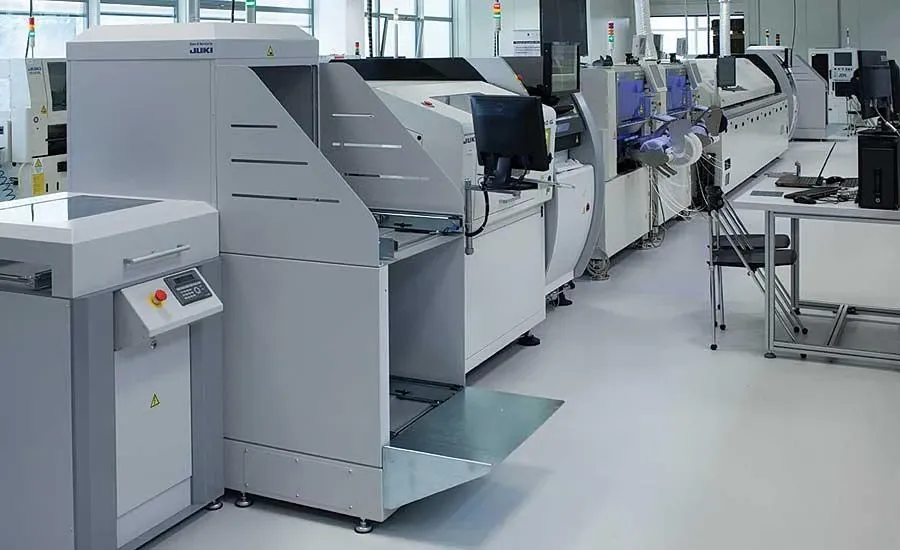
PCB Assembly Line
Selecting the ideal PCB assembly service hinges on a careful evaluation of your project's specific demands and budgetary constraints. This choice is not merely about finding the lowest price; it's about identifying a partner that can consistently deliver quality, reliability, and adherence to your unique requirements.
Project Complexity Assess the complexity of your PCB design, including the number of layers, component types (SMT vs. through-hole), and density. More complex designs may require more specialized equipment and expertise, potentially narrowing down suitable service providers.
Assembly Volume Determine the number of PCBs you need assembled. Some services specialize in prototyping and small batches, while others are equipped for large-scale production. Volume significantly impacts cost and lead times.
Component Sourcing Consider whether the service offers component sourcing or if you will be providing your own. Full turnkey services can simplify the process, but may come with a higher price point.
Turnaround Time Evaluate the required turnaround time. Projects with tight deadlines may necessitate a premium service with expedited assembly options. This includes understanding the difference between quote times and actual assembly times.
Quality Standards and Certifications Look for providers with industry certifications (e.g., ISO 9001, IPC standards) that demonstrate their commitment to quality and process control. Review customer reviews and testimonials to gauge reliability.
Budget Define your budget upfront and seek providers that fit within your financial constraints. Remember to factor in potential costs beyond assembly, such as design for manufacturing (DFM) analysis, testing, and shipping.
Communication and Support Assess the provider's responsiveness and communication channels. Good customer support is essential for resolving any issues that might arise during the assembly process.
Frequently Asked Questions About PCB Assembly Quotes
This section addresses common questions regarding PCB assembly quotes, providing clarity on cost estimation and factors that influence pricing. Understanding these aspects is crucial for effective project planning and budget management. These answers will delve into the underlying principles, ensuring accurate cost evaluation for your PCB assembly needs.
How can I accurately estimate PCB assembly costs? Estimating PCB assembly costs involves considering several key factors. The first principle is to understand that cost is driven by complexity, volume, and materials. Analyze your PCB design for the number of layers, component count, type of components (SMD vs. through-hole), and required assembly processes. Component costs, material costs (like PCB substrate), and labor costs are significant drivers. Request quotes from multiple providers, providing detailed specifications for accurate comparisons. Some online tools can give initial estimates but always verify those estimates with a manual check based on all design details. The final price should reflect the total cost including parts, assembly, and testing.
What is the typical cost range for PCB assembly? The cost to assemble a PCB varies significantly based on complexity, volume, and service provider. There isn't a 'typical' price, but a range based on project scale can be useful. For small, simple boards assembled in low volume, costs may range from a few dollars to a few tens of dollars per board. As board complexity and volume increase, per-board costs decrease due to economies of scale, but the overall cost rises. For large production runs or highly complex boards with fine-pitch components, per board costs can range to several tens or even hundreds of dollars. It's imperative to get specific quotes based on your design rather than relying on generalized prices.
What factors contribute to higher PCB assembly costs? Several factors can lead to higher PCB assembly costs. Firstly, complex designs with many layers or fine-pitch components increase assembly difficulty, requiring specialized equipment and skills. Secondly, component availability and sourcing challenges impact prices if scarce or specialized parts are used. Thirdly, labor costs associated with manual or intricate assembly procedures add to the overall cost. Lastly, stringent testing or quality requirements necessitate more comprehensive processes, increasing expense. Other factors can include the cost of materials (like the substrate material), the assembly method (SMT, through-hole, or mixed), and any special handling or requirements like conformal coating.
Why does PCB assembly seem so expensive? PCB assembly can seem expensive due to the intricate and precise nature of the process. It's not merely about placing components; it includes material costs, high-precision equipment utilization, and the skilled labor required to operate these machines and inspect the assembled boards. The cost is further influenced by the high setup costs for small-batch production, where each setup may involve considerable engineering effort. The use of automated assembly equipment involves high capital investment, which is factored into the service costs. Component costs can vary significantly, particularly with specialized or hard-to-find components which also adds to the expense. Finally, the cost associated with rework and testing adds up, ultimately contributing to the perceived high price of PCB assembly.
Are there ways to reduce PCB assembly costs? Yes, there are several effective strategies to reduce PCB assembly costs. Simplifying your PCB design by reducing the number of layers, opting for common component footprints, and minimizing component count can substantially reduce complexity and therefore cost. Choosing cost-effective component alternatives and considering readily available, standard parts lowers the overall cost. Consolidating orders and designing for manufacturability can minimize setup costs and production time. It also can be helpful to choose an assembly service that specializes in your project's scale, whether it is small volume prototypes, or large-scale runs. Proper planning and design reviews can minimize errors and rework, thus reducing unexpected expenses.
How does volume affect the cost of PCB assembly? Volume has a significant impact on PCB assembly costs due to economies of scale. As production volume increases, the per-unit cost typically decreases. The initial setup costs for machinery, stencils, and programming are distributed over a greater number of units. Also, the cost per component is often reduced when purchased in bulk. Automated assembly processes are more cost-effective for larger volumes because their high initial cost is offset by the large number of assemblies produced. However, even for low volume, it is important to evaluate your costs per unit based on how many units you purchase. If you need to purchase 10 boards now, and another 10 in a few weeks, it is likely cheaper to purchase all 20 at once.
What is included in a typical PCB assembly quote? A detailed PCB assembly quote should include several key elements. This includes the cost of the bare PCBs themselves, the cost of all components required to populate the board, the labor cost for the assembly process including pick-and-place and soldering, any cost for testing, and any costs for specialized procedures like conformal coating. Some quotes may additionally include costs for setup and handling. A comprehensive quote provides a detailed breakdown of these costs, allowing transparency and ensuring that you know what you are paying for. The quote should clearly identify each major item along with sub-components to avoid hidden or unexpected costs later on in the process. This transparency ensures clarity and accurate budgeting for PCB assembly.
Tips for Reducing Your PCB Assembly Costs
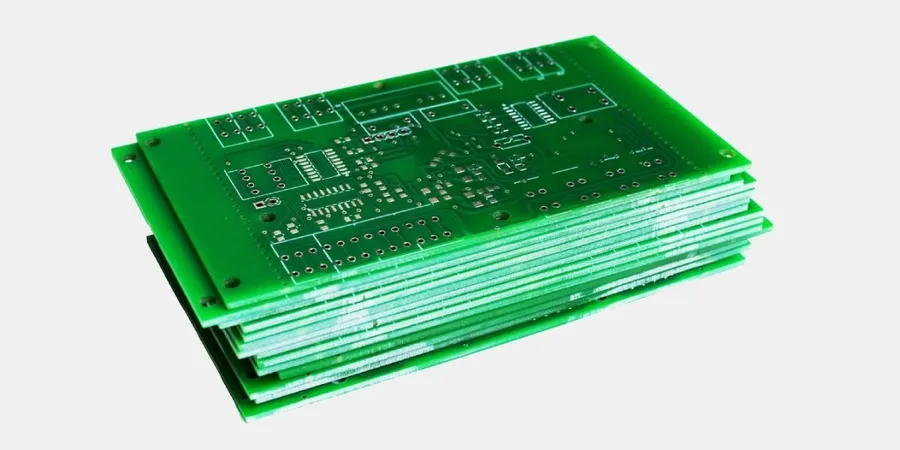
Unpopulated PCB
Reducing PCB assembly costs requires a multifaceted approach, encompassing design choices, component selection, and procurement strategies. By strategically addressing each of these areas, you can significantly lower the overall expenses associated with bringing your electronic product to market.
Optimize Your PCB Design A well-optimized design can dramatically reduce assembly costs. This includes minimizing board layers, using standard component footprints, and reducing the number of unique parts. A simpler design is generally cheaper to manufacture and assemble.
Standardize Component Selection Choosing common, readily available components reduces costs. Avoid using rare or obsolete parts, which can be more expensive and harder to source. When possible, select components from the same manufacturer to simplify purchasing. Standardizing your component selection across projects can lead to volume discounts.
Consolidate Orders Ordering larger quantities often results in lower per-unit costs. If possible, consolidate your orders to achieve economies of scale. Consider using panelization of your PCB design (having multiple boards within a larger PCB unit) to reduce costs and increase production efficiency.
Utilize Online Quote Tools Effectively Online PCB assembly quote tools can help you quickly compare different providers and identify the most cost-effective options. Carefully review the options, upload accurate files, and clearly specify your requirements to avoid potential additional costs due to errors or miscommunication.
Consider Lead Times If your project allows, longer lead times often equate to lower costs. If you need quick turnarounds, expect to pay a premium. Plan your project timeline carefully and avoid last-minute rushes that can increase expenses.
Design for Manufacturability (DFM) Design for Manufacturability means making design decisions that reduce manufacturing difficulty. This can mean adjusting spacing between components, adding fiducial marks, choosing standard component packages, etc. Ensuring a design is manufacturable from the outset saves money on rework, production costs and also ensures better product reliability.
Advanced PCB Assembly Considerations
High-Density PCB
Advanced PCB assembly encompasses sophisticated techniques and technologies crucial for high-performance and complex electronic devices. These methods go beyond basic component placement and soldering, involving intricate processes that demand precision and expertise. Understanding these considerations is vital for projects requiring high reliability, miniaturization, or specialized functionality.
Surface Mount Technology (SMT) SMT is the dominant assembly method for modern electronics, involving the placement of components directly onto the surface of the PCB. This technique is favored for its efficiency, miniaturization capabilities, and suitability for high-volume production. Key aspects of SMT include solder paste application, component placement using automated pick-and-place machines, and reflow soldering.
Through-Hole Technology (THT) THT involves inserting components with leads through drilled holes on the PCB and soldering them on the opposite side. While less common for high-density designs, THT remains important for components that require strong mechanical connections or specific heat dissipation characteristics. THT components are often used for connectors, large capacitors, and other robust elements. Selective soldering techniques are often used for THT assemblies.
Mixed Technology Assembly Many advanced PCB assemblies combine SMT and THT to leverage the benefits of both technologies. This approach allows for the inclusion of miniature surface mount components for logic and processing while retaining through-hole parts for robust connections or specific functional requirements. This often requires multiple soldering processes.
Ball Grid Array (BGA) Assembly BGAs are a type of SMT component with a grid of solder balls on their underside, allowing for a high density of connections. Assembling BGAs requires specialized equipment and expertise to ensure proper alignment and soldering. X-ray inspection is typically used to ensure that all solder balls have formed a reliable connection.
Fine-Pitch Assembly Fine-pitch components have very small pin spacing, demanding high-precision assembly processes. These parts need specialized placement equipment and inspection techniques to ensure proper soldering and prevent short circuits. These components are critical for high-density and high-speed electronic devices.
Advanced Inspection Techniques Beyond basic visual inspection, advanced techniques such as Automated Optical Inspection (AOI), X-ray inspection, and in-circuit testing (ICT) are frequently used to verify assembly quality. AOI uses cameras to identify defects such as misaligned components, solder bridges, or missing parts. X-ray inspection provides views through components, verifying solder joints and BGA connections. ICT verifies that the components are correctly installed and function per the design specifications.
Table: Comparison of Online PCB Assembly Quote Providers
Selecting the right PCB assembly provider is crucial for a successful project. This table provides a comparative overview of several online providers, focusing on key factors that influence decision-making: price, lead time, and customer reviews. This information is intended to guide users in making informed choices based on their specific project needs and priorities.
Provider
Price (USD)
Lead Time (Days)
Customer Reviews
Minimum Order Quantity
Specialization
PCBWay
$$
3-7
Very Good
1
Small to Medium Volume, Quick Turnaround
JLCPCB
$
3-8
Good
5
Low-Cost Prototypes, Large Volume
ALLPCB
$$
5-10
Good
1
Medium Volume
Elecrow
$$$
7-14
Good
1
High-Quality Assemblies
Seeed Studio Fusion
$$
5-10
Good
1
Prototyping and small batch
Obtaining an accurate PCB assembly quote is not just about numbers; it’s about ensuring that the complex dance of electronics assembly is both efficient and cost-effective. Like a well-engineered circuit board, each component of the quoting process must be considered with precision to guarantee project success. Armed with the insights from this guide, you are now better equipped to navigate the quoting landscape, make informed decisions, and keep your projects running smoothly. [PCB assembly quote]