Navigating the Electronic Components Market: A Comprehensive Price Guide
2025.01.04
Ever wondered how the tiny components powering our digital world are priced? From smartphones to smart homes, electronic components are the unsung heroes of modern technology. This guide unveils the complexities of electronic components pricing, offering clarity and practical insights for everyone from hobbyists to industry professionals. We'll delve into the factors influencing prices, explore various sources for price lists, and help you navigate the market efficiently. We will also provide an overview of a sample [electronic components price list], showcasing current market trends.
Understanding the Basics of Electronic Component Pricing
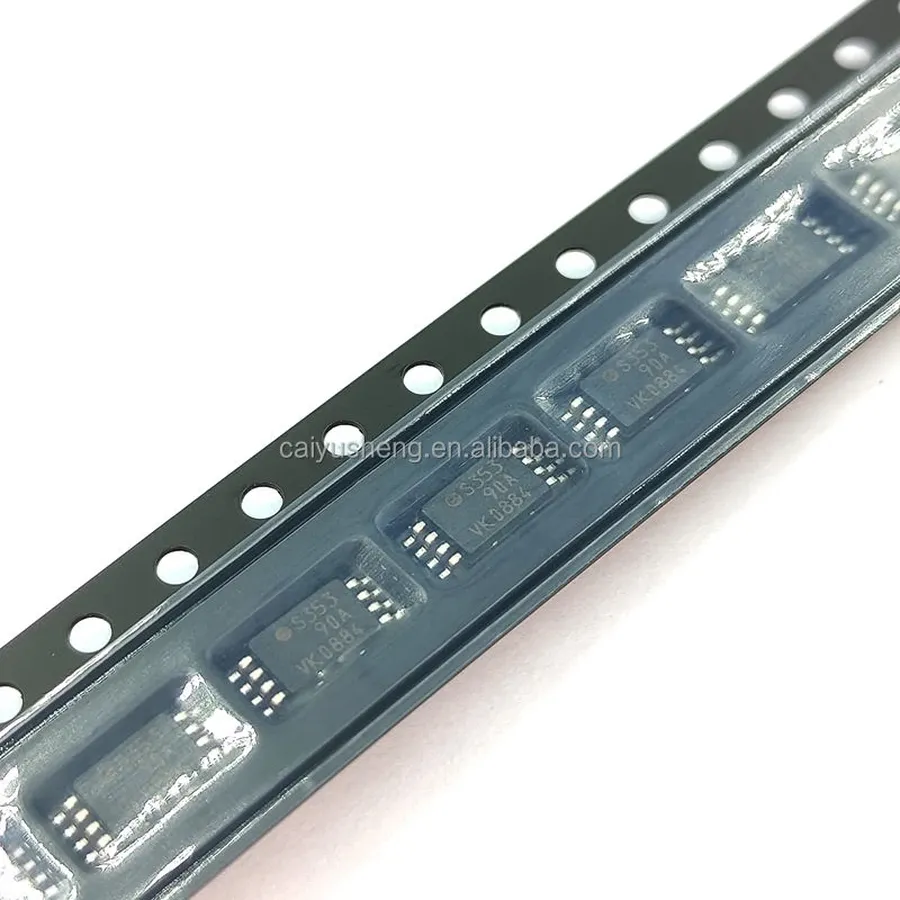
Electronic components
The price of electronic components is a complex interplay of several fundamental factors. These include the cost of raw materials, the intricacies of manufacturing processes, the dynamics of the supply chain, and the ever-fluctuating forces of market demand. Understanding these elements provides a solid foundation for navigating the electronic component market.
Raw materials, such as precious metals like gold and silver used in connectors and integrated circuits, directly impact component costs. Variations in these material prices affect the overall manufacturing expense. Additionally, different manufacturing processes, from basic through-hole to advanced surface-mount technology and specialized cleanroom fabrication for ICs, have varying cost implications. The supply chain itself adds complexity. Factors like logistical costs, storage requirements, and distributor markups all contribute to the final price. Finally, market demand, driven by technological advancements, product lifecycles, and global trends, greatly influences how components are priced. High-demand components tend to command higher prices, while obsolete ones often experience significant price drops.
Raw Material Costs The cost of materials such as gold, copper, and silicon directly affects the price of components.
Manufacturing Complexity Advanced manufacturing processes for integrated circuits and surface mount components increase production costs.
Supply Chain Dynamics Transportation, storage, and distributor markups influence the final price.
Market Demand High-demand components often command higher prices; obsolescence leads to price decreases.
Key Types of Electronic Components and Their Price Ranges
Capacitors and Resistors
Understanding the pricing of electronic components requires a categorization of the various types and an analysis of the factors influencing their cost. This section details several key categories—Integrated Circuits (ICs), capacitors, resistors, diodes, transistors, and connectors— and provides typical price ranges while highlighting aspects such as manufacturer, specifications, and order volume.
Component Type
Description
Typical Price Range (USD)
Factors Influencing Price
Integrated Circuits (ICs)
Complex circuits on a single chip, performing diverse functions.
Used to amplify or switch electronic signals and electrical power.
0.02 - 5+
Gain, power rating, switching speed, package type, technology type (BJT, MOSFET, etc.).
Connectors
Used to join electrical circuits or components.
0.05 - 20+
Type, number of pins, material, plating, durability, brand reputation.
Where to Find Reliable Electronic Component Price Lists
Distributor Warehouse
Securing accurate and up-to-date price lists for electronic components is crucial for effective procurement and project planning. This section outlines reputable online marketplaces and distributors, analyzing their strengths and weaknesses to aid in your sourcing decisions.
The electronic component market is diverse, with various platforms catering to different needs. These platforms range from large global distributors to smaller specialized suppliers. Understanding their characteristics is essential for optimizing the cost and reliability of your component sourcing.
DigiKey A major global distributor, offering a broad inventory and a comprehensive online catalog. Strengths include extensive part selection, reliable documentation, and strong customer support. Suited for both prototypes and production quantities, but often at a higher cost for small quantities.
Mouser Electronics Similar to DigiKey, Mouser provides a wide range of electronic components and robust online search tools. Known for its inventory depth and fast shipping. A good choice for both prototyping and production, especially for components with specific specifications. Similar pricing to DigiKey.
Amazon Business Offers a growing selection of electronic components. Its strengths lie in convenience, fast shipping, and relatively competitive pricing for certain components. Suitable for hobbyists and small projects, but may not provide the depth of inventory or technical support found at specialized distributors.
Alibaba A global B2B marketplace that connects buyers with manufacturers, primarily located in China. Known for competitive pricing and a large number of suppliers. Ideal for large-volume purchases or specialized components but with longer lead times and requires thorough due diligence due to varied quality.
OEMsecrets A specialized search engine that aggregates pricing and inventory data from multiple distributors. It offers a convenient platform to compare prices and availability. Particularly useful for finding the best deals and exploring alternative sources for specific components. Does not sell directly, but links to distributors' sites.
Comparison of Distributor Platforms: Finding the Best Prices
Online Marketplace
Selecting the right distributor for electronic components is crucial for optimizing costs and ensuring timely project completion. This section offers a comparative analysis of prominent platforms, evaluating them based on pricing, stock availability, shipping options, and customer service. A structured table will provide a clear comparison of prices for common components across these distributors.
Distributor
Pricing
Stock Availability
Shipping Options
Customer Service
Pros
Cons
DigiKey
Competitive, bulk discounts available
Extensive, wide range of parts in stock
Various options, global shipping
Responsive, technical support
Large selection, reliable
Higher prices for small quantities
Mouser
Competitive, volume discounts
Large, good inventory of new parts
Fast and reliable, global shipping
Strong, knowledgeable support team
Extensive product range, good support
May have longer lead times for some items
Amazon
Variable, generally competitive
Dependent on seller, can be limited
Wide range of options, generally fast
Standard Amazon service
Convenient, quick shipping
Quality varies, risk of counterfeits
Alibaba
Often the lowest, direct from manufacturer
Highly variable, from small to huge
Varied, mostly international shipping
Variable, often requires dealing with multiple suppliers
Low prices, large selection
Quality control, longer shipping times, potential for scams
OEMsecrets
Aggregated pricing, good for price comparisons
Aggregated from multiple sources, real-time
Depends on the original distributor
Provides links to original distributors
Excellent for price comparisons, large part selection
No direct sales
How to Read and Interpret an Electronic Component Price List
Price List
Understanding an electronic component price list requires careful attention to several key elements beyond just the price. These lists often include tiered pricing, lead times, minimum order quantities, and links to crucial datasheets. Mastery of these aspects ensures informed purchasing decisions, helps in effective inventory management, and avoids potential pitfalls related to cost, availability, and component specifications.
Pricing Tiers Most distributors offer tiered pricing based on the quantity of components purchased. Prices typically decrease as the quantity increases. Pay close attention to the break points and calculate the total cost for the required quantity to optimize your budget.
Lead Times Lead time is the duration between placing an order and receiving the components. This is crucial for production planning and managing project timelines. Lead times can vary significantly based on stock availability and supplier location. Be sure to account for these variations when determining delivery schedules. A part listed as 'in stock' indicates immediate availability, whereas backordered items may cause delays.
Minimum Order Quantities (MOQs) MOQs are the smallest quantity of a component that can be purchased at the listed price. If your required quantity is below the MOQ, you will need to adjust your order to meet this minimum requirement or potentially find a different supplier. Always verify the MOQs before making purchasing decisions as they can impact your cost structure.
Datasheet Links Datasheets are comprehensive technical documents that provide detailed specifications, electrical characteristics, dimensions, and other critical information about a component. Always review the datasheet to verify compatibility with your application, paying particular attention to voltage ratings, current limits, temperature ranges, and any other specifications relevant to your design requirements. Datasheet links are essential for validating a component's suitability prior to purchase, which can prevent costly errors later.
Tips for Securing the Best Deals on Electronic Components
Component Reels
Securing the best deals on electronic components requires a strategic approach that goes beyond simply comparing prices at a single point in time. It involves understanding market dynamics, building relationships with suppliers, and leveraging various cost-saving tactics. This section outlines key strategies to help you obtain the most competitive pricing.
Negotiate with Suppliers Don't hesitate to negotiate, especially for large orders or ongoing relationships. Many distributors are willing to adjust prices to secure your business. Establish clear communication and long-term agreements for better deals. Consider annual contracts with volume commitments, often leading to favorable pricing.
Buy in Bulk Purchasing in larger quantities typically results in lower per-unit costs. Analyze your project requirements carefully to buy in bulk and minimize costs. However, be mindful of storage and inventory management.
Leverage Discounts Explore all available discounts, such as volume discounts, promotional codes, or educational and research discounts. Also, look for special offers during holidays or end-of-quarter sales. Subscribing to distributor newsletters can provide access to exclusive deals and promotions.
Plan Purchases Based on Market Predictions Keep track of market trends and predictions to anticipate price changes. Monitor prices closely and make purchases when prices are favorable. Consider using price tracking tools and historical data to identify optimal purchase timing. Certain components may experience seasonal price fluctuations, so understanding these cycles is key.
Explore Alternative Sourcing Don't limit yourself to major distributors. Consider exploring smaller regional suppliers or manufacturers directly, as they may offer better pricing. However, due diligence is crucial to verify quality and reliability. Compare quotes from multiple suppliers before making a final purchase decision. Second source options can provide more pricing leverage and reduce supply chain risks.
Optimize Component Selection Sometimes, specifying a slightly different component with similar performance characteristics can lead to substantial cost savings. Analyze component specifications carefully and identify opportunities for substitutions. Evaluate your design and consider cost-effective alternative options.
Reduce Component Redundancy Limit your bill of materials (BOM) complexity by using as few different parts as possible. This can lead to greater volume discounts and lower supply chain costs. Try to select standard, readily available parts to reduce lead time and cost issues.
Navigating the Impact of Global Events on Component Pricing
Global supply chain
Global events exert a substantial influence on the pricing of electronic components, creating volatility and uncertainty within the supply chain. These impacts stem from a complex interplay of factors, including trade policies, material availability, and geopolitical stability.
Understanding these dynamics is crucial for businesses seeking to manage costs effectively and mitigate risks associated with component procurement. This section delves into how specific global events affect component pricing and outlines strategies to navigate these challenges.
Trade Wars and Tariffs Imposition of tariffs and trade restrictions between countries directly increases the cost of imported components. These actions can lead to sudden price surges and disrupt established supply routes, affecting the overall [electronic components price list].
Material Shortages Shortages in critical raw materials such as silicon, rare earth minerals, and certain metals lead to higher production costs. Limited material availability drives up prices due to increased competition among manufacturers, leading to inflated [electronic components price list].
Geopolitical Instability Events like political unrest, conflicts, and sanctions can disrupt production and transportation networks. This results in delays and elevated prices as manufacturers struggle to secure a steady supply of materials and components, thus affecting the [electronic components price list].
Pandemics and Global Health Crises Public health emergencies can cause widespread factory shutdowns, logistics delays, and labor shortages. The resulting production slowdown and disruptions to transport networks significantly impact component pricing and availability, leading to a volatile [electronic components price list].
To navigate these challenges, organizations should adopt a proactive approach to supply chain management. Strategies include diversifying suppliers to minimize reliance on a single source, maintaining strategic inventory levels to buffer against disruptions, engaging in robust risk assessment and scenario planning, and using technology to improve supply chain transparency. Furthermore, collaboration with industry peers and active market monitoring enables more agile responses to evolving conditions. These strategies are essential for mitigating price volatility and sustaining access to crucial components within a landscape impacted by global events.
Looking towards the future of [electronic components price list], technological advancements and sustainable practices will play a pivotal role. Innovations in manufacturing processes, advancements in materials science, and the adoption of circular economy principles will help to mitigate the impacts of material shortages and environmental concerns, as well as, changes in the global landscape. Monitoring these trends is key to maintaining competitiveness and adaptability in the electronic component market. The ability to adjust and adapt to such changes will determine the success of supply chains and component access.
Frequently Asked Questions About Electronic Component Price Lists
This section addresses common questions regarding electronic component price lists and the purchasing process, providing clarity on key aspects such as lead times, datasheets, and counterfeit components.
What factors influence electronic component pricing? Several factors impact electronic component pricing, including raw material costs (e.g., silicon, metals), manufacturing complexity, supply chain logistics, market demand, and geopolitical events. Prices can fluctuate significantly based on these variables.
How can I find the datasheet for a specific electronic component? Datasheets are typically available on manufacturer websites (e.g., Texas Instruments, Analog Devices) and distributor platforms (e.g., DigiKey, Mouser). A component's datasheet will be linked directly on the product page of most online distributor sites. If not, using the part number, a search engine can quickly locate it. Datasheets contain critical technical specifications such as voltage, current ratings, pinouts and more.
What does 'lead time' mean in the context of component pricing? Lead time refers to the time elapsed between placing an order and the delivery of the components. It is influenced by factors like manufacturing schedules, stock levels, and shipping logistics. Longer lead times can sometimes be associated with components that are in high demand or low supply, often affecting pricing.
How do I deal with counterfeit electronic components? To avoid counterfeit components, always purchase from authorized distributors or reputable manufacturers. Verify the component's authenticity through thorough visual inspection and by checking lot codes and serial numbers against manufacturer records. If possible, use a test lab to analyze any questionable components, they can perform full electrical characterization of the components.
Are electronic component prices fixed, or can they be negotiated? While some distributors offer fixed pricing, it is often possible to negotiate prices, especially for large-volume orders. Establish a relationship with your supplier and discuss your company’s anticipated needs and volume. Building this relationship with your supplier can result in better pricing.
How do Minimum Order Quantities (MOQs) affect pricing? MOQs are the smallest quantities a supplier will sell. Ordering in quantities that meet or exceed the MOQ can result in better per-unit prices, while purchasing below the MOQ may incur higher costs or be unavailable. Consider your overall volume to get better pricing.
What are the risks of purchasing electronic components from unauthorized sources? Purchasing components from unauthorized sources increases the risk of receiving counterfeit, substandard, or non-functional parts, impacting product quality, reliability, and potentially leading to catastrophic failures. Stick to authorized sources, such as DigiKey, Mouser, or directly from the manufacturer to avoid these potential hazards.
Navigating the world of electronic component pricing requires a blend of research, knowledge, and strategic planning. By understanding the core factors that influence price and knowing where to look for the best deals, you can optimize your procurement process. As the technology sector continues to evolve, keeping up to date on market trends and supply chain shifts will be essential to achieve the most favorable pricing for components. Remember, a well-informed buyer is the best positioned to secure the [electronic components price list] that fit their project needs and budget. We will continue to update information on [electronic components price list] and we hope you can come back for more insightful information.