In today's interconnected world, printed circuit boards (PCBs) are the unsung heroes powering everything from smartphones to space shuttles. These intricate components are the foundation of modern electronics, and their manufacturing is a complex and highly specialized industry. This article delves into the world of PCB manufacturing, spotlighting the top 10 global leaders, including titans such as TTM Technologies, Zhen Ding Technology, and others, that are driving innovation in 2024. We will uncover their strengths, specialties, and influence on the tech landscape, providing insight into the intricate world of PCB production.
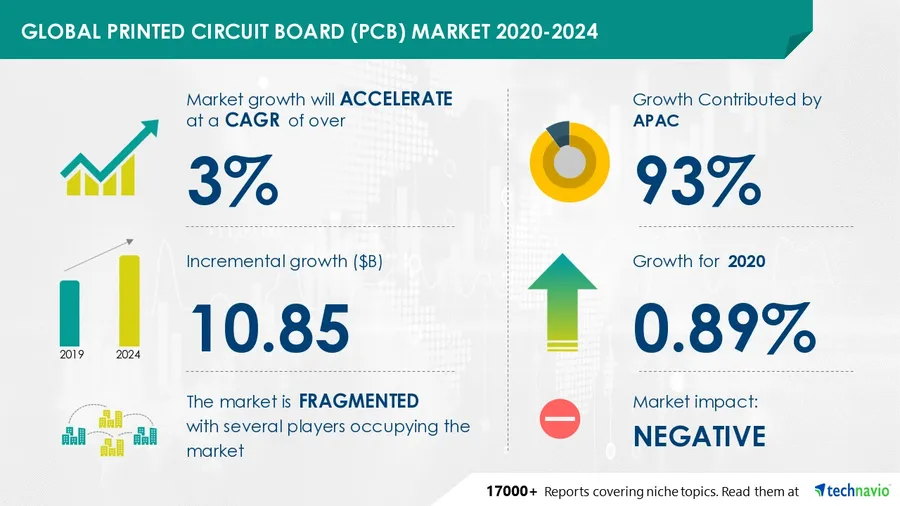
The global Printed Circuit Board (PCB) market is a dynamic and crucial component of the electronics industry, exhibiting consistent growth driven by technological advancements and increasing demand across various sectors. This section provides a concise analysis of the current market size, significant trends fueling its expansion, and the profound impact of technological innovations.
The PCB market's expansion is primarily propelled by several key trends. Firstly, the proliferation of consumer electronics devices, such as smartphones, wearables, and tablets, necessitates a constant supply of PCBs. Secondly, the automotive industry's shift towards electric vehicles (EVs) and advanced driver-assistance systems (ADAS) significantly boosts PCB demand, requiring more complex and high-performance boards. Furthermore, the accelerating adoption of IoT devices across industries is creating unprecedented growth opportunities. Technological advancements also play a crucial role. The demand for higher density interconnect (HDI) PCBs, flexible PCBs, and embedded components is continuously increasing as devices become more compact and sophisticated. These trends are not merely isolated demands; they are interconnected and collectively shaping the trajectory of the entire PCB industry.
The impact of technological innovation on the PCB market cannot be overstated. Advances in materials science, such as the development of high-performance laminates and conductive inks, are enabling the production of PCBs with improved electrical and thermal properties. Furthermore, the adoption of advanced manufacturing techniques, such as laser direct imaging (LDI) and automated optical inspection (AOI), has significantly increased the precision and efficiency of PCB manufacturing. These advancements are vital to meeting the stringent performance requirements of modern electronics and driving further market expansion. Finally, the constant push for miniaturization and higher integration densities continues to challenge the industry, fostering continuous innovation.
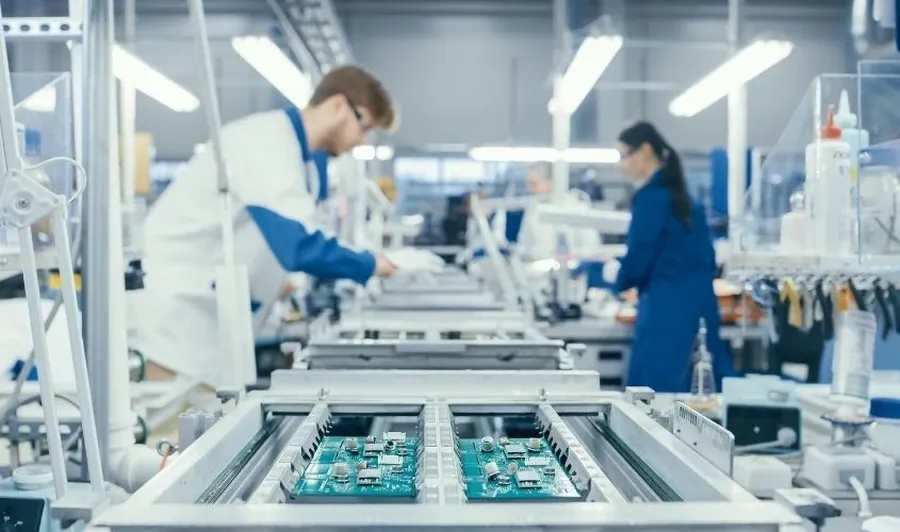
The global printed circuit board (PCB) manufacturing landscape is dominated by a select group of companies that demonstrate exceptional technological prowess, substantial market share, and extensive geographical reach. These top 10 manufacturers, detailed below, are pivotal in supplying PCBs for a wide array of industries, from consumer electronics to aerospace and automotive.
| Rank | Company | Headquarters | Specialization | Market Focus | Geographic Presence |
|---|---|---|---|---|---|
| 1 | TTM Technologies | USA | High-technology PCBs | Aerospace, defense, data center, medical | North America, Asia, Europe |
| 2 | Zhen Ding Technology | Taiwan | Flexible PCBs, rigid-flex PCBs | Mobile devices, consumer electronics | Asia, North America, Europe |
| 3 | Unimicron Technology | Taiwan | HDI PCBs, rigid PCBs | Computing, communications | Asia, North America, Europe |
| 4 | AT&S | Austria | HDI, high-end PCBs | Automotive, industrial, medical | Europe, Asia, Americas |
| 5 | Nippon Mektron | Japan | Flexible PCBs | Automotive, consumer electronics | Asia, North America, Europe |
| 6 | Ibiden | Japan | High-density PCBs | Computing, automotive | Asia, North America |
| 7 | Samsung Electro-Mechanics | South Korea | HDI, package substrates | Mobile devices, computing | Asia, North America |
| 8 | Kinsus Interconnect Technology | Taiwan | High-layer count PCBs | Networking, servers | Asia, North America |
| 9 | Compeq Manufacturing | Taiwan | Rigid PCBs | Notebooks, mobile devices | Asia, North America |
| 10 | Young Poong Electronics | South Korea | Flexible and rigid PCBs | Mobile devices, automotive | Asia |
The global PCB manufacturing landscape is heavily concentrated in specific geographic regions, primarily driven by factors such as cost-effectiveness, technological infrastructure, and established supply chains. This concentration creates manufacturing hubs that dominate the industry, impacting the global supply chain for electronics.
Asia Pacific region, specifically China, Taiwan, and South Korea, commands a significant share of the global PCB production. This dominance is attributed to lower labor costs, mature manufacturing ecosystems, and government support for the electronics industry.
While Asia leads in production volume, North America, particularly the United States, plays a crucial role in advanced PCB design and technology development. The region focuses on high-reliability PCBs for sectors such as aerospace and defense.
| Region | Key Countries | Dominant Manufacturing Factors | Industry Focus |
|---|---|---|---|
| Asia Pacific | China, Taiwan, South Korea | Lower Labor Costs, Mature Ecosystem, Government Support | Consumer Electronics, Computing |
| North America | United States, Canada | Advanced PCB Design and Technology | Aerospace, Defense, Medical |
| Europe | Germany, Austria | Automotive, Industrial Equipment | High Quality, Specialization |
Europe has a smaller share of global PCB manufacturing, with Germany and Austria specializing in high-quality and specialized PCBs for industries like automotive and industrial equipment. These regions focus on precision engineering and advanced materials.
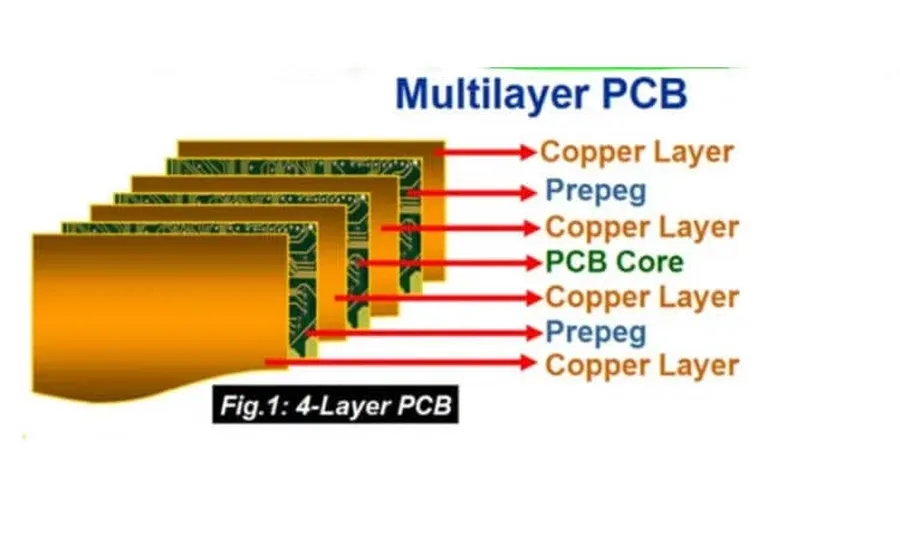
The printed circuit board (PCB) industry is characterized by rapid technological advancements, driven by the need for smaller, faster, and more reliable electronics. This section explores key PCB technologies—rigid, flexible, and high-density interconnect (HDI)—along with the innovations shaping current manufacturing processes. Leading PCB manufacturers are continually pushing the boundaries of what's possible, implementing cutting-edge techniques to meet the demands of diverse industries.
| Technology | Description | Key Applications | Innovation Trends |
|---|---|---|---|
| Rigid PCBs | Traditional PCBs made from solid, inflexible substrates. Typically made of FR-4 material. | Computers, consumer electronics, industrial controls, networking devices | Improved materials for higher thermal performance, advanced multilayer designs, miniaturization techniques |
| Flexible PCBs (Flex PCBs) | PCBs built on flexible substrates like polyimide, allowing the boards to bend and conform to non-planar shapes. | Smartphones, wearable devices, automotive electronics, medical devices | Enhanced flexibility and durability, reduced thickness, advanced interconnection technologies |
| High-Density Interconnect PCBs (HDI PCBs) | PCBs with higher wiring density per unit area, enabling complex circuit designs in a smaller footprint. Feature microvias, fine lines, and tight spacing. | High-performance computing, advanced mobile devices, aerospace applications | Advanced microvia technologies (laser drilling), fine line etching, sequential lamination, embedded components |
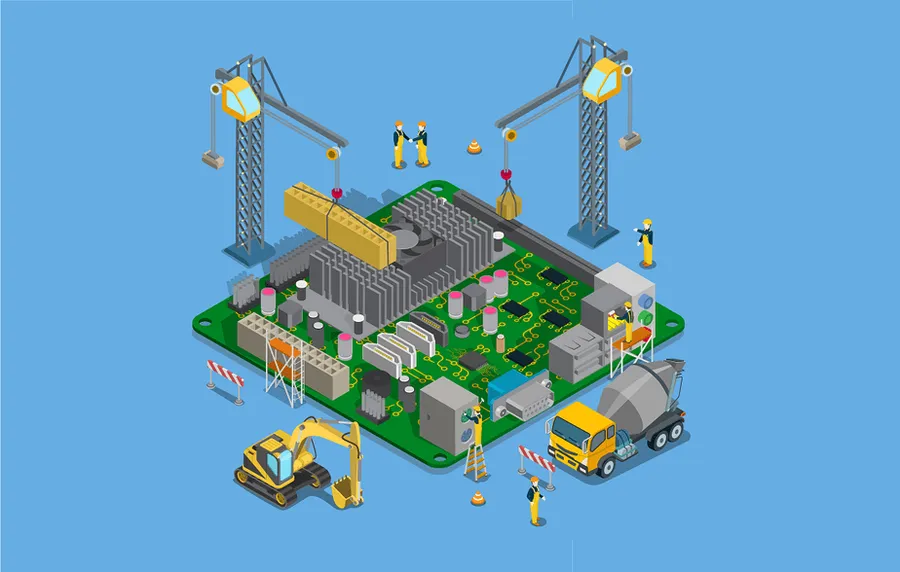
The top PCB manufacturers strategically focus on specific industries, leveraging their technological prowess and production capabilities to cater to diverse market needs. This specialization allows them to optimize their manufacturing processes, develop cutting-edge solutions, and build expertise in sectors that demand high precision and reliability.
Below is an overview of how the top PCB manufacturers’ specializations in different industries.
| Manufacturer | Primary Specializations & Industries Served |
|---|---|
| TTM Technologies | Aerospace and Defense, Data Center Computing, Automotive, Medical, Industrial and Instrumentation |
| Zhen Ding Technology | Mobile Devices, Consumer Electronics, Networking Equipment, Automotive |
| Unimicron Technology | High-End Computing, Networking, Automotive, Communication, Consumer Electronics |
| AT&S | Automotive, Industrial, Medical, Mobile Devices |
| Nippon Mektron | Automotive, Mobile Devices, Office Automation Equipment, Industrial Equipment |
These specializations are not exclusive, and many of these manufacturers provide PCB solutions across several industries. The provided breakdown emphasizes their primary focuses and notable strengths in serving each sector.
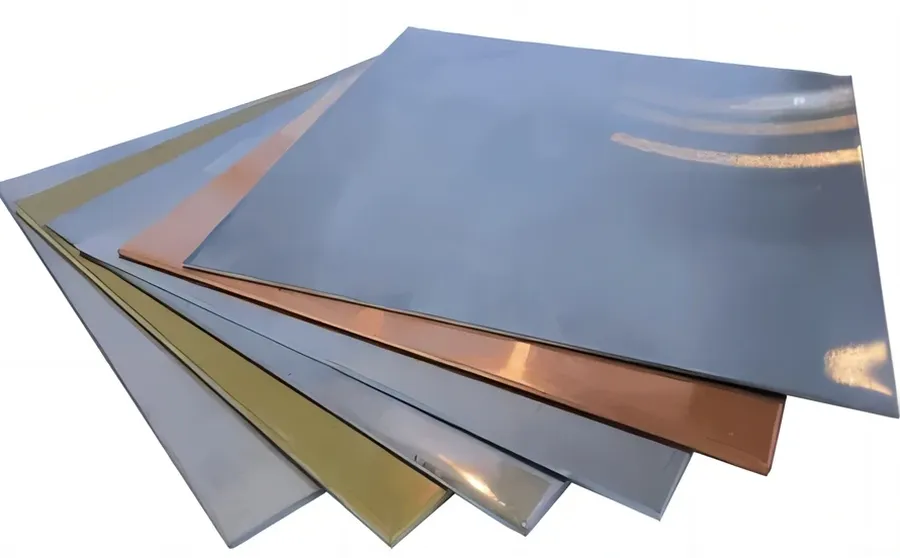
The selection of materials in PCB manufacturing is paramount, directly influencing performance, reliability, and sustainability. Leading manufacturers must strategically navigate material choices and global sourcing to ensure product excellence and cost-effectiveness. This section delves into the critical role of materials in PCB fabrication, the impact of these choices, and the complexities of global sourcing within the industry.
Key material considerations and sourcing practices include:
The sustainability of PCB manufacturing is heavily influenced by material sourcing and selection. Lead-free solder options are standard to comply with environmental regulations, however, the broader industry is now considering the lifecycle impact of various materials.
| Material | Key Properties | Typical Applications | Sourcing Considerations |
|---|---|---|---|
| FR-4 | Good mechanical and electrical properties, cost-effective | General-purpose PCBs | Widely available, reliable supply chain |
| Polyimide | High thermal stability, excellent electrical properties | High-performance and flexible PCBs | More expensive, specialized suppliers |
| PTFE (Teflon) | Superior high-frequency performance, low loss | High-frequency and microwave PCBs | Expensive and requires specialty handling |
| Copper | Excellent conductivity, ductile | Conductors, traces, planes, vias | Global commodity, supply chain volatility affects price |
| ENIG | Excellent solderability, corrosion resistance | High reliability applications | Higher cost than HASL |
| Lead-free Solder | Environmentally compliant, good mechanical properties | All types of soldering | Requires careful temperature control and specialized equipment |
The sourcing of PCB materials presents significant challenges. Global supply chains are complex and vulnerable to disruptions, affecting delivery times and costs. Top manufacturers must implement strategies like supplier diversification and long-term agreements to mitigate these risks. They also need to monitor material quality and ensure traceability throughout the supply chain. They must comply with environmental standards and source materials ethically to ensure long-term success.
This section addresses common queries regarding PCB manufacturers, offering insights based on industry data and analysis to clarify the most frequently asked questions.
Selecting the appropriate PCB manufacturer is crucial for ensuring the success of any electronics project. The ideal manufacturer will align with specific project requirements, balancing cost, quality, lead time, and technical capabilities. This section provides a structured approach to evaluating and choosing a PCB manufacturer that best suits your needs.
| Factor | Description | Considerations | Potential Impact |
|---|---|---|---|
| Quality | Refers to the reliability and performance of the PCBs produced by the manufacturer. | Evaluate certifications, testing processes, and customer reviews to ensure the boards meet performance requirements. | Directly affects the reliability and lifespan of the final product. Lower quality can result in malfunctions and higher failure rates. |
| Cost | The price of the PCB, often a major factor in budget-conscious projects. | Compare quotes from different manufacturers, considering material costs and fabrication complexity. Understand what factors may affect price such as volume and expedited production. | High costs may impact profitability. Choosing the cheapest options can compromise quality, impacting long term budget through replacement costs and warranty. |
| Lead Time | The total time required from placing the order to receiving the PCBs. | Understand the lead time requirements for the product and verify manufacturer capabilities. Confirm the manufacturers historical production timelines during the evaluation process | Long delays can postpone product launches. Expedited services are available but may incur higher costs. |
| Certifications | Proof of compliance with industry standards. | Look for certifications such as ISO 9001, ISO 14001 and UL which indicates a manufacturer adheres to quality and environmental management practices. | Certifications demonstrate the manufacturers commitment to quality and can impact suitability for certain regulatory standards. |
| Customer Support | The responsiveness and assistance provided by the manufacturer. | Evaluate the responsiveness of the manufacturers customer service team and their expertise in resolving design and production issues. Clear communication and collaboration from the manufacturer is key. | Poor customer support can cause project delays and create communication issues that affect overall efficiency. |
| Technology Capabilities | The range of manufacturing technologies the manufacturer can support. | Evaluate the technology capabilities, such as the layer count, tolerances, and materials the manufacturer can handle. Confirm they can meet your specific PCB design requirements. | Limited technology can constrain design options and result in poor performance or difficulty in production. Choose the proper level of design and production capabilities for your designs and future designs. |
By carefully considering these factors, you can select a PCB manufacturer that aligns with your project's specific needs. It is also advisable to conduct thorough research and, if possible, pilot a small-batch production run to verify the manufacturer's capabilities before placing large orders.
The printed circuit board (PCB) manufacturing sector is poised for significant transformation driven by advancements in technology and evolving market demands. The industry faces the dual challenge of adapting to trends such as increased miniaturization and higher performance while also navigating complexities in materials, supply chains, and sustainability.
The PCB industry is a critical cog in the global technology machine, and the top 10 manufacturers including TTM Technologies, Zhen Ding Technology, and others, are at the forefront of driving advancements. As technology continues to evolve, the demand for PCBs will continue to surge, further pushing the envelope of innovation and efficiency in this sector. Understanding the landscape of these industry giants, their specializations, and the materials they use provides key insight into the trends and advancements shaping the future of electronics. The continued growth of the electronics industry is intertwined with the innovation and capabilities of these PCB manufacturers, guaranteeing they will remain critical to future technological progress.

