In an era where safety and security are paramount, highway surveillance systems play a critical role in ensuring smooth traffic flow, preventing accidents, and deterring criminal activities. At the heart of these systems lies the Printed Circuit Board (PCB), the unsung hero responsible for integrating various electronic components into a functional unit. Zero One Solution Limited, a leading PCB solution provider, offers specialized PCB solutions tailored for highway surveillance cameras, ensuring high reliability, optimal performance, and long-term durability. This article delves into the intricacies of these solutions and why they are essential for modern highway monitoring.
The Critical Role of PCBs in Highway Surveillance Cameras
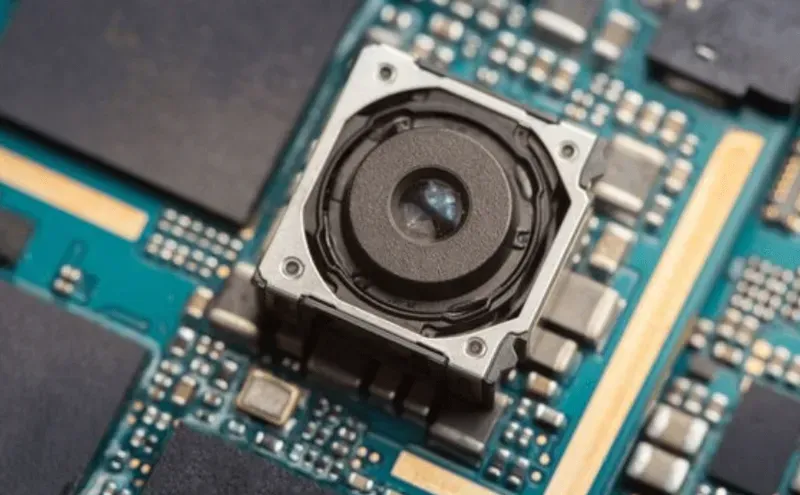
Highway Surveillance Camera PCB
Printed Circuit Boards (PCBs) are the unseen backbone of modern highway surveillance cameras, serving as the central nervous system that orchestrates the intricate interplay of electronic components. Their fundamental function is to provide mechanical support and electrical connections for integrated circuits and other electronic components, enabling the complex functionalities required for real-time traffic monitoring, incident detection, and public safety. Without highly reliable and robust PCBs, the advanced imaging, data processing, and communication capabilities of these critical surveillance systems would simply not be possible.
Signal Integrity and Data Processing PCBs in highway surveillance cameras are designed to maintain high signal integrity, crucial for the accurate capture and transmission of high-resolution video and data. They facilitate the complex data processing required for features like automatic number plate recognition (ANPR) and vehicle classification, ensuring minimal signal loss or interference even over long distances and in challenging RF environments. The precise routing and impedance control on the PCB are paramount for high-speed data transfer from image sensors to processing units and then to communication modules.
Challenges in Designing PCBs for Highway Surveillance
Designing Printed Circuit Boards (PCBs) for highway surveillance cameras presents a unique set of demanding challenges that go far beyond typical electronics applications. These critical components must withstand an onslaught of environmental stressors and operational requirements, necessitating a highly specialized approach to material selection, layout, and manufacturing to ensure unwavering performance and longevity in the field. Without addressing these specific hurdles, the reliability and effectiveness of an entire surveillance system are compromised, leading to costly failures and blind spots in crucial monitoring infrastructure.
How do extreme temperatures affect Highway Surveillance Camera PCBs? Highway surveillance camera PCBs are exposed to drastic temperature swings, from scorching summers reaching well over 50°C to freezing winters plunging below -30°C. These thermal cycles induce stress on solder joints, component leads, and the PCB substrate itself, leading to material expansion and contraction. Without careful thermal management design, including appropriate copper pour, heat sinks, and thermally stable materials, repeated stress can cause micro-cracks, delamination, and ultimately, intermittent or complete circuit failure. IPC standards for harsh environments often guide these material selections.
What PCB design considerations are crucial for vibration resistance in surveillance cameras? Highway surveillance cameras are constantly subjected to vibrations from passing vehicles, wind, and even their mounting structures. For PCBs, this translates to mechanical stress on components, traces, and connections. Critical design considerations include robust component anchoring (e.g., using through-hole components or underfill for SMDs), optimizing board mounting points to minimize resonant frequencies, and employing heavier copper weights for improved structural integrity. Conformal coatings also provide an additional layer of mechanical protection against vibration and moisture ingress, preventing component shake-off and trace damage.
Why is high-speed data transmission a challenge for Highway Surveillance Camera PCBs? Modern highway surveillance cameras require high-resolution video and rapid data processing, demanding high-speed data transmission capabilities from their PCBs. This introduces challenges like signal integrity issues (crosstalk, impedance mismatches, signal loss), electromagnetic interference (EMI), and power integrity. Careful trace routing, impedance control, proper ground planes, and differential pair routing are essential. Specialized high-frequency laminates with stable dielectric constants (e.g., Rogers, Isola) are often employed to maintain signal quality over long distances and at high data rates, crucial for transmitting large video files without corruption or delay.
How do environmental factors like moisture and dust impact PCB longevity in highway cameras? Moisture (rain, humidity, condensation) and dust ingress are significant threats to PCB longevity in outdoor highway environments. Moisture can lead to short circuits, corrosion of traces and pads, and electrical leakage paths. Dust accumulation can cause heat trapping, reduce insulation resistance, and provide a medium for moisture absorption. To combat these, PCBs for surveillance cameras require robust ingress protection (IP) ratings, often achieved through sealed enclosures, conformal coatings (e.g., acrylic, silicone, polyurethane), and sometimes potting compounds. These measures create a barrier against environmental contaminants, extending the operational life of the electronics.
What are the specific power management challenges for surveillance camera PCBs? Highway surveillance cameras operate 24/7, often in remote locations, making efficient and reliable power management critical. Challenges include managing power surges from lightning strikes or grid fluctuations, ensuring stable power delivery to various sensors and processing units, and minimizing power consumption, especially for solar or battery-powered installations. PCBs must incorporate robust power supply units (PSUs), transient voltage suppressors (TVS diodes), overcurrent protection, and efficient voltage regulators. Design must account for potential power drops over long cable runs and ensure adequate current carrying capacity for all traces, preventing overheating and voltage instability.
Zero One Solution's Expertise in Surveillance Camera PCBs
At Zero One Solution Limited, we bring over a decade of specialized experience in printed circuit board (PCB) solutions, with a profound focus on the rigorous demands of highway surveillance cameras. Our expertise lies in transcending conventional PCB manufacturing by engineering robust, high-performance, and ultra-reliable boards specifically designed to withstand the unique operational challenges of dynamic highway environments, from extreme temperatures to relentless vibrations and electromagnetic interference. We are not just manufacturers; we are strategic partners in advancing the reliability and longevity of critical infrastructure, ensuring that every surveillance camera deployed on the world's highways operates flawlessly, around the clock.
Aspect of Expertise
Zero One Solution's Approach
Rapid Prototyping
Accelerated R&D with rapid-response PCB prototyping, reducing time-to-market for innovative surveillance solutions
Harsh Environment Resilient Design
Specialized in designing PCBs with enhanced thermal management, vibration resistance, and moisture protection for outdoor highway conditions
High-Speed Signal Integrity
Advanced design techniques to ensure pristine signal transmission for high-resolution video and data in surveillance systems
Global Supply Chain Integration
Leveraging strategic locations in Shenzhen and Dubai to ensure seamless access to premium materials and efficient logistics
Comprehensive Quality Assurance
Rigorous multi-stage testing and inspection protocols, exceeding industry standards for reliability and performance in critical applications
Why is Zero One Solution uniquely qualified for highway surveillance camera PCBs? Zero One Solution has cultivated specialized knowledge in designing and manufacturing PCBs for challenging environments. Our decade-plus experience, combined with a dedicated focus on rapid-response R&D prototyping, enables us to quickly adapt and deliver solutions that meet the specific, often extreme, requirements of highway surveillance, ensuring long-term reliability and performance.
How does Zero One Solution ensure PCBs withstand extreme highway conditions? We employ advanced material selection, prioritizing substrates and components that exhibit superior resistance to temperature fluctuations, humidity, and corrosive elements. Our design methodologies incorporate enhanced thermal management solutions and robust mechanical structures to counteract vibration and shock, ensuring operational integrity under harsh conditions.
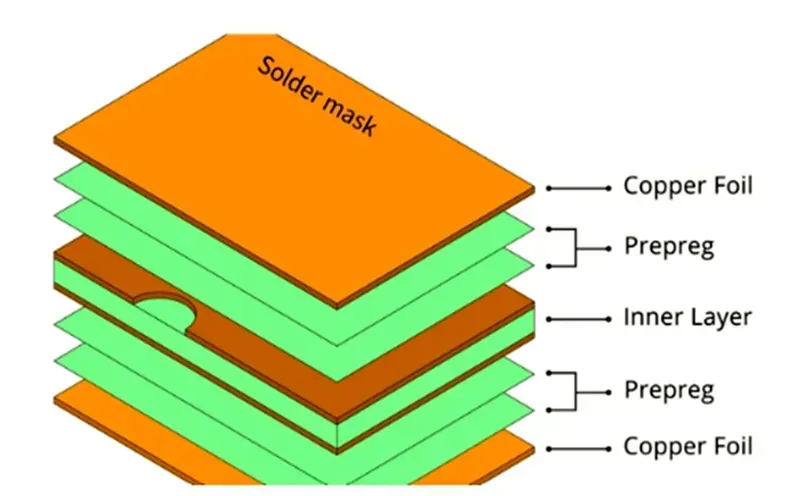
What specific design considerations does Zero One Solution implement for high-speed data? For high-speed data transmission critical in modern surveillance, Zero One Solution focuses on optimizing signal integrity. This involves precise impedance control, minimizing crosstalk through careful trace routing, and employing advanced stack-up designs to ensure reliable and high-bandwidth data flow for high-resolution video and analytics.
Can Zero One Solution support custom PCB requirements for unique surveillance projects? Absolutely. Our core strength lies in providing tailored PCB solutions. We engage closely with clients from the conceptual phase, offering design for manufacturability (DFM) and design for assembly (DFA) expertise to create custom PCBs that precisely meet the unique performance, size, and integration requirements of specific highway surveillance camera projects, regardless of complexity.
What is the typical turnaround time for prototype PCB development for surveillance cameras? Zero One Solution is renowned for its rapid-response prototyping capabilities. While exact timelines vary based on design complexity and project scope, our streamlined processes and integrated supply chain allow us to deliver initial prototypes significantly faster than industry averages, typically within days to a few weeks, accelerating our clients' product development cycles.
Key Features of Zero One Solution's Highway Surveillance Camera PCB Solutions
Ruggedized PCB Board
Zero One Solution Limited’s Highway Surveillance Camera PCB Solutions are engineered with a meticulous focus on enduring the most demanding operational environments while delivering unparalleled performance. Our designs transcend conventional standards, integrating advanced features that directly address the unique challenges of highway surveillance, ensuring long-term reliability and optimal data capture.
High-Reliability Design for Unwavering Performance Our PCBs are built upon a foundation of redundancy and robust component selection, minimizing failure points and ensuring continuous operation in mission-critical applications. This includes careful consideration of component derating, wide operating temperature ranges, and adherence to IPC Class 2/3 standards for enhanced durability.
Advanced Thermal Management for Longevity Effective heat dissipation is paramount for the longevity of electronic components in enclosed surveillance cameras. Zero One Solution employs sophisticated thermal management techniques, including optimized copper pours, thermal vias, and strategic component placement, to prevent overheating and extend the operational life of the PCB and its integrated circuits.
Exceptional Signal Integrity for Pristine Data High-speed data transmission, crucial for real-time video and sensor data in highway surveillance, demands impeccable signal integrity. Our design methodologies incorporate impedance control, differential pair routing, and careful trace length matching to mitigate signal degradation, crosstalk, and electromagnetic interference (EMI), ensuring clear, uncorrupted data streams.
Ruggedization for Harsh Environments Highway environments expose PCBs to a barrage of stressors, including extreme temperatures (-40°C to +85°C), high humidity, dust, and vibrations. Our PCBs are engineered with specialized materials (e.g., high Tg laminates), conformal coatings, and reinforced mounting points to withstand these severe conditions, providing a resilient foundation for surveillance camera systems.
Optimized Power Delivery Networks (PDN) Stable and clean power delivery is essential for the consistent performance of sensitive camera components. We implement optimized PDNs that minimize voltage drops and noise, ensuring reliable power distribution across the board, which is critical for image sensors and processing units.
Miniaturization and Space Efficiency Recognizing the constraints of camera enclosures, our PCB designs prioritize compact layouts without compromising performance. Through advanced design techniques and component selection, we achieve high-density integration, allowing for more powerful features within smaller footprints.
Material Selection for Enhanced Durability
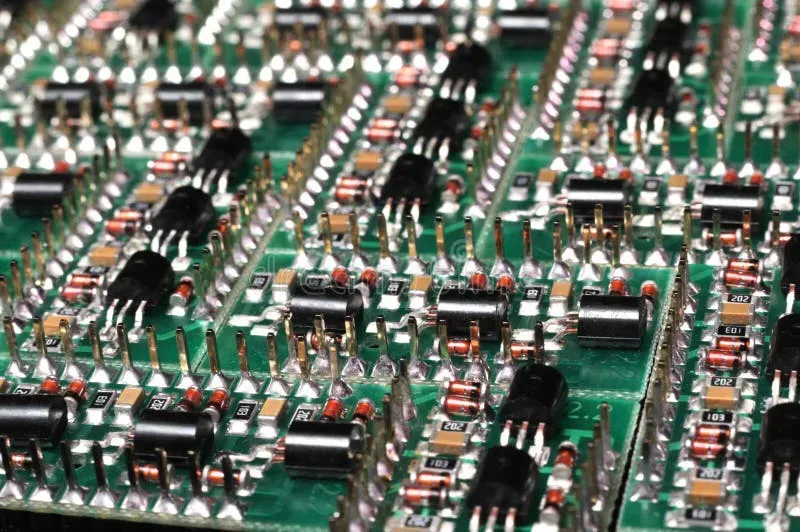
PCB Manufacturing Materials
In the demanding environment of highway surveillance, the longevity and reliability of camera systems hinge critically on the intelligent selection of Printed Circuit Board (PCB) materials. This choice directly impacts a PCB's ability to withstand harsh environmental factors such as extreme temperatures, humidity, UV radiation, and vibrations, ensuring sustained performance and extended operational lifespan for highway surveillance camera PCB solutions. Utilizing high-quality, purpose-specific materials is not merely a preference but a fundamental requirement to guarantee the long-term reliability and minimize maintenance costs in such mission-critical applications.
Material Property
Benefit for Highway Surveillance PCBs
Typical Material Example
High Tg (Glass Transition Temperature)
Maintains structural integrity and electrical properties under extreme temperature fluctuations, preventing delamination and warpage.
FR-4 (High Tg variants), Polyimide
Low CTE (Coefficient of Thermal Expansion)
Minimizes stress on solder joints and components due to temperature changes, enhancing joint reliability and preventing fatigue failures.
BT-Resin, Polytetrafluoroethylene (PTFE)
Excellent Dielectric Properties
Ensures signal integrity and minimizes signal loss, crucial for high-speed data transmission and clear image capture.
Rogers Corporation materials, Panasonic Megtron 6
UV Resistance
Prevents material degradation and color changes when exposed to prolonged sunlight, maintaining long-term performance.
Specific FR-4 laminates with UV inhibitors, ceramic-filled laminates
Moisture Resistance
Reduces water absorption, preventing short circuits and electrochemical migration, critical for outdoor environments.
Hydrophobic laminates, certain epoxy resins
Chemical Resistance
Protects against environmental contaminants and cleaning agents, ensuring material stability.
Epoxy-based laminates, specialized coatings
Flammability Rating (UL 94-V0)
Ensures self-extinguishing properties in case of fire, enhancing safety standards.
Standard for all reputable PCB materials
Why is material selection so critical for highway surveillance camera PCBs? Material selection is paramount because highway surveillance cameras operate in highly exposed and often extreme environments. The PCB's materials must endure wide temperature swings, high humidity, corrosive elements, constant vibrations, and UV radiation. Poor material choices can lead to premature failure, signal degradation, reduced reliability, and increased maintenance costs, directly impacting the effectiveness of critical infrastructure monitoring. The right materials ensure operational stability and longevity in challenging conditions, vital for continuous surveillance.
Advanced Manufacturing and Assembly Processes
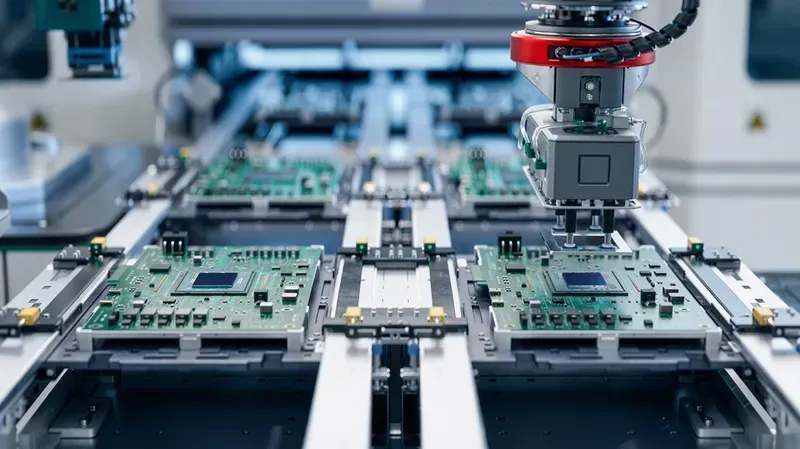
PCB Production Line
Zero One Solution Limited employs state-of-the-art manufacturing and assembly processes to guarantee the unparalleled quality and precision of our Highway Surveillance Camera PCBs. This commitment to advanced methodologies ensures that every board meets the rigorous demands of its application, from high-speed data processing to enduring harsh environmental conditions. Our integrated approach, from DFM analysis to automated assembly, optimizes for performance, reliability, and cost-efficiency, setting a new benchmark in the industry.
Process Step
Description
Benefits for Highway Surveillance PCBs
Design for Manufacturability (DFM) Analysis
Rigorous pre-production review of design files to identify and mitigate potential manufacturing issues, ensuring optimal yield and reliability.
Minimizes design flaws, reduces re-spins, and enhances overall product reliability in challenging outdoor environments, crucial for long-term surveillance operation.
Automated Solder Paste Inspection (SPI)
Utilizes 3D imaging to inspect solder paste deposition for volume, shape, and alignment before component placement, detecting defects early.
Ensures consistent and precise solder joints, critical for signal integrity and preventing intermittent failures under vibration and temperature fluctuations in highway settings.
Automated Optical Inspection (AOI)
High-speed, automated visual inspection of PCBs for defects such as missing components, incorrect polarity, shorts, and opens.
Detects subtle defects invisible to the human eye, ensuring high assembly quality and preventing field failures in remote surveillance locations.
X-Ray Inspection (AXI)
Employs X-rays to inspect hidden solder joints, such as those under BGAs and other complex components, for voids and shorts.
Crucial for verifying the integrity of critical IC connections, ensuring robust performance and data transmission reliability for high-resolution camera feeds.
Selective Soldering
Automated soldering process for through-hole components, precisely applying solder only where needed, minimizing thermal stress.
Provides superior solder joint quality for robust mechanical connections, essential for components exposed to constant vibrations and temperature cycles on highways.
Conformal Coating Application
Application of a protective polymeric film to the PCB to shield against moisture, dust, chemical contaminants, and extreme temperatures.
Significantly extends the lifespan and reliability of PCBs by protecting against the corrosive elements and environmental stressors prevalent in outdoor highway deployments.
Our stringent adherence to these advanced processes, coupled with continuous investment in cutting-edge technology, positions Zero One Solution Limited as a leader in delivering high-performance, durable PCB solutions specifically engineered for the demanding world of highway surveillance. This comprehensive approach from initial design validation to protective finishing ensures every PCB we produce is a testament to our commitment to excellence and reliability.
Quality Assurance and Testing
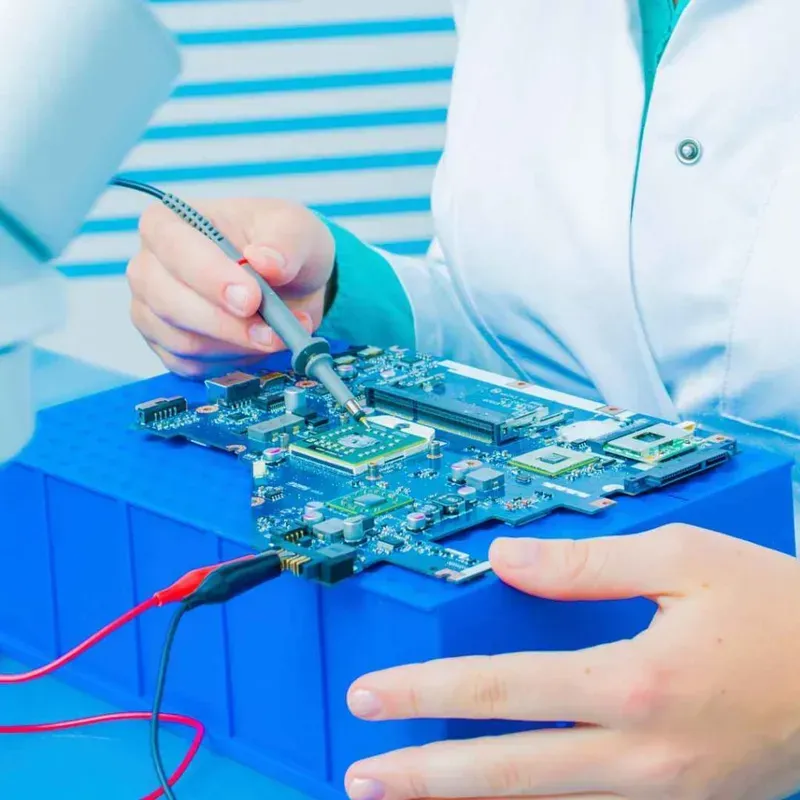
Engineer Testing PCB
Ensuring the unwavering performance and reliability of Printed Circuit Boards (PCBs) in critical highway surveillance camera applications hinges on a comprehensive and rigorous quality assurance and testing framework. Zero One Solution Limited implements a multi-faceted approach, integrating stringent quality controls at every stage, from material procurement to final assembly, guaranteeing that each PCB meets the highest industry standards for functionality, durability, and long-term stability in demanding environmental conditions.
Incoming Material Inspection All raw materials, including substrates, copper foils, and solders, undergo meticulous inspection upon arrival to verify compliance with specified technical datasheets and industry standards (e.g., IPC-A-600). This includes visual checks, dimensional measurements, and material composition analysis to preemptively identify any non-conforming batches that could compromise final product integrity. Only certified and high-grade materials are approved for use in production, ensuring the foundational quality of the PCBs destined for highway surveillance cameras. This initial step is critical in mitigating potential failures further down the production line and guaranteeing the robust performance of the final PCB assembly in harsh operational environments, such as extreme temperatures and continuous vibration typical of highway installations.
Case Studies: Real-World Applications of Highway Surveillance Camera PCBs
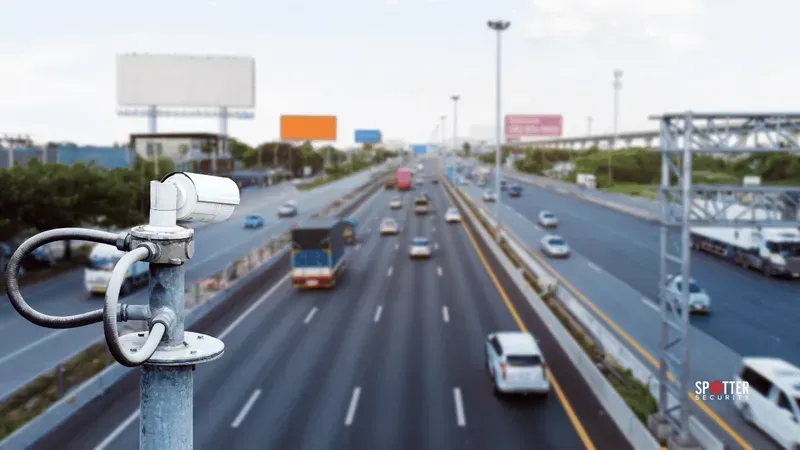
Highway Surveillance Camera Installation
Zero One Solution's commitment to robust and high-performance Highway Surveillance Camera PCB Solutions is best illustrated through real-world applications where our designs have significantly contributed to enhancing public safety and traffic management. Our advanced PCB technology forms the backbone of reliable surveillance systems, demonstrating unparalleled performance in demanding operational environments.
Smart City Traffic Management System, Dubai In a landmark project for a smart city initiative in Dubai, Zero One Solution provided bespoke PCB designs for an extensive network of highway surveillance cameras. These PCBs were engineered to integrate high-resolution imaging sensors, advanced AI processors for real-time traffic analysis, and robust communication modules. The primary challenge was to ensure continuous operation and data integrity under extreme desert temperatures and dust conditions. Our solution incorporated specialized thermal management layers and conformal coatings, resulting in a system that has maintained over 99.8% uptime, significantly improving traffic flow and incident response times across major highways.
Remote Highway Monitoring, North America For a project in remote, harsh weather regions of North America, our PCBs were crucial for surveillance cameras monitoring critical infrastructure along isolated highway stretches. These cameras faced challenges including severe temperature fluctuations (from -40°C to +60°C), heavy snowfall, and strong winds, coupled with limited access for maintenance. Zero One Solution developed PCBs with enhanced mechanical stability, industrial-grade components, and power-efficient designs optimized for solar power integration. This enabled the cameras to operate autonomously for extended periods, providing vital surveillance data without frequent human intervention and drastically reducing operational costs.
High-Speed Lane Enforcement System, China In a high-speed lane enforcement system deployed on expressways in China, our PCBs were designed to handle extremely high data throughput for instantaneous vehicle detection and license plate recognition. The requirement was for ultra-low latency and absolute reliability to ensure accurate enforcement. Our engineers utilized advanced signal integrity techniques, including controlled impedance traces and optimized layer stacking, to prevent data loss and interference. The system's successful deployment led to a significant reduction in speeding violations and improved overall road safety, showcasing the precision and performance capabilities of our PCB solutions.
The Future of Highway Surveillance Technology
The trajectory of highway surveillance technology is continually evolving, driven by demands for enhanced safety, efficiency, and data intelligence. Zero One Solution Limited is at the forefront of this evolution, proactively developing advanced PCB solutions that anticipate and facilitate the next generation of surveillance capabilities. This forward-thinking approach ensures our clients remain competitive and prepared for the rapidly changing technological landscape, leveraging innovations from artificial intelligence to 5G connectivity.
What are the primary emerging trends shaping highway surveillance? Emerging trends include the integration of Artificial Intelligence (AI) for real-time analytics and predictive capabilities, the adoption of 5G connectivity for high-speed, low-latency data transmission, edge computing for localized processing, and enhanced sensor fusion (e.g., radar, LiDAR, thermal imaging) for comprehensive situational awareness. These advancements are moving surveillance from reactive monitoring to proactive incident prevention and intelligent traffic management.
How is AI impacting PCB design for future surveillance cameras? AI integration necessitates PCBs capable of handling significant computational loads and efficient data flow. This translates to designs with higher layer counts, optimized power delivery networks (PDN) for AI processors (e.g., NPUs, GPUs), advanced thermal management solutions to dissipate heat, and high-speed interfaces (e.g., PCIe Gen4/5, MIPI) to support large sensor data streams. Zero One Solution is designing PCBs with these demanding requirements in mind, ensuring robust performance for on-device AI.
What role does 5G play in the evolution of highway surveillance, and how does it influence PCB solutions? 5G enables ultra-reliable low-latency communication (URLLC) and massive machine-type communications (mMTC), which are critical for real-time data transmission from cameras to central systems or edge nodes. For PCBs, this means incorporating RF front-end modules, ensuring signal integrity at millimeter-wave frequencies, and designing for efficient power consumption to support continuous high-bandwidth operation. Our PCB solutions are engineered to seamlessly integrate 5G modules, minimizing signal loss and maximizing data throughput.
How is Zero One Solution adapting its PCB solutions for edge computing in highway surveillance? Edge computing shifts processing power closer to the data source, reducing latency and bandwidth requirements for cloud-based systems. Zero One Solution designs PCBs that accommodate powerful System-on-Chips (SoCs) and memory modules for on-camera analytics. This involves meticulous layout for high-density components, robust power management, and enhanced heat dissipation, enabling cameras to perform complex tasks like object recognition and anomaly detection independently at the edge.
What advancements are expected in sensor technology, and how will PCBs support them? Future highway surveillance will increasingly rely on multi-sensor fusion for more accurate and resilient monitoring. This includes higher-resolution optical sensors, advanced radar for all-weather detection, and LiDAR for precise spatial mapping. PCBs will need to support diverse sensor interfaces, higher data rates, and synchronized data capture, often requiring mixed-signal designs and meticulous impedance control. Zero One Solution's expertise in high-speed digital and analog design ensures seamless integration of these advanced sensor arrays.
FAQs About Highway Surveillance Camera PCBs
Understanding the intricacies of Printed Circuit Boards (PCBs) for highway surveillance cameras is crucial for ensuring optimal performance and longevity in demanding environments. This section addresses common inquiries, providing clear, concise, and authoritative answers to demystify key aspects of PCB design, manufacturing, and maintenance specific to these critical infrastructure components.
Why are specialized PCBs essential for highway surveillance cameras? Specialized PCBs are essential because highway surveillance cameras operate in extremely harsh environments, facing constant exposure to temperature extremes, humidity, vibration, and potential electromagnetic interference (EMI). Standard PCBs cannot withstand these conditions reliably. Specialized PCBs incorporate robust material selections, enhanced thermal management, reinforced mechanical structures, and superior signal integrity design to ensure stable, long-term operation and prevent premature failure, directly impacting public safety and data collection reliability.
What are the primary challenges in designing PCBs for highway surveillance camera systems? The primary challenges include managing thermal dissipation in sealed enclosures, ensuring signal integrity over long transmission distances and through complex imaging processes, mitigating electromagnetic interference (EMI) from external sources and internal components, designing for high resistance to shock and vibration, and selecting materials that can withstand prolonged UV exposure, moisture, and extreme temperature fluctuations from -40°C to +85°C. These factors necessitate meticulous design and material engineering beyond typical PCB applications.
How does Zero One Solution ensure the durability of its Highway Surveillance Camera PCBs? Zero One Solution ensures durability through a multi-faceted approach. This includes selecting high-Tg (glass transition temperature) laminates and specialized copper foils for thermal stability, employing advanced conformal coatings for moisture and chemical resistance, implementing robust mechanical designs to absorb shock and vibration, and utilizing lead-free solder pastes with high fatigue resistance. Our rigorous testing protocols, including thermal cycling, vibration testing, and HALT/HASS (Highly Accelerated Life/Stress Testing), validate long-term reliability under simulated harsh conditions, exceeding industry standards.
What role does thermal management play in Highway Surveillance Camera PCB design? Thermal management is critical for Highway Surveillance Camera PCB design. High-performance imaging sensors and processors generate significant heat, and inadequate dissipation can lead to component degradation, reduced performance, and premature failure. Our designs incorporate techniques such as integrated thermal vias, copper pours, specialized heat sinks, and strategic component placement to distribute and dissipate heat efficiently. This ensures operating temperatures remain within specified limits, extending the lifespan and maintaining the optimal performance of the camera's electronic components, especially in high-temperature outdoor environments.
Can Zero One Solution provide customized PCB solutions for specific highway surveillance camera requirements? Absolutely. Zero One Solution specializes in providing highly customized PCB solutions. We engage closely with clients from the initial design phase to understand their unique requirements, including specific sensor integration, power management needs, data transmission protocols, form factor constraints, and environmental challenges. Our expertise in rapid prototyping allows us to quickly iterate and optimize designs, ensuring the final PCB solution precisely meets the performance, reliability, and cost-efficiency demands of any bespoke highway surveillance camera system, from concept to mass production.
In conclusion, the PCB is a vital component of any highway surveillance camera system. Zero One Solution Limited's expertise in PCB design, manufacturing, and assembly ensures that these systems operate reliably and effectively. By choosing our specialized PCB solutions, you are investing in the safety, security, and efficiency of our roadways. Contact us today to learn more about how Zero One Solution can elevate your highway surveillance capabilities. Let's work together to make our highways safer and smarter.