
In the automotive industry, the Engine Control Unit (ECU) is the heart of vehicle performance, operating under extreme thermal, vibration, and chemical conditions. For procurement leaders, choosing the wrong manufacturing partner isn't just a project delay—it's a critical safety risk. This guide provides an authoritative framework for vetting manufacturers who can deliver the durability your engine systems demand.
The Critical Importance of ECU Reliability
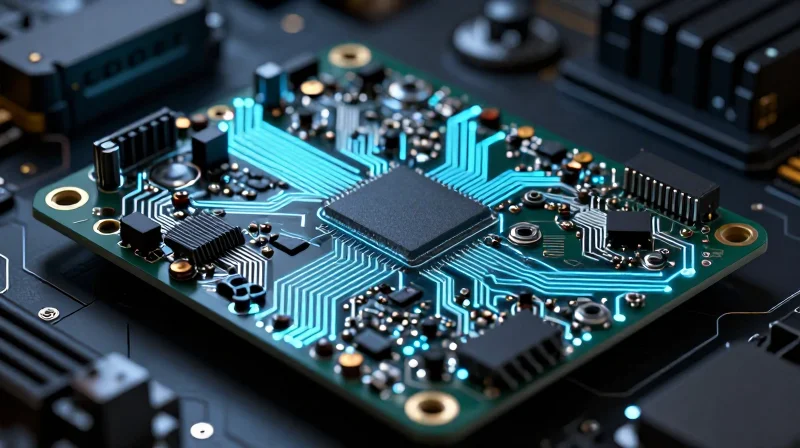
The Imperative of Zero-Failure Architecture
In the context of automotive Engine Control Systems (ECS), an ECU is not merely a component; it is a critical safety node. Unlike consumer electronics that prioritize cost and feature-set, automotive-grade ECUs operate within harsh, high-vibration, and thermally volatile environments. A failure in an ECS does not simply result in a reboot; it can lead to catastrophic engine damage, loss of vehicle control, and life-threatening scenarios on the road. Consequently, reliability is measured in parts-per-billion (PPB) rather than percentage-based failure rates.
Automotive vs. Consumer Standards: A Comparative Overview
| Feature | Consumer Electronics | Automotive ECU |
|---|---|---|
| Temperature Range | 0°C to 70°C | -40°C to 150°C |
| Vibration/Shock | Minimal | High-Stress ISO Standards |
| Design Lifecycle | 1-3 Years | 10-15+ Years |
| Failure Tolerance | Acceptable | Zero-Tolerance (Mission Critical) |
Common Concerns Regarding ECU Reliability
- Why does thermal cycling matter for engine ECUs?
Engines fluctuate between extreme cold and extreme heat. Poorly manufactured PCB assemblies suffer from coefficient of thermal expansion (CTE) mismatch, which leads to solder joint fractures and electrical shorts. - What role do industry certifications play?
Certifications such as IATF 16949 and ISO 26262 act as a benchmark, ensuring the manufacturer has rigorous quality management systems and risk mitigation processes integrated into their production line. - Is standard IPC class 2 sufficient for engines?
No. Automotive engine control demands IPC Class 3 or higher, which mandates stricter requirements for plating thickness, solder filleting, and overall structural integrity to prevent premature degradation.
Essential Quality Standards: IATF 16949 and Beyond
The Non-Negotiable Quality Framework
In the automotive sector, quality is not a feature but a foundation. When manufacturing ECUs, a partner must go beyond basic quality management systems. IATF 16949 represents the gold standard, integrating rigorous process controls, risk mitigation, and continuous improvement strategies that are essential for the high-temperature, high-vibration environment of an engine compartment.
| Standard | Primary Focus | Relevance to ECU PCBs |
|---|---|---|
| IATF 16949 | Automotive Quality Management | Mandatory process control and defect prevention. |
| ISO 9001 | General Quality Management | The baseline certification for any manufacturer. |
| ISO 26262 | Functional Safety | Critical for managing hardware failures in safety-relevant systems. |
Why Functional Safety (ISO 26262) Matters
While IATF 16949 governs the manufacturing process, ISO 26262 dictates the design integrity of safety-critical systems. For an ECU manufacturer, this means the ability to prove traceability and demonstrate that the board design minimizes the risk of catastrophic failure under extreme thermal stress or EMI exposure.
Frequently Asked Questions
- Can a manufacturer without IATF 16949 build reliable ECUs?
While they may produce functional boards, they likely lack the structured document control and deep-rooted failure analysis protocols necessary for the high-reliability requirements of automotive OEMs. - Is ISO 9001 sufficient for automotive PCB sourcing?
No. ISO 9001 is a generic framework. IATF 16949 is specifically built upon 9001 to include automotive-specific requirements like APQP (Advanced Product Quality Planning) and PPAP (Production Part Approval Process). - Does the manufacturer need to be certified for ISO 26262?
It is highly recommended. Working with a vendor experienced in ASIL (Automotive Safety Integrity Level) compliance ensures they understand the rigor needed for safety-critical hardware development.
Evaluating Manufacturing Capabilities for Harsh Environments
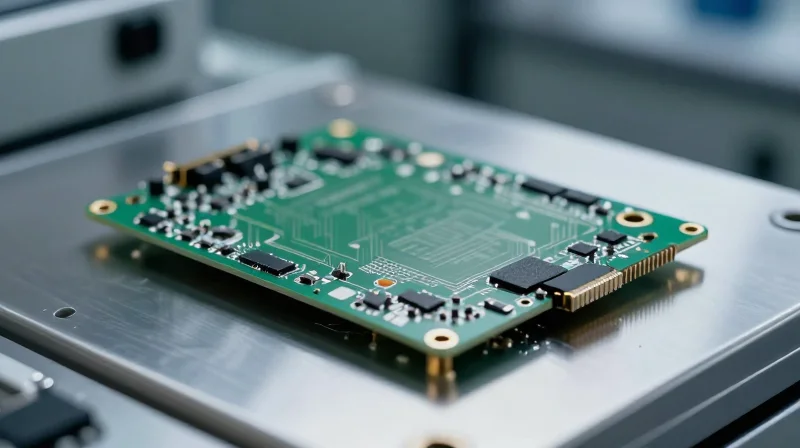
Engine control units operate at the intersection of extreme thermal cycling, high-frequency vibration, and chemical exposure. A manufacturer’s ability to move beyond standard consumer-grade processes to high-reliability fabrication is the single greatest factor in preventing field failures in automotive engine management.
Advanced Substrate and Thermal Management
Standard FR-4 is rarely sufficient for the intense heat profile of an engine bay. High-reliability manufacturing requires expertise in high-glass transition temperature (Tg) materials and thermally conductive laminates that prevent delamination and signal drift under sustained heat loads.
| Parameter | Standard Requirement | High-Reliability Requirement |
|---|---|---|
| Glass Transition (Tg) | 130-150°C | >170-180°C |
| Thermal Conductivity | Low (Standard Epoxy) | High (Metal-backed/Ceramic-filled) |
| Coefficient of Thermal Expansion (CTE) | Moderate | Matched to Copper/Components |
Ensuring Solder Joint Integrity
Mechanical fatigue from vibration causes brittle fractures in solder joints. Manufacturers must demonstrate mastery over advanced assembly techniques to maintain electrical continuity throughout the vehicle's lifespan.
- Does the manufacturer support lead-free high-reliability alloys?
Ensure the partner utilizes specialized SAC alloys or bismuth-containing solders designed to resist thermal fatigue better than standard SAC305. - How is vibration resistance verified?
Check for the application of underfill or edge bonding processes which significantly increase the mechanical resilience of BGA and fine-pitch components. - Is localized cooling managed via thermal vias?
A qualified partner should offer filled and capped via-in-pad technology to facilitate optimal heat transfer away from high-power MOSFETs.
Environmental Resilience Standards
Beyond heat, ECUs face corrosive moisture and fuel vapors. Manufacturers must provide validated conformal coating processes that adhere strictly to IPC-CC-830 standards to ensure boards remain operational in chemically aggressive environments.
Supply Chain Transparency and Risk Management

Ensuring Supply Chain Integrity and Traceability
The complexity of automotive engine control systems demands an uncompromising approach to supply chain transparency. A high-reliability ECU PCB manufacturer must demonstrate full visibility into their sub-tier suppliers, ensuring that every component—from raw laminate materials to microcontrollers—is sourced through authorized, vetted channels to mitigate the risk of counterfeit electronic components.
Strategies for Sub-Tier Supplier Audits
Auditing sub-tier suppliers is not merely a documentation exercise; it is a technical evaluation of manufacturing consistency and quality controls. Manufacturers should enforce strict oversight through the following mechanisms:
- Multi-Tiered Audit Schedules
Conduct recurring on-site audits of critical sub-suppliers to verify adherence to IATF 16949 standards and process control documentation. - Digital Traceability Integration
Require the implementation of Manufacturing Execution Systems (MES) that allow for real-time tracking of component lot numbers from receipt to final board assembly. - Component Authentication Protocols
Utilize visual inspection, X-ray testing, and electrical characterization to detect anomalies in passive and active components received from non-OEM distributors.
Risk Mitigation Frameworks: Standard vs. High-Reliability Models
| Risk Factor | Standard Industrial Approach | Automotive High-Reliability Model |
|---|---|---|
| Component Sourcing | Broker/Marketplace Sourcing | Authorized Direct-from-OEM/Franchise |
| Traceability Depth | Batch/Lot Tracking | Component-Level Serialized Tracking |
| Counterfeit Testing | Sample-Based Visual Check | 100% Automated Optical Inspection (AOI/AXI) |
| Change Management | Notification Only | Formal PCN & Qualification Review |
FAQs on Supply Chain Transparency
- How can I guarantee materials are not counterfeit?
By mandating a closed-loop supply chain that requires certificates of conformance (CoC) and verifying them against the OEM's authorized distributor list. - What role does the PCN play in risk management?
Product Change Notifications (PCN) are vital for maintaining baseline quality, allowing the OEM to re-qualify any modified components or processes before they are integrated into production.
Testing Protocols: From AOI to Environmental Stress Screening

Core Testing Regimes for Automotive ECU PCBs
Reliability in engine control units is not an incidental byproduct of design but a result of rigorous, multi-stage validation. A manufacturer must move beyond basic functional testing to employ advanced structural and environmental inspection techniques that detect latent defects invisible to the naked eye.
| Testing Method | Primary Objective | Defect Detection Focus |
|---|---|---|
| AOI | Surface Integrity | Missing components, misalignment, solder bridges |
| AXI (X-Ray) | Hidden Solder Joints | BGA voids, internal shorts, head-in-pillow joints |
| ESS | Lifetime Reliability | Solder fatigue, thermal stress failures, vibration sensitivity |
Environmental Stress Screening (ESS) Protocols
ESS is designed to accelerate the infant mortality phase of the product lifecycle. For engine-mounted ECUs, this involves subjecting boards to extreme thermal cycling (typically -40°C to +125°C or higher) combined with random vibration profiles to simulate years of engine operation within hours.
Frequently Asked Questions on Validation
- Why is X-ray (AXI) mandatory for ECU boards?
Modern engine ECUs utilize BGA and CSP components with non-visible interconnects; AXI is the only reliable method to verify internal solder bead consistency and identify microscopic voids that cause intermittent failures under thermal expansion. - What should be the pass/fail criteria for vibration testing?
The manufacturer should adhere to ISO 16750-3 standards, ensuring the ECU maintains signal integrity without contact chatter or intermittent open circuits during sustained resonance testing. - How does AOI differ from manual inspection?
AOI utilizes high-resolution cameras and programmed algorithms to ensure 100% repeatability and speed, eliminating the subjectivity and fatigue inherent in human visual inspection.
When auditing a potential partner, request their internal failure reporting and corrective action system (FRACAS) records. A manufacturer's ability to document and close the loop on defects detected during these test stages is the ultimate indicator of their commitment to high-reliability automotive standards.
Engineering Collaboration and Design for Manufacturability (DFM)
The Strategic Value of Early-Stage DFM Integration
High-reliability ECU design requires more than just functional schematics; it demands a seamless transition from virtual layout to physical assembly. Engaging a PCB manufacturer during the initial design phase allows engineers to identify potential failure points—such as copper trace imbalances, improper thermal relief, or drill-hole tolerances—before the first prototype is ever fabricated. This proactive collaboration minimizes design iterations and ensures that the final assembly meets the rigorous IPC Class 3 standards essential for automotive environments.
Optimizing Layout for Automated Assembly
Modern engine control systems utilize high-density interconnects and fine-pitch components that are prone to assembly defects if not properly optimized. A partner providing DFM services acts as an extension of your engineering team, evaluating pad stack geometry, solder mask clearances, and fiducial positioning to guarantee high-yield Automated Optical Inspection (AOI) and surface mount technology (SMT) processes.
| Design Constraint | Impact on Reliability | DFM Recommendation |
|---|---|---|
| Copper Weight | Thermal dissipation and current carrying capacity | Standardize to 2oz or higher for high-power stages |
| Via Placement | Solder wick-away and joint voiding | Use filled and capped vias for SMT pads |
| Component Clearance | Stress accumulation from vibrations | Ensure secondary support for heavy capacitors |
Frequently Asked Questions on Collaborative Engineering
- Why is DFM feedback necessary if our internal team is already experienced?
Internal teams often lack the specific machine-library limitations or proprietary assembly capabilities of a contract manufacturer. DFM ensures that designs are aligned with the specific vendor's line capacity, reducing the risk of 'right-by-design' boards that are impossible to automate efficiently. - Does early engagement increase total project time?
No; while it adds an upfront review period, it eliminates the back-and-forth cycles typically required after failed prototype testing, ultimately shortening the overall time-to-market. - How does DFM affect structural integrity under vibration?
DFM reviews address mechanical stress points by checking component orientation, mounting hole reinforcement, and solder fillet geometries, ensuring the board can withstand the high-frequency vibrations of an internal combustion engine.
Financial Stability and Scalability Assessment
Verifying Fiscal Longevity and Stability
Selecting a partner for automotive ECU production requires more than technical capability; it demands a deep dive into the manufacturer's financial health. An unstable partner risks sudden production stoppages, under-investment in critical testing equipment, or failure to secure long-term component inventory. To mitigate this, perform a comprehensive due diligence check, including requesting audited financial statements, Dun & Bradstreet reports, and evaluating their capital expenditure trends over the last three fiscal years.
Scaling Capacity for Automotive Volumes
Automotive programs often transition from low-volume prototypes to massive production rollouts. A high-reliability manufacturer must demonstrate an agile infrastructure that scales without compromising quality. Assess their ability to expand shifts, implement automated assembly lines (SMT), and manage surge capacity during high-demand cycles.
| Financial Metric | Significance for Automotive OEM | Evaluation Method |
|---|---|---|
| Debt-to-Equity Ratio | Indicates long-term fiscal solvency | Audited balance sheet review |
| R&D Reinvestment | Ensures technology stays current | Annual capital expenditure audit |
| Inventory Turnover | Validates efficient supply chain ops | Supply chain throughput data |
Frequently Asked Questions on Manufacturer Reliability
- How can I assess if a manufacturer can handle a sudden surge in demand?
Request a capacity analysis report that details their maximum throughput capabilities, current utilization rates, and the lead time required to initiate a new production shift or redundant assembly line. - Why is it important to audit their supply chain relationships?
A financially stable manufacturer often enjoys better credit terms and priority access with Tier-1 component suppliers, ensuring you receive critical electronic parts even during global chip shortages. - Should I visit the production facility for a financial assessment?
Yes. An on-site audit reveals the truth behind the paperwork, allowing you to witness equipment age, inventory organization, and the general efficiency of their shop floor operations.
Questions to Ask During the RFP Process
Technical Competency and Quality Assurance
The RFP process is your primary opportunity to move beyond marketing materials and interrogate the manufacturer's actual engineering capabilities. Focus your inquiries on their history with automotive-grade certifications and their internal protocols for managing process variance in engine control applications.
- IATF 16949 Compliance Depth
Beyond simple possession of the certification, ask for evidence of recent third-party audits and their specific approach to managing non-conforming material in the ECU assembly line. - Thermal Management Capabilities
Ask how they validate heat dissipation for high-power engine control components. Request data on their capability to manage heavy copper layers and thermal vias to prevent localized overheating. - Material Traceability Protocols
Inquire about their lot-level traceability system. Can they trace a specific component batch back to the original wafer or reel manufacturer in the event of an engine control unit field failure?
Operational Rigor and Validation
| Assessment Area | Key RFP Question | Expected Indicator of Reliability |
|---|---|---|
| AOI/AXI Coverage | What percentage of solder joints are verified via 3D AXI? | 95%+ coverage with defined false-call reduction metrics. |
| Environmental Testing | Can you perform in-house vibration and thermal shock testing? | Access to dedicated environmental chambers and shaker tables. |
| Scalability | What is your OEE on high-reliability automotive lines? | Consistent uptime metrics exceeding 85% during peak demand. |
Proactive Engineering and DFM
A reliable partner is not a passive assembler but an active engineering collaborator. Use your RFP to confirm their willingness to identify design vulnerabilities before production begins.
- DFM Feedback Loop
Ask: 'How do you structure your DFM feedback reports during the pre-production stage?' Expect a documented process that highlights potential signal integrity issues or assembly risks. - Obsolescence Management
Ask: 'What is your process for EOL (End-of-Life) monitoring?' A top-tier manufacturer should have a proactive system to alert you when semiconductors or passive components move toward obsolescence.
Securing a manufacturing partner for automotive engine controls requires a rigorous, data-driven approach that prioritizes long-term reliability over short-term cost savings. By insisting on verified certifications and strict testing protocols, you protect your product and your reputation. Ready to strengthen your supply chain? Contact our engineering team today for a comprehensive audit of your current manufacturing specifications.
