
In the fast-evolving landscape of sleep apnea therapy, the motor control system is the beating heart of every CPAP device. For design engineers and procurement officers, selecting the right Printed Circuit Board (PCB) is not merely a component choice—it is a critical decision impacting patient safety, clinical efficacy, and regulatory standing. This guide illuminates the path to selecting high-reliability PCB solutions designed to withstand continuous use while meeting stringent medical safety standards.
Navigating Regulatory Compliance: Beyond ISO 13485
The Regulatory Framework: IEC 60601-1 and Beyond
While ISO 13485 establishes the foundation for quality management in medical device manufacturing, it does not mandate specific technical performance. For CPAP motor control systems, compliance with IEC 60601-1 (General Requirements for Basic Safety and Essential Performance) is non-negotiable. This standard mandates stringent electrical safety, thermal management, and fail-safe operation protocols that directly influence your PCB selection process.
| Requirement Category | IEC 60601-1 Implication | PCB Selection Focus |
|---|---|---|
| Dielectric Strength | Preventing electrical shock to patients | High-CTI laminate materials |
| Thermal Management | Preventing enclosure overheating | High-TG materials and thermal vias |
| Fault Tolerance | Ensuring operation during component failure | Redundant circuit paths and UL94-V0 substrates |
Key Regulatory Considerations for PCB Procurement
- Why is Flammability Rating (UL 94-V0) critical?
CPAP devices contain high-speed motor controllers; UL 94-V0 rated materials ensure the PCB will self-extinguish in the event of an electrical short, minimizing fire risks. - How does IEC 60601-1 affect creepage and clearance?
The standard mandates specific spatial distances between conductive paths to prevent arcing; your PCB design files must adhere to these rigid clearance tables, often requiring multi-layer boards to maintain safety margins. - What role does the 'Essential Performance' clause play?
If your motor controller fails, the device must fail into a safe state. This requires design verification that proves high MTBF (Mean Time Between Failures) via controlled manufacturing processes, such as IPC-Class 3 assembly standards.
When sourcing, verify that your PCB manufacturer does not just provide a certificate of conformance for the raw board, but maintains full traceability logs linked back to your design's regulatory submission. Failure to align your PCB material stack with the electromagnetic compatibility (EMC) requirements outlined in IEC 60601-1-2 can lead to costly late-stage redesigns or total certification rejection.
Material Selection for Longevity and Safety
Thermal Management and High-Tg Laminates
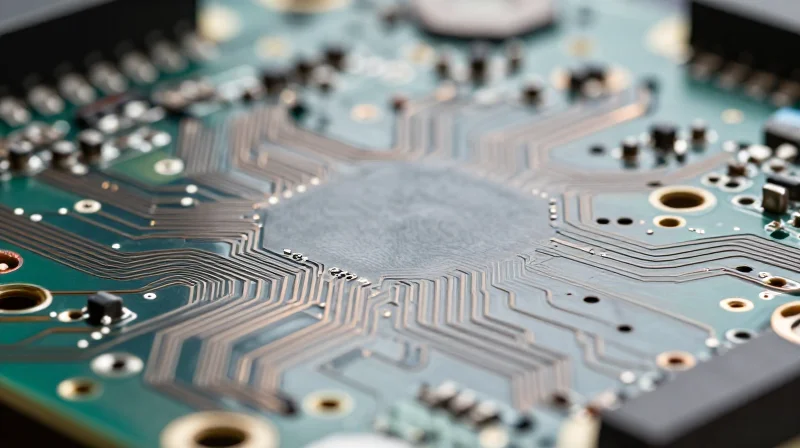
CPAP motor control systems generate continuous heat while managing airflow and pressure. Standard FR-4 substrates may undergo mechanical deformation or experience delamination when subjected to prolonged thermal cycling. To maintain structural integrity, high-Tg (glass transition temperature) laminates are essential. These materials offer improved dimensional stability and prevent the substrate from entering a rubbery state at elevated operating temperatures.
| Material Property | Standard FR-4 | High-Tg Laminate |
|---|---|---|
| Typical Tg | 130°C - 140°C | 170°C - 180°C |
| Thermal Reliability | Moderate | Excellent |
| CTE-z Stability | Low | High |
Flame Retardancy and Safety Standards
Safety in life-support medical devices is non-negotiable. Materials must comply with UL 94-V0 flammability ratings to ensure that if a component failure occurs, the PCB does not contribute to ignition or fire propagation. Buyers must verify that the laminate, solder mask, and silkscreen all meet these rigorous safety specifications to comply with IEC 60601-1 requirements.
Material Selection FAQ
- Why is Tg critical for CPAP boards?
A high glass transition temperature prevents the board from softening during the motor's operation, reducing the risk of via cracking and internal layer delamination. - Does RoHS compliance influence material choice?
Yes. Lead-free soldering processes require higher reflow temperatures, necessitating materials that can withstand greater thermal stress during assembly. - How do I verify material safety?
Request the manufacturer's Certificate of Conformance (CoC) and verify the UL File Number against the Underwriters Laboratories online database for specific V0 ratings.
Optimizing Motor Control PCB Architecture

Optimizing Motor Control PCB Architecture
Achieving high-reliability in CPAP motor control requires a architecture that treats noise suppression and signal integrity as primary design goals rather than secondary considerations. Because these systems operate in close proximity to the patient, electrical noise—if not effectively mitigated—can manifest as audible whine or inconsistent pressure regulation, both of which severely degrade the user experience and long-term therapeutic efficacy.
Key Design Strategies for Signal and Power Integrity
- Separation of Analog and Digital Planes
Isolate high-speed switching signals from sensitive analog feedback loops using split ground planes or bridge topologies to prevent cross-talk and jitter that can destabilize the motor control algorithm. - High-Efficiency Thermal Vias
Place an array of thermal vias directly beneath the MOSFETs and driver ICs to dissipate heat effectively, preventing localized PCB expansion that could lead to micro-cracking in high-vibration CPAP environments. - Optimized Decoupling Strategy
Utilize low-ESR ceramic capacitors placed in close proximity to the switching stages to provide instantaneous current and suppress high-frequency ripple that contributes to audible acoustic noise.
| Design Factor | Performance Goal | Recommended Implementation |
|---|---|---|
| EMI Shielding | Reduce radiated interference | Multi-layer board with solid ground plane |
| Trace Routing | Minimize parasitic inductance | Short, wide high-current paths for motor phases |
| Switching Frequency | Reduce audible noise | High-frequency PWM with soft-start profiles |
Furthermore, engineers must prioritize the layout of the current sensing circuit. By employing Kelvin connection techniques for shunt resistors, the controller can maintain precise monitoring of motor current even during high-load transients. This precision is vital for the safety mechanisms that prevent over-pressure scenarios, ensuring the hardware remains robust under varying breathing patterns.
Thermal Management Strategies for Small Enclosures

Managing Heat in Constrained Environments
Small enclosures inherent to portable or desktop CPAP devices severely limit convective cooling options. To prevent thermal runaway in motor control circuits, engineers must prioritize conductive heat transfer paths directly from heat-generating power MOSFETs and MCU components into the PCB substrate itself.
Strategic Copper Weight and Thermal Vias
Using heavier copper weights (2 oz or higher) on internal ground planes significantly improves the lateral distribution of heat away from hot spots. When paired with high-density thermal via arrays beneath surface-mount power components, this creates a 'heat spreader' effect, effectively utilizing the board's surface area to dissipate thermal energy into the internal layers.
| Thermal Technique | Reliability Impact | Implementation Complexity |
|---|---|---|
| 2oz Copper Planes | High (Reduces Hotspots) | Low |
| Thermal Via Arrays | High (Lowers Thermal Resistance) | Medium |
| Heavy Thermal Vias (Copper Filled) | Extreme (Optimized Path) | High |
| Component Standoffs/Heatsinks | Medium (Requires Space) | High |
Frequently Asked Questions: Thermal Design
- Why is copper weight critical for CPAP motor controllers?
Increased copper weight decreases electrical resistance, reducing I²R heating, and acts as a high-thermal-conductivity plane to move heat away from sensitive motor drive components. - Are filled and capped thermal vias necessary?
For high-reliability CPAP applications, via-in-pad technology filled with conductive epoxy and capped with copper ensures optimal heat transfer without solder wicking issues during assembly. - How does PCB material choice interact with thermal management?
High-Tg laminates are essential as they retain structural integrity at elevated temperatures, preventing delamination caused by cyclical stress of heating and cooling in motor control environments.
Component Sourcing and Supply Chain Resilience
Mitigating Obsolescence in Medical-Grade Designs
The long product lifecycles of medical respiratory equipment often exceed the typical production lifespan of individual electronic components. To prevent costly redesigns mid-cycle, buyers must mandate that contract manufacturers perform regular Bill of Materials (BOM) health checks. High-reliability strategies include utilizing components with established long-term support guarantees and maintaining secondary source files for critical semiconductors.
Strategic Sourcing for Supply Chain Resilience
| Strategy | Risk Mitigation Goal | Operational Impact |
|---|---|---|
| Approved Vendor List (AVL) Expansion | Prevent single-point failures | High redundancy |
| Component Life-cycle Monitoring | Identify EOL notices early | Proactive procurement |
| Buffer Stock Programs | Absorb market volatility | Consistent throughput |
Frequently Asked Questions
- How often should a PCB BOM be reviewed for obsolescence?
For medical CPAP systems, quarterly reviews are the industry standard to ensure early identification of End-of-Life (EOL) notifications for microcontrollers and power management ICs. - Why should medical device OEMs avoid gray market sourcing?
The gray market poses significant risks of counterfeit components, which lack traceability and quality verification, directly jeopardizing patient safety and regulatory compliance. - What is the benefit of a Last Time Buy (LTB) strategy?
An LTB allows the manufacturer to secure inventory for the remaining expected product lifecycle, providing a necessary buffer against abrupt component discontinuation.
Rigorous Testing and Quality Assurance Protocols
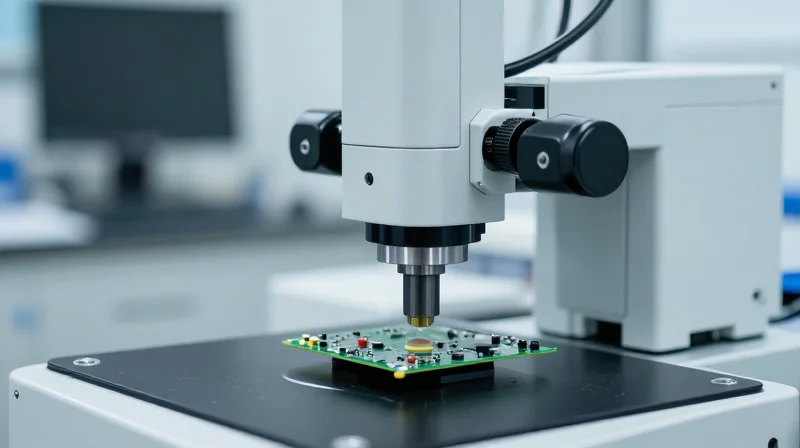
For CPAP motor control systems, quality assurance extends beyond standard functional checks. Given the life-sustaining nature of these devices, PCBs must undergo a multi-layered testing regimen that validates electrical integrity, assembly precision, and long-term environmental robustness. Buyers must demand documented verification of the following testing methodologies to ensure compliance with medical standards like ISO 13485.
Comparative Analysis of Electrical Testing Methodologies
| Method | Best Application | Key Benefit |
|---|---|---|
| In-Circuit Testing (ICT) | High-volume production | Comprehensive component-level diagnostics |
| Flying Probe | Low-to-mid volume/Prototyping | No fixture cost; high flexibility |
| HALT/HASS | Design validation | Accelerated life-cycle stress analysis |
Advanced Stress Testing for Medical Reliability
Highly Accelerated Life Testing (HALT) and Highly Accelerated Stress Screening (HASS) are indispensable for CPAP systems. These protocols involve subjecting PCBs to extreme thermal cycling and rapid vibration profiles far exceeding expected field conditions. This reveals latent defects in solder joints, component interfaces, and board interconnects that standard functional tests often miss, ensuring the device remains resilient against mechanical shock and thermal fatigue over years of daily usage.
Frequently Asked Questions on QA Protocols
- Why is Flying Probe preferred over ICT for specialized medical prototypes?
Flying probe testing offers superior design flexibility without the significant capital expenditure of custom fixtures, allowing for rapid iterations during the design phase of sensitive motor control circuits. - How does HASS testing impact product longevity?
HASS acts as a burn-in process that identifies 'infant mortality' failures early, ensuring that only boards capable of withstanding the rigors of long-term medical operation reach the final assembly line. - Should my CM provide data logs for every board tested?
Yes. For life-critical devices, full traceability via serialized test logs is mandatory to meet regulatory audits and ensure accountability in the event of field failures.
Selecting the Right PCB Fabrication Partner
Essential Criteria for Medical PCB Partners
When sourcing high-reliability PCB solutions for life-critical medical devices like CPAP machines, the manufacturing partner must operate beyond standard commercial capabilities. The ideal partner functions as an extension of your engineering team, prioritizing risk management, strict process control, and full regulatory compliance.
| Attribute | Requirement for CPAP Systems | Significance |
|---|---|---|
| Quality Certifications | ISO 13485:2016 | Ensures compliance with medical device manufacturing standards. |
| Cleanroom Facility | Class 10,000 or better | Reduces contamination risk for sensitive control circuitry. |
| Traceability | Full Lot/Batch Tracking | Essential for recall readiness and regulatory audits. |
| Prototyping | NPI Support | Accelerates transition from design to high-reliability production. |
Strategic Partnership Checklist
- Does the vendor maintain a dedicated medical quality management system?
Ensure they have a documented QMS that specifically addresses the risks associated with motor control and life-sustaining medical devices, not just general consumer electronics. - How is supply chain obsolescence managed?
A high-reliability partner provides proactive lifecycle monitoring and suggests alternative component footprints before end-of-life (EOL) announcements threaten your production schedule. - Can they accommodate specialized thermal management requirements?
Partner with fabricators experienced in thick copper plating, thermal via stitching, and advanced substrate materials necessary for the high-current demands of medical-grade motors. - Is the facility equipped for rigorous post-fabrication validation?
Verify the presence of advanced AOI (Automated Optical Inspection) and X-ray inspection capabilities, which are non-negotiable for identifying microscopic defects in high-density interconnect designs.
Ultimately, the selection process should emphasize transparency. Request documentation regarding their internal process deviation procedures and request a site visit to observe their manufacturing lines. A partner who welcomes audits is one who maintains the high standards required for critical CPAP infrastructure.
Selecting a PCB for CPAP motor control is a balance of precision engineering and uncompromising safety standards. By prioritizing material quality, thermal efficiency, and long-term regulatory compliance, you ensure that your device provides reliable therapy for patients. If you are ready to refine your design or streamline your procurement process, contact our engineering team today to discuss your next medical-grade project.
