
In the high-stakes world of automotive lighting, the margin for error is non-existent. As LED integration becomes standard, the choice of Aluminum Core PCB (MCPCB) manufacturing partner dictates not just production speed, but the ultimate safety and reliability of the vehicle on the road. This guide outlines the rigorous vetting process required to identify a supplier capable of meeting extreme automotive standards.
The Critical Role of Thermal Management in LED Headlights
The Physics of Thermal Degradation in LEDs
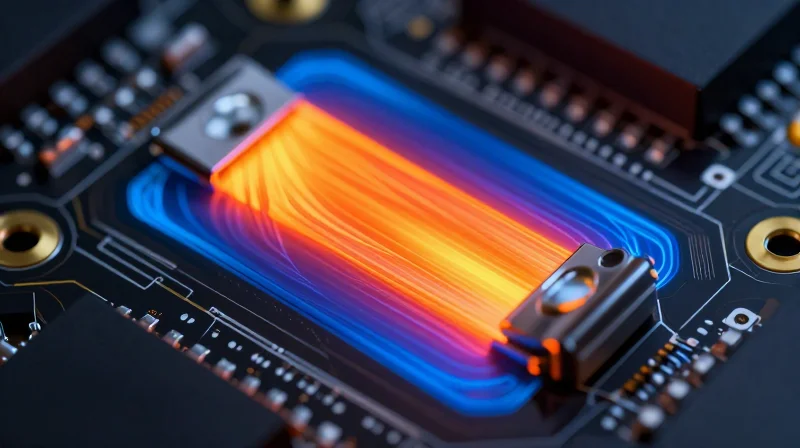
LED headlights generate significant heat at the p-n junction. Unlike incandescent bulbs, LEDs do not emit heat via infrared radiation; instead, the heat is conducted directly through the PCB. If an aluminum core PCB (MCPCB) fails to dissipate this thermal energy efficiently, the LED's junction temperature rises, leading to phosphor degradation, color shift, and irreversible lumen depreciation.
Thermal Management Impact Factors
| Failure Mechanism | Resulting Impact | Thermal Correlation |
|---|---|---|
| Junction Overheating | Permanent Lumen Loss | Directly caused by poor dielectric conductivity |
| Color Shift | Off-spec Light Output | High heat accelerates phosphor aging |
| Solder Joint Fatigue | System Intermittency | Thermal cycling stress due to substrate expansion |
Why Aluminum Core PCBs are the Industry Standard
Aluminum core PCBs are essential in automotive applications due to their superior thermal conductivity compared to standard FR-4 materials. By utilizing a metal base, these boards provide a low-resistance pathway for heat to reach the headlight's heat sink or chassis, maintaining junction temperatures within safe operating limits even under high drive currents.
Frequently Asked Questions
- How does dielectric thickness impact thermal resistance?
A thinner dielectric layer reduces the distance heat must travel from the copper layer to the aluminum base, significantly lowering thermal resistance and improving cooling efficiency. - What is the primary sign of poor thermal management?
Visible yellowing of the LED lens or a noticeable reduction in brightness shortly after power-up usually indicates that the substrate is failing to move heat away from the chip fast enough. - Does the aluminum alloy grade matter?
Yes, high-purity aluminum alloys offer better thermal conductivity than lower-grade recycled alternatives, directly influencing the long-term reliability of the headlight assembly.
Mandatory Quality Standards: Why IATF 16949 Is Non-Negotiable
The Necessity of IATF 16949 in Automotive Electronics
In the automotive supply chain, quality is not a feature; it is a prerequisite for safety. IATF 16949 is the global technical specification and quality management standard specifically developed for the automotive industry. Unlike generic quality standards, IATF 16949 focuses on defect prevention, the reduction of variation, and the minimization of waste. For manufacturers of aluminum core PCBs used in LED headlights, this certification proves they have the process maturity to handle high-volume production without compromising the extreme thermal reliability required by automotive OEMs.
Certification Comparison: ISO 9001 vs. IATF 16949
| Feature | ISO 9001 | IATF 16949 |
|---|---|---|
| Scope | General Quality Management | Automotive-Specific |
| Focus | Customer Satisfaction | Defect Prevention & Safety |
| Supply Chain | General Requirements | Strict Supplier Control |
| Audit Intensity | Standard | High (Including Core Tools) |
Frequently Asked Questions Regarding Automotive Standards
- Can an ISO 9001-only manufacturer be trusted for headlight PCBs?
While ISO 9001 is a necessary foundation, it lacks the specific automotive rigors such as APQP, FMEA, and PPAP protocols. For safety-critical headlight systems, ISO 9001 is insufficient. - Why is the IATF audit process so critical?
The audit process evaluates the manufacturer's ability to maintain process stability under pressure, ensuring that thermal management specifications are identical from the first prototype to the millionth production unit. - Does IATF 16949 impact lead times?
Strict adherence can lead to more thorough documentation and validation phases, but it effectively eliminates catastrophic failures and recalls, ultimately saving time and resources over the lifecycle of the vehicle.
Evaluating Material Selection: Aluminum Base and Dielectric Layers
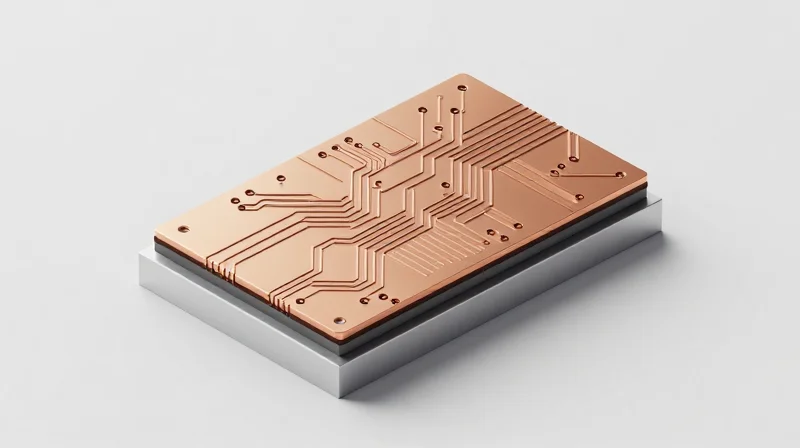
The performance of an aluminum core PCB (MCPCB) for automotive lighting hinges on the synergetic relationship between the aluminum alloy base and the thin dielectric layer. Automotive LED headlights operate under extreme thermal cycles and mechanical vibrations; therefore, material selection must prioritize low thermal resistance, high dielectric breakdown strength, and consistent coefficient of thermal expansion (CTE) matching.
Dielectric Layer: Thermal Conductivity vs. Insulation
The dielectric layer acts as the primary barrier between the circuit and the heat sink. In automotive applications, this layer must be thin enough to minimize thermal resistance while being robust enough to maintain electrical insulation under high operating voltages. Manufacturers must balance thermal conductivity (W/m·K) against dielectric breakdown voltage (kV/mm).
| Parameter | Standard Requirement | High-Performance Requirement |
|---|---|---|
| Thermal Conductivity | 1.0 - 2.0 W/m·K | > 3.0 W/m·K |
| Breakdown Voltage | 2.0 kV | > 4.0 kV |
| Tg (Glass Transition) | 130°C | > 170°C |
Aluminum Base Considerations
The choice of aluminum alloy (typically 5052 or 6061) influences not only the heat dissipation but also the structural integrity of the headlight module. A manufacturer must ensure that the aluminum base is properly treated to prevent oxidation, which can impede thermal transfer, and must be sufficiently rigid to withstand the mounting pressures required in headlamp assemblies.
Material Evaluation FAQs
- Why is the CTE of the dielectric important?
The Coefficient of Thermal Expansion (CTE) must be closely matched to the aluminum base to prevent delamination and mechanical stress fractures during the severe temperature fluctuations inherent in automotive environments. - How does ceramic-filled dielectric improve performance?
Ceramic-filled dielectrics offer significantly higher thermal conductivity than standard resin-based materials, allowing for faster heat dissipation from high-power LED junctions. - Does the aluminum base thickness affect performance?
Yes, while a thicker base offers better mechanical rigidity, it may not improve thermal conductivity linearly; optimal thickness is typically defined by the specific heat sink interface of the headlight housing.
Manufacturing Capabilities and Prototyping Speed

Core Infrastructure Requirements for Automotive PCBs
For automotive LED applications, standard PCB manufacturing processes are insufficient. Suppliers must demonstrate advanced capabilities in handling aluminum substrates without compromising the dielectric layer integrity. Essential infrastructure includes high-speed CNC precision equipment for complex geometry cutting and fully automated optical inspection (AOI) systems capable of detecting microscopic defects that could lead to field failures in vibration-heavy automotive environments.
| Infrastructure Category | Automotive Requirement | Impact on Reliability |
|---|---|---|
| CNC Precision | ±0.05mm tolerance | Ensures precise fitment and vibration resistance. |
| AOI Inspection | Automated 3D scanning | Eliminates human error in detecting solder shorts. |
| Drilling Tech | High-RPM spindle control | Prevents thermal stress micro-cracking in aluminum. |
Prototyping Speed and Iteration Agility
Design iterations for LED headlamps occur rapidly. A manufacturer that offers a dedicated 'NPI' (New Product Introduction) line allows for fast-turn prototyping without disrupting mass production schedules. Look for partners who utilize laser-direct imaging (LDI) for prototype etching, which significantly reduces lead times by eliminating traditional photolithography tooling costs.
Frequently Asked Questions
- Why is CNC precision critical for Aluminum PCBs?
Aluminum is a rigid material. Improper CNC routing can cause burrs or delamination at the edges of the dielectric layer, leading to electrical shorts when installed in a housing. - Does AOI replace electrical testing?
No, it complements it. AOI identifies physical structural defects like misalignment or debris that electrical testing might miss during the early stages of production. - How does LDI speed up prototyping?
Laser Direct Imaging removes the need for physical film masks, allowing design changes to be implemented instantly via digital files, drastically reducing the turnaround time for test batches.
Supply Chain Transparency and Raw Material Traceability
The Imperative of Raw Material Traceability
In the high-stakes automotive industry, transparency extends far beyond the final assembled headlight module. Selecting a manufacturer requires deep visibility into the origin of base aluminum alloys, copper foils, and thermal dielectric polymers. Traceability is the primary mechanism for mitigating risks associated with material contamination, inconsistent thermal performance, and potential recalls stemming from substandard supply batches.
Key Components for Traceability Assessment
- Certificate of Conformance (CoC)
A reputable manufacturer must provide CoCs for every material lot, detailing chemical composition, thickness tolerance, and thermal conductivity ratings that align with industry specs. - Conflict Mineral Compliance
Ensure that your supplier adheres to international regulations regarding tin, tantalum, tungsten, and gold to protect your brand from legal and ethical liabilities. - Lot-Level Serialization
Advanced manufacturers utilize laser marking or automated tracking systems to link individual PCB panels back to the specific raw material batch used in their creation.
Supply Chain Integrity Comparison
| Feature | Reactive Supply Chain | Proactive/Transparent Supply Chain |
|---|---|---|
| Documentation | Periodic logs upon request | Automated real-time digital traceability |
| Supplier Vetting | Price-focused selection | Quality and audit-based selection |
| Recall Capability | Broad 'worst-case' recall | Surgical, batch-specific isolation |
Frequently Asked Questions on Material Sourcing
- How often should I audit my PCB manufacturer’s supply chain?
For automotive LED headlights, annual on-site audits combined with quarterly document reviews for raw material origin certificates are considered best practice. - Why does the specific copper foil origin matter?
Inconsistent purity in copper foil directly impacts adhesion properties and electrical resistivity, which can lead to intermittent LED failures under extreme thermal cycling.
Testing Protocols: Stress Testing for Real-World Automotive Environments
Validation Standards for Automotive LED PCBs
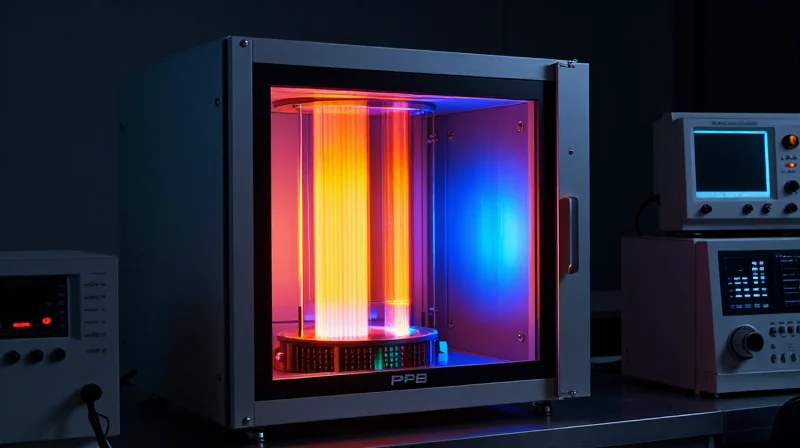
Selecting an aluminum core PCB manufacturer requires a deep audit of their testing infrastructure. Automotive LED headlight systems are subjected to constant thermal cycling, intense vibrations, and long-term electrical stress that can lead to delamination, solder joint fatigue, or dielectric breakdown if the board is not engineered to handle these variables.
| Test Protocol | Primary Failure Mechanism Detected | Industry Benchmark |
|---|---|---|
| Thermal Shock | CTE mismatch between aluminum and dielectric | AEC-Q100 / JESD22-A104 |
| HTOL | Electromigration and dielectric degradation | AEC-Q100 / JESD22-A108 |
| Vibration/Mechanical Shock | Solder fatigue and via cracking | ISO 16750-3 |
Essential Testing Protocols
- Thermal Shock Cycling
Boards must be subjected to rapid temperature fluctuations from -40°C to +125°C. This ensures the bond strength between the aluminum base, the dielectric layer, and the copper circuit layer remains intact despite different coefficients of thermal expansion. - High-Temperature Operating Life (HTOL)
This test measures long-term electrical stability under bias. A reputable manufacturer should perform accelerated aging tests to predict the MTBF (Mean Time Between Failures) of the dielectric insulation. - Vibration and Mechanical Shock
Automotive headlight assemblies face constant road-induced vibrations. Testing protocols must replicate high-frequency engine vibration profiles to ensure that heavy LED components and high-mass connectors do not crack the solder joints or the substrate.
Evaluating Manufacturer Competency
When vetting a manufacturer, demand documentation beyond simple ISO 9001 certification. Request specific IATF 16949 compliance evidence regarding their validation processes. An elite PCB partner will provide detailed Failure Analysis (FA) reports, including cross-sectional micrographs showing the integrity of the aluminum-to-dielectric interface after thermal cycling.
Cost vs. Value: Avoiding the Pitfalls of Low-Bid Suppliers
The Hidden Costs of Low-Bid Procurement
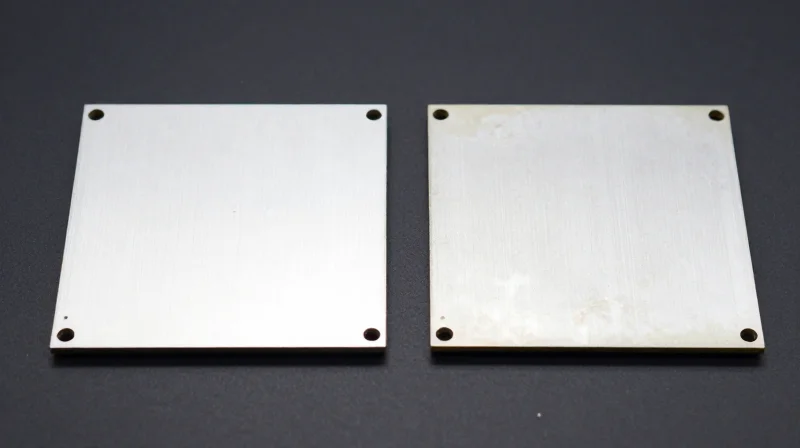
In the automotive sector, the initial procurement savings offered by budget manufacturers are frequently eclipsed by the 'Total Cost of Ownership' (TCO). While a low-bid supplier may appear attractive on a quote sheet, they often sacrifice the precision, materials, and quality assurance processes required for high-performance automotive LED headlight assemblies. Procurement teams must account for the secondary costs associated with manufacturing defects, expedited replacement shipping, and the massive reputational damage caused by headlight failure in the field.
| Risk Category | Low-Bid Supplier Impact | Premium Supplier Advantage |
|---|---|---|
| Dielectric Integrity | Potential delamination or thermal cracking | High thermal conductivity, consistent bond-line thickness |
| Material Sourcing | Use of recycled or off-spec substrates | Certified thermal interface materials, traceable provenance |
| Defect Rates | High scrap rate, inconsistent solder masks | Strict process controls, AOI integration |
| Regulatory Risk | Compliance failure (IATF/ISO standards) | Full PPAP documentation, verified reliability reports |
Evaluating Value Beyond the Unit Price
- How do you calculate the true risk of a low-cost supplier?
Quantify potential downtime, the cost of field recalls, and the man-hours required for intensive incoming quality control inspections that shouldn't be necessary with a reliable partner. - Why is 'Design for Manufacturing' (DFM) support critical?
A premium partner provides DFM feedback that optimizes panel utilization and reduces waste, often lowering total product cost even if the base unit price is higher. - What role does supply chain agility play in total cost?
Low-bid shops often lack secondary supply chains; if they experience a material shortage, the resulting line stoppage at your facility can cost orders of magnitude more than the unit price savings.
To mitigate risk, automotive engineers must look past the price tag to evaluate the manufacturer's operational maturity. An investment in a partner with robust quality management systems and transparent material reporting is not just a procurement decision—it is an insurance policy for the safety and longevity of the vehicle lighting system.
Auditing Your Supplier: On-Site vs. Remote Verification
Verifying Manufacturing Integrity
An audit is the only way to validate that a supplier's operational reality matches their marketing collateral. While on-site audits provide unfiltered visibility into factory floor culture, cleanliness, and maintenance, remote audits leverage digital infrastructure to review documentation and process control in real time. For automotive LED headlight systems, where thermal management is mission-critical, verifying the consistency of dielectric bonding and etching precision is non-negotiable.
| Audit Method | Best For | Key Advantage |
|---|---|---|
| On-Site | Production quality, hygiene, maintenance | Unfiltered observation of shop floor processes |
| Remote | Document review, QMS oversight, certifications | Lower travel costs and frequent, focused sessions |
On-Site vs. Remote Audit Comparison
- Should I choose remote audits exclusively?
No. While remote audits are efficient for reviewing ISO 9001/IATF 16949 documentation, they cannot capture subtle issues like contamination control or operator discipline on the production line. - What is the most critical item to verify on-site?
Look for thermal interface material (TIM) handling and dielectric bonding pressure. Improper handling here causes catastrophic thermal failure in LED arrays. - How do I ensure a remote audit is effective?
Request live video walkthroughs of specific work cells and demand screen-shares of your specific product's routing sheet and internal inspection logs.
Audit Checklist for Automotive PCB Suppliers
Ensure your audit plan includes verifying the following: 1. Equipment Calibration Logs: Confirm that presses and etching lines are calibrated within the last 6 months. 2. Contamination Control: Check for dust filtration levels in the lamination cleanroom. 3. Traceability: Audit the supplier's ability to track a specific PCB batch back to the original copper foil heat number. 4. Waste Management: Ensure the chemical etching disposal processes comply with environmental regulations, as non-compliance can lead to sudden production shutdowns.
Selecting the right partner is an investment in your brand’s reputation. By prioritizing thermal management expertise, strict IATF 16949 compliance, and robust testing protocols, you secure the reliability your automotive LED projects demand. Contact our team of engineering experts today to discuss your next headlamp lighting project requirements.
