
In the race to modernize clinical environments, hospital administrators often focus on software features while overlooking the silent backbone of telemedicine success: the PCB. When vision and motion control boards fail, the consequences extend far beyond a service ticket—they impact patient care and skyrocket operational expenditures. We examine how engineering for reliability transforms hardware from a cost center into a sustainable asset.
The Hidden Costs of PCB Failure in Clinical Settings
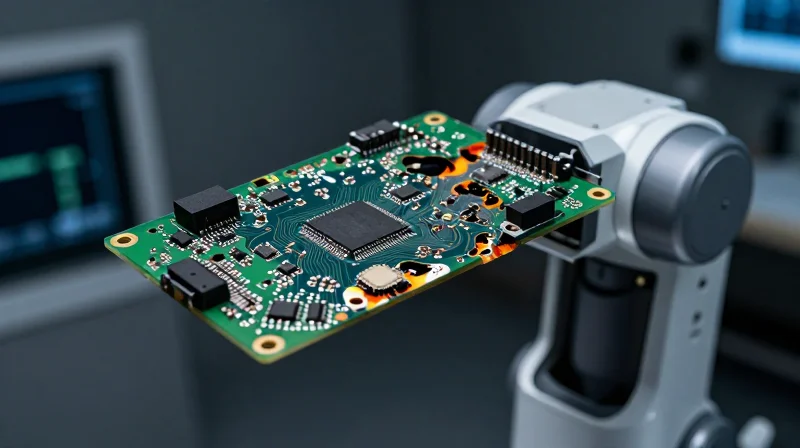
The Financial Cascade of Hardware Failure
When a printed circuit board (PCB) fails in a mission-critical robotic system, the fiscal impact extends far beyond the price of a replacement component. In a high-stakes clinical environment, a singular motherboard malfunction can paralyze entire surgical suites or diagnostic departments, leading to immediate revenue loss from canceled procedures and overtime labor expenses required to recalibrate operational schedules.
| Cost Category | Direct Impact | Hidden Operational Cost |
|---|---|---|
| Clinical Downtime | Surgeries delayed | Staff underutilization and missed throughput targets |
| Diagnostic Reliability | System reboots | Risk of patient misdiagnosis and increased liability |
| Service Logistics | Replacement parts | Emergency logistics and expedited technician deployment |
Operational Risks and Clinical Outcomes
Reliability at the component level is synonymous with patient safety. Optimized motherboard design mitigates the risk of intermittent faults that are often difficult to diagnose, preventing unpredictable hardware 'freezes' that occur during sensitive medical procedures. By minimizing the probability of component-level failure, healthcare facilities ensure the continuity of care and protect their long-term institutional reputation.
Common Failure Points and Implications
- How does PCB thermal fatigue affect ROI?
Inadequate thermal management leads to premature solder joint failure, forcing frequent cycles of expensive off-site repairs that erode the intended five-to-ten-year lifecycle of the robot. - Why is component traceability critical for healthcare robotics?
Lower-quality capacitors or ICs, which often fail under the rigorous power cycling of a hospital environment, necessitate frequent technician site visits, drastically increasing the Total Cost of Ownership (TCO).
Defining Total Cost of Ownership (TCO) in Medical Robotics
Total Cost of Ownership (TCO) for medical robotics is a holistic framework that quantifies the comprehensive financial burden of a system from acquisition through decommissioning. While hospital procurement departments often fixate on the sticker price, the true cost of a robotic platform is heavily influenced by operational expenditures (OPEX) that emerge over the device's five-to-ten-year lifecycle.
The Components of TCO in Medical Robotics
| Cost Category | Description | Impact of PCB/Motherboard Quality |
|---|---|---|
| Direct Acquisition | Initial system purchase price. | Minimal; quality dictates long-term value. |
| Maintenance & Repair | Preventative service and unscheduled downtime. | High; poor thermal design increases failure rates. |
| Technical Labor | Staff wages for troubleshooting and repair. | Directly correlated to mean time to repair (MTTR). |
| Component Lifecycle | Frequency of hardware replacement cycles. | High; reliable boards prevent early obsolescence. |
Moving Beyond Capital Expenditure
In the context of healthcare robotics, operational expenditures frequently exceed initial capital investments by a factor of three within the first five years. The motherboard acts as the heartbeat of these systems. When a motherboard utilizes low-grade components or inefficient thermal management, it becomes a liability that drives up hidden costs. Every instance of board-level failure necessitates not just the cost of a replacement part, but the substantial labor cost of specialized bio-medical engineers and the opportunity cost of an offline robotic surgical suite.
Common TCO Questions for Clinical Operations
- Why does motherboard design affect technician labor costs?
Poorly designed motherboards often lack modularity or robust diagnostic indicators, forcing technicians to spend hours on manual troubleshooting rather than quick component swapping. - How do replacement cycles impact TCO?
A high-quality, long-life cycle motherboard avoids the need for premature platform upgrades, effectively spreading the acquisition cost over a significantly longer period of performance. - Can hardware quality reduce 'soft costs'?
Yes; hardware reliability directly translates to reduced surgery delays and fewer emergency maintenance calls, preventing disruptions to patient care workflows.
Integrating Vision and Motion Control for Enhanced Stability
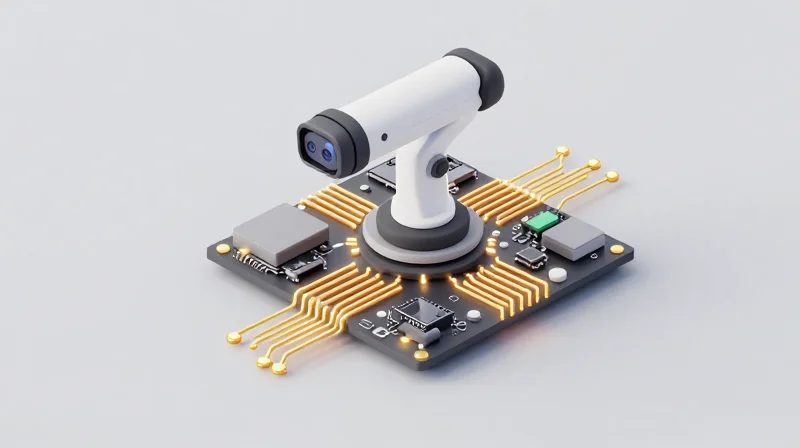
Unified Architecture as a Catalyst for Precision
In high-stakes medical robotics, the synchronization between visual input and mechanical actuation is critical. Traditional designs often utilize separate controller boards connected via long cabling, which introduces transmission latency and susceptibility to electromagnetic interference (EMI). By integrating vision processing pipelines directly onto the primary motherboard alongside motion controllers, engineers can leverage high-speed bus interfaces such as PCIe or dedicated low-latency interconnects. This architectural consolidation ensures that image-to-actuation loops are tightened, preventing the 'jitter' often associated with data bottlenecks and improving the overall stability of surgical or diagnostic procedures.
Reducing Mechanical Strain Through Optimized Routing
Distributed hardware architectures necessitate extensive cabling, which becomes a common failure point due to repeated flexion and vibration within the robotic chassis. Integrating these systems on a single, high-density motherboard reduces the reliance on external wiring looms. This not only mitigates the risk of cable fatigue—a frequent driver of unscheduled downtime—but also improves thermal management and signal integrity. Smaller board footprints allow for more robust shock-absorbing mounting, further insulating sensitive components from the mechanical vibrations generated by high-torque actuators.
| Feature | Distributed Architecture | Integrated Motherboard |
|---|---|---|
| Latency | High (Cable/Bus overhead) | Ultra-Low (Direct trace routing) |
| Failure Points | Multiple cable/connector sets | Minimal; board-level components only |
| EMI Susceptibility | High due to external cabling | Controlled via PCB stack-up |
| Long-term Maintenance | Frequent cable replacement | Periodic board inspections |
Operational Stability FAQ
- How does integration specifically reduce TCO?
By eliminating fragile cabling and reducing signal path length, the frequency of component failure drops, leading to fewer service calls and higher robotic uptime. - Does board integration complicate cooling strategies?
Modern localized power management reduces hotspots, allowing for more streamlined, passive or semi-active cooling solutions that are less prone to mechanical failure than multi-fan systems. - What is the impact on precision?
Lower latency in sensor feedback allows for faster, more accurate adjustments in motion control, which directly translates to improved clinical outcomes and reduced error correction time.
Case Study: From Frequent Repairs to Zero-Touch Reliability
The Challenge: The Cost of Fragmented Hardware
A mid-sized regional hospital faced recurring failures in their autonomous telemetry robots. The legacy motherboards, designed for industrial applications rather than clinical environments, suffered from thermal fatigue and connector oxidation due to constant movement and cleaning protocols. Maintenance logs revealed that 65% of all robot downtime was attributed to hardware-level electrical faults, incurring an average of $4,200 per unit in annual repair costs.
Comparative Performance Metrics
| Metric | Legacy Hardware | Optimized PCB System |
|---|---|---|
| Mean Time Between Failure (MTBF) | 1,200 Hours | 8,500 Hours |
| Annual Maintenance Cost | $4,200 | $450 |
| Field Repair Success Rate | 62% | 98% |
| Projected 5-Year ROI | Negative (Asset Loss) | 142% |
Engineering the Zero-Touch Solution
The transition to a custom, high-reliability PCB design focused on three technical pillars: redundant signal paths, gold-plated high-retention headers, and thermal-dissipating substrates. By integrating the motor controllers and central logic onto a single, conformal-coated board, the design eliminated internal cable-to-board connectors—the primary failure point in the legacy model. This 'Zero-Touch' architecture ensured that the robots could withstand the vibrational stress of carpeted clinical floors and the moisture exposure inherent in standard hospital sanitation cycles.
Operational Impact FAQ
- Why is motherboard integration critical for ROI?
Reducing external connections minimizes signal degradation and mechanical failure points, which drastically lowers the necessity for emergency onsite technician visits. - Did the custom design increase initial capital expenditure?
Yes, initial R&D and unit costs were 20% higher, but the elimination of repair labor and lost-utility costs allowed for a full return on investment within 18 months. - How does hardware reliability impact nursing staff?
With zero-touch reliability, clinical staff experience fewer interruptions in telemetry data flow, leading to higher confidence in autonomous tools and improved patient monitoring consistency.
The Role of Thermal Management in PCB Longevity

The Thermal-Degradation Correlation
In the context of healthcare robotics, the motherboard acts as the central nervous system. Because these units often operate in 24/7 telemedicine or diagnostic environments, thermal fatigue is the silent killer of ROI. Constant heating and cooling cycles induce physical stress on solder joints, electrolytic capacitors, and semiconductor junctions. When a PCB is poorly optimized for heat dissipation, the Arrhenius equation applies: for every 10°C increase in operating temperature, the failure rate of electronic components roughly doubles. By investing in superior thermal design—such as optimized heat-sink placement, thermal vias, and efficient airflow pathways—facilities can exponentially increase the MTBF (Mean Time Between Failures) of their robotic fleets.
Comparing Thermal Management Strategies
| Strategy | Impact on Longevity | ROI Implication |
|---|---|---|
| Passive Heat Sinking | Moderate | Low cost, requires minimal maintenance |
| Active Forced Air | High | Requires fan replacement/dust mitigation |
| Integrated Thermal Vias/Planes | Very High | Higher initial cost, lowest long-term OpEx |
Operational Expenditures and Component Life
Operational expenditure (OpEx) in healthcare robotics is frequently inflated by secondary maintenance requirements. When heat is not managed at the board level, heat-sensitive components like electrolytic capacitors dry out, leading to unpredictable reboots and system instability. Addressing this at the design stage via thermal simulation and intelligent board layout shifts the burden from 'reactive repair' to 'proactive reliability,' effectively extending the lifecycle of the entire robotic unit by several years.
- How does PCB layout influence thermal lifespan?
Strategic component placement separates high-wattage processors from sensitive analog sensors, preventing thermal runaway and signal drift, which preserves both component health and diagnostic accuracy. - Why is fan-based cooling often a liability?
While effective, mechanical fans represent a high failure rate component that introduces dust and debris into the chassis, necessitating more frequent maintenance intervals. - Does better thermal design reduce TCO?
Yes. By minimizing the frequency of board-level repairs and extending the replacement cycle of the robotics system, the Total Cost of Ownership is significantly lowered over the platform's service life.
Material Science and Quality Assurance Standards
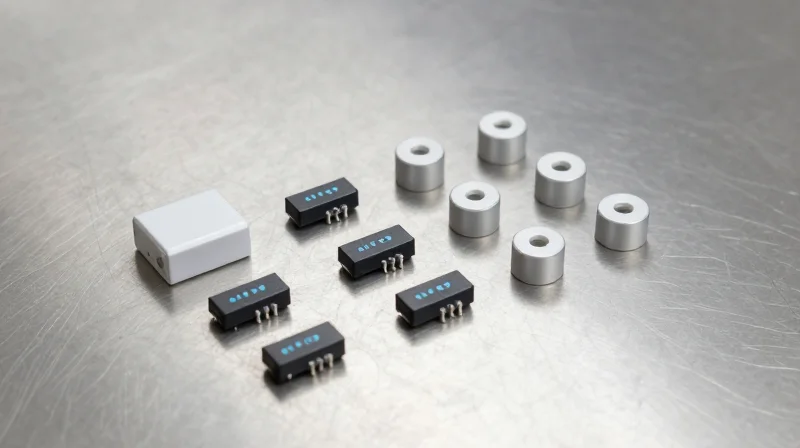
Material Science: Engineering for Clinical Environments
Healthcare robotics must withstand rigorous sanitation protocols, including exposure to harsh chemical disinfectants and high-frequency vibrations. Standard consumer or industrial-grade PCB materials often suffer from dielectric breakdown or substrate delamination under these conditions. By implementing high-glass transition temperature (Tg) laminates and specialized solder masks, engineers can prevent the thermal fatigue and oxidation that lead to latent hardware failures. Advanced material science ensures the motherboard serves as a stable foundation rather than a recurring point of failure.
Comparative Durability Analysis
| Feature | Standard Industrial Grade | Medical-Grade PCB Specification |
|---|---|---|
| Chemical Resistance | Moderate; susceptible to IPA cracking | High; specialized hydrophobic coating |
| Thermal Reliability | Standard Tg (130-140°C) | High Tg (170°C+) for constant operation |
| Signal Integrity | Prone to EMI interference | Enhanced shielding/low-loss laminates |
| Expected Lifespan | 3-5 Years | 7-10+ Years |
Quality Assurance and Regulatory Compliance
Quality assurance (QA) in motherboard manufacturing for medical robotics goes beyond basic functional testing. Rigorous compliance with ISO 13485 and IPC Class 3 standards is non-negotiable. These standards dictate precise requirements for via-hole plating, solder joint integrity, and thermal stress testing. By integrating Automated Optical Inspection (AOI) and X-ray inspection into the production line, manufacturers identify micro-cracks before they reach the clinical floor, thereby avoiding costly field-service recalls.
Frequently Asked Questions on Hardware Standards
- Why is IPC Class 3 standard critical for healthcare motherboards?
IPC Class 3 represents the highest reliability standard, ensuring that critical equipment like robots remains functional in life-support or surgical environments where equipment failure is not an option. - How does material quality impact the long-term ROI?
Higher upfront costs for specialized materials are offset by significantly lower repair frequency, reduced downtime, and the extension of the robotic system's useful lifecycle beyond the standard five-year window. - Does conformal coating provide sufficient protection?
While conformal coating is essential for protection against humidity and chemicals, it must be paired with high-Tg laminates to truly protect the internal integrity of the board during continuous high-performance compute cycles.
Strategic ROI: Calculating the Long-Term Savings
Calculating Total Cost of Ownership (TCO)
The true financial impact of an optimized motherboard design is best understood through the lens of TCO. While high-performance, medical-grade PCB architectures may carry a higher initial procurement cost, they drastically reduce the cumulative expenditure associated with maintenance, downtime, and premature equipment replacement cycles.
| Financial Metric | Legacy Hardware Approach | Optimized PCB Approach |
|---|---|---|
| Component MTBF | Short (2-3 years) | Extended (5-7+ years) |
| Maintenance Frequency | High (Reactive) | Low (Preventative) |
| Downtime Impact | Significant Clinical Disruption | Minimal Service Interruption |
| Long-term ROI | Diminishing (Replacement Cycle) | Compounding (Capital Retention) |
Key Drivers of Operational Expenditure Reduction
- Reduction in Unplanned Maintenance
Optimized thermal management and robust signal integrity on the motherboard prevent localized component degradation, effectively eliminating the labor and logistical costs associated with emergency field repairs. - Extension of Asset Lifecycle
By designing for longevity, hospitals can delay the capital-intensive replacement phase of their robotics fleet, stretching the depreciation schedule across a significantly longer operational horizon. - Minimization of Clinical Downtime
Operational expenditure is not just hardware; it is the opportunity cost of an idle robot. High-reliability motherboards ensure that critical care robotics remain at the bedside rather than in the service depot.
Quantifying MTBF Gains
To calculate the long-term savings, organizations must map Mean Time Between Failures (MTBF) against the cost of field engineering visits. If a standard motherboard design results in a failure every 24 months, while an optimized industrial-grade design extends that to 72 months, the ROI is calculated by subtracting the marginal design premium from the sum of four avoided repair cycles and their associated labor, shipping, and downtime revenue losses.
Total_Savings = (Avoided_Repair_Cost * N_cycles) + (Revenue_Loss_Prevented) - (Design_Premium_Investment)Future-Proofing Infrastructure for Modern Healthcare

The Imperative of Scalable Architecture
Healthcare robotics must perform under increasingly rigorous computational demands, from real-time AI image processing to high-bandwidth sensor fusion. By adopting a 'design-for-upgrade' motherboard philosophy, facilities avoid the 'rip-and-replace' cycle. Integrating modular slots and high-speed I/O interfaces today allows for future hardware acceleration modules—such as dedicated AI inference chips—to be added without replacing the entire robotic platform.
Comparative Analysis: Reactive vs. Proactive Design
| Feature | Legacy/Reactive Approach | Future-Proofed Approach |
|---|---|---|
| Component Lifecycle | Fixed/Locked-in | Modular/Upgradable |
| System Longevity | 3-5 Years | 8-12 Years |
| Upgrade Complexity | Total System Replacement | Component Hot-Swapping |
| Operational Cost | High Over Time | Low/Predictable |
Key Considerations for Long-Term Strategy
- Why is over-provisioning I/O capacity critical?
Providing extra PCIe lanes and peripheral connectors today ensures that future sensor arrays or diagnostic peripherals can be integrated without requiring custom PCB redesigns or complex hardware hacks. - How does firmware abstraction impact ROI?
Decoupling software stacks from hardware-specific registers allows your robotic fleet to receive software updates and security patches long after the initial silicon components become legacy, effectively extending the functional lifespan of the hardware. - What role does thermal headroom play in future-proofing?
Designing PCBs with 20-30% additional thermal dissipation capacity ensures that when more powerful, heat-intensive processors are installed in the future, the board is already physically capable of handling the increased load without degradation.
Ultimately, the strategic investment in robust, modular motherboard architecture transforms robotics from a depreciating asset into a durable platform. By shifting the focus from initial procurement cost to Total Cost of Ownership (TCO), healthcare institutions can ensure that their robotic infrastructure remains compliant, performant, and financially efficient for the next decade.
Optimizing PCB design is not merely an engineering choice—it is a strategic business decision that directly dictates the longevity and profitability of your telemedicine platforms. By prioritizing structural reliability, healthcare providers can dramatically reduce maintenance overhead and ensure that critical care infrastructure remains operational when it matters most. Contact our engineering team today for a comprehensive audit of your current hardware lifecycle strategy and learn how we can help you maximize your ROI.
