
In the hyper-competitive robotics sector, the margin for error is razor-thin. While innovative design wins early adopters, it is the efficiency of PCBA manufacturing that determines long-term commercial viability. This analysis explores how OEM leaders turn electronics assembly from a cost center into a competitive advantage.
The Direct Correlation Between PCBA Quality and Product Lifecycle
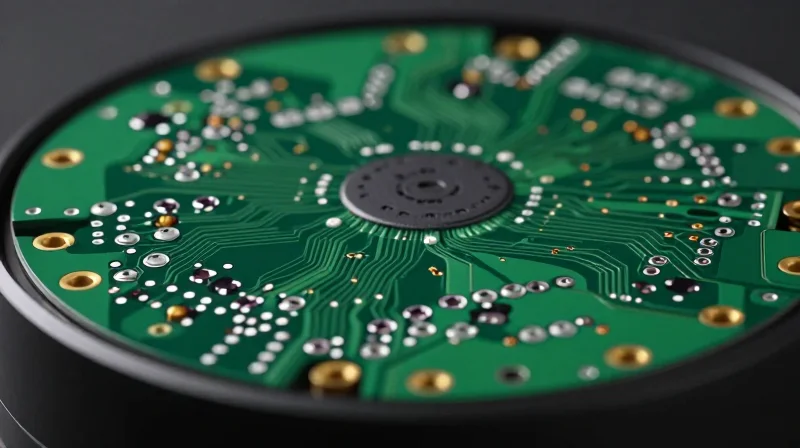
In the highly competitive market for autonomous cleaning robots, the Printed Circuit Board Assembly (PCBA) serves as the central nervous system. When manufacturing precision is compromised, the downstream impact on product lifecycle is catastrophic. Quality-led manufacturing is not merely a compliance requirement; it is a strategic hedge against the high costs of field service, warranty returns, and brand erosion. By prioritizing manufacturing fidelity, OEMs can ensure that their hardware longevity matches the evolving software capabilities of their robots.
Impact of PCBA Fidelity on Field Performance
| Quality Metric | Low-Fidelity Impact | High-Fidelity Benefit |
|---|---|---|
| Solder Joint Integrity | Intermittent connectivity in high-vibration environments | Extended mechanical life during rigorous daily operation |
| Thermal Management | Component degradation and accelerated aging | Optimal power distribution and reduced heat-induced failure |
| Environmental Sealing | Corrosion and short-circuits from humidity | Resilience against dust and debris common in floor care |
Preventing Early-Stage Product Attrition
Autonomous cleaning robots encounter a unique set of stressors, including constant vibration, sudden impact, and dust exposure. Cheap, low-fidelity manufacturing processes often neglect the rigor required to withstand these conditions over a multi-year service life. High-fidelity PCBA partners employ advanced AOI (Automated Optical Inspection) and X-ray inspection to detect hidden defects such as micro-fractures in BGA (Ball Grid Array) packages. Investing in these quality gates at the production phase effectively eliminates the 'infant mortality' rate of robotic units, keeping ROI high by avoiding the massive expense of reverse logistics.
Strategic Considerations: FAQs
- How does PCBA failure shorten the total product lifecycle?
A singular PCBA failure typically renders the entire robotic unit inoperable, forcing expensive board-level repairs or total unit replacement long before the mechanical chassis or software reach their end-of-life. - Why is manufacturing transparency critical for ROI?
Full traceability in manufacturing allows OEMs to identify whether field failures are systemic design flaws or isolated batch issues, enabling rapid correction and minimizing the scope of potential recalls.
Design for Manufacturing (DFM) as a Cost-Reduction Engine
The Strategic Value of Early-Stage DFM Integration
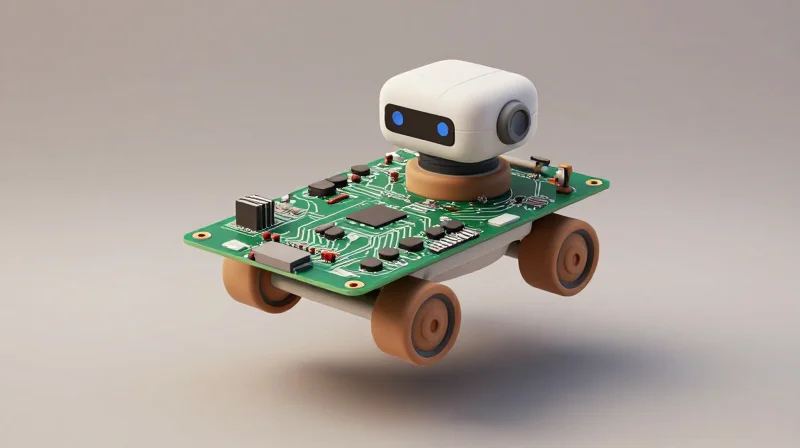
Design for Manufacturing (DFM) is not merely a checklist; it is an architectural strategy that aligns engineering intent with production realities. By involving manufacturing partners during the schematic and layout phases for autonomous cleaning robots, OEMs can identify potential bottlenecks—such as excessive component complexity or non-standard board geometries—long before tooling costs are incurred. This early engagement effectively eliminates the common 'redesign loop' that plagues fast-paced robotic development cycles, ensuring that the transition from prototype to mass production is seamless and fiscally efficient.
Maximizing PCB Panel Utilization
One of the most significant levers for cost reduction in PCBA manufacturing is panel efficiency. Autonomous cleaning robots often utilize unique form factors to fit into compact chassis, which can lead to inefficient material usage if not properly considered. Collaborative DFM allows for intelligent panelization, where board shapes are rotated and nested to minimize 'scrap' area.
| Metric | Reactive Approach | Proactive DFM Strategy |
|---|---|---|
| Redesign Frequency | High (2-3 iterations) | Minimal (Single pass) |
| Panel Scrap Rate | 15% - 25% | Under 5% |
| Tooling Lead Time | Extended due to fixes | Accelerated |
| Unit Cost | High due to material waste | Optimized via panel efficiency |
DFM Efficiency FAQs
- How does DFM specifically reduce the cost of autonomous robotics?
DFM reduces costs by simplifying assembly sequences, allowing for automated optical inspection (AOI) optimization, and selecting components that reduce the need for specialized manual handling. - Can DFM influence component selection for long-term ROI?
Yes, by prioritizing widely available, lifecycle-stable components, DFM prevents future redesigns caused by supply chain obsolescence, maintaining consistent manufacturing throughput. - At what stage is DFM most effective?
DFM is most effective during the 'Concept and Preliminary Layout' phase. Engaging partners before the final BOM release prevents costly 'frozen' design mistakes.
Supply Chain Integration: Mitigating Global Component Volatility
For autonomous cleaning robot manufacturers, the PCB assembly (PCBA) supply chain is the single greatest variable affecting product launch timelines and unit economics. By transitioning from a transactional vendor relationship to a deeply integrated partnership, companies can secure their Bill of Materials (BOM) and shield themselves from the fluctuations of the global semiconductor market.
Securing the BOM Through Proactive Procurement
Relying on spot-market buys for critical components is a primary driver of cost overruns. Strategic partners utilize long-term, non-cancellable, non-returnable (NCNR) agreements and buffer stock programs to lock in availability for high-demand components like SoCs, sensors, and power management ICs. This collaboration transforms procurement from a reactive task into a predictive advantage.
| Strategy | Benefit to ROI | Risk Mitigation |
|---|---|---|
| Vendor-Managed Inventory | Reduced holding costs | High protection against lead-time spikes |
| Strategic Buffer Stock | Prevents production halts | Insulation from market supply shocks |
| Dual-Sourced DFM | Price leverage/Competition | Elimination of single-point-of-failure |
Key Questions Regarding Supply Chain Integration
- How does early partnership mitigate obsolescence risk?
Early engagement allows PCBA partners to perform 'End-of-Life' (EOL) analysis on your BOM, identifying at-risk components early and facilitating seamless design-in replacements before a crisis arises. - Can integration actually lower total cost of ownership?
Yes. By aligning supply chain forecasts with the manufacturer's capacity planning, you eliminate the premium 'expedite' fees and air-freight costs typically incurred during supply chain disruptions. - What role does transparency play in BOM management?
A shared digital dashboard for real-time tracking of component inventory and lead times fosters proactive decision-making rather than reactive fire-fighting when supply chain bottlenecks occur.
Implementing a Resilient Supply Chain Workflow
1. Forecast Alignment: Share 12-18 month build projections with the PCBA partner.
2. Risk Assessment: Categorize components by 'Single Source' vs 'Multi-Source' risk.
3. Strategic Buffering: Authorize pre-buying of high-risk silicon/IC inventory.
4. Design Agility: Maintain secondary 'drop-in' footprints in PCB layouts.
Reducing Unit Costs Through Advanced Assembly Automation
Driving Efficiency with Automated Assembly
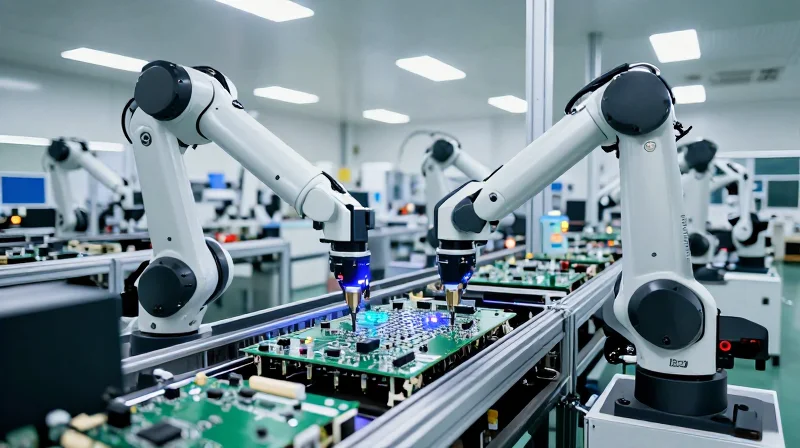
For next-generation autonomous cleaning robots, where internal space is at a premium and PCB density is high, manual assembly is no longer viable. Partnering with manufacturers that utilize high-speed Surface Mount Technology (SMT) lines allows for rapid, consistent component placement. By minimizing manual intervention, manufacturers can dramatically reduce labor costs per unit while simultaneously enhancing placement precision, which is critical for the complex sensor arrays and processing modules found in modern robotics.
The Role of Automated Optical Inspection (AOI)
Automated Optical Inspection (AOI) acts as a force multiplier for cost reduction. By integrating AOI directly into the production line, defects—such as solder bridges, tombstoning, or misaligned components—are identified in real-time. This eliminates the need for expensive post-production troubleshooting and reduces the scrap rate significantly. Early detection ensures that issues are resolved at the lowest possible point in the value chain, safeguarding ROI.
| Feature | Manual Assembly | Automated SMT/AOI |
|---|---|---|
| Throughput | Low | Very High |
| Unit Labor Cost | High | Minimal |
| Consistency | Variable | Precision-Controlled |
| Error Detection | Reactive/Manual | Proactive/Automated |
Key Considerations for ROI Optimization
- How does automated assembly impact scale?
Automation provides exponential scalability. As production volumes grow, the setup costs for SMT lines are amortized over more units, continuously driving down the marginal cost per board. - Why is AOI superior to manual testing for robotics?
Robotic PCBA boards often feature fine-pitch components that are invisible to the naked eye. AOI utilizes high-resolution cameras to verify placement and solder integrity that manual inspection would consistently miss, preventing costly field failures. - Does high-speed SMT affect quality?
Contrary to the perception that speed leads to error, high-speed SMT lines utilize closed-loop feedback and calibration systems that yield higher precision than manual placement, resulting in lower rework rates.
The Role of Rigorous Testing Protocols in Long-Term Reliability

The Necessity of Multi-Stage Testing Frameworks
For complex autonomous systems, simple visual inspection is insufficient. A multi-layered testing strategy—integrating In-Circuit Testing (ICT), Flying Probe, and Functional Testing (FCT)—serves as the primary barrier against premature field failures. By validating electrical continuity, component tolerances, and firmware performance during the production stage, manufacturers protect the robot's reliability in harsh domestic and commercial environments.
| Test Method | Primary Focus | Benefit to ROI |
|---|---|---|
| In-Circuit Testing (ICT) | Shorts, opens, component values | High-speed fault detection for mass production |
| Flying Probe | Low-volume prototype validation | No expensive custom fixture costs |
| Functional Testing (FCT) | System behavior & firmware | Ensures end-user functionality & safety |
Maximizing Reliability Through Functional Verification
While ICT validates the structural integrity of the PCB, Functional Testing (FCT) simulates the robot's operating environment. By connecting sensors, motor drivers, and battery management systems to a test rig, the manufacturing partner ensures that the PCBA behaves correctly under load. This stage is critical for autonomous robots, as it catches intermittent issues that could otherwise lead to erratic navigation or mechanical failure.
Frequently Asked Questions on Quality Assurance
- Why is ICT still relevant despite AOI advancements?
Automated Optical Inspection (AOI) catches physical defects, but ICT identifies 'hidden' electrical failures like incorrect component values or internal shorts that cameras cannot detect. - How does rigorous testing prevent ROI erosion?
Early detection prevents defective units from reaching assembly lines or the customer, drastically reducing the labor-intensive costs of rework, reverse logistics, and reputational brand damage. - When should we transition from Flying Probe to ICT?
Transition to ICT once the design is mature and production volumes increase enough to justify the upfront investment in custom test fixtures, which reduces per-unit test time.
Case Study: Scaling Production for Autonomous Cleaning Units
The Challenge: Scaling Complexity in Autonomous Systems
A leading provider of commercial autonomous floor-cleaning robots faced severe margin erosion when scaling production. As demand surged, their legacy procurement strategy—relying on fragmented, small-batch suppliers—resulted in inconsistent quality, high overhead, and exposure to component price volatility. The company recognized that to scale effectively, they needed to consolidate their PCBA manufacturing through a strategic partner capable of integrated engineering and high-volume production.
Strategic Transformation Metrics
| Metric | Legacy Approach | Strategic Partnership |
|---|---|---|
| Procurement Lead Time | 16-20 Weeks | 8-10 Weeks |
| First Pass Yield | 92.5% | 99.2% |
| Unit Production Cost | Baseline | -15% Reduction |
Operational Execution: The Path to 15% ROI Improvement
The shift focused on three core pillars: Design for Manufacturing (DfM) optimization, global supply chain leverage, and automated quality control integration. By collaborating with a strategic PCBA partner early in the design cycle, the OEM simplified board layouts, reduced component counts, and adopted common-use parts. This reduced inventory complexity while simultaneously improving purchasing power with semiconductor manufacturers.
- How did DfM influence production costs?
The partner performed a comprehensive DfM review, removing redundant components and specifying standard footprints, which directly lowered materials spend and accelerated assembly speeds. - What was the role of the partner's global footprint?
The partner leveraged a global network to switch production to lower-cost regions during non-peak times, effectively insulating the OEM from regional inflation and logistical bottlenecks. - How was quality maintained during the ramp-up?
Implementing Automated Optical Inspection (AOI) and synchronized ICT protocols meant that quality issues were identified and corrected at the machine level rather than post-assembly, minimizing waste.
Strategic Partnerships: Beyond Commodity Manufacturing

The Shift to Collaborative Engineering
Transitioning from a transactional vendor relationship to a strategic manufacturing partnership allows robotics OEMs to integrate PCBA suppliers directly into the design-for-manufacturability (DfM) process. Instead of providing static Gerber files for execution, collaborative partners offer early-stage feedback on component availability, board-level thermal management, and assembly optimizations that drastically reduce time-to-market and lifetime costs.
Comparative Analysis: Transactional vs. Strategic Models
| Feature | Transactional Vendor | Strategic Partner |
|---|---|---|
| Involvement | Execution only | Design-in integration |
| Cost Focus | Unit price reduction | Total cost of ownership |
| Communication | Reactive/Ticketing | Proactive/Collaborative |
| Risk Mitigation | Limited responsibility | Joint supply chain resilience |
Key Advantages of Deep Integration
Strategic partners act as an extension of the OEM's engineering team, providing critical insights into emerging sensor technologies and power management architectures vital for next-generation autonomous cleaners.
- Why does early DfM engagement reduce ROI?
Early involvement allows manufacturers to identify layout constraints, optimize component placement for automated assembly, and propose cost-effective alternatives before the design is locked. - How do strategic partnerships mitigate supply chain volatility?
Partnerships foster transparency, allowing shared visibility into component lifecycles and early access to buffer stocks, preventing production halts caused by market shortages. - What is the impact on long-term product reliability?
Collaborative partners invest in shared quality goals, utilizing specialized testing jigs and reliability data gathered from previous runs to refine future iterations of your cleaning robot electronics.
Optimizing your PCBA strategy is the defining step for moving your autonomous cleaning robot from prototype to mass-market leader. By prioritizing quality and engineering alignment, you insulate your brand from field failures while maximizing bottom-line profitability. Ready to scale your production? Contact our engineering team today to review your current assembly strategy and unlock your true ROI potential.
