From the smartphones in our pockets to the sophisticated medical equipment in hospitals, electronic devices are the backbone of modern life. This article dives into the fascinating world of electronics, exploring their fundamental principles, diverse applications, and the ongoing evolution shaping our daily experiences. We'll not only examine the core components of these devices but also investigate how they seamlessly blend into our lives, impacting everything from communication to entertainment, and automation, and delve into the societal aspects that link technology and humanity.
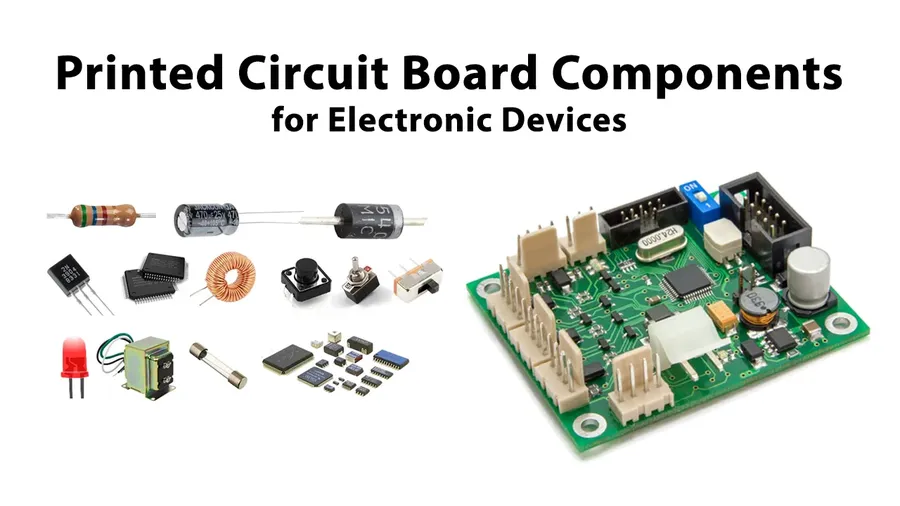
At the heart of all electronic devices lies the fundamental principles of electricity: electrical current, voltage, and resistance. These concepts dictate how electrons move, how much energy they carry, and how much they are hindered within a circuit. The manipulation of these principles, largely through the use of semiconductors and integrated circuits, enables the vast array of electronic functions we rely on daily.
Specifically, current refers to the flow of electrical charge, measured in amperes (A); voltage, measured in volts (V), represents the electrical potential difference driving the current; and resistance, measured in ohms (Ω), is the opposition to current flow. These parameters are interconnected by Ohm's Law (V = IR), a foundational principle in circuit analysis. The control and modification of these basic electrical properties through components like transistors and diodes allow for computation, signal processing, and other sophisticated functions within electronic devices.
| Parameter | Symbol | Unit | Description |
|---|---|---|---|
| Electrical Current | I | Ampere (A) | The flow of electric charge. |
| Voltage | V | Volt (V) | Electrical potential difference driving current. |
| Resistance | R | Ohm (Ω) | Opposition to the flow of current. |
Semiconductors, such as silicon, play a crucial role due to their ability to behave as either conductors or insulators based on external conditions, a property that is fundamental to controlling electrical current flow and creating logic gates, which are the building blocks of integrated circuits. Integrated circuits, commonly known as microchips, contain thousands or millions of transistors, resistors and capacitors within a small area, enabling complex functionalities in electronic devices. The careful design and manufacturing of these components allows for the precise control of electrical signals. Understanding these core principles is essential to comprehending how electronic devices process information, communicate, and perform diverse tasks.
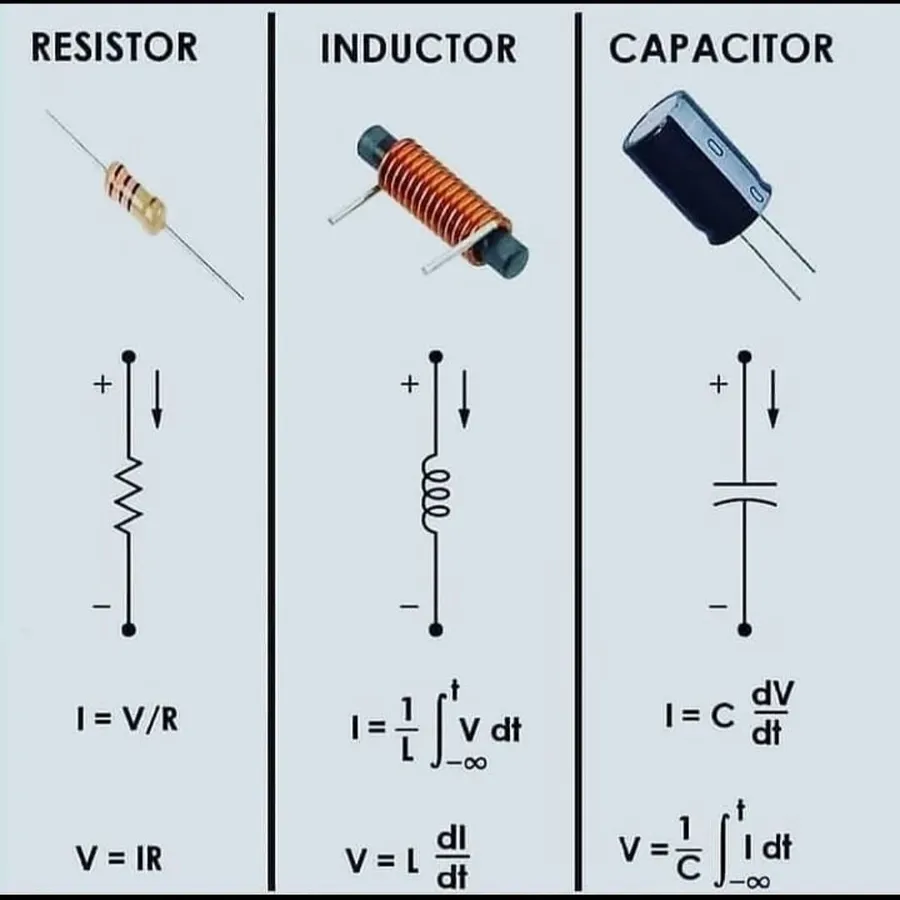
Electronic devices are constructed from fundamental components that perform specific functions to enable the overall operation of the device. These components, including resistors, capacitors, diodes, transistors, and integrated circuits, are the building blocks of all electronic systems, controlling and manipulating electrical signals.
| Component | Function | Role in Electronic Devices |
|---|---|---|
| Resistors | Limit or reduce current flow in a circuit. | Used for setting bias, controlling signal levels, and providing voltage drops. |
| Capacitors | Store electrical energy in an electric field and block DC while passing AC. | Used for energy storage, filtering, coupling signals, and timing circuits. |
| Diodes | Allow current to flow in one direction while blocking it in the opposite direction. | Used for rectification, signal detection, and protecting circuits from reverse polarity. |
| Transistors | Amplify or switch electronic signals and electrical power. | Used for amplification, switching, and acting as the fundamental building block of logic circuits. |
| Integrated Circuits (ICs) | Package multiple transistors and other components on a single semiconductor chip. | Used for performing complex functions and building entire systems in a compact size. |
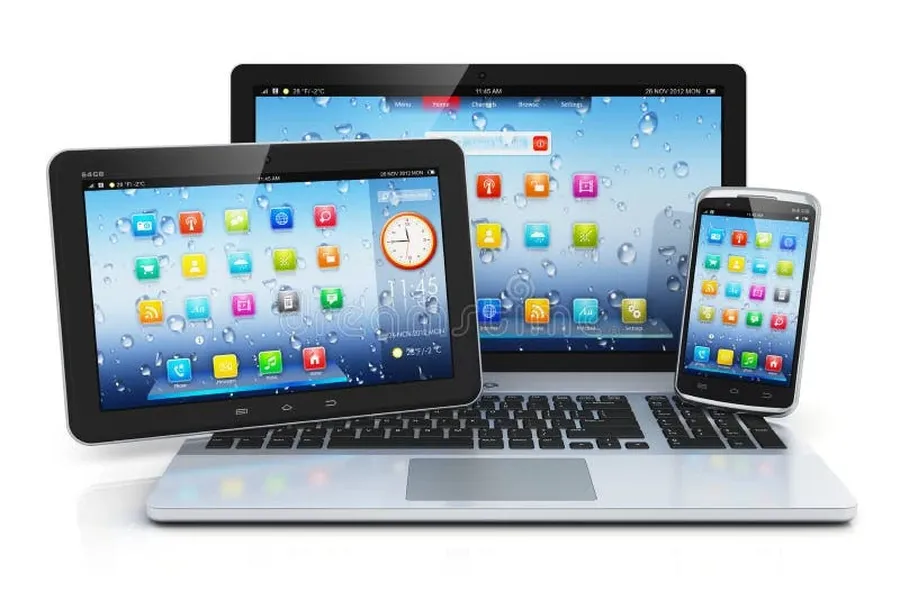
Electronic devices permeate nearly every facet of modern life, ranging from personal gadgets to sophisticated industrial and medical tools. These devices, characterized by their ability to manipulate electrical currents to perform various functions, can be broadly categorized based on their applications and design. This section explores the diversity of electronic devices and their specific roles across various sectors.
| Device Category | Examples | Typical Applications |
|---|---|---|
| Consumer Electronics | Smartphones, laptops, TVs | Entertainment, communication, personal productivity |
| Industrial Electronics | PLCs, robotics | Manufacturing, automation, process control |
| Medical Devices | MRI machines, ECGs | Diagnosis, treatment, patient monitoring |
| Communication Technologies | Routers, satellites | Data transmission, network infrastructure |
| Aerospace and Defense | Radar systems, navigation devices | Surveillance, communication, control |
| Automotive Electronics | ECUs, ABS | Vehicle control, safety, infotainment |

Consumer electronics have become integral to modern life, encompassing a vast array of devices designed for personal use. These devices, including smartphones, laptops, tablets, televisions, gaming consoles, and wearable technology, have reshaped daily routines and societal interactions, significantly impacting how we communicate, work, and entertain ourselves.
Below are the details of different devices with their advantages and disadvantages:
| Device Type | Description | Advantages | Disadvantages |
|---|---|---|---|
| Smartphones | Handheld mobile devices combining computing and communication features. | High portability, versatile apps, constant connectivity. | Limited battery life, potential for distraction, privacy concerns. |
| Laptops | Portable personal computers with a full operating system. | Powerful processing, suitable for complex tasks, versatile usage. | Less portable than smartphones, higher cost, potential security risks. |
| Tablets | Portable touch-screen devices, larger than smartphones, smaller than laptops. | Good for media consumption, easy to use, light weight. | Limited functionality compared to laptops, less powerful processing. |
| Televisions | Display devices for visual media, ranging from LCD to OLED. | High quality display , great for home entertainment, large screen size. | Limited portability, can be costly, energy consumption can be high |
| Gaming Consoles | Specialized devices for playing video games, both home and handheld. | Immersive gaming experience, access to exclusive titles. | Cost of console and games, may require a TV or display, potential for addiction. |
| Wearable Technology | Devices worn on the body, such as smartwatches and fitness trackers. | Personalized tracking, convenience, health monitoring. | Limited battery life, privacy concerns, potential for data inaccuracies. |
The evolution of these devices has been rapid, marked by increasing processing power, enhanced display technologies, and the miniaturization of components. This progress has transformed these devices from simple tools into multifunctional devices that are now indispensable to daily life.
While both electrical and electronic devices operate using electricity, their core functions and applications differ significantly. Electrical devices primarily handle the transmission and conversion of electrical power, whereas electronic devices are designed for information processing and control.
| Feature | Electrical Devices | Electronic Devices |
|---|---|---|
| Primary Function | Power transmission and conversion | Information processing and control |
| Core Components | Resistors, capacitors, inductors, transformers | Semiconductors, transistors, integrated circuits (ICs), microprocessors |
| Signal Type | Primarily analog signals | Both analog and digital signals |
| Complexity | Generally simpler designs | Generally more complex designs |
| Examples | Light bulbs, heaters, motors, power lines | Computers, smartphones, TVs, sensors |
The distinction lies in the nature of their processing capabilities. Electrical devices facilitate the flow of electrical current to achieve a physical task, such as generating heat or motion. Electronic devices manipulate electrical signals to perform logical operations and data processing. This key difference is driven by the complexity of their respective internal components, with electronic devices utilizing sophisticated components like semiconductors and integrated circuits that allow for computational capabilities.
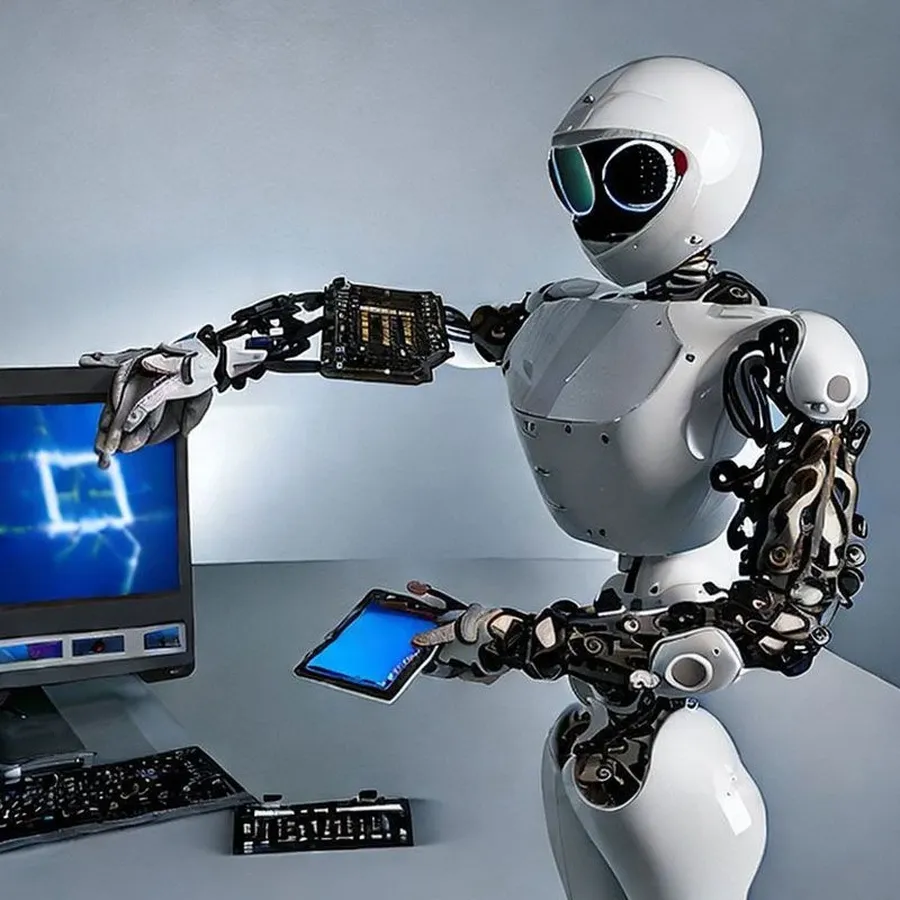
Electronic devices have profoundly reshaped modern society, creating a double-edged sword of technological advancement. While offering unprecedented convenience and capabilities, they also introduce significant societal and environmental challenges. Understanding both the benefits and drawbacks is crucial for responsible integration of these technologies.
The positive impacts are undeniable, but the negative aspects require careful consideration and mitigation. Here's a breakdown of some key areas:
The transition to a technologically driven society requires careful navigation of these complex issues. Addressing challenges such as e-waste management, cyber security protocols, and equitable access to technology is critical for ensuring that the positive impacts of electronic devices are shared across all of society while minimizing their negative consequences.
| Impact Area | Positive Effects | Negative Effects | Mitigation Strategies |
|---|---|---|---|
| Communication | Instant global connectivity, diverse interactions | Social isolation, reduced face-to-face engagement | Promote balanced digital and real-world interaction |
| Information Access | Widespread access to knowledge, enhanced learning | Misinformation spread, filter bubbles | Promote media literacy, fact-checking |
| Economy | Increased productivity, automation, new jobs | Job displacement, income inequality | Retraining programs, support for displaced workers |
| Environment | Resource optimization in some sectors | E-waste pollution, resource depletion | Promote circular economy, sustainable manufacturing |
| Privacy & Security | Convenient data storage and sharing | Data breaches, identity theft, surveillance | Implement strong security, data protection laws |
This section addresses common inquiries about electronic devices, providing clear and concise answers to help you better understand their function, types, and applications. We aim to resolve typical questions and offer insightful explanations based on fundamental principles.
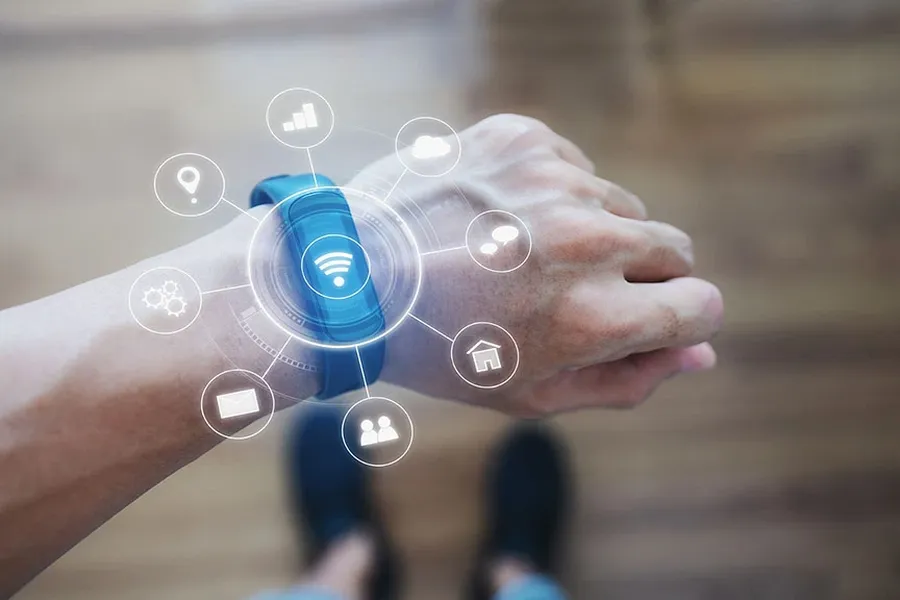
The trajectory of electronic devices is rapidly evolving, driven by advancements in artificial intelligence, the Internet of Things, materials science, and sustainable practices. These trends promise to transform how we interact with technology and the world around us.
| Trend | Description | Potential Implications |
|---|---|---|
| AI-Powered Devices | Integration of AI for enhanced user experience and automation. | Personalized devices, proactive assistance, increased efficiency |
| Internet of Things (IoT) | Interconnected networks of devices. | Smart homes, connected vehicles, industrial automation. |
| Flexible Electronics | Devices that can bend, stretch, or fold. | Wearable sensors, foldable displays, implantable devices. |
| Sustainable Electronics | Eco-friendly materials and practices. | Reduced environmental impact, responsible e-waste management. |
Selecting the appropriate electronic device requires a thoughtful evaluation of your needs, financial resources, and specific requirements. Prioritizing factors like performance, features, and durability will ensure you make a purchase that meets your expectations and offers long-term value.
Electronic devices are the unsung heroes of our time, powering our world and shaping our future. From fundamental components to sophisticated systems, electronics have become an indispensable part of modern life. As technology advances, the potential for innovation in this field is boundless, promising a future where electronic devices continue to enhance human potential and transform how we interact with the world, pushing the boundaries of what’s possible and seamlessly integrating into our daily routines and society at large. This evolution is not just about technological advancement but about shaping a more connected, efficient, and innovative world through the power of electronics.

