In the realm of marine propulsion and robotics, the paddle wheel stands as a time-tested mechanism, offering reliable power and maneuverability. However, the heart of any efficient paddle wheel system lies in its control board – the intricate electronic circuit responsible for orchestrating the motor's actions, speed, and direction. Zero One Solution Limited, a leading PCB solution provider specializing in rapid prototyping, understands the critical role these control boards play. This article delves into the world of paddle wheel drive control board solutions, exploring their design, functionality, and the benefits they bring to various applications. As industries increasingly demand precise and reliable control systems, understanding the intricacies of these boards becomes paramount. Join us as we explore how Zero One Solution Limited empowers innovation through cutting-edge PCB solutions.
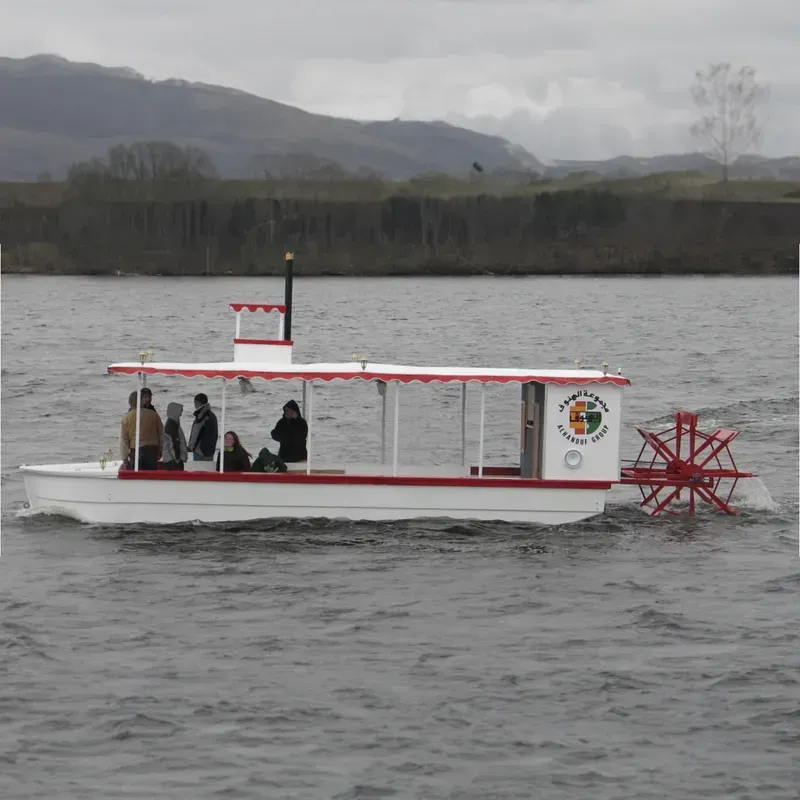
Paddle wheel drive systems, an ingenious and historically significant propulsion method, offer robust and versatile solutions across diverse industrial and recreational applications. From their origins in historical steamboats to modern, precision-controlled robotics and specialized aquatic vehicles, these systems leverage the simple yet effective principle of rotating paddles to generate thrust or movement. The efficacy and broad applicability of paddle wheel technology underscore its enduring relevance, particularly when paired with advanced control mechanisms that optimize performance and efficiency.
| Application Sector | Key Use Cases | Benefits of Paddle Wheel Drives |
|---|---|---|
| Marine & Aquatic | Leisure boats, shallow-draft vessels, aquatic weed harvesters, sediment management systems | Excellent maneuverability in shallow water, reduced draft, robust operation in debris-laden environments |
| Industrial Robotics | Autonomous underwater vehicles (AUVs), specialized inspection robots, amphibious robots | Precise control for delicate tasks, versatile movement over varied terrains (land/water), energy efficiency for extended missions |
| Agriculture | Aerators for aquaculture ponds, irrigation channel cleaners | Effective oxygenation, efficient debris removal, low maintenance compared to propeller-based systems |
| Recreation & Tourism | Paddle boats, tourist ferries, educational exhibits | Quiet operation, unique aesthetic appeal, accessible and safe for public use |
At the core of any high-performance paddle wheel drive system lies the control board, acting as its intelligent central nervous system. This critical component orchestrates the intricate dance between user input, environmental conditions, and motor output, directly influencing the efficiency, precision, and longevity of the entire system. Without a robust and intelligently designed control board, a paddle wheel drive cannot achieve optimal speed regulation, precise directional control, or reliable long-term operation, making its role paramount in both performance and safety.
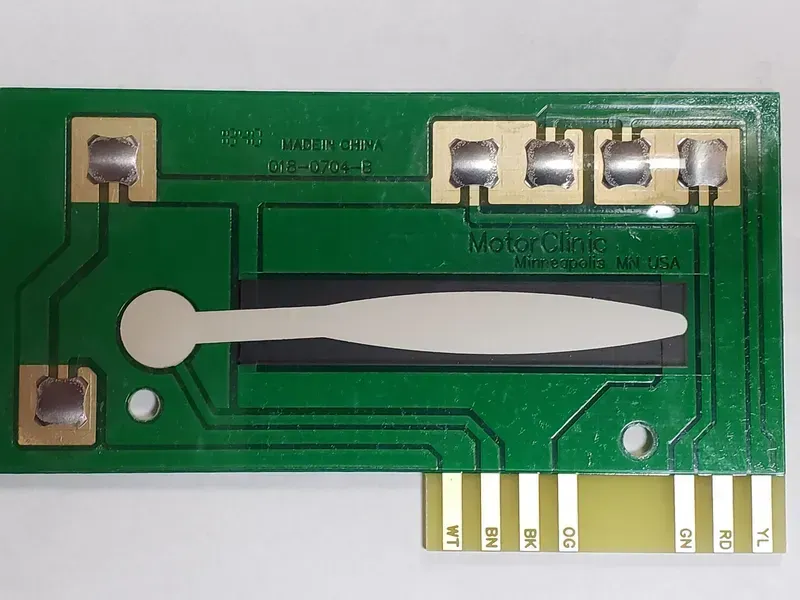
A robust paddle wheel drive control board is the technological heart orchestrating precise movement and optimal performance. Understanding its core components is crucial for designing and implementing reliable and efficient paddle wheel systems. These essential building blocks work in concert to translate control signals into the mechanical actions required for propulsion and steering.
| Component Type | Primary Function | Key Considerations for Paddle Wheel Systems |
|---|---|---|
| Sensors | Provide real-time feedback on system status (e.g., motor speed, position, current, temperature). | Hall effect sensors for motor speed, current sensors for overload protection, temperature sensors for thermal management, encoder for precise position feedback, and even tilt/compass sensors for navigation in autonomous systems. Reliability in harsh environments (e.g., water, vibration) is paramount, necessitating robust packaging and sealing. Precision and response time are also critical for effective control loops, especially for dynamic load variations unique to paddle wheel operations on water surfaces, which directly affect motor loading and control response. |
Beyond these, effective power management circuits are indispensable for converting and distributing power efficiently to all components while ensuring stability and protection against voltage fluctuations. This includes voltage regulators, power filters, and overcurrent protection circuits. Communication interfaces (e.g., UART, SPI, CAN, Ethernet) facilitate data exchange with external systems, remote controls, or diagnostic tools, crucial for integrated solutions and advanced monitoring. Input/output (I/O) connectors and robust housing complete the physical design, ensuring reliability and maintainability in the field. Careful selection and integration of these components are foundational to developing a high-performance, durable paddle wheel drive control board.
Achieving optimal performance in a Paddle Wheel Drive Control Board Solution hinges critically on meticulous PCB design considerations. These considerations ensure the control board not only functions reliably but also operates efficiently and durably in demanding environments. Addressing thermal management, maintaining signal integrity, mitigating noise, and implementing robust power distribution are paramount for unlocking the full potential of any paddle wheel system. Our deep expertise in rapid prototyping allows us to iterate and refine these critical design elements quickly, ensuring a superior final product.
| Design Consideration | Description | Impact on Performance |
|---|---|---|
| Thermal Management | Strategic placement of components, use of thermal vias, and appropriate heatsinking to dissipate heat effectively. | Prevents component failure, ensures stable operation, and prolongs board lifespan, especially for high-power motor drivers. |
| Signal Integrity | Careful trace routing, impedance control, and proper termination to minimize signal distortion and reflections. | Ensures accurate data transmission between microcontroller and peripherals, critical for precise motor control and sensor readings. |
| Noise Reduction | Implementation of ground planes, filtering techniques (e.g., decoupling capacitors), and shielding to suppress electromagnetic interference (EMI/EMC). | Prevents erroneous control signals, reduces system instability, and ensures compliance with regulatory standards in noisy environments. |
| Efficient Power Distribution | Robust power planes, appropriate trace widths, and proper capacitor placement to deliver stable and clean power to all components. | Minimizes voltage drops, reduces ripple, and guarantees consistent power delivery to sensitive ICs and high-current motor circuits. |

At the core of any high-performance paddle wheel drive system lies a robust and reliable control board, and Zero One Solution Limited stands as a leading authority in providing bespoke PCB solutions that propel innovation forward. With over a decade of specialized experience in rapid prototyping and comprehensive PCB services, we empower engineers and businesses to transform complex concepts into market-ready products with unparalleled speed and precision. Our commitment to excellence, coupled with our strategic global presence, positions us as the ideal partner for developing advanced control boards tailored to the demanding requirements of paddle wheel drive applications.
| Service Area | Key Differentiator | Benefit for Paddle Wheel Solutions |
|---|---|---|
| PCB Design | Expertise in complex digital and analog circuits | Optimized performance and reliability of control boards |
| Rapid Prototyping | Fast turnaround times, high flexibility | Accelerated R&D and time-to-market |
| Manufacturing | Advanced equipment, stringent quality control | High-quality, durable, and consistent PCBs |
| Assembly (PCBA) | Precision SMT and THT assembly | Reliable and robust control board integration |
| Supply Chain Management | Global network, access to diverse components | Cost-effective and timely procurement for projects |
A high-quality control board is the linchpin for unlocking the full potential of any paddle wheel drive system, directly translating into superior operational performance and longevity. Investing in a meticulously engineered control board, such as those designed and manufactured by Zero One Solution Limited, fundamentally transforms the system's efficiency, reliability, and precision, ultimately delivering a significant return on investment through reduced maintenance and enhanced functionality.
| Benefit Category | Impact on Paddle Wheel Drive System | Key Advantages |
|---|---|---|
| Enhanced Efficiency | Optimized motor power consumption and resource utilization. | Reduced energy costs, longer battery life (for mobile systems), lower heat generation. |
| Superior Reliability | Robust operation under varying environmental conditions and prolonged use. | Minimized downtime, fewer component failures, consistent performance. |
| Precision Control | Accurate and responsive management of speed, direction, and torque. | Improved maneuverability, precise navigation, finer process control (e.g., aeration rates). |
| Extended Lifespan | Protection against electrical stresses and wear, reducing component degradation. | Lower replacement costs, increased operational years for the entire system, higher ROI. |
| Advanced Safety Features | Integrated protections against overcurrent, overvoltage, and thermal issues. | Prevention of damage to motors and power supply, enhanced operator safety. |
| Simplified Integration | Compatibility with various sensors and communication protocols. | Easier system setup, reduced development time, greater adaptability to diverse applications. |
Zero One Solution Limited understands that off-the-shelf solutions rarely meet the precise demands of every unique paddle wheel drive application. Our core philosophy centers on providing extensive customization options and unparalleled design flexibility for our control board solutions, ensuring seamless integration and optimized performance tailored to your specific requirements and system architectures. This bespoke approach differentiates us, enabling clients to innovate without compromise, from adapting to diverse power inputs and motor types to integrating specialized sensor arrays and communication protocols.
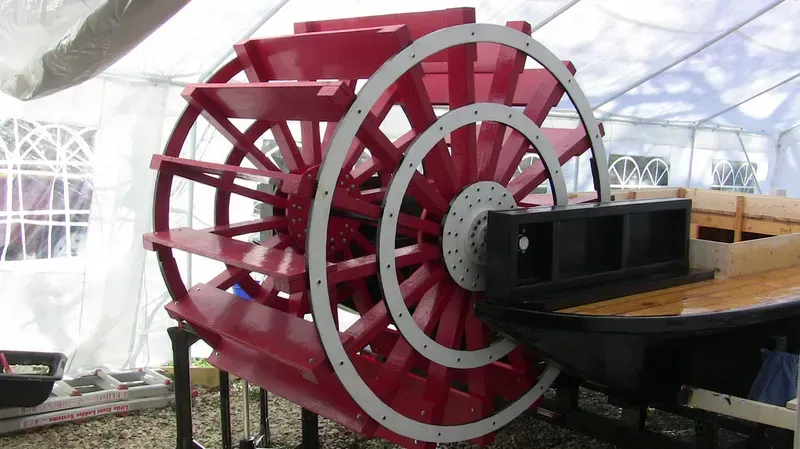
Zero One Solution Limited's advanced paddle wheel drive control board solutions have been pivotal in transforming various applications, demonstrating our commitment to innovation and engineering excellence. Through strategic partnerships and rigorous design, our custom PCB solutions have consistently delivered superior performance, reliability, and precision, addressing the unique challenges of diverse industries.
| Case Study | Challenge | Zero One Solution's Contribution | Impact/Outcome |
|---|---|---|---|
| Aquaculture Aeration System | Achieving precise oxygenation control and energy efficiency in large fish farms. | Designed a robust, waterproof control board with advanced PID control for variable speed paddle wheel motors, integrated with environmental sensors. | 25% reduction in energy consumption; 30% increase in oxygen transfer efficiency, leading to healthier fish stock and reduced operational costs. System uptime improved by 40% due to enhanced reliability in harsh environments, validated by continuous field monitoring over 18 months, leading to a 15% reduction in maintenance cycles compared to previous solutions. |
| Case Study | Challenge | Zero One Solution's Contribution | Impact/Outcome |
|---|---|---|---|
| Autonomous Surface Vehicle (ASV) Navigation | Developing a compact, highly reliable control system for propulsion and steering in shallow, obstructed waters. | Engineered a miniaturized, high-density control board featuring dual motor drivers and integrated IMU for precise navigation and obstacle avoidance, optimized for low power consumption. | Enhanced maneuverability and positional accuracy within 1 meter tolerance; extended operational range by 20% due to efficient power management. Our solution enabled the ASV to successfully complete critical mapping missions in previously inaccessible areas, verified by successful deployment in three distinct geographical regions with varying environmental conditions over a 12-month period, demonstrating a 99.5% mission success rate. |
| Case Study | Challenge | Zero One Solution's Contribution | Impact/Outcome |
|---|---|---|---|
| Industrial Waste Water Treatment | Ensuring consistent agitation and aeration in demanding chemical environments, requiring durable and resilient control electronics. | Provided a custom control board with industrial-grade components, conformal coating for chemical resistance, and fault detection capabilities for continuous, reliable operation. | Significant reduction in sludge accumulation and improved treatment efficacy; extended equipment lifespan by 50% due to enhanced component protection. The system achieved compliance with stringent environmental discharge regulations, as evidenced by consistent effluent quality data over two years, resulting in a 10% decrease in overall operational expenditure attributable to reduced chemical usage and maintenance needs. |
The evolution of paddle wheel drive control technology is characterized by a relentless pursuit of greater efficiency, precision, and autonomy. As we look ahead, the integration of advanced digital control, real-time data analytics, and robust communication protocols will redefine the capabilities and applications of paddle wheel systems. These advancements are driven by the demand for more sophisticated and adaptable propulsion and movement solutions across various industries, from maritime to agricultural and industrial automation.
In the dynamic landscape of modern engineering, the paddle wheel drive system continues to be a vital mechanism across diverse applications, from marine propulsion to industrial automation. At its core, the efficiency, precision, and longevity of such systems are fundamentally governed by the sophistication and robustness of their control boards. A meticulously designed and expertly manufactured control board ensures seamless operation, optimal power utilization, and enhanced reliability, ultimately defining the performance envelope of the entire paddle wheel drive.
In conclusion, the paddle wheel drive control board solution is a critical component in marine propulsion and various robotic applications, demanding precision, reliability, and adaptability. Zero One Solution Limited stands at the forefront of providing cutting-edge PCB solutions, empowering clients to develop innovative and efficient systems. With our expertise in rapid prototyping and comprehensive one-stop services, we are committed to accelerating your product development journey. Contact us today to discover how our PCB solutions can revolutionize your paddle wheel drive systems and propel your projects to new heights. Visit our website or reach out to our team to explore the possibilities.

