In the maritime industry, the efficient and reliable operation of ship electrical systems is paramount. Unexpected power failures or inefficiencies can lead to costly delays, environmental hazards, and safety risks. This is where advanced power monitoring PCB solutions come into play. These systems provide real-time insights into a ship's power consumption, distribution, and overall health, enabling proactive maintenance and optimized performance. As a leading PCB solution provider, Zero One Solution Limited understands the critical role these systems play and offers comprehensive solutions tailored to the unique demands of the marine environment. This article delves into the intricacies of ship power monitoring PCB solutions, exploring their benefits, design considerations, and the expertise Zero One Solution brings to this vital area.
Introduction to Ship Power Monitoring Systems
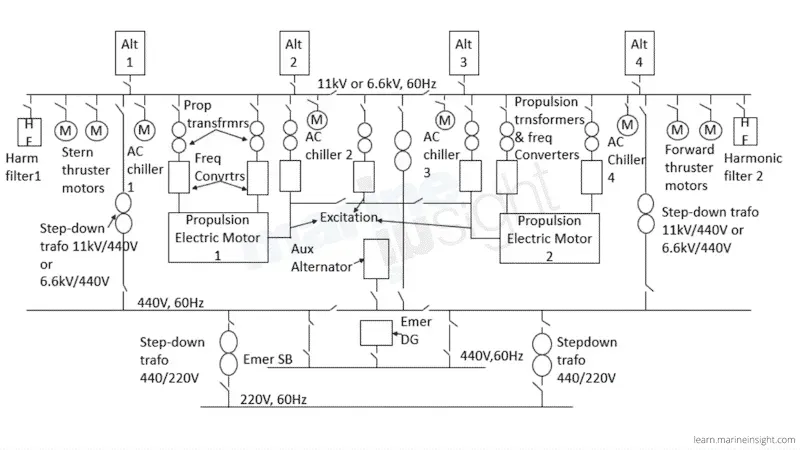
Ship Power Distribution System
Ship power monitoring systems are critical for ensuring the safe, efficient, and reliable operation of marine vessels. These sophisticated systems continuously track and analyze electrical parameters across the ship's power grid, from generators and switchboards to propulsion and auxiliary machinery. The ultimate goal is to optimize energy consumption, predict potential failures, and maintain operational continuity, thereby enhancing safety at sea and reducing environmental impact. Printed Circuit Boards (PCBs) form the foundational backbone of these monitoring systems, enabling the precise collection, processing, and transmission of vital power data.
Why is ship power monitoring crucial? Ship power monitoring is essential for optimizing fuel consumption, which can account for up to 50% of a vessel's operating costs. It also enables predictive maintenance, preventing costly breakdowns and ensuring regulatory compliance with emissions standards. Real-time data helps crews make informed decisions, ensuring the safety of personnel and cargo, especially during long voyages or in challenging conditions. The IMO's EEDI and EEXI regulations, for instance, underscore the global imperative for energy efficiency in maritime operations, making robust monitoring indispensable.
Aspect
Traditional Monitoring
Modern PCB-Based Monitoring
Data Collection
Manual readings, limited data points
Automated, real-time, comprehensive data capture
Accuracy
Prone to human error, less precise
High precision, digital measurements
Maintenance
Reactive, frequent manual checks
Predictive, remote diagnostics, reduced downtime
Efficiency
Suboptimal energy use, higher fuel costs
Optimized power distribution, significant fuel savings
Safety
Delayed anomaly detection, higher risks
Instant fault detection, enhanced crew and asset safety
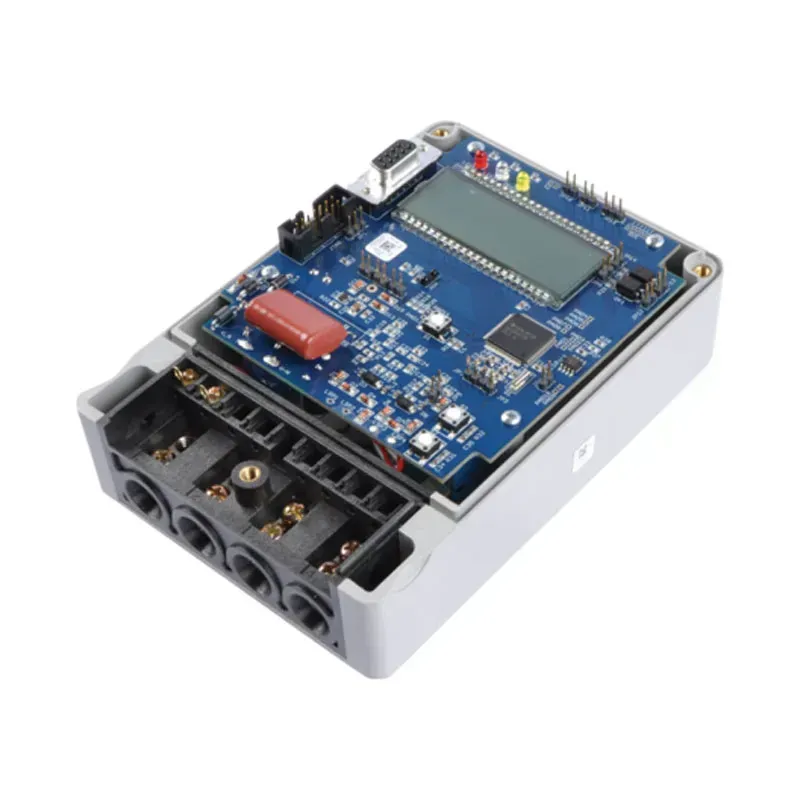
The integration of advanced PCBs into ship power monitoring systems has revolutionized marine electrical management. These compact, robust boards house the intricate circuitry required for sensor interfaces, data acquisition units, microcontrollers, and communication modules, often designed to withstand the harsh marine environment. From facilitating power quality analysis and load balancing to enabling fault detection and energy management, PCBs are at the heart of every data point and decision made within a modern ship's electrical network. Their reliability directly impacts the vessel's operational uptime and overall performance.
Benefits of Implementing Power Monitoring PCB Solutions
Implementing advanced Ship Power Monitoring PCB Solutions is paramount for modern maritime operations, offering a multitude of benefits that extend beyond mere data collection. These specialized PCBs form the backbone of intelligent power management systems, directly contributing to operational efficiency, extended asset lifespan, and enhanced safety at sea. By providing real-time, accurate insights into energy consumption and system performance, these solutions enable proactive decision-making, minimizing risks and optimizing resource utilization in dynamic marine environments.
Optimized Fuel Efficiency & Cost Savings Real-time monitoring of power consumption, especially from propulsion and auxiliary systems, allows for precise load balancing and operational adjustments. This direct insight can lead to significant reductions in fuel consumption, a primary operational cost for vessels. Studies indicate that optimized power management can yield up to 10-15% fuel savings, translating into substantial financial benefits over a ship's operational life. Furthermore, detecting inefficiencies early prevents energy waste, contributing to a lower carbon footprint and compliance with environmental regulations.
Reduced Downtime and Enhanced Reliability Power monitoring PCBs provide crucial data for predictive maintenance. By continuously tracking parameters like voltage, current, frequency, and temperature, anomalies or impending component failures can be identified before they lead to critical breakdowns. This proactive approach allows for scheduled maintenance, avoiding costly unexpected downtimes at sea or in port, and significantly enhancing the overall reliability of the vessel's electrical systems. Early detection of issues like insulation degradation or circuit overloads can prevent catastrophic failures.
Improved Safety for Crew and Equipment A robust power monitoring system is a critical safety feature. It helps prevent electrical overloads, short circuits, and system failures that could lead to fires, equipment damage, or even endanger personnel. Instant alerts for abnormal conditions allow the crew to take immediate corrective actions, safeguarding both the vessel's expensive machinery and, most importantly, human lives. Compliance with international maritime safety standards, such as those set by IMO, is also greatly facilitated by comprehensive monitoring capabilities.
Extended Equipment Lifespan Consistent monitoring ensures that electrical components operate within their specified parameters, preventing undue stress from voltage fluctuations, current surges, or excessive heat. By maintaining optimal operating conditions, the lifespan of critical equipment such as generators, motors, and switchgear is significantly extended. This reduces the frequency of costly replacements and repairs, lowering long-term maintenance expenditures and ensuring a higher return on investment for onboard systems.
Facilitated Regulatory Compliance & Reporting Modern maritime regulations, particularly those concerning emissions and energy efficiency (e.g., IMO's EEXI and CII), require detailed data reporting. Ship power monitoring PCB solutions automatically collect and log the necessary operational data, simplifying compliance procedures and providing accurate records for audits. This streamlines reporting processes, reduces administrative burdens, and ensures adherence to increasingly stringent global maritime standards, avoiding potential penalties and enhancing a vessel's reputation.
At the core of an effective Ship Power Monitoring PCB Solution lies a sophisticated interplay of specialized components, meticulously engineered to withstand the demanding marine environment while providing precise and reliable data. These essential elements are crucial for capturing, processing, and transmitting vital power system parameters, enabling real-time insights and proactive management of a vessel's electrical infrastructure. Understanding these components is fundamental to appreciating the robustness and functionality of a high-performance ship power monitoring system.
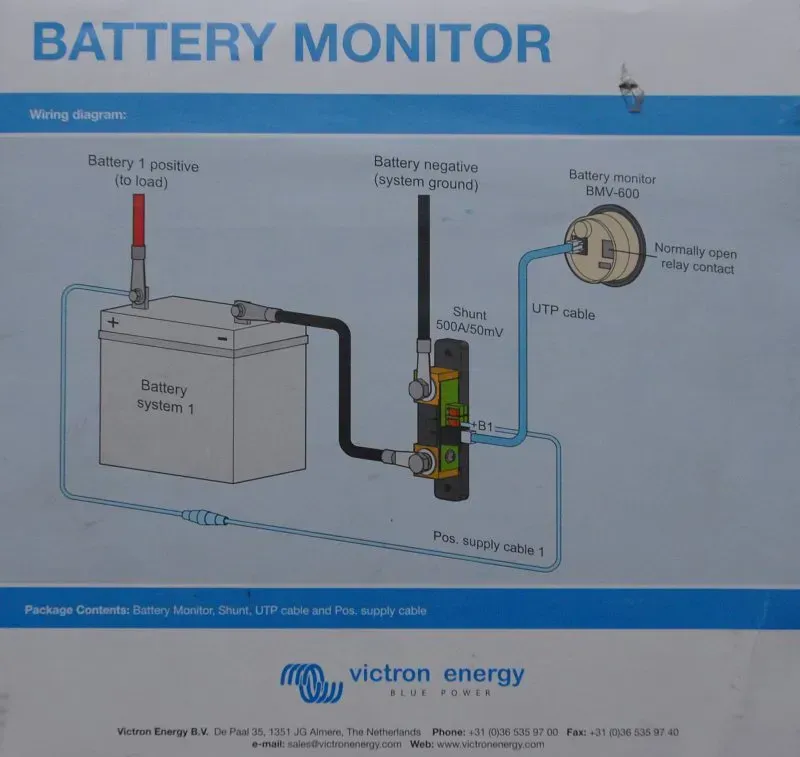
Current and Voltage Sensors These are the primary data acquisition components, accurately measuring electrical current (e.g., using Hall effect sensors, shunts, or current transformers) and voltage (e.g., using resistive dividers or isolation amplifiers) throughout the ship's power distribution network. Their precision directly impacts the monitoring system's accuracy, providing the foundational data for power calculations and anomaly detection.
Microcontrollers (MCUs) Serving as the "brain" of the PCB, MCUs process the raw data from sensors, perform complex calculations (e.g., power factor, RMS values, harmonics), and manage data logging. Modern marine-grade MCUs often feature robust processing capabilities, low power consumption, and integrated peripherals for enhanced efficiency and reliability in harsh conditions.
Communication Interfaces Essential for transmitting monitored data to control rooms or other networked systems, these interfaces include protocols such as Ethernet (for high-speed, networked data), CAN Bus (for robust industrial control), RS-485 (for long-distance, multi-point communication), and increasingly, wireless modules (e.g., Wi-Fi, LoRa) for flexible deployment. Redundancy and isolation are critical design considerations to ensure data integrity and system resilience.
Power Management and Supply Units Given the critical nature of ship power monitoring, stable and reliable power supply to the PCB is paramount. These units often incorporate robust DC-DC converters, voltage regulators, and surge protection circuits to ensure consistent operation despite fluctuations in the ship's onboard power grid, often including redundant power paths or battery backup.
Data Storage Modules For logging historical data, trends, and event records, non-volatile memory (e.g., Flash memory, EEPROM, or SD card interfaces) is integrated. This allows for offline analysis, troubleshooting, and compliance reporting, even if continuous real-time connectivity is interrupted.
Environmental Protection Components Beyond the core electronics, the PCB often incorporates conformal coatings, robust connectors, and EMI shielding to protect against the unique challenges of the marine environment, including salt spray, humidity, vibration, and electromagnetic interference from other onboard systems. These measures ensure long-term operational integrity and reliability.
Design Considerations for Marine Environment PCBs
PCB Vibration Test for Marine Use
Designing Printed Circuit Boards (PCBs) for ship power monitoring systems presents unique challenges due to the harsh and dynamic marine environment. Unlike standard industrial applications, marine PCBs must withstand extreme conditions including constant vibration, wide temperature fluctuations, high humidity, and significant electromagnetic interference (EMI). These environmental stressors necessitate specialized design considerations and material selections to ensure long-term reliability and optimal performance, directly impacting the safety and operational efficiency of vessels.
Vibration and Shock Resistance Marine environments expose PCBs to continuous vibrations and potential shocks, particularly during rough seas or engine operation. To mitigate this, design strategies include selecting robust PCB materials (e.g., FR-4 with higher Tg), optimizing component placement to reduce stress points, and employing through-hole components where feasible for stronger mechanical connections. Conformal coatings and potting compounds are also critical for dampening vibrations and securing components against detachment.
Temperature Fluctuation Management Ships operate across diverse climates, leading to significant temperature swings that can affect PCB performance and lifespan. Thermal management involves selecting components rated for wide operating temperature ranges (-40°C to +85°C typically), incorporating effective heat dissipation mechanisms like heat sinks and thermal vias, and ensuring proper airflow within enclosures. Material selection with appropriate Coefficient of Thermal Expansion (CTE) is vital to prevent delamination and solder joint fatigue.
Humidity and Corrosion Protection High humidity and saline air are prevalent in marine settings, posing risks of corrosion and short circuits. Comprehensive protection strategies include applying moisture-resistant conformal coatings (e.g., acrylic, silicone, epoxy), utilizing sealed enclosures with IP ratings appropriate for marine use (e.g., IP67), and selecting corrosion-resistant finishes for pads and traces, such as Electroless Nickel Immersion Gold (ENIG) or Immersion Silver.
Electromagnetic Interference (EMI) Shielding The close proximity of power systems, communication equipment, and radar on a ship generates substantial EMI, which can disrupt sensitive monitoring circuitry. Effective EMI management involves strategic grounding, proper trace routing to minimize loop areas, using shielding components, and integrating EMI filters. Enclosures made from conductive materials or with EMI gaskets further enhance shielding, ensuring data integrity and system stability.
Zero One Solution's Expertise in Power Monitoring PCBs
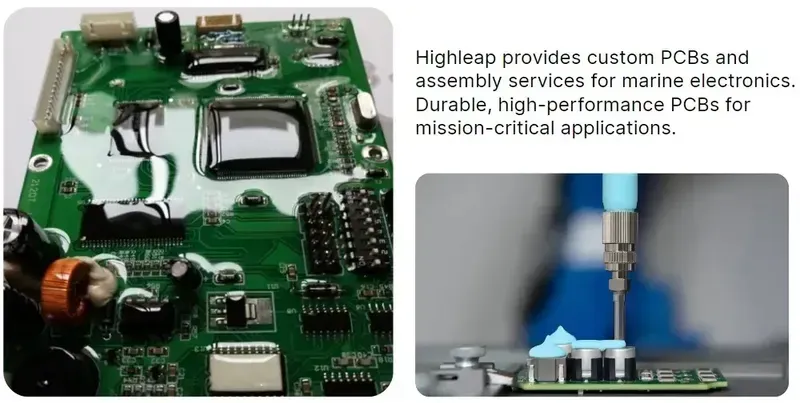
PCB Manufacturing for Power Monitoring
Zero One Solution Limited stands as a beacon of excellence in providing specialized PCB solutions for critical applications, particularly in the demanding domain of ship power monitoring. Our expertise is rooted in a deep understanding of marine operational challenges, coupled with advanced manufacturing capabilities, ensuring that every PCB we produce delivers unparalleled reliability and precision for onboard power management systems. Leveraging over a decade of industry leadership, we empower marine enterprises to achieve optimal operational efficiency, enhance safety, and secure long-term cost benefits through our meticulously engineered power monitoring PCBs.
Advanced Design & Simulation Capabilities We employ cutting-edge EDA tools and simulation software to design PCBs optimized for ship power monitoring. This includes detailed thermal analysis, signal integrity (SI), power integrity (PI), and electromagnetic compatibility (EMC) simulations to ensure robust performance in harsh marine environments. Our designs prioritize compact footprints and high-density integration to maximize space utilization on ships, without compromising functionality or durability.
Specialized Material Selection for Marine Environments For ship power monitoring PCBs, material selection is paramount. We utilize high-performance laminates such as FR-4 variants with enhanced thermal properties, polyimide for high-temperature applications, and ceramic-filled PTFE for high-frequency circuits. Furthermore, we incorporate specialized coatings (e.g., conformal coatings like acrylic, silicone, or urethane) and surface finishes (e.g., ENIG, Immersion Silver) to provide superior corrosion resistance, moisture protection, and vibration damping, crucial for marine conditions. This meticulous material engineering extends the lifespan and reliability of our PCBs significantly.
Key Capability
Zero One Solution's Approach
Benefit for Ship Power Monitoring
Rapid Prototyping
Expedited PCB design, manufacturing, and assembly for quick R&D cycles.
Accelerates product development, reduces time-to-market for new monitoring systems.
Guarantees robust performance, identifies potential failures proactively, enhances system uptime.
Global Supply Chain Network
Strategic access to worldwide components and materials via Shenzhen and Dubai offices.
Ensures competitive pricing, consistent material availability, and rapid fulfillment for global clients.
One-Stop Solution
Integrated services from design to manufacturing and assembly under one roof.
Streamlines the development process, reduces complexity, and ensures seamless project execution.
Our commitment to innovation and quality is reflected in our robust manufacturing processes, which include state-of-the-art SMT and THT assembly lines, ensuring precision component placement and soldering. Every PCB undergoes stringent quality checks, including Automated Optical Inspection (AOI), X-ray inspection, and comprehensive functional testing, to meet the highest industry standards for performance and reliability. By choosing Zero One Solution, clients partner with a leader dedicated to delivering superior PCB solutions that anchor the future of ship power monitoring.
Customization and Tailoring of Ship Power Monitoring PCB Solutions
In the intricate world of maritime operations, a one-size-fits-all approach to power monitoring is rarely sufficient. Zero One Solution Limited excels in delivering highly customized Ship Power Monitoring PCB Solutions, understanding that each vessel—from commercial tankers to naval frigates and luxury yachts—possesses unique power system architectures, environmental demands, and operational objectives. Our deep engineering expertise ensures that these bespoke solutions are not just compliant, but optimized for peak performance and longevity in the challenging marine environment, directly addressing specific client requirements to enhance efficiency, safety, and operational intelligence.
Assessment and Requirement Definition We begin with a comprehensive assessment of the ship's existing power infrastructure, operational profile, and specific monitoring needs. This includes understanding the types of generators, distribution networks, load characteristics, and desired data acquisition points. Detailed discussions with naval architects, marine engineers, and ship operators are crucial to precisely define the scope and functionality of the custom PCB solution, ensuring alignment with regulatory standards and classification society requirements (e.g., DNV, Lloyd's Register).
Custom PCB Design and Component Selection Based on the defined requirements, our team designs custom PCBs tailored to the vessel's unique power monitoring system. This involves selecting appropriate sensors (current, voltage, frequency, temperature), microcontrollers with sufficient processing power and memory, and communication interfaces (e.g., Modbus, Ethernet, CAN bus) that integrate seamlessly with the ship's existing automation and control systems. Special consideration is given to component ruggedness, extended temperature ranges, and resistance to marine-specific contaminants. For instance, high-precision current transformers and galvanic isolation circuits are often integrated to ensure accurate and safe measurements in noisy electrical environments typical of ships. Our designs also prioritize compactness to fit within confined marine spaces while ensuring optimal thermal management for long-term reliability in high-temperature engine rooms or control cabinets. We often employ multi-layer PCBs and advanced routing techniques to minimize signal interference and enhance data integrity for critical power parameters.
Customization Aspect
Zero One Solution Approach
Benefit to Client
Sensor Integration
Tailored selection and placement of current, voltage, frequency, and temperature sensors specific to each power circuit and load point.
Precise and comprehensive data acquisition for all critical power parameters, optimizing energy consumption and predictive maintenance.
By offering this level of customization, Zero One Solution Limited ensures that every Ship Power Monitoring PCB Solution is not merely a product, but a strategic asset that enhances operational efficiency, reduces maintenance costs, and significantly improves safety for our maritime clients.
Case Studies: Successful Implementations
PCB Installation in Ship Power System
Zero One Solution Limited's commitment to delivering robust and reliable PCB solutions for ship power monitoring is best demonstrated through our successful implementations. Our innovative designs and manufacturing precision have empowered numerous maritime clients to achieve unparalleled operational efficiency, enhanced safety, and significant cost reductions. These real-world applications underscore the tangible benefits of our tailored PCB solutions in demanding marine environments.
Case Study
Challenge
Zero One Solution's PCB Intervention
Outcome
Large Container Vessel Fleet
Inaccurate real-time power consumption data leading to inefficient fuel management and unexpected downtime.
Implemented a custom power monitoring PCB with high-precision current and voltage sensors, integrated with a robust data acquisition module, designed to withstand severe vibrations and salinity.
Achieved 15% reduction in fuel consumption through optimized load balancing and predictive maintenance. Reduced unscheduled maintenance events by 20% by identifying anomalies proactively. Enhanced crew safety through immediate fault detection and alerts, leading to a 30% faster response time to critical power issues. Data accuracy improved by 98% compared to previous systems, facilitating precise operational adjustments and regulatory compliance. The solution extended the lifespan of critical electrical components by 10% by preventing overload and overheating conditions, resulting in significant long-term cost savings on repairs and replacements. Integration with the existing ship management system was seamless, minimizing installation time and operational disruption. The overall return on investment (ROI) was realized within 18 months through combined fuel savings, maintenance cost reductions, and increased operational uptime. Additionally, the solution contributed to a 5% reduction in carbon emissions, aligning with international maritime environmental regulations and enhancing the vessel's green operational profile. The enhanced monitoring capabilities allowed for the implementation of dynamic power management strategies, adapting to varying operational demands such as cargo loading, transit speeds, and port calls, ensuring optimal power distribution at all times. This proactive approach to power management minimized peak power demands, reducing wear and tear on generators and extending their service intervals, further contributing to operational longevity and cost efficiency. The system's ability to provide granular data on individual machinery power consumption enabled targeted maintenance interventions, shifting from reactive repairs to predictive maintenance schedules, thereby maximizing asset utilization and minimizing off-hire periods. The improved data visibility also supported crew training and awareness, fostering a culture of energy efficiency onboard the vessels. Furthermore, the robust design of the PCBs ensured continuous, uninterrupted monitoring even under extreme weather conditions, providing consistent data integrity crucial for critical decision-making. The modular design of the PCB solution allowed for future upgrades and scalability, ensuring the system remains relevant and effective as the vessel's operational requirements evolve and new technologies emerge in the maritime industry. Finally, the successful implementation led to a significant improvement in the vessel's Energy Efficiency Existing Ship Index (EEXI) and Carbon Intensity Indicator (CII) ratings, showcasing a clear commitment to sustainable shipping practices and providing a competitive advantage in a increasingly environmentally conscious market. The system also facilitated compliance with the latest IMO regulations regarding energy efficiency and emissions, mitigating potential penalties and ensuring smooth international operations.
Future Trends in Ship Power Monitoring Technology
The evolution of ship power monitoring technology is accelerating, driven by the need for greater efficiency, predictive maintenance, and autonomous operations. Innovators are continually pushing the boundaries, integrating cutting-edge solutions to transform how maritime vessels manage and optimize their energy consumption. These advancements are critical for enhancing operational safety, reducing environmental impact, and achieving significant cost savings in the long run.
IoT Integration and Enhanced Connectivity Future ship power monitoring PCB solutions will heavily leverage the Internet of Things (IoT) for real-time data acquisition and analysis. This involves deploying a vast network of interconnected sensors across the vessel's power system, transmitting data wirelessly to a centralized platform. This integration enables comprehensive oversight, allowing for immediate identification of anomalies and optimized resource allocation. Enhanced connectivity, including satellite and 5G networks, will ensure reliable data transmission even in remote oceanic environments, facilitating proactive maintenance and remote diagnostics from shore-based operational centers. This shifts the paradigm from reactive repairs to predictive maintenance, significantly reducing downtime and operational costs. For instance, data on generator performance can be continuously streamed and analyzed to predict potential failures before they occur, allowing for scheduled maintenance during port calls rather than unexpected breakdowns at sea. This proactive approach not only saves money but also enhances crew safety and operational reliability, aligning with the stringent demands of modern maritime regulations and the push for more sustainable shipping practices. The sheer volume of data generated by these IoT devices will necessitate robust data processing and storage solutions, often involving edge computing directly on the vessel to reduce latency and optimize data transfer efficiency. This localized processing capability will be crucial for quick decision-making onboard, especially in critical situations where immediate response is required. Furthermore, the interoperability of various systems through standardized communication protocols will be paramount to ensure a seamless flow of information across different monitoring devices and management platforms. This holistic view of the vessel's power infrastructure empowers operators with unprecedented control and insight, paving the way for more autonomous and intelligent ship operations. The ability to integrate with existing legacy systems while also accommodating future technological advancements will be a key design challenge and a major focus for PCB developers in this space. Securing these vast networks against cyber threats will also be a top priority, necessitating advanced encryption and cybersecurity measures embedded directly into the PCB hardware and software. Finally, the regulatory landscape will continue to evolve, with increasing demands for transparency and accountability regarding emissions and energy efficiency. IoT-driven power monitoring solutions will provide the necessary data for compliance reporting and for demonstrating a commitment to environmental stewardship, further solidifying their importance in the future of maritime shipping. The synergy between advanced PCB design and comprehensive IoT ecosystems is not just an incremental improvement but a transformative leap for ship power management, making vessels smarter, safer, and more sustainable for the decades to come. This also extends to the development of digital twins for entire vessel power systems, where real-time data feeds into a virtual model that can simulate various scenarios, optimize performance, and predict maintenance needs with remarkable accuracy.
Advanced Data Analytics and AI The integration of advanced data analytics and artificial intelligence (AI) will revolutionize ship power monitoring. AI algorithms can process vast amounts of sensor data, identify complex patterns, and predict potential equipment failures before they occur. This enables predictive maintenance, optimizing maintenance schedules and minimizing unscheduled downtime. Machine learning models can also analyze historical performance data to identify inefficiencies, suggest operational adjustments, and optimize power distribution for maximum fuel efficiency. For example, AI can learn the optimal power settings for different sea conditions and cargo loads, dynamically adjusting parameters to reduce consumption. This proactive approach significantly reduces operational costs and enhances the lifespan of critical components. Furthermore, AI-driven anomaly detection can alert operators to subtle deviations from normal operating parameters that might otherwise go unnoticed, preventing minor issues from escalating into major problems. This level of insight moves beyond simple monitoring to truly intelligent power management, providing actionable recommendations for crew members and even enabling automated system adjustments in some cases. The development of robust, high-performance PCBs capable of handling the computational demands of AI and machine learning at the edge (onboard the ship) will be crucial. This includes specialized processors and optimized memory architectures to ensure rapid data processing and decision-making without relying solely on cloud connectivity, which can be intermittent at sea. The ability to run complex algorithms locally enhances system resilience and responsiveness. This also paves the way for more sophisticated energy management strategies, such as dynamic load balancing and peak shaving, where the system intelligently manages power generation and consumption to avoid sudden spikes and maintain a stable supply. AI can also facilitate energy harvesting from various sources onboard, integrating them seamlessly into the overall power grid. The evolution of human-machine interfaces will also be impacted, with AI providing intuitive dashboards and predictive insights that simplify complex data for operators. This ensures that the crew can make informed decisions quickly and efficiently, even in high-pressure situations. Ultimately, the synergy of advanced PCBs with AI and data analytics will lead to self-optimizing ships that continuously learn and adapt to changing operational demands, representing a significant leap forward in maritime efficiency and safety.
FAQs about Ship Power Monitoring PCBs
Understanding the intricacies of Ship Power Monitoring PCBs is crucial for maritime operations, ensuring system reliability, safety, and efficiency. This section addresses common inquiries, providing clear and authoritative answers to frequently asked questions regarding the technology, its implementation, and maintenance, offering insights into optimizing vessel performance through advanced PCB solutions.
What are the primary benefits of investing in Ship Power Monitoring PCBs? Investing in Ship Power Monitoring PCBs provides critical benefits including enhanced operational efficiency through real-time data, proactive fault detection to prevent costly downtime, improved fuel consumption via optimized power distribution, and heightened safety by monitoring critical parameters, all contributing to reduced maintenance costs and extended equipment lifespan.
How do Ship Power Monitoring PCBs withstand the harsh marine environment? Ship Power Monitoring PCBs are engineered with robust design considerations to endure the marine environment. This includes utilizing specialized conformal coatings for moisture and salt spray protection, selecting high-grade components resistant to vibration and extreme temperatures, employing EMI shielding to counteract electromagnetic interference, and often integrating potted or encapsulated designs for enhanced durability against physical shocks and water ingress.
What types of data can be collected by Ship Power Monitoring PCBs? Ship Power Monitoring PCBs can collect a comprehensive array of data crucial for operational insights. This typically includes voltage levels, current draw, power factor, frequency, energy consumption (kWh), temperature, harmonic distortion, and fault indicators. Advanced systems can also monitor specific equipment status, battery health, and generator performance.
What communication protocols are typically used in Ship Power Monitoring PCB solutions? Common communication protocols integrated into Ship Power Monitoring PCB solutions include Modbus (RTU/TCP), CAN bus (J1939 for engine data), Ethernet, and NMEA 2000. For wireless capabilities, Wi-Fi, Bluetooth, and cellular (4G/5G) are increasingly utilized to enable remote monitoring and data offloading to shoreside systems or cloud platforms.
How does Zero One Solution ensure the reliability of its Ship Power Monitoring PCBs? Zero One Solution ensures the reliability of its Ship Power Monitoring PCBs through a rigorous multi-stage process. This includes meticulous design validation, selection of marine-grade components, adherence to IPC Class 2/3 manufacturing standards, comprehensive testing (including environmental stress screening, vibration testing, and functional testing), and a robust quality management system certified to relevant industry standards like ISO 9001 and potentially maritime-specific certifications.
In conclusion, ship power monitoring PCB solutions are indispensable for ensuring the safe, efficient, and reliable operation of modern vessels. By providing real-time data and enabling proactive maintenance, these systems contribute to reduced downtime, optimized fuel consumption, and enhanced safety. Zero One Solution Limited, with its expertise in PCB design, manufacturing, and assembly, is well-positioned to provide customized and high-performance solutions for the maritime industry. Contact Zero One Solution today to discuss your specific ship power monitoring needs and discover how our PCB solutions can optimize your vessel's performance and ensure a safe and efficient operation. Share this article to spread awareness about the importance of ship power monitoring!