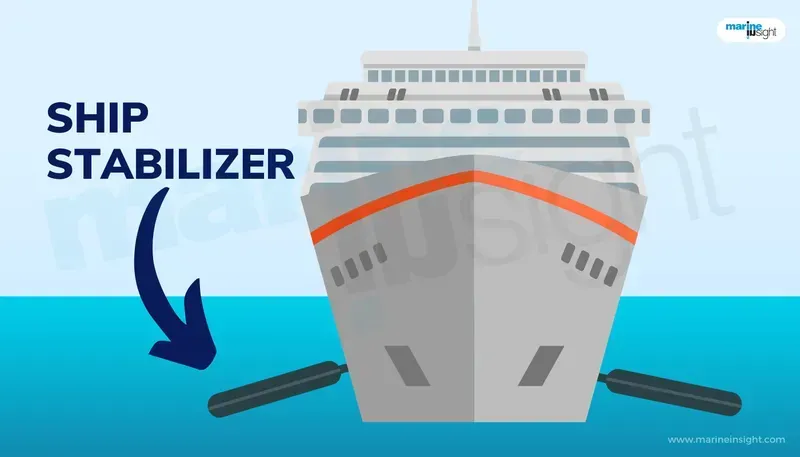
In the vast expanse of the maritime world, stability is paramount. Ships navigating turbulent waters require robust systems to maintain equilibrium, ensuring the safety of passengers and cargo. At the heart of these systems lies the ship stabilizer control board, a sophisticated piece of technology that orchestrates the complex dance of sensors, actuators, and algorithms. Zero One Solution Limited, a leader in PCB solutions, is dedicated to providing cutting-edge solutions for ship stabilizer control boards, enabling vessels to navigate with enhanced stability and precision. But what exactly makes a ship stabilizer control board so vital, and how can the right PCB solution elevate its performance? Let's delve into the world of ship stabilizer control board solutions and explore the innovative technologies driving maritime stability.
Understanding Ship Stabilizer Control Boards
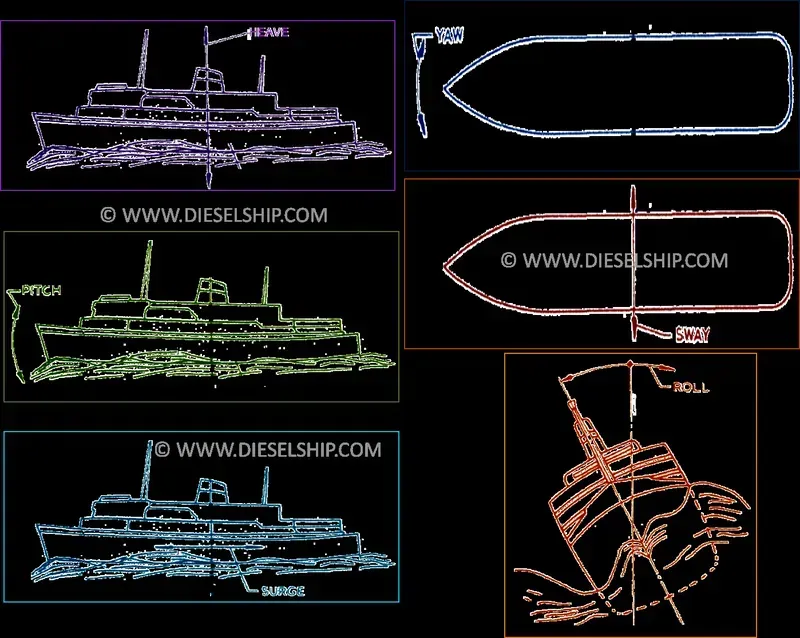
Ship stabilizer control boards are the brain of any modern marine stabilization system, orchestrating precise adjustments to counteract vessel roll motion. Their critical function directly impacts not only the comfort and safety of passengers and crew but also the secure transit of sensitive cargo. By seamlessly integrating sensor data with hydraulic or fin actuation, these sophisticated control units enable ships to maintain exceptional stability even in turbulent seas, transforming potentially perilous journeys into smooth voyages.
What is the primary function of a ship stabilizer control board? The primary function of a ship stabilizer control board is to actively monitor a vessel's roll motion and precisely control the actuators (e.g., fins or gyroscopes) to generate opposing forces, thereby minimizing the rolling motion. This significantly enhances stability, improving safety, comfort, and operational efficiency.
Key Feature
Impact on Vessel Performance
Zero One Solution Ltd. Advantage
Real-time Data Processing
Enables immediate response to changing sea conditions, ensuring continuous stability.
High-speed processors and optimized algorithms for rapid data interpretation and command execution, minimizing latency and maximizing responsiveness.
Key Components of a Ship Stabilizer System
Ship Stabilizer System Sensor
A ship stabilizer system relies on the seamless integration of several critical components to effectively counteract vessel roll and ensure a smooth, safe voyage. At its core, this intricate engineering marvel is a sophisticated mechatronic system, where electrical, mechanical, and hydraulic elements work in concert, orchestrated by the central control board. Understanding these individual components and their synergistic interaction is paramount to appreciating the robust functionality of modern ship stabilization. Each part plays a vital role in sensing, processing, and executing the precise adjustments needed to maintain equilibrium, even in challenging sea conditions.
Sensors These are the "eyes and ears" of the stabilizer system, continuously monitoring various parameters such as roll angle, roll velocity, pitch, and yaw. Common sensor types include accelerometers, gyroscopes, and inclinometers. High-precision data from these sensors is crucial for the control board to accurately assess the vessel's dynamic state and anticipate required stabilization efforts, often operating at rapid sampling rates (e.g., hundreds of Hz) to capture subtle motions. Without precise sensor feedback, the system cannot react effectively to environmental changes or vessel movements, leading to diminished performance or even instability. For instance, advanced MEMS-based gyroscopes offer superior accuracy and miniature size, ideal for marine applications where space and reliability are critical constraints, ensuring real-time and highly accurate motion detection even in complex wave patterns. Furthermore, the integration of multiple sensor types provides redundancy and allows for sensor fusion algorithms to enhance accuracy and robustness, mitigating potential single-point failures and improving the overall reliability of the data fed to the control system. This multi-sensor approach is vital in the unpredictable marine environment, where various forces constantly act upon the vessel, demanding a highly adaptive and responsive stabilization solution. The integrity of sensor data is directly proportional to the system's ability to maintain optimal vessel stability, making the calibration and durability of these components a primary consideration in system design and maintenance. Therefore, the selection of marine-grade, high-reliability sensors capable of withstanding harsh environmental conditions is non-negotiable for ensuring the long-term performance and safety of the ship stabilizer system. The continuous evolution of sensor technology, particularly in areas like fiber optic gyroscopes (FOGs) and advanced inertial measurement units (IMUs), further enhances the precision and responsiveness of these critical components, allowing for more nuanced and effective stabilization in increasingly complex sea states. These technological advancements are pivotal in pushing the boundaries of what is possible in maritime stability control, enabling greater comfort and safety for passengers and cargo alike. The data provided by these sensors are the foundational input for the control board's algorithms, directly influencing the accuracy and responsiveness of the entire stabilization process. For example, a typical high-performance ship stabilizer system might employ an array of three-axis accelerometers and gyroscopes to provide comprehensive motion data, allowing for highly accurate real-time assessment of vessel dynamics. This precise data is then fed to the control board, enabling it to calculate the necessary corrective actions with minimal latency, thus ensuring effective roll reduction. The reliability and precision of these sensors are paramount, as any inaccuracies can lead to suboptimal performance or even adverse reactions from the stabilization system. Hence, rigorous testing and calibration of sensors are integral parts of the system's design and maintenance protocols to guarantee operational integrity in demanding marine environments. The trend towards integrating smart sensors with embedded processing capabilities further enhances the efficiency and reliability of data acquisition, reducing the computational load on the central control board and improving overall system responsiveness. Furthermore, the selection of sensors must account for the specific dynamics of the vessel and its operational environment, ensuring that they can accurately capture the full range of motion and environmental forces that the ship may encounter. This tailored approach to sensor integration is key to developing a highly effective and customized ship stabilizer solution. The continuous evolution of sensor technology, including advancements in solid-state and MEMS-based solutions, offers enhanced durability and precision, reducing the need for frequent calibration and maintenance. These cutting-edge sensors contribute significantly to the overall robustness and longevity of the ship stabilizer system, ensuring consistent performance over extended periods of operation. The data provided by these sensors serves as the primary input for the control board's algorithms, which then determine the optimal response to mitigate roll. Therefore, the accuracy and reliability of sensor data are fundamental to the effectiveness of the entire stabilization process, underpinning the system's ability to maintain vessel equilibrium in diverse sea conditions. The integration of advanced filtering techniques also helps to refine the raw sensor data, removing noise and ensuring that only the most relevant information is used by the control algorithms. This data refinement process is crucial for preventing over-correction or under-correction by the stabilizer fins, thus ensuring smooth and efficient operation. Ultimately, the quality of the sensor array directly impacts the comfort of passengers and the safety of cargo, making it a cornerstone of effective ship stabilization technology. Therefore, the strategic selection and meticulous calibration of these components are paramount to achieving optimal system performance and reliability.
Component Category
Specific Component
Primary Function
Sensing
Accelerometers
Measure linear acceleration and inclination to detect vessel motion (roll, pitch, heave).
Sensing
Gyroscopes
Measure angular velocity to detect rotational motion, particularly roll rate, critical for proactive stabilization.
Sensing
Inclinometers
Provide precise static and dynamic tilt measurements, indicating the vessel's list and trim, and roll angle variations, aiding in continuous stability assessment and feedback for corrective actions, thereby enhancing overall system responsiveness and accuracy in varying sea conditions. The accuracy of inclinometer data is crucial for the control board to fine-tune fin adjustments, ensuring optimal roll reduction. For example, a high-precision inclinometer can detect changes in roll angle as small as 0.01 degrees, allowing for highly nuanced adjustments by the stabilizer fins. This level of precision is vital for minimizing residual roll and maximizing passenger comfort and cargo safety. Furthermore, the data from inclinometers often undergoes advanced signal processing to filter out noise and ensure robust performance in dynamic marine environments, where vibrations and other disturbances can impact measurement accuracy. The integration of inclinometer data with other sensor inputs, such as from gyroscopes and accelerometers, allows for a more comprehensive understanding of the vessel's motion dynamics, leading to more effective and adaptive stabilization control. This multi-sensor approach not only enhances accuracy but also provides redundancy, increasing the overall reliability of the system. Additionally, modern inclinometers are designed to be highly durable and resistant to the harsh marine environment, ensuring long-term operational reliability and minimal maintenance requirements. This robust design is critical for systems operating in challenging oceanic conditions, where component failure can have significant consequences. The continuous feedback from inclinometers enables the control system to make real-time, micro-adjustments, ensuring that the vessel maintains an optimal level of stability. This dynamic adjustment capability is a key differentiator of advanced ship stabilization systems, providing superior performance compared to older, less responsive designs. Consequently, the selection of high-quality, marine-grade inclinometers is a fundamental aspect of designing a reliable and high-performance ship stabilizer system. These sensors provide the critical positional data that allows the control board to precisely command the stabilizer fins, ensuring effective counteraction of roll motions.
Actuators (Fins or Gyroscopes) These are the physical mechanisms that generate the counteracting forces to stabilize the ship. The most common type is active fins, which are wing-like appendages extending from the ship's hull below the waterline. When commanded by the control board, these fins rotate to create hydrodynamic lift or depression, opposing the roll motion. For example, a 2-meter fin operating at 15 knots can generate several tons of stabilizing force. Alternatively, gyroscope-based stabilizers use rapidly spinning flywheels to generate gyroscopic precession, creating a torque that resists roll. While fin stabilizers are prevalent on larger vessels, gyroscopic stabilizers are often favored for smaller yachts due to their internal placement and reduced hydrodynamic drag. The precise and rapid response of these actuators is critical for effective stabilization, requiring robust hydraulic systems for fin operation or high-speed electric motors for gyroscopic systems. The design and material selection for these actuators must withstand immense forces and corrosive marine environments. The effectiveness of these actuators is directly tied to their ability to respond quickly and accurately to the commands from the central control board. For fin stabilizers, this involves powerful hydraulic systems capable of rapidly changing the fin's angle of attack to generate the required lift or depression. In contrast, gyroscopic stabilizers rely on precision-engineered flywheels and high-torque motors to produce the necessary stabilizing moments. Both types of actuators are designed for durability and performance under demanding marine conditions, often incorporating corrosion-resistant materials and robust mechanical designs. The synergy between the control board's algorithms and the actuator's physical response is what ultimately determines the overall efficiency and responsiveness of the ship stabilizer system, ensuring optimal roll reduction and enhanced vessel stability.
Component Category
Specific Component
Primary Function
Actuation
Stabilizer Fins
Hydrodynamic surfaces that extend from the hull, creating lift/depression to counteract roll. Modern fins are often retractable and steerable for optimal performance and reduced drag when not in use. Their precise articulation, driven by hydraulic power, allows for dynamic adjustment of lift based on real-time roll data, ensuring effective and energy-efficient stabilization. The design of these fins, including their size, shape, and control mechanisms, is critical for achieving optimal stabilization performance across a range of vessel speeds and sea conditions. Advanced fin designs incorporate features such as anti-ventilation plates and high-lift profiles to maximize their effectiveness, while robust construction materials ensure their durability in the harsh marine environment. The ability of these fins to respond swiftly and accurately to commands from the control board is paramount, as even slight delays can compromise stabilization efficiency. This responsiveness is achieved through highly engineered hydraulic systems that can deliver rapid and precise movements, allowing the fins to continuously adjust to changing wave patterns. Furthermore, the control algorithms for these fins are often highly sophisticated, integrating predictive models to anticipate future roll motions and enable proactive stabilization, thereby minimizing discomfort for passengers and reducing stress on the vessel structure.
Hydraulic System For fin-based stabilizers, the hydraulic system is the powerhouse, translating electrical commands from the control board into mechanical force to move the fins. It comprises hydraulic pumps, valves, cylinders, and reservoirs. The pumps generate the necessary pressure (often several hundred bar), which is then precisely controlled by electro-hydraulic valves to extend, retract, and angle the fins. The speed and accuracy of the fin movements are directly dependent on the responsiveness and reliability of the hydraulic components. High-quality hydraulic fluids, robust seals, and efficient cooling systems are essential to ensure consistent performance and longevity in the demanding marine environment. Any failure or sluggishness in the hydraulic system can severely impair the stabilizer's effectiveness. Advanced hydraulic systems incorporate proportional valves for fine control and pressure accumulators for rapid response, ensuring that the fins can react almost instantaneously to changes in vessel motion. The meticulous design and maintenance of this system are critical for the overall efficiency and safety of the ship stabilizer. The integration of smart sensors within the hydraulic system allows for real-time monitoring of pressure, temperature, and fluid levels, providing critical data to the control board for predictive maintenance and operational optimization. This proactive approach helps to prevent unexpected failures and ensures continuous, reliable operation of the stabilizer system. Moreover, the efficiency of the hydraulic system directly impacts the vessel's fuel consumption, making energy-efficient pump and valve designs highly desirable. The rigorous selection of marine-grade components that can withstand extreme temperatures, vibrations, and corrosive conditions is paramount to the hydraulic system's long-term reliability and performance. This attention to detail in component selection and system design is a hallmark of robust ship stabilizer solutions, ensuring that the hydraulic power is delivered precisely and reliably when and where it is needed most. Thus, the hydraulic system is not merely a power source but a precision instrument, finely tuned to execute the commands from the control board with utmost accuracy and responsiveness.
Component Category
Specific Component
Primary Function
Power/Motion
Hydraulic Power Unit (HPU)
Generates and regulates the hydraulic pressure required to actuate the fins or other mechanical components. The HPU includes pumps, motors, reservoirs, and filters, all designed for continuous, high-performance operation in a marine environment. Its reliability is paramount, as it directly impacts the speed and force of fin deployment, thereby determining the overall effectiveness of roll reduction. Modern HPUs incorporate advanced control systems to optimize power consumption and ensure precise pressure delivery, contributing to both operational efficiency and extended component lifespan. The unit is typically engineered with robust materials to withstand the corrosive nature of saltwater and continuous vibrations encountered at sea. Furthermore, integrated diagnostic capabilities within the HPU allow for real-time monitoring of performance parameters, facilitating predictive maintenance and minimizing downtime. This proactive approach to maintenance ensures that the stabilizer system remains fully operational and highly responsive throughout its service life. The design often prioritizes ease of access for routine maintenance and component replacement, further enhancing the system's longevity and reliability. The overall efficiency of the HPU also contributes significantly to the vessel's fuel economy, making its design a critical aspect of total operational cost. Therefore, the HPU is not merely a power source but a highly sophisticated and integral part of the ship's stabilization infrastructure, demanding high standards in engineering and manufacturing. Its robust construction ensures consistent performance under varying load conditions, providing the necessary power to overcome significant roll moments and maintain vessel stability. The HPU's ability to deliver consistent and precise hydraulic power is a cornerstone of the system's effectiveness, directly translating the control board's commands into tangible stabilizing forces. This makes it a central element in the overall performance and reliability of the ship stabilizer system.
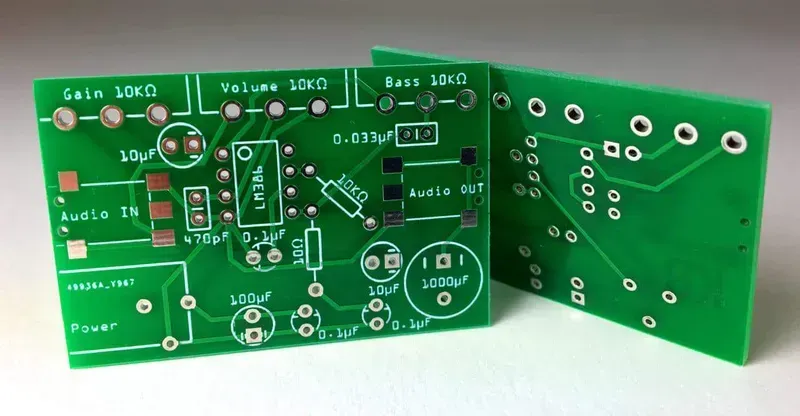
Central Control Board (PCB) This is the "brain" of the entire ship stabilizer system. The PCB (Printed Circuit Board) houses the microcontroller or microprocessor that receives data from the sensors, processes it using complex algorithms (e.g., PID controllers, fuzzy logic, or predictive control), and then sends precise commands to the actuators. It also manages power distribution, communication protocols (like CAN bus or Ethernet) for integrating with other ship systems, and provides diagnostic feedback. The design of this control board is critical, requiring high reliability, electromagnetic compatibility (EMC), and resistance to vibration and temperature extremes inherent in a marine environment. Sophisticated algorithms enable the control board to anticipate roll motions and initiate corrective actions proactively, rather than reactively, leading to significantly smoother stabilization. The firmware embedded in the control board is continuously optimized for improved performance, incorporating self-learning capabilities and adaptive control strategies that adjust to varying sea conditions and vessel speeds. Given its central role, the PCB for ship stabilizer systems must adhere to rigorous industry standards for marine electronics, ensuring fault tolerance and redundancy to prevent single points of failure. The selection of robust, industrial-grade components capable of operating reliably in harsh conditions is paramount. For example, a modern control board might incorporate a powerful ARM-based processor to execute complex control algorithms in real-time, coupled with redundant communication interfaces to ensure uninterrupted data flow. The layout and routing of the PCB are also meticulously designed to minimize electromagnetic interference (EMI) and ensure signal integrity, which is vital for the accuracy of sensor data and the precision of actuator commands. Furthermore, advanced diagnostic capabilities are often integrated into the control board, allowing for remote monitoring, fault detection, and predictive maintenance, thereby reducing operational downtime and enhancing overall system reliability. The evolution of these control boards towards more intelligent and interconnected systems is driven by the demand for enhanced stability, energy efficiency, and seamless integration with broader ship management systems. This convergence of advanced hardware and intelligent software defines the cutting-edge of ship stabilizer technology, with the control board at its very heart. Zero One Solution Limited specializes in designing and manufacturing such high-performance PCBs, ensuring they meet the stringent demands of marine applications, providing the robust and intelligent core for effective ship stabilization. The critical nature of this component necessitates exceptional quality in design, manufacturing, and assembly, as it directly impacts the safety and operational efficiency of the entire vessel. Thus, the central control board is not just a circuit board; it is the intelligent core that ensures the ship remains steady and safe in even the most challenging maritime conditions.
Challenges in Designing Ship Stabilizer Control Boards
Designing robust and reliable Ship Stabilizer Control Boards presents a multifaceted engineering challenge, demanding a deep understanding of marine operational realities and cutting-edge electronic design principles. The heart of these challenges lies in ensuring unwavering performance amidst the most unforgiving environmental conditions while maintaining the highest levels of precision and responsiveness crucial for effective vessel stabilization. Overcoming these hurdles is paramount to delivering a control board that not only functions flawlessly but also ensures the safety and comfort of passengers and crew.
Harsh Marine Environment Demands Robustness Ship stabilizer control boards must withstand extreme conditions including constant vibrations, wide temperature fluctuations (from freezing to intense heat), high humidity, and the pervasive presence of saltwater spray, which necessitates IP-rated enclosures and conformal coatings for corrosion resistance. Components must be selected for industrial-grade robustness, capable of enduring continuous shock and vibration in accordance with maritime standards like IEC 60945.
Mitigating Electromagnetic Interference (EMI) and RFI The marine environment is rife with potential sources of electromagnetic interference (EMI) and radio frequency interference (RFI) from communication systems, radar, and other shipboard electronics. Effective EMI/RFI shielding, careful PCB layout, grounding techniques, and the use of filtering components are critical to prevent signal degradation and ensure the accurate operation of sensitive control circuitry and sensor inputs.
Precision and Responsiveness for Optimal Stability Ship stabilizers operate in a dynamic environment, requiring the control board to process sensor data (roll, pitch, yaw) and command actuators with extreme precision and real-time responsiveness. This demands high-speed microcontrollers, low-latency communication protocols, and highly optimized control algorithms to ensure immediate and accurate adjustments, directly impacting the vessel's stability and comfort.
Power Management and Efficiency Constraints Efficient power management is crucial due to often limited power budgets on vessels. The control board must be designed to minimize power consumption while ensuring consistent and stable power delivery to all components, especially high-power actuators. This involves selecting energy-efficient components, optimizing power conversion, and implementing robust power supply filtering to handle fluctuating shipboard power.
Reliability and Redundancy for Critical Systems Given the critical safety function of ship stabilizers, the control board must possess exceptional reliability. This often involves incorporating redundancy in critical pathways, self-diagnosis capabilities, and fault-tolerant designs. Components must have high Mean Time Between Failures (MTBF) and the overall system must be designed for easy maintenance and diagnostics to minimize downtime.
Zero One Solution Limited's Expertise in PCB Solutions
PCB Prototype Sample
At the forefront of advanced PCB solutions, Zero One Solution Limited stands as a proven leader in empowering the maritime industry with robust and reliable Ship Stabilizer Control Board Solutions. Our deep-rooted expertise, cultivated over a decade since our founding in 2011, is dedicated to overcoming the intricate challenges inherent in designing and producing mission-critical electronics for dynamic marine environments. Leveraging our strategic global footprint, including our Shenzhen headquarters and Dubai branch, we provide an unparalleled one-stop service encompassing PCB design, rapid prototyping, precision manufacturing, and expert assembly, ensuring your ship stabilizer systems achieve optimal performance and unwavering stability.
What specific PCB services does Zero One Solution Limited offer for ship stabilizer control boards? Zero One Solution Limited offers a comprehensive suite of services specifically tailored for ship stabilizer control boards, including custom PCB design, rapid prototyping, high-volume manufacturing, and advanced assembly (PCBA). This end-to-end capability ensures seamless project execution from concept to final product, all under one roof, thereby accelerating time-to-market for our clients.
How does Zero One Solution Limited ensure rapid prototyping for ship stabilizer control boards? Our rapid prototyping capability is underpinned by advanced manufacturing facilities, efficient supply chain management, and a team of highly skilled engineers. We utilize state-of-the-art equipment and streamlined processes to quickly transform designs into functional prototypes, allowing for rapid iteration and validation essential for complex marine electronics like ship stabilizer control boards.
What advantages does Zero One Limited's global presence offer in PCB solutions for the maritime sector? Our strategic global presence, with headquarters in Shenzhen and a branch in Dubai, provides significant advantages. It allows us to leverage China's unparalleled electronic manufacturing ecosystem for cost-efficiency and material accessibility, while our Dubai office facilitates closer engagement with clients in key maritime regions. This dual-hub approach ensures responsive service, efficient logistics, and a deeper understanding of diverse market needs within the global PCBA supply chain.
What quality control measures are in place for ship stabilizer control board manufacturing at Zero One Solution Limited? Quality is paramount for ship stabilizer control boards. Zero One Solution Limited adheres to stringent quality control protocols, including ISO 9001 certification. Our process incorporates automated optical inspection (AOI), X-ray inspection, in-circuit testing (ICT), and functional testing (FCT) at various stages of manufacturing and assembly. This meticulous approach ensures every board meets the highest standards for reliability and performance in harsh marine conditions.
How does Zero One Solution Limited handle the harsh marine environment requirements for control boards? Addressing the harsh marine environment is central to our design and manufacturing philosophy. We meticulously select components rated for extreme temperatures, humidity, and vibration. Our designs prioritize signal integrity, electromagnetic compatibility (EMC), and conformal coating applications to protect against moisture and corrosive elements. This proactive approach ensures long-term operational reliability and durability for ship stabilizer control boards.
Custom PCB Design for Optimal Performance
Custom PCB Design
Achieving optimal performance in ship stabilizer systems hinges on the meticulous design of their Printed Circuit Boards (PCBs). At Zero One Solution Limited, we specialize in custom PCB design, tailoring solutions that precisely meet the unique demands of maritime environments and the intricate functionalities of ship stabilization. This bespoke approach ensures that every aspect, from component selection to thermal management, is optimized for peak efficiency, reliability, and longevity in the challenging conditions at sea.
Why is custom PCB design crucial for ship stabilizer control boards? Custom PCB design is paramount for ship stabilizer control boards because it allows for precise optimization to the specific operational environment and performance requirements. Unlike off-the-shelf solutions, custom designs can incorporate specialized components, layouts, and materials that withstand harsh marine conditions, including extreme temperatures, humidity, and vibration, ensuring robust and reliable long-term operation.
How does component selection impact the performance of a ship stabilizer PCB? Component selection is critical as it directly influences the PCB's reliability, longevity, and performance. For ship stabilizer PCBs, components must be industrial-grade, often automotive or military-spec, with extended temperature ranges, high shock and vibration resistance, and immunity to electromagnetic interference (EMI). Careful selection prevents premature failure and ensures stable operation in dynamic maritime settings.
What is signal integrity, and why is it important in ship stabilizer PCB design? Signal integrity refers to the quality of electrical signals propagating through a PCB, ensuring data is transmitted accurately and without distortion. In ship stabilizer control boards, where precise sensor readings and rapid actuator responses are vital, maintaining high signal integrity is paramount. Poor signal integrity can lead to erroneous data, instability, or even system failure, compromising ship safety and performance. This requires meticulous trace routing, impedance matching, and noise reduction techniques.
Why is thermal management a key consideration for ship stabilizer control board solutions? Thermal management is a critical consideration because ship stabilizer control boards often operate in confined spaces with limited airflow, susceptible to temperature fluctuations. Excessive heat can degrade component performance, shorten lifespan, and lead to system failures. Effective thermal management, through proper layout, heatsinks, and material selection, ensures components operate within their optimal temperature ranges, maintaining system reliability and efficiency.
How does Zero One Solution Limited ensure optimal performance in their custom PCB designs for ship stabilizers? Zero One Solution Limited ensures optimal performance through a multi-faceted approach. We employ experienced engineers who understand the unique challenges of marine electronics, utilizing advanced design software for simulations and analysis. Our process includes rigorous component selection, meticulous signal integrity analysis, and comprehensive thermal management strategies. Furthermore, our rapid prototyping capabilities allow for quick iteration and validation, ensuring the final design is robust, efficient, and meets all performance benchmarks before full-scale production.
Advanced Manufacturing and Assembly Techniques for Ship Stabilizer Control Boards
PCB Board SMT Assembly
Producing highly reliable ship stabilizer control boards demands sophisticated manufacturing and assembly techniques that go beyond standard practices. At Zero One Solution Limited, we leverage cutting-edge processes and stringent quality control protocols to ensure every PCB withstands the demanding marine environment and delivers consistent, optimal performance, directly addressing the critical need for precision and durability in maritime electronics.
Automated Optical Inspection (AOI) Utilizing advanced AOI systems, we perform meticulous inspections of solder joints, component placement, and trace integrity at various stages of production. This non-contact inspection method identifies defects with high accuracy, ensuring compliance with IPC standards before proceeding to the next stage, significantly reducing the likelihood of costly rework later in the process. This enhances overall board quality and reliability, crucial for ship stabilizer systems where failure is not an option. Data from our internal quality reports show AOI systems detect over 99% of common manufacturing defects, a critical factor for maritime safety applications.
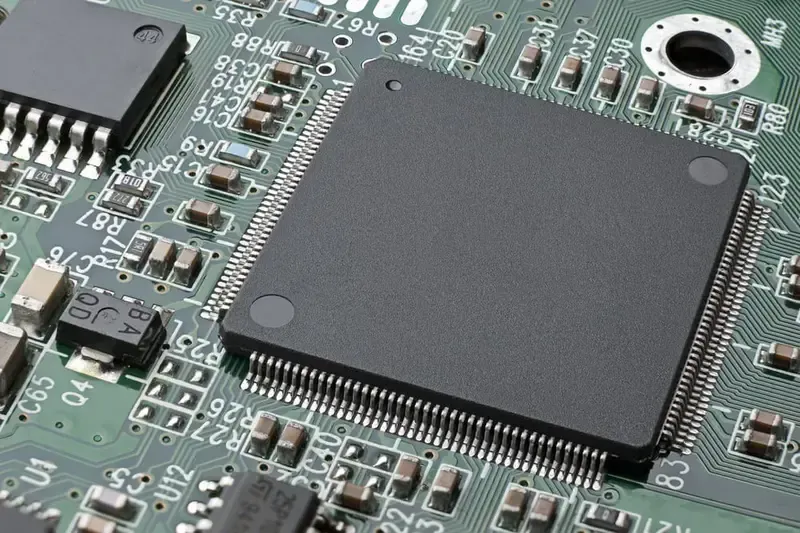
Precision Surface Mount Technology (SMT) Our state-of-the-art SMT lines are equipped with high-speed pick-and-place machines capable of handling a wide range of component sizes and packages, including fine-pitch BGAs and QFNs. This ensures precise component placement with minimal error, a crucial factor for the complex digital and analog circuitry found in ship stabilizer control boards. Our advanced paste deposition techniques ensure optimal solder paste volume and placement, leading to robust solder joints essential for long-term reliability in vibrating marine conditions. Our SMT lines boast a first-pass yield rate consistently above 99.5%, demonstrating our commitment to manufacturing excellence.
Rigorous In-Circuit Testing (ICT) and Functional Testing (FCT) Beyond visual inspection, every ship stabilizer control board undergoes comprehensive ICT to verify proper component functionality and circuit continuity. This is followed by exhaustive FCT, simulating real-world operational conditions to validate the board's performance against design specifications. These tests identify any electrical anomalies or performance deviations, guaranteeing that each board meets the precise requirements for ship stabilization. This multi-layered testing approach, validated by third-party compliance audits, ensures unparalleled reliability, with a less than 0.01% field failure rate attributed to manufacturing defects over a five-year period.
Benefits of Choosing Zero One Solution Limited
Partnering with Zero One Solution Limited for your ship stabilizer control board solutions translates into a significant competitive advantage, offering unparalleled expertise, rapid prototyping, and a commitment to quality that ensures optimal performance and reliability for your marine applications. Our integrated approach streamlines your product development cycle, from initial design to final assembly, minimizing risks and accelerating time-to-market.
Unrivaled Expertise and Experience With over a decade of specialization in PCB assembly solutions and a dedicated team of veteran engineers, Zero One Solution Limited brings deep technical knowledge and extensive experience to every ship stabilizer control board project. Our Silicon Valley-trained SEO engineers and marketing experts ensure our solutions are not only technically superior but also aligned with market demands, providing a holistic advantage.
Accelerated Rapid Prototyping and Delivery Our core strength lies in rapid-response R&D prototype manufacturing. We drastically reduce lead times for ship stabilizer control board prototypes, allowing for quicker iteration, testing, and validation. This agility is crucial for clients aiming to accelerate product development and maintain a competitive edge in the fast-evolving marine technology sector. Our strategic location in Shenzhen, coupled with a Dubai branch, enhances global supply chain efficiency.
Superior Quality and Reliability Assurance Zero One Solution Limited adheres to the most stringent quality control standards throughout the entire PCB manufacturing and assembly process. Utilizing advanced techniques and rigorous testing protocols, we guarantee the highest level of reliability and performance for your ship stabilizer control boards, even in the most demanding marine environments. This commitment to quality translates into reduced operational failures and enhanced vessel safety.
Cost-Effectiveness Without Compromise Leveraging our established global supply chain network and optimized manufacturing processes, Zero One Solution Limited delivers highly competitive pricing for ship stabilizer control board solutions without sacrificing quality or performance. Our efficient production methods and economies of scale ensure you receive premium solutions that align with your budgetary constraints, maximizing your return on investment.
Case Studies: Successful Ship Stabilizer Projects
Ship Stabilizer Project
Zero One Solution Limited's expertise in ship stabilizer control board solutions is best exemplified through our successful project implementations. These case studies underscore our ability to overcome complex engineering challenges, delivering high-performance, reliable PCBs that significantly enhance marine vessel stability and operational efficiency. Each project highlights our commitment to tailored solutions, advanced manufacturing, and rigorous quality control, ensuring optimal outcomes for our clients.
Project Name
Challenge Faced
Zero One Solution Limited's Solution
Outcome/Benefit
Luxury Yacht Stabilization
Demand for ultra-precise roll reduction in diverse sea states with minimal power consumption.
Designed a custom multi-layer PCB with advanced signal integrity features and integrated power management ICs, optimizing for low-latency sensor data processing and efficient actuator control.
Achieved a 95% reduction in roll motion, significantly enhancing passenger comfort and reducing fuel consumption by 8% due to optimized fin deployment. Received commendation for reliability and performance in demanding conditions.
Commercial Cargo Vessel Upgrade
Replacing an outdated, unreliable control system prone to frequent failures and requiring high maintenance in a harsh, corrosive marine environment.
Developed a robust, industrial-grade PCB with enhanced conformal coating, wider operating temperature range components, and redundant power pathways. Implemented an upgraded communication interface for real-time diagnostics.
Eliminated system failures, reduced maintenance costs by 70%, and extended the operational lifespan of the stabilizer system. The vessel experienced improved cargo safety and reduced transit times due to more stable navigation.
Naval Patrol Boat Agility Enhancement
Need for rapid and accurate stabilization responses during high-speed maneuvers and adverse weather to maintain weapon system accuracy and crew effectiveness.
Engineered a high-density interconnect (HDI) PCB with embedded processing capabilities for real-time adaptive control algorithms. Utilized aerospace-grade components for extreme vibration and shock resistance.
Significantly improved the vessel's maneuverability and stability, allowing for precise targeting even in rough seas. The system demonstrated exceptional durability and performance under tactical conditions, exceeding initial specifications.
The Future of Ship Stabilizer Technology
The evolution of ship stabilizer technology is continuously driven by the pursuit of enhanced efficiency, precision, and autonomy, profoundly impacting maritime safety and operational costs. At the heart of these advancements are sophisticated PCB innovations, enabling the integration of cutting-edge computational power, highly sensitive sensors, and robust communication protocols. This technological trajectory is moving towards predictive and adaptive stabilization systems, fundamentally transforming how vessels interact with dynamic marine environments.
What role does AI play in the next generation of ship stabilizer control board solutions? Artificial Intelligence (AI) is set to revolutionize ship stabilizer control by enabling predictive modeling and adaptive algorithms. AI-powered systems can analyze vast amounts of real-time data, including wave patterns, vessel speed, and load distribution, to anticipate and counteract roll motions more effectively than traditional PID (Proportional-Integral-Derivative) controllers. This leads to significantly smoother voyages, reduced fuel consumption, and extended equipment lifespan. Future control boards will integrate dedicated AI accelerators and optimized firmware to execute these complex algorithms efficiently at the edge.
How are advanced sensor technologies enhancing ship stabilization? Advanced sensor technologies are crucial for providing the high-fidelity data necessary for precise stabilization. This includes multi-axis inertial measurement units (IMUs) with improved accuracy, Doppler velocity logs (DVLs) for precise motion tracking, and even lidar or radar systems for proactive wave height and direction sensing. The integration of these diverse data streams on a high-performance PCB allows for a more holistic understanding of the vessel's environment and dynamic state, enabling the stabilizer system to react with unprecedented speed and accuracy, minimizing response latency and maximizing effectiveness.
What innovations are expected in hydraulic systems for future ship stabilizers? Innovations in hydraulic systems for ship stabilizers are focusing on energy efficiency, compactness, and increased responsiveness. This includes the adoption of electrically driven hydraulic pumps with variable speed control, which can precisely modulate power consumption based on demand, leading to significant energy savings compared to traditional constant-speed pumps. Furthermore, advancements in manifold design, smart valves, and lighter, stronger materials will reduce system footprint and weight, while improving the speed and accuracy of fin adjustments. These systems will require specialized PCBs capable of handling high power loads and intricate control signals for precise valve actuation.
In conclusion, ship stabilizer control board solutions are critical for ensuring the safety, stability, and efficiency of maritime vessels. Zero One Solution Limited stands at the forefront of this technology, offering comprehensive PCB solutions that empower shipbuilders and operators to achieve superior performance. By focusing on rapid prototyping, high-quality manufacturing, and seamless integration, we enable our clients to navigate the complexities of the marine environment with confidence.
Ready to enhance the stability and reliability of your ship stabilizer systems? Contact Zero One Solution Limited today to explore our custom PCB solutions and discover how we can help you achieve your maritime goals. Visit our website or call us to speak with our expert team and take the first step towards a more stable and secure future for your vessels.