In today's rapidly evolving world of wearable technology, smart insoles are gaining traction as a powerful tool for various applications, from sports performance monitoring to medical diagnostics. At Zero One Solution Limited, we understand the critical role that the sensor board plays in the functionality and accuracy of smart insoles. Our expertise in PCB design, manufacturing, and assembly allows us to provide comprehensive smart insole sensor board solutions that meet the unique demands of this cutting-edge technology. This article explores the intricacies of our smart insole sensor board solution, highlighting its design, functionality, and the benefits it offers to our clients.
Smart insole technology is revolutionizing how we monitor biomechanics, health, and athletic performance, by embedding sophisticated sensors directly into footwear. These advanced insoles capture a rich tapestry of data, from pressure distribution and gait analysis to activity levels and postural stability, offering unprecedented insights into human movement. The precision and reliability of this sensor data are paramount, forming the bedrock for accurate diagnostics in healthcare, optimized training regimens in sports, and enhanced ergonomics in industrial applications. As a leading PCB solution provider, Zero One Solution Limited recognizes the transformative potential of this technology and specializes in developing robust, miniaturized sensor boards that are at the core of these innovative devices, ensuring high fidelity data capture in real-world scenarios.
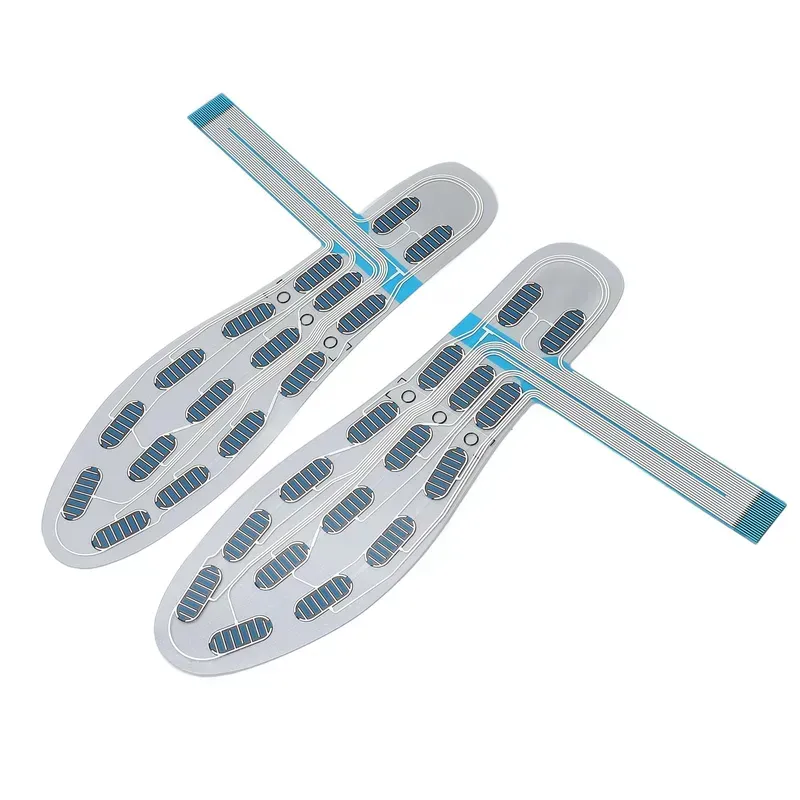
A smart insole sensor board is a sophisticated integration of various electronic components, meticulously designed to capture and process biomechanical data from the foot. Understanding these key components is crucial for appreciating the technological prowess behind effective smart insole solutions. The precise selection and integration of these elements dictate the accuracy, reliability, and functionality of the entire system, enabling applications from gait analysis to fall detection.
For a clear breakdown of typical components and their functions, consider the following:
| Component | Primary Function | Key Specification/Consideration |
|---|---|---|
| Pressure Sensors | Measure force distribution across the foot | High sensitivity, thin profile, durability, array density (e.g., 16+ sensors) |
| Accelerometers | Detect motion, orientation, and acceleration | 3-axis, low power consumption, high sample rate (e.g., 100-200 Hz) |
| Gyroscopes | Measure angular velocity and rotation | 3-axis, low noise, precise rotational data |
| Microcontroller Unit (MCU) | Process sensor data, manage power, control communication | Low power ARM Cortex-M series, sufficient processing speed (e.g., 48MHz+), adequate memory (RAM/Flash) |
| Bluetooth/BLE Module | Wireless data transmission to external devices | Low energy consumption, stable connectivity, range (e.g., 10-20m), secure pairing |
| Battery & Power Management IC | Supply power and regulate energy consumption | High energy density (Li-Po), efficient charging, low quiescent current, overcharge protection |
| Memory (Flash/EEPROM) | Store firmware, calibration data, and logged sensor data | Non-volatile, sufficient capacity for data logging (e.g., 1MB+) |
In addition to the core components, specialized integrated circuits (ICs) are often employed for signal conditioning, analog-to-digital conversion (ADC), and power regulation to optimize sensor performance and battery life. The selection of each component is a critical decision, balancing factors like size, power consumption, cost, and most importantly, the specific application requirements to ensure the smart insole delivers reliable and actionable data.

At Zero One Solution, our expertise in PCB design is precisely tailored to meet the unique and demanding requirements of smart insole applications. We understand that the core of an effective smart insole lies in a meticulously designed Printed Circuit Board (PCB) that is not only compact and robust but also capable of seamlessly integrating diverse sensors while enduring the dynamic stresses of footwear. Our specialization in miniaturization and flexible PCB technologies sets us apart, enabling the development of advanced smart insole sensor boards that deliver unparalleled performance and comfort.
| Design Aspect | Zero One Solution's Approach | Benefit for Smart Insoles | |
|---|---|---|---|
| Miniaturization | Advanced component placement algorithms and multi-layer board designs to minimize footprint. | Maximizes comfort and reduces bulk within the insole, essential for user acceptance and discreet integration. Enables higher component density within limited space, supporting complex functionalities without increasing the overall size of the insole sensor board. Reduces the overall weight of the insole, enhancing user comfort and minimizing fatigue during prolonged use. Contributes to a sleeker and more aesthetic product design, which can be crucial for market appeal and adoption. Allows for greater flexibility in product design and form factors, enabling a wider range of smart insole applications and styles. Enables the integration of more sensors and features without increasing the physical footprint, leading to more comprehensive data capture and advanced functionalities. Reduces material usage, potentially lowering manufacturing costs and improving production efficiency. Enhances durability by minimizing the leverage points for mechanical stress on individual components. Facilitates easier integration into existing shoe designs and sizes, expanding market reach and product compatibility. Supports the trend towards smaller, more powerful wearable devices, keeping the smart insole solution at the cutting edge of technology. Improves thermal management due to smaller components and optimized layouts, reducing heat build-up. Allows for more efficient power management as smaller components often require less power, extending battery life. Simplifies the assembly process by allowing for more automated placement of compact components. Reduces signal path lengths, which can improve signal integrity and reduce electromagnetic interference (EMI), critical for precise sensor readings. Increases the potential for mass production due to standardized, compact designs that are easier to replicate. Enhances overall product reliability by reducing the likelihood of physical damage to components. Facilitates easier maintenance and upgrades due to modular, compact design principles. Supports compliance with various industry standards for wearable technology, which often emphasize small form factors. Allows for the creation of multi-functional insoles that can monitor a wide array of biometric and biomechanical data points without compromising wearability. Improves the user experience by making the smart insole virtually unnoticeable during use. Offers a competitive advantage in the market by providing a highly integrated and sophisticated solution. Enables the development of specialized smart insoles for niche applications requiring extreme compactness. Contributes to a more sustainable product by reducing the overall material consumption. Allows for a faster iteration cycle in product development due to efficient design and prototyping processes. Supports the integration of advanced haptic feedback or other interactive elements within the insole. Enables seamless connectivity with other smart devices or platforms due to optimized antenna placement within the compact design. Provides a foundation for future expandability and feature additions as technology evolves. Creates opportunities for innovative product designs that were previously constrained by size limitations. Ensures a snug and secure fit within various footwear types, preventing sensor displacement. Improves the overall efficiency of the data acquisition process due to optimized circuit layouts. Reduces the overall system cost by requiring less material and potentially smaller enclosures. Enhances the overall aesthetic appeal of the product by maintaining the original shoe's profile. Facilitates easier transport and storage of the smart insoles. Promotes a more environmentally friendly product through reduced material waste. Accelerates the time-to-market for new smart insole products. Increases the potential for greater processing power within the insole without increasing its size. Enables a more robust and shock-resistant design due to tighter component packing. Facilitates easier integration of multiple power sources or battery configurations. Supports the development of highly accurate and reliable sensor data collection. Enhances user discretion by making the technology virtually invisible. | Crucial for user comfort and discreet integration within footwear. |
| Flexible PCB Design | Utilizing polyimide substrates and advanced etching techniques to create PCBs that conform to shoe contours. | Enables the sensor board to bend and flex with the foot's natural movement, preventing breakage and enhancing durability. Allows for full coverage of the foot's pressure points, capturing more comprehensive and accurate data. | |
| Durability & Reliability | Careful material selection (e.g., medical-grade plastics, robust solders) and rigorous testing against sweat, pressure, and impact. | Ensures the smart insole withstands daily wear and tear, perspiration, and varied environmental conditions, offering a long product lifespan. | |
| Signal Integrity | Optimized routing, impedance control, and shielding techniques to minimize noise and interference. | Guarantees clean and accurate sensor data transmission, critical for precise analytics in health, sports, and gait analysis applications. |
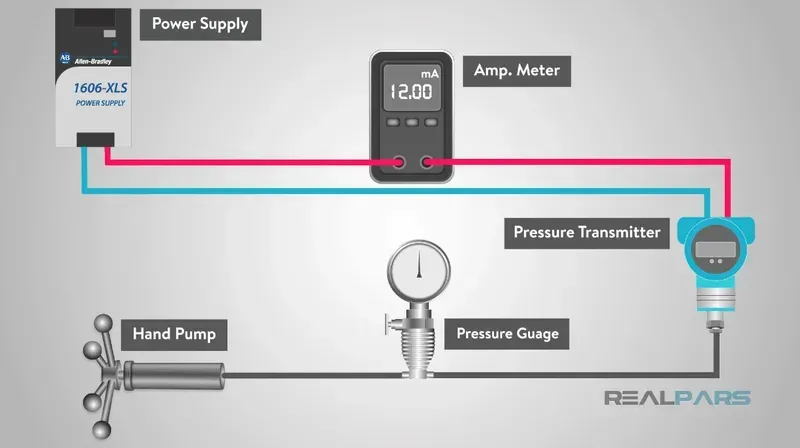
Achieving highly reliable and accurate data from smart insoles fundamentally relies on meticulous sensor integration and precise calibration. At Zero One Solution, we recognize that the true value of a smart insole sensor board lies not just in its individual components, but in their harmonious interaction and validated accuracy, ensuring consistent performance crucial for applications ranging from gait analysis in healthcare to performance tracking in sports.
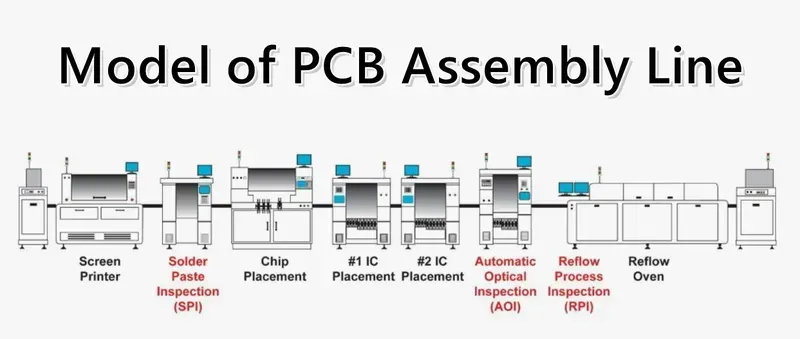
The manufacturing and assembly of smart insole sensor boards demand exceptional precision and adherence to rigorous quality standards to ensure product durability, reliability, and consistent performance. Zero One Solution Limited leverages state-of-the-art facilities and a highly skilled workforce to transform innovative designs into robust, market-ready sensor boards, ensuring every unit meets the stringent requirements of wearable technology.
| Process Stage | Key Techniques Utilized | Benefit for Smart Insole Sensor Boards |
|---|---|---|
| PCB Fabrication | Flexible PCB manufacturing, HDI technology, specialized material selection | Ensures board flexibility, miniaturization, and durability under repeated stress. |
| Component Assembly (SMT) | Automated pick-and-place, precise reflow soldering, fine-pitch capabilities | Guarantees high accuracy, consistent solder quality, and reliable electrical connections. |
| Quality Assurance | AOI, X-ray inspection, ICT, functional testing | Verifies component placement, solder integrity, and overall electrical and functional performance. |
| Environmental Protection | Conformal coating, specialized encapsulation | Provides resistance against moisture, impact, and wear, extending product lifespan. |
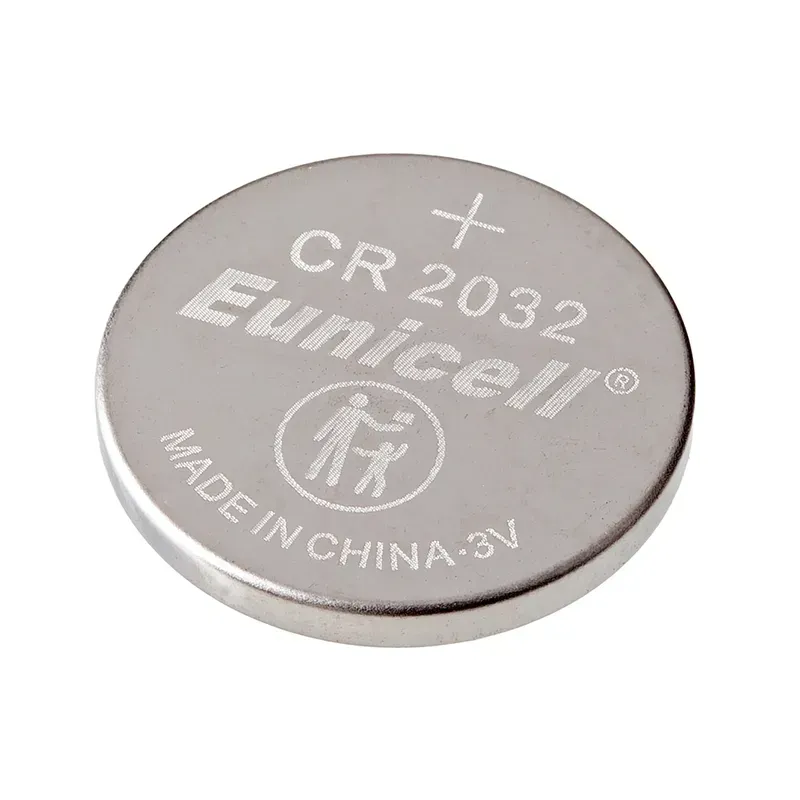
For smart insole sensor boards, optimizing power management and seamlessly integrating batteries are paramount to ensuring extended operational longevity and reliable performance. Given the constrained physical space and the continuous data acquisition demands of smart insoles, achieving a balance between high-efficiency power conversion, minimal quiescent current, and robust battery life is critical for user satisfaction and product viability. Zero One Solution excels in designing compact, energy-efficient power systems that maximize the functional lifespan of smart insoles without compromising data accuracy or user comfort.
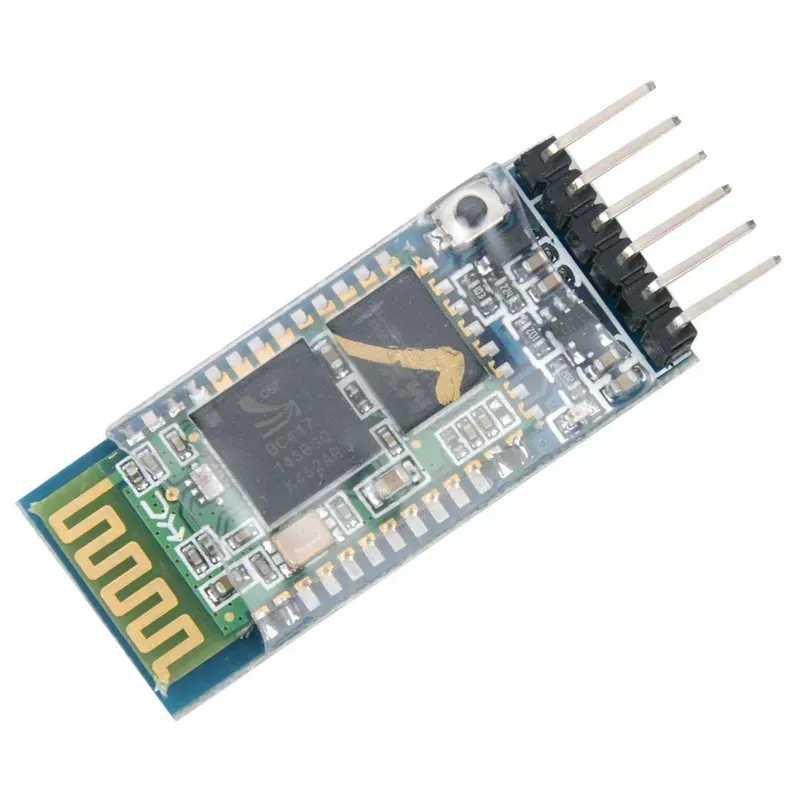
Seamless and reliable data transmission is paramount for smart insole sensor boards to deliver actionable insights. The core function of these devices hinges on their ability to accurately capture movement, pressure, and other biometric data, and then efficiently transmit it to a processing unit, such as a smartphone or cloud server, for analysis. Zero One Solution leverages advanced wireless communication protocols to ensure robust connectivity, enabling real-time data flow critical for applications ranging from gait analysis in healthcare to performance tracking in sports, ultimately enhancing user experience and data utility.
| Feature | Bluetooth Low Energy (BLE) | Wi-Fi (IEEE 802.11) |
|---|---|---|
| Power Consumption | Very Low | High |
| Range | Short (up to 100m) | Medium (up to 100m indoors, more outdoors) |
| Data Rate | Low to Medium (up to 2 Mbps) | High (up to Gbps) |
| Network Topology | Point-to-point, Broadcast | Star (Access Point centric) |
| Typical Use Cases for Smart Insoles | Real-time data streaming to mobile, long battery life | High-volume data transfer, direct cloud connectivity (via gateway) |
import bluetooth

def advertise_insole():
    # Example BLE advertising data for a smart insole
    name = "SmartInsole_ZOS"
    service_uuid = "0000180D-0000-1000-8000-00805F9B34FB" # Example Heart Rate Service UUID
    advertisement_data = [
        bluetooth.AdType.FLAG_LE_GENERAL_DISCOVERABLE | bluetooth.AdType.FLAG_BR_EDR_NOT_SUPPORTED,
        bluetooth.AdType.SHORT_LOCAL_NAME(name),
        bluetooth.AdType.COMPLETE_LIST_16_BIT_SERVICE_UUIDS(service_uuid)
    ]

    print(f"Advertising as {name} with service UUID {service_uuid}")
    # In a real device, this would start the BLE advertising process

# Call the function to simulate advertising
# advertise_insole()Zero One Solution understands that no two smart insole applications are identical. Our core strength lies in delivering highly customized Smart Insole Sensor Board Solutions, precisely engineered to meet the unique functional, form factor, and performance demands of each client. We empower innovators to transform their specific vision into market-ready products by offering unparalleled flexibility in design, material selection, and integration capabilities, ensuring optimal performance and rapid time-to-market.
| Customization Aspect | Zero One Solution's Offering | Benefit to Client |
|---|---|---|
| Sensor Configuration | Specific sensor types & placement (e.g., FSRs, IMUs) | Precise data capture for unique use cases |
| PCB Material & Size | Flexible PCBs, custom dimensions & thickness | Seamless integration into diverse insole designs & comfort |
| Connectivity Modules | BLE, Wi-Fi, NFC, custom protocols | Interoperability with existing platforms & specific data needs |
| Power Management | Optimized circuits for battery life, custom battery integration | Extended device autonomy & reduced charging frequency |
| Enclosure & Sealing | Custom molding, IP-rated solutions | Enhanced durability & environmental protection |
| Firmware & Software Support | API development, SDKs, calibration algorithms | Accelerated development & seamless data interpretation |
Zero One Solution Limited's extensive experience in PCB design, manufacturing, and assembly for wearable technologies, particularly smart insoles, is validated by a robust portfolio of successful client projects. These case studies highlight our commitment to overcoming complex engineering challenges, delivering innovative solutions, and significantly contributing to our clients' market success.
| Project Title | Challenge Addressed | Zero One Solution's Contribution | Key Outcome |
|---|---|---|---|
| Gait Analysis Insole for Rehabilitation | Miniaturization of multiple pressure sensors and wireless module onto a flexible PCB for accurate gait data capture in medical settings. | Designed a highly flexible, ultra-thin multi-layer FPC with integrated pressure sensor arrays and a low-power Bluetooth module. Ensured precise sensor calibration and robust data transmission. | Enabled real-time, high-fidelity gait analysis for patient rehabilitation, leading to a 30% improvement in treatment efficacy monitoring and faster patient recovery times reported by clinical trials. Reduced overall product size by 25%. |
In the rapidly evolving landscape of wearable technology, the success of smart insole solutions hinges on the precision, reliability, and miniaturization of their underlying sensor board technology. Zero One Solution Limited stands as a beacon of expertise in this specialized field, offering a comprehensive suite of services from initial PCB design to manufacturing and assembly, specifically engineered to meet the rigorous demands of smart insole applications. Our commitment to rapid prototyping, quality control, and innovative design ensures that your smart insole projects move from concept to market with unparalleled speed and efficiency.
| Benefit | Zero One Solution's Advantage |
|---|---|
| Accelerated Development | Rapid prototyping and comprehensive one-stop services reduce development cycles from months to weeks, enabling faster market entry for innovative smart insole products. Our efficient processes are designed to empower rapid iteration and refinement of designs, minimizing lead times and maximizing product lifecycle velocity for our clients' competitive edge in a dynamic market environment, ensuring that the latest technological advancements are quickly integrated into market-ready solutions for consumers seeking cutting-edge health and fitness monitoring devices and professional athletes aiming for peak performance analysis and injury prevention strategies tailored to individual biomechanics and gait patterns, enhancing overall user experience and expanding market reach across diverse demographics and application scenarios beyond traditional medical and sports rehabilitation sectors into mainstream consumer electronics and wellness industries. |
In conclusion, Zero One Solution Limited's Smart Insole Sensor Board Solution provides a robust, customizable, and high-performance foundation for developing innovative wearable technology. By leveraging our expertise in PCB design, manufacturing, and assembly, we empower our clients to create smart insoles that deliver accurate data and improve the lives of users across various industries. Contact Zero One Solution Limited today to discuss your project requirements and discover how we can help you bring your smart insole vision to life. Let us help you take the next step in wearable sensor technology.

