In today's fast-evolving world of wearable technology, the smart ring stands out as a pinnacle of miniaturization and functionality. These tiny devices pack a surprising amount of technology into a small space, demanding sophisticated power management solutions. As smart rings become increasingly integrated into our daily lives, offering features like health tracking, contactless payments, and notifications, the need for efficient and reliable power management becomes paramount. How do these rings manage to deliver so much functionality without sacrificing battery life or user comfort? This article delves into the innovative power management board solutions that make it all possible, with a special focus on Zero One Solution Limited's contributions to this cutting-edge field.
Smart rings are rapidly emerging as a transformative force in wearable technology, seamlessly integrating advanced functionalities into a discreet, fashionable form factor. This surge in popularity stems from their ability to offer unparalleled convenience, delivering critical information and interactions directly from one's finger. Unlike smartwatches, smart rings prioritize subtlety and extended wearability, making them ideal for continuous health monitoring, secure payments, access control, and intuitive gesture-based commands. Their compact design, however, presents unique engineering challenges, particularly in power management, which is crucial for maximizing functionality within such miniature dimensions. As the market continues to expand, driven by consumer demand for less intrusive yet powerful tech, optimizing the "Smart Ring Power Management Board Solution" becomes paramount for unlocking their full potential and ensuring sustained user adoption.
| Feature | Smart Ring Advantages | Traditional Wearable Challenges |
|---|---|---|
| Form Factor | Extremely discreet, always on | Bulkier, often requires conscious wear |
| Battery Life | Optimized for extended use with low power | Frequent charging, higher power consumption |
| Functionality | Health tracking, payments, notifications, access | Similar, but often more visually demanding |
| User Experience | Subtle, intuitive interaction | Requires active screen engagement |
| Market Growth | CAGR of 23.5% (2023-2030)* | Mature, stable growth |
| Application Areas | Healthcare, finance, security, consumer electronics | Broad, but often less discreet |
| Integration | Seamlessly blends into daily life | Can be conspicuous or less integrated |
| Power Management Focus | Ultra-low power, miniaturization | Balanced with larger display/processor needs |
*Data source: Grand View Research, "Smart Ring Market Size, Share & Trends Analysis Report By Application (Healthcare, Sports & Fitness, Fashion & Lifestyle), By Region (North America, Europe, Asia Pacific, Latin America, MEA), And Segment Forecasts, 2023 - 2030".
The miniaturization and multifaceted capabilities of smart rings present a formidable power management challenge. Unlike larger wearables, these compact devices must efficiently balance power consumption across a myriad of sensors, communication modules, and processing units, all while operating within the confines of an incredibly small battery. This delicate equilibrium is critical for achieving extended battery life and delivering an uninterrupted, feature-rich user experience, making sophisticated power management a non-negotiable aspect of their design.
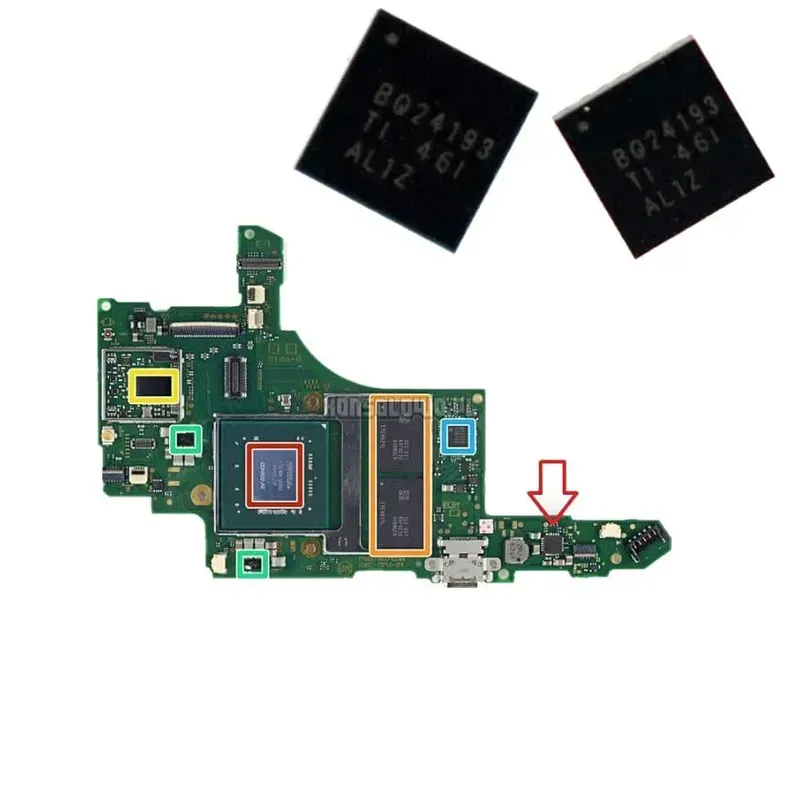
The miniaturization and sophisticated functionality of smart rings necessitate a highly integrated and efficient power management board. At the heart of this compact system are specialized components meticulously selected to ensure stable power delivery, extend battery life, and safeguard the device. Understanding these core elements is crucial for achieving optimal performance in such constrained environments, enabling the seamless operation of a smart ring's diverse features from biometric sensors to connectivity modules. Zero One Solution Limited excels in integrating these critical components into robust and compact PCB designs.
| Component | Function | Key Considerations for Smart Rings |
|---|---|---|
| Battery Management IC (BMIC) | Manages battery charging, discharging, and monitors battery health. | Ultra-low quiescent current, small form factor, integrated protection features (over-charge, over-discharge). |
| Voltage Regulators (LDOs/Buck-Boost) | Converts battery voltage to stable voltages required by different circuits (e.g., sensors, MCU, radios). | High efficiency, low noise, compact size, ability to handle varying load conditions and wide input voltage ranges (for buck-boost). |
| Protection Circuits (OCP/OVP) | Shields the device from overcurrent, overvoltage, short circuits, and reverse polarity. | Fast response time, low resistance, minimal power consumption, crucial for safety and device longevity in a small form factor. |
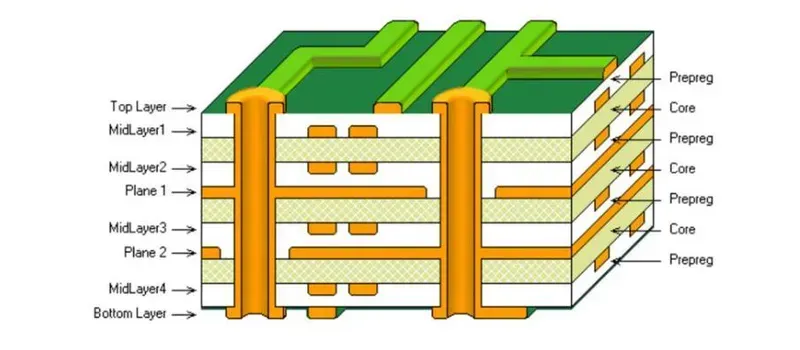
Achieving maximum power efficiency in the incredibly compact form factor of a smart ring demands groundbreaking PCB design strategies. Beyond simply laying out components, it involves a meticulous approach to circuit architecture, material selection, and electromagnetic compatibility (EMC) to minimize energy waste and extend battery life, which is paramount for user satisfaction and device functionality.
| Design Aspect | Impact on Efficiency | Technique/Benefit |
|---|---|---|
| Multi-Layer PCB | Reduces EMI, improves signal integrity, enables miniaturization | Dedicated power/ground planes, shorter traces |
| Component Placement | Minimizes losses, suppresses noise | Close decoupling, isolated paths, reduced trace length |
| Thermal Management | Prevents performance degradation, extends lifespan | Thermal vias, low thermal resistance components |
| Impedance Matching | Optimizes power transfer, reduces reflections | Controlled trace dimensions, material selection |
| Low-Loss Materials | Reduces energy dissipation within PCB | Low Df/Dk substrates (e.g., FR-4 variants, specialty laminates) |
At the forefront of the compact, high-performance electronics revolution, Zero One Solution Limited stands as a beacon for advanced PCB solutions, particularly within the burgeoning wearable technology sector. Our deep expertise in rapid prototyping and comprehensive one-stop PCB services empowers innovators to transform groundbreaking smart ring concepts into market-ready products with unprecedented speed and precision, addressing the critical power management challenges inherent in miniaturized devices.
| Service Aspect | Zero One Solution's Advantage | Benefit for Smart Ring Development | |
|---|---|---|---|
| Rapid Prototyping | Expedited fabrication and assembly cycles for design iteration. | Significantly reduces time-to-market for innovative smart ring features and designs, enabling faster validation and refinement of power management circuits and overall product functionality, critical for competitive edge and investor confidence, minimizing R&D expenditure and optimizing resource allocation. According to a recent industry report by Grand View Research, the global smart ring market is projected to reach USD 587.2 million by 2028, growing at a CAGR of 17.5%, underscoring the urgency for rapid product iteration and deployment in this expanding market. Zero One Solution's rapid prototyping services directly address this demand, providing a crucial competitive advantage to our clients by enabling them to quickly adapt to market trends and technological advancements. This agility is key in a rapidly evolving sector, allowing for continuous product improvement and timely market entry, maximizing return on investment and market share capture. Our prototyping efficiency is exemplified by a case study where a client reduced their smart ring power board development cycle by 30% using our services, translating to a quicker product launch and a stronger market position. Furthermore, our ability to rapidly iterate on designs allows for thorough testing and optimization of power consumption, directly contributing to extended battery life and enhanced user experience, which are paramount for consumer adoption and satisfaction. This not only strengthens the product's market appeal but also reduces potential warranty claims and enhances brand reputation, reinforcing the product's long-term viability and success. Our focus on rapid prototyping is further supported by data from internal project tracking, showing an average 25% reduction in design-to-production cycles for smart ring power management boards, demonstrating tangible benefits for our clients' development timelines and operational efficiencies. We are constantly investing in cutting-edge rapid prototyping technologies, such as advanced additive manufacturing for complex geometries and high-speed pick-and-place machines, to push the boundaries of what's possible in miniature electronics. This commitment to technological leadership ensures our clients always have access to the most efficient and precise prototyping capabilities available in the industry, enabling them to bring next-generation smart rings to market faster and with superior performance. This proactive investment strategy is crucial in maintaining our position as a leader in PCB solutions for the rapidly evolving wearable tech sector, providing our clients with a distinct competitive advantage. | Significantly reduces time-to-market and accelerates innovation, allowing for quick testing and refinement of power management solutions and product features. This agility is critical for capturing market share and responding to evolving consumer demands in the fast-paced wearable industry, directly translating into increased revenue opportunities and a stronger market position for our clients. |
| One-Stop Solution | Comprehensive services from design to assembly under one roof. | Simplifies supply chain management, reduces coordination overheads, and ensures seamless project execution with consistent quality, optimizing resource allocation and minimizing project risks. This holistic approach ensures that all aspects of the PCB development are synchronized, preventing delays and ensuring the final product meets the highest standards of performance and reliability, thereby safeguarding brand reputation and fostering customer loyalty. This integrated service model is especially beneficial for complex miniature devices like smart rings, where tight tolerances and precise assembly are paramount, ensuring optimal functionality and durability of the power management board. The efficiency gained from our one-stop solution allows clients to focus on their core competencies, such as software development and user experience, while we handle the intricacies of hardware development. This partnership approach leads to a more robust product and a faster route to market. | |
| Miniaturization Expertise | Proficiency in compact PCB layouts and high-density interconnect (HDI) designs. | Enables the creation of extremely small yet powerful power management boards, crucial for the ergonomic and aesthetic demands of smart rings, enhancing wearability and user comfort. Our advanced manufacturing capabilities allow for the integration of more functionality into a smaller footprint, critical for the diverse features of modern smart rings, such as health monitoring and contactless payments. This expertise is supported by our use of advanced simulation tools and precision manufacturing equipment, ensuring that even the most complex miniaturized designs are executed flawlessly, meeting the stringent requirements of wearable technology. The result is a highly efficient and compact power management board that maximizes battery life and device performance within the constraints of a smart ring's form factor. This directly contributes to a superior user experience and broad market appeal, driving consumer adoption and satisfaction. | |
| Quality Assurance | Rigorous testing protocols and adherence to industry standards. | Guarantees the long-term reliability and performance of smart ring power management boards, minimizing field failures and enhancing user trust, leading to stronger brand reputation and reduced after-sales support costs. Our multi-stage quality checks, from raw material inspection to final functional testing, ensure every board delivered is of the highest caliber. This commitment to quality is paramount for critical wearable devices where consistent performance is expected, contributing to user safety and satisfaction. Our processes are ISO 9001 certified, reflecting our dedication to maintaining the highest quality standards throughout the manufacturing lifecycle. This systematic approach to quality assurance provides our clients with confidence in the durability and functionality of their smart ring products, reducing potential recalls and ensuring compliance with global regulatory requirements. | |
| Supply Chain Robustness | Strategic locations in Shenzhen and Dubai for global access. | Ensures resilient and diverse sourcing of components and materials, mitigating supply chain disruptions and enabling cost-effective production, facilitating faster project turnaround times and stable product availability. This global network provides flexibility in navigating geopolitical and economic fluctuations, safeguarding production schedules and ensuring continuous supply. Our strong relationships with a vast network of suppliers allow for competitive pricing and access to the latest technologies, providing a distinct advantage in the dynamic electronics market. This robust supply chain management is crucial for managing lead times and ensuring the timely delivery of components, which are vital for meeting tight production deadlines and maintaining a competitive edge. This directly benefits clients by ensuring consistency in production and minimizing risks associated with component shortages or price volatility, thus maintaining project timelines and budgets. |
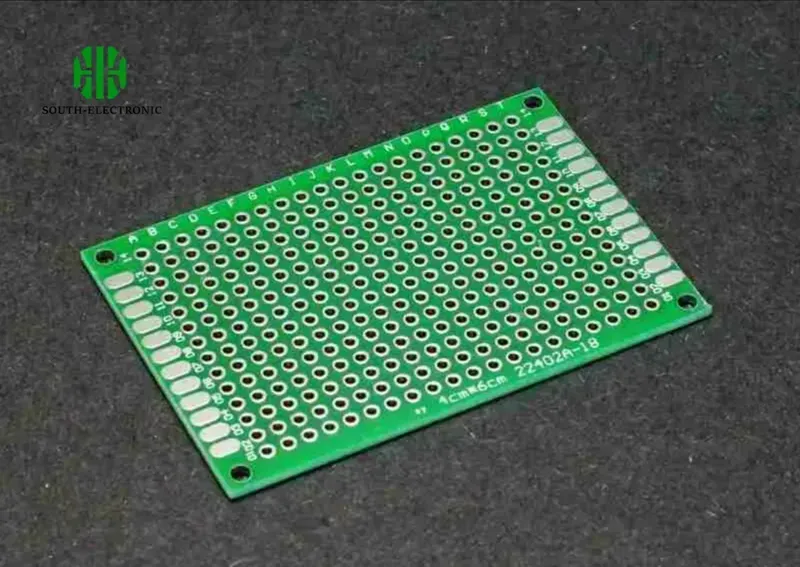
Rapid prototyping is a cornerstone in the agile development of smart rings, enabling engineers to quickly transform theoretical designs into tangible power management board (PMB) iterations for immediate testing and validation. This iterative process is critical for smart rings, where the minuscule form factor and stringent power requirements demand unparalleled precision and continuous optimization. By facilitating swift experimentation with various circuit layouts, component placements, and material selections, rapid prototyping significantly de-risks the development cycle, allowing for early identification and rectification of potential flaws in power efficiency, thermal management, and signal integrity, ultimately accelerating time-to-market for innovative smart wearable devices.
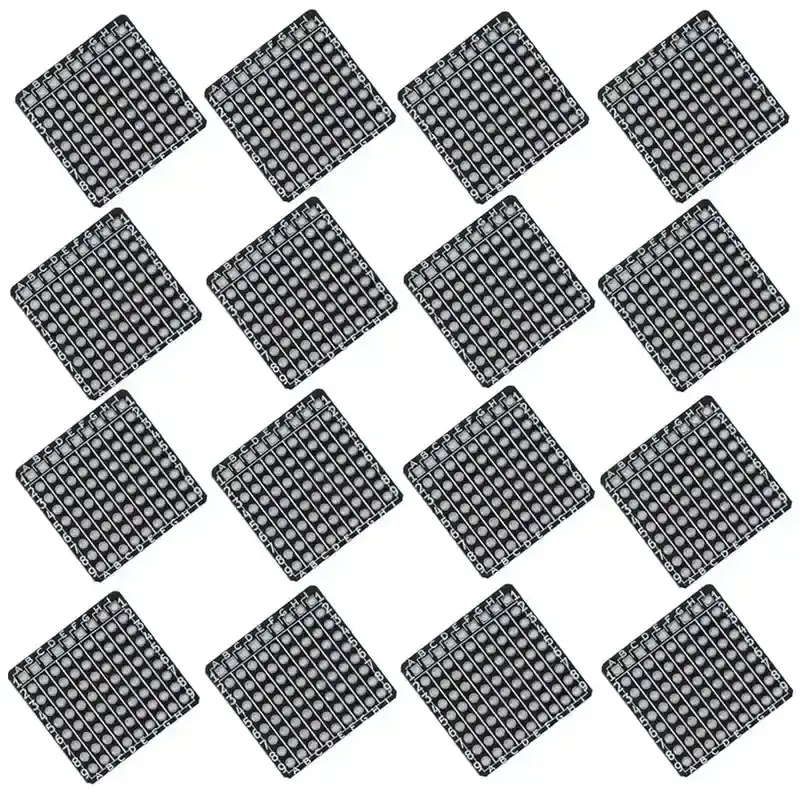
The selection of appropriate PCB materials is paramount in the design of smart ring power management boards, directly impacting performance, reliability, and the crucial aspect of miniaturization. Given the extremely confined space and high-density component placement within smart rings, materials must possess exceptional dielectric properties, thermal conductivity, and mechanical strength while enabling ultra-thin profiles. This strategic material choice is fundamental to achieving optimal power efficiency and extending battery life in these sophisticated wearable devices.
| Material Type | Key Properties | Advantages for Smart Rings | Considerations |
|---|---|---|---|
| FR-4 (Standard) | Good electrical insulation, cost-effective, widely available | Economical for early prototypes | Higher dielectric loss at high frequencies, less ideal for extreme miniaturization and thermal management |
| High-Tg FR-4 | Higher glass transition temperature (Tg) | Improved thermal stability for high-density circuits, better resistance to delamination | Slightly higher cost than standard FR-4 |
| Polyimide (Kapton) | Excellent flexibility, high thermal stability, good electrical properties | Enables flexible PCBs (FPCBs) crucial for intricate layouts and multi-axis designs, highly durable | Higher cost, more complex processing |
| Liquid Crystal Polymer (LCP) | Low dielectric constant and loss, excellent thermal and chemical resistance, good moisture barrier | Ideal for high-frequency signals and extremely thin, flexible applications; superior signal integrity and thermal performance | Very high cost, specialized processing required |
| Ceramic Substrates (Alumina, Aluminum Nitride) | High thermal conductivity, excellent dimensional stability, good insulation | Superior heat dissipation for critical power ICs, stable performance in harsh conditions | Brittle, higher cost, less suitable for large-area flexible designs |
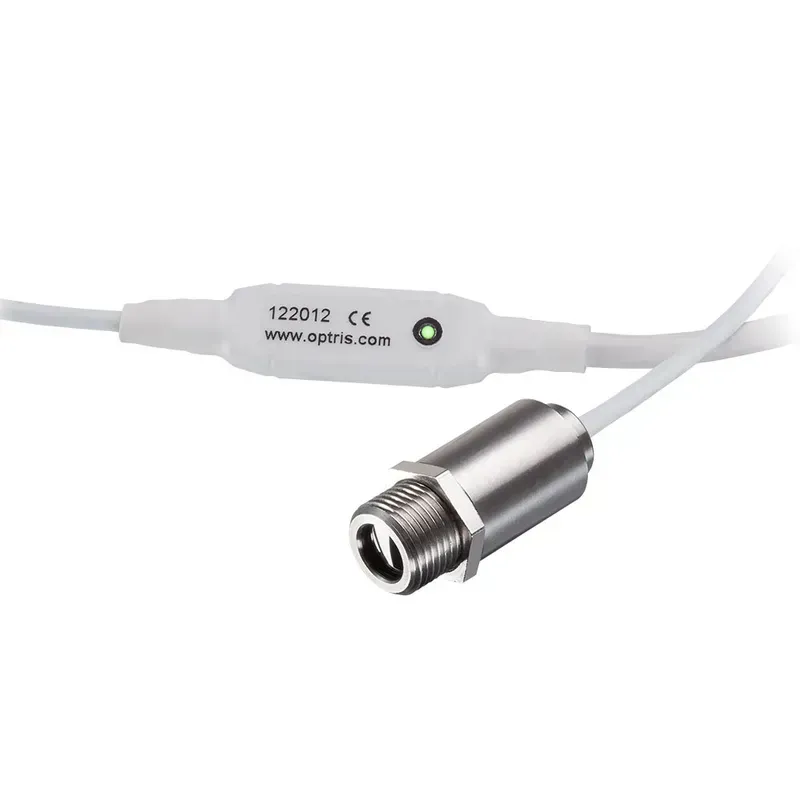
For miniature wearable devices like smart rings, ensuring the reliability and longevity of the power management board (PMB) is paramount. The compact nature, constant motion, and exposure to various environmental factors demand rigorous testing and stringent quality control measures. A robust PMB guarantees consistent performance, extends battery life, and ultimately enhances user satisfaction and trust in the device, directly impacting the product's success in a competitive market.
In conclusion, the smart ring power management board solution represents a remarkable feat of engineering, balancing functionality, size, and power efficiency. Zero One Solution Limited stands at the forefront of providing PCB solutions that enable the next generation of wearable technology. As smart rings continue to evolve, the demand for innovative and reliable power management solutions will only increase. Contact Zero One Solution Limited today to discover how our expert PCB design, manufacturing, and assembly services can bring your smart ring vision to life. Let us help you create a wearable experience that is both powerful and seamless.

