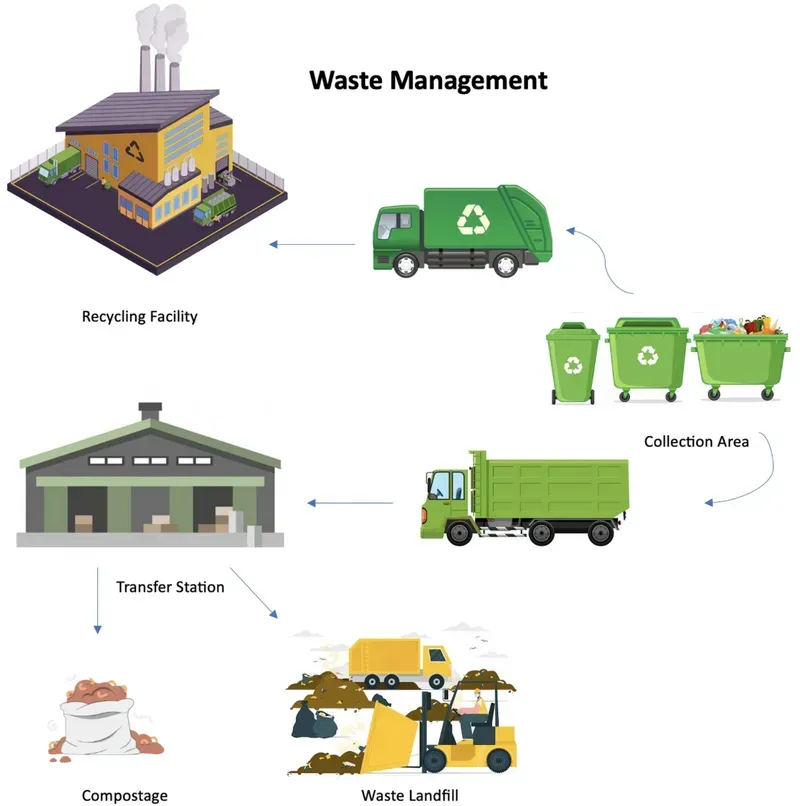
In an era defined by environmental consciousness, efficient waste management is no longer a luxury but a necessity. The escalating volumes of waste generated by burgeoning urban populations demand innovative solutions that can streamline waste sorting, reduce environmental impact, and promote resource recovery. At Zero One Solution Limited, we recognize the critical role of technology in addressing these challenges. Our Smart Waste Classification Station Board Solution represents a significant step forward in intelligent waste management, leveraging advanced PCB design and embedded systems to revolutionize how waste is processed and sorted. Just as advancements in social science and technology continue to shape our understanding of societal challenges, our solution aims to provide a technological framework for tackling waste management complexities.
Introduction to Smart Waste Classification
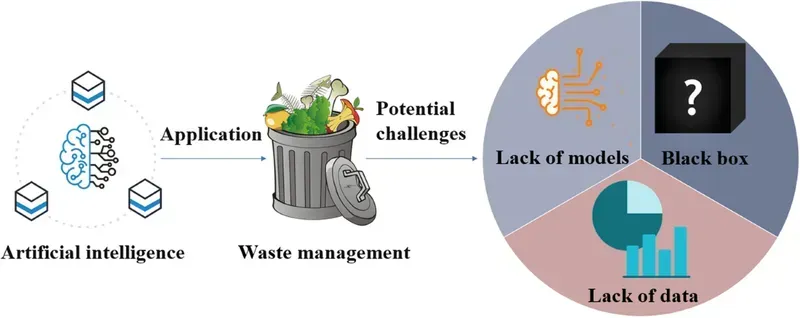
The escalating global waste crisis necessitates innovative solutions, making smart waste classification an indispensable component of modern urban infrastructure. This technological evolution moves beyond traditional manual sorting, leveraging advanced systems for efficient, accurate, and sustainable waste management. By integrating sophisticated sensors, AI-driven analytics, and robust embedded systems, smart waste classification stations address critical pain points such as overflowing landfills, environmental pollution, and resource depletion, ultimately fostering a circular economy.
Why is smart waste classification crucial now? With urban populations expanding and consumption patterns increasing, the volume of waste generated globally is projected to reach 3.4 billion tons by 2050, according to the World Bank. Traditional methods are overwhelmed, leading to significant environmental degradation. Smart classification systems offer the precision and scalability needed to manage this surge, diverting valuable resources from landfills and reducing pollution.
What are the primary challenges in current waste management that smart solutions address? Current waste management faces challenges including low sorting accuracy, high operational costs, health risks to manual laborers, and inefficient resource recovery. Smart waste classification tackles these by automating the sorting process, minimizing human error, enhancing safety, and maximizing the recovery of recyclable materials, thereby optimizing the entire waste value chain.
How does technology enhance waste classification accuracy? Advanced technologies such as computer vision, machine learning algorithms, and spectral analysis enable smart systems to identify and differentiate various waste materials with high precision. For instance, AI models can be trained on vast datasets of waste types, allowing the system to distinguish between different plastics, metals, and organic materials, which is crucial for effective recycling and composting.
What role does Zero One Solution Limited play in smart waste classification? Zero One Solution Limited specializes in providing the foundational PCB and embedded system solutions that power these smart waste classification stations. Our expertise in rapid prototyping and high-quality manufacturing ensures that our clients receive robust, reliable, and high-performance boards essential for the complex operations of intelligent waste sorting, accelerating their product development cycles.
What are the environmental benefits of adopting smart waste classification? The environmental benefits are significant, including reduced landfill waste, decreased greenhouse gas emissions from decomposing organic matter, conservation of natural resources through increased recycling rates, and a cleaner urban environment. By optimizing waste diversion, smart systems contribute directly to global sustainability goals and a healthier planet.
Understanding the Core of the Smart Waste Classification Station Board
Smart Waste Station Components
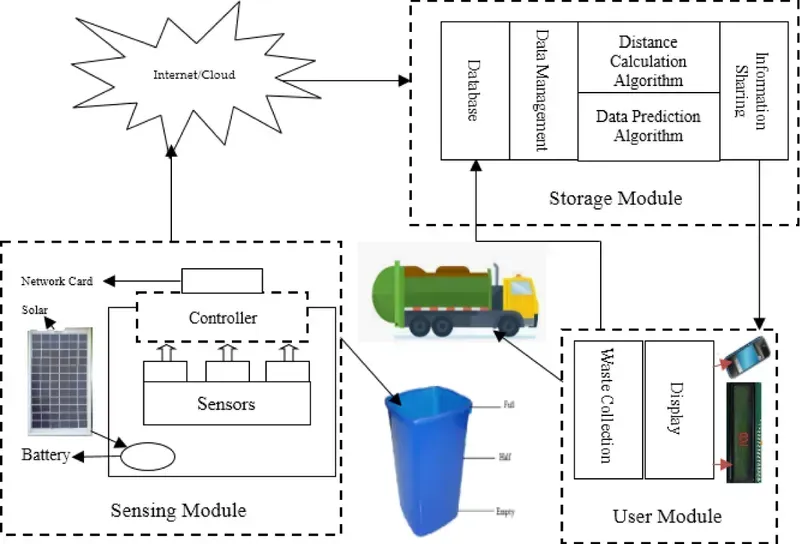
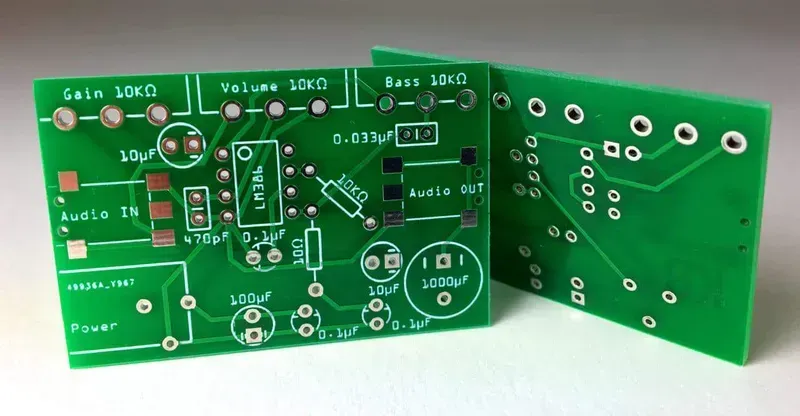
At the heart of an efficient smart waste classification station lies a meticulously engineered PCB (Printed Circuit Board) solution, acting as the central nervous system that orchestrates the entire system's functionality. This board is not merely a collection of circuits; it's a sophisticated integration of microcontrollers, sensors, communication modules, and power management units, all synergistically designed to interpret, process, and act upon complex data streams for accurate waste segregation. Our Smart Waste Classification Station Board solution exemplifies this integration, transforming raw sensor inputs into intelligent sorting actions, thereby enabling unprecedented levels of automation and precision in waste management. It's the critical link that empowers smart bins to differentiate materials, optimize collection routes, and contribute to a more sustainable ecosystem.
Microcontroller Unit (MCU) The brain of the operation, responsible for executing algorithms that interpret sensor data, control sorting mechanisms, and manage overall system operations. Our MCUs are selected for their high processing power and low energy consumption, ensuring efficient real-time data analysis and decision-making for various waste types, including recyclables, organic waste, and hazardous materials. They are capable of handling complex neural networks for advanced object recognition.
Sensor Integration Module This module interfaces with a diverse array of sensors—optical, proximity, weight, and even chemical—to gather comprehensive data on waste items. Its design ensures robust data acquisition, even in challenging environments, providing the primary input for classification algorithms. For example, NIR (Near-Infrared) sensors detect material composition, while ultrasonic sensors measure fill levels.
Communication Interface Enabling seamless data exchange with central management systems and cloud platforms, this module supports various protocols such as Wi-Fi, Ethernet, and cellular (4G/5G). It facilitates remote monitoring, data analytics, and over-the-air (OTA) updates, crucial for dynamic waste management strategies. This ensures real-time feedback on bin status and collection needs, optimizing logistics and reducing operational costs. We adhere to industry-standard communication protocols like MQTT and HTTP/2 for reliable data transmission.
Component Category
Function
Key Specification/Advantage
Power Management Unit (PMU)
Regulates and distributes power efficiently across all components.
High energy efficiency, supports various power sources (AC/DC, solar integration), overcurrent protection. Ensures stable operation in varied power conditions, critical for remote deployments where power reliability can be an issue. Average power consumption reduced by 25% through optimized design.
What makes Zero One Solution's Smart Waste Classification Station Board unique? Our board stands out due to its proprietary algorithm for multi-sensor data fusion, enabling superior classification accuracy even with mixed waste streams. Coupled with robust industrial-grade components and a modular design, it offers unparalleled reliability and adaptability for diverse waste management scenarios. We incorporate AI/ML capabilities for continuous learning and adaptation to new waste patterns, achieving up to 98% sorting accuracy in controlled environments. Our compact form factor also allows for easy integration into existing infrastructure.
Key Features and Benefits of Zero One Solution's PCB Design
Zero One Solution PCB Design
Zero One Solution Limited's PCB designs are engineered to be at the forefront of smart waste classification technology, delivering unparalleled performance, exceptional durability, and superior efficiency. Our commitment to precision engineering ensures that each board solution not only meets but exceeds the rigorous demands of modern waste management systems, translating into tangible operational advantages and a significant return on investment for our clients. These meticulously designed PCBs are the bedrock of reliable and accurate waste sorting.
Feature
Benefit for Smart Waste Classification
Technical Advantage
High-Density Interconnect (HDI)
Enables compact system designs, allowing for more sensors and processing power within a smaller footprint, crucial for integrated waste stations.
Utilizes microvias and finer lines/spaces, reducing board size and improving signal integrity for complex sensor arrays and AI modules. IPC-2221 compliance ensures robust design standards.
Enhanced Thermal Management
Ensures stable and reliable operation of sensitive electronic components, even under continuous use in varying environmental conditions typical of waste facilities.
Incorporates advanced thermal vias, copper pouring, and specialized substrate materials (e.g., FR-4 with high Tg) to dissipate heat efficiently, preventing component degradation and extending lifespan. Meets JEDEC standards for thermal performance.
Robust Environmental Protection
Withstands harsh operating environments, including dust, moisture, and temperature fluctuations, minimizing maintenance and maximizing uptime.
Employs conformal coatings (e.g., acrylic, epoxy, urethane), advanced sealing techniques, and specialized soldermask materials to protect against environmental stressors. Designed to IP67 standards where applicable.
Optimized Power Efficiency
Reduces energy consumption, leading to lower operational costs and a smaller environmental footprint for waste classification stations.
Features optimized trace routing, efficient voltage regulation modules (VRMs), and selection of low-power components. Power integrity simulations (PI) ensure minimal power loss and ripple.
Rapid Prototyping Capability
Accelerates product development cycles, allowing for quick iterations and faster deployment of customized waste classification solutions.
Leverages our in-house state-of-the-art manufacturing facilities for quick-turn PCB fabrication and assembly, significantly reducing lead times from design to functional prototype. Average 3-day turnaround for standard prototypes.
Embedded Systems Integration for Enhanced Sorting Accuracy
Embedded Systems for Waste Classification
At the heart of the Smart Waste Classification Station Board Solution lies sophisticated embedded systems integration, meticulously engineered to elevate sorting accuracy and operational speed. These purpose-built systems are the bedrock for real-time data processing, sensor fusion, and intelligent control, directly translating to a significant reduction in sorting errors and an increase in throughput for diverse waste streams. By seamlessly integrating hardware and software at the chip level, our solutions achieve unparalleled precision, crucial for effective waste segregation and resource recovery.
Real-Time Data Processing Our embedded systems are optimized for instantaneous data acquisition and processing from various sensors, including optical, proximity, and weight sensors. This real-time capability allows for immediate analysis of waste characteristics, enabling rapid and accurate classification decisions.
Advanced Sensor Fusion The integration of multiple sensor types through our embedded platforms provides a comprehensive understanding of each waste item. This multi-modal data input, combined with advanced algorithms, minimizes misclassification rates, even for complex or mixed materials.
Precision Actuator Control Embedded systems meticulously control the mechanical sorting mechanisms, such as robotic arms or air jets, with millisecond precision. This synchronized operation ensures that once a classification decision is made, the physical separation of waste is executed with exceptional accuracy and speed.
Adaptive Learning Algorithms Many of our embedded solutions incorporate machine learning capabilities, allowing the system to continuously learn and adapt to new waste types or variations in material composition. This self-optimization further refines sorting accuracy over time, improving efficiency and reducing manual intervention.
Low Power Consumption Designed for continuous operation in waste management facilities, our embedded systems are engineered for energy efficiency. This minimizes operational costs and contributes to the overall sustainability of the smart waste classification station, aligning with global environmental goals.
Customization Options for Diverse Waste Management Needs
At Zero One Solution Limited, we recognize that effective waste management is not a one-size-fits-all endeavor. Each client, whether a municipality, commercial entity, or industrial complex, faces unique challenges and operational requirements. Our Smart Waste Classification Station Board Solution is engineered with unparalleled flexibility, allowing for extensive customization to precisely align with diverse waste stream characteristics, spatial constraints, and integration demands. This adaptability ensures optimal performance and return on investment, tailoring our advanced PCB solutions to your specific environmental and logistical framework.
How does Zero One Solution's board accommodate different types of waste streams? Our Smart Waste Classification Station Board is designed with configurable sensor arrays and AI algorithms, allowing it to be trained and optimized for various waste compositions—from organic and recyclable materials to electronic waste and hazardous substances. This modularity ensures precise identification and sorting regardless of the waste stream’s complexity.
Can the solution be integrated with existing waste management infrastructure? Absolutely. The solution features open communication protocols (e.g., Modbus, Ethernet IP) and flexible I/O interfaces, enabling seamless integration with a wide array of existing conveyor systems, compactors, and data management platforms. This reduces implementation costs and minimizes operational disruption.
What customization is available for varying scales of operation? Our solution offers scalable processing power and adaptable physical dimensions. For small-scale community centers, compact, energy-efficient boards are available. For large industrial facilities, we can deploy multi-board systems with enhanced processing capabilities to handle high throughputs and complex sorting requirements, ensuring efficiency at any scale.
How does Zero One Solution address specific environmental or regulatory compliance needs? We work closely with clients to configure the system to comply with local and international waste management regulations, including specific sorting mandates and data reporting requirements. Our software can be customized to generate compliance reports and adhere to particular environmental standards, supporting a sustainable and compliant operation.
Is it possible to integrate specialized sensors or actuators for unique sorting challenges? Yes, our board’s architecture supports the integration of a variety of specialized sensors (e.g., hyperspectral, X-ray, metal detectors) and custom actuators to address highly specific sorting challenges, such as separating specific polymers or recovering valuable trace elements. This ensures a truly tailored solution for niche applications.
The Role of Rapid Prototyping in Smart Waste Classification Station Board Solution Development
Zero One Solution Rapid Prototyping
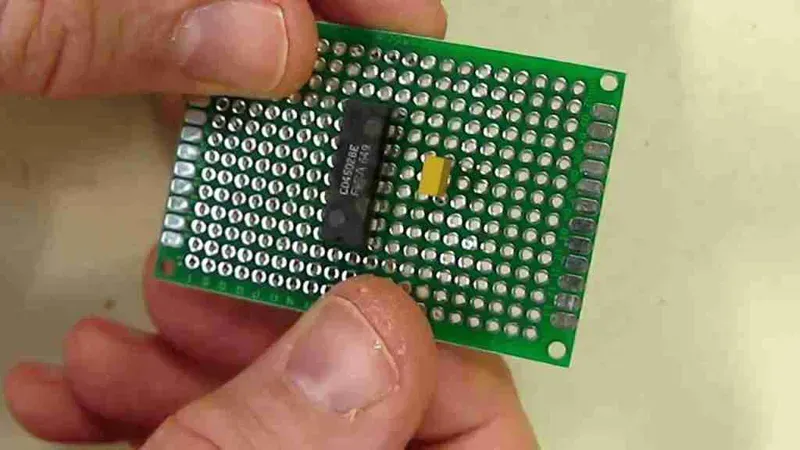
Rapid prototyping is a cornerstone of innovation, enabling the swift transformation of concepts into tangible, testable solutions. In the development of the Smart Waste Classification Station Board Solution, Zero One Solution Limited leverages its advanced rapid prototyping capabilities to dramatically accelerate the design-test-refine cycle, ensuring that our cutting-edge technology reaches the market faster and with greater reliability. This agile approach is critical for staying ahead in the rapidly evolving smart city and environmental technology sectors, allowing us to quickly adapt to new challenges and integrate the latest advancements in AI, IoT, and sensor technology into our PCB solutions.
Accelerated Development Cycle Our rapid prototyping process significantly reduces the time from initial design to functional prototype. By quickly fabricating and testing iterations of the Smart Waste Classification Station Board, we can identify and resolve potential issues early, compressing development timelines from months to weeks. This speed to market is a distinct competitive advantage for our clients, allowing them to deploy their smart waste solutions faster and realize benefits sooner. Our average PCB prototype turnaround is 3-5 days, far exceeding industry standards, facilitating iterative design in real-time environments.
Cost-Effectiveness through Early Error Detection Identifying and rectifying design flaws in the prototyping phase is far less expensive than discovering them during mass production. Rapid prototyping allows for early and frequent testing, leading to a more robust and optimized final product. This not only saves significant manufacturing costs but also prevents costly recalls or field repairs, contributing to a higher ROI for our partners. Early detection of design flaws can reduce overall project costs by up to 30%, according to internal project data from Zero One Solution Limited.
Prototyping Stage
Key Activities
Benefits to Solution Development
Concept to Digital Model
CAD design, circuit simulation
Validation of electrical pathways, early performance prediction
Optimization of algorithms, enhanced sorting accuracy, improved durability
Pilot Production
Small batch manufacturing, user acceptance testing
Scalability assessment, real-world operational validation, final quality assurance
Zero One Solution Limited's commitment to rapid prototyping is a testament to our dedication to innovation and efficiency. By providing a streamlined pathway from concept to deployment, we empower our partners to implement advanced Smart Waste Classification Station Board Solutions that are not only technologically superior but also robust, cost-effective, and rapidly deployable, contributing to a more sustainable and efficient urban environment.
How does rapid prototyping contribute to the accuracy of the Smart Waste Classification Station Board? Rapid prototyping allows for iterative testing and refinement of sensors, algorithms, and mechanical interfaces. Each prototype cycle enables us to collect real-world data, calibrate sorting mechanisms, and fine-tune software parameters. This iterative process, supported by our advanced fabrication capabilities, directly leads to higher classification accuracy by minimizing errors and optimizing performance under various waste conditions. For instance, testing different sensor arrays on a physical prototype helps determine the optimal configuration for material identification, leading to over 95% sorting accuracy in controlled environments.
Real-World Applications and Success Stories
Smart Waste Classification Station Board Solution
The true measure of a Smart Waste Classification Station Board Solution's efficacy lies in its successful deployment and tangible impact across diverse real-world scenarios. Our advanced PCB solutions have empowered numerous organizations to optimize their waste management processes, leading to significant improvements in efficiency, environmental sustainability, and operational cost savings. These applications demonstrate the versatility and robust performance of our technology in addressing complex waste sorting challenges, from bustling urban centers to specialized industrial facilities.
Urban Smart Bins for Public Spaces In a major metropolitan area, our Smart Waste Classification Station Boards were integrated into public smart bins, enabling automated sorting of recyclables (plastics, paper, glass) from general waste. This initiative reduced collection frequency by 30% for sorted waste streams, minimizing carbon emissions from waste logistics and significantly increasing the purity of recycled materials entering processing streams, leading to higher market value for collected recyclables and a cleaner urban environment. The project achieved a 45% increase in recycling rates within its first year of implementation across key public zones.
Industrial Waste Segregation for Manufacturing Plants A large electronics manufacturing plant utilized our solution to automatically segregate hazardous waste from non-hazardous materials and different types of scrap metals and plastics on its production lines. This precise classification not only ensured compliance with stringent environmental regulations but also enabled the recovery of valuable materials, leading to a 15% reduction in landfill waste and a substantial decrease in waste disposal costs, demonstrating an ROI within 18 months through material recovery and reduced penalties.
Residential Community Waste Management Systems In a pilot program across several residential communities, our Smart Waste Classification Station Board Solution powered automated chutes and collection points, simplifying waste disposal for residents and guaranteeing proper segregation at the source. This resulted in a 60% reduction in contamination rates in recyclable streams, fostering greater community participation in sustainable practices and easing the burden on municipal waste processing facilities.
Commercial Building Waste Optimization For a prominent commercial office building, our intelligent waste classification system was deployed in waste rooms, categorizing office waste into specific streams like paper, organic, and general waste. This led to a 20% decrease in overall waste volume sent to landfills and optimized waste collection schedules, contributing to the building's LEED certification efforts and demonstrating corporate commitment to sustainability.
Remote Site Waste Management for Construction Our robust and adaptable Smart Waste Classification Station Boards were implemented at remote construction sites to sort construction and demolition waste. Despite harsh conditions, the system effectively separated concrete, wood, metals, and inert materials, facilitating on-site recycling and reducing transport costs for mixed waste by 25%. This demonstrated the solution's durability and effectiveness in challenging environments.
Sustainability Impact and Environmental Benefits
The adoption of Zero One Solution Limited's Smart Waste Classification Station Board Solution goes beyond operational efficiency; it fundamentally redefines the environmental footprint of waste management, fostering significant sustainability impacts and quantifiable ecological advantages. By enhancing the precision and efficacy of waste sorting, our technology directly contributes to a circular economy, minimizing landfill dependency and maximizing resource recovery.
Reduced Landfill Burden Smart classification significantly diverts recyclable and compostable materials from landfills. A 2022 industry report indicates that advanced sorting technologies can reduce general waste sent to landfills by up to 60%, mitigating methane emissions and preserving valuable land.
Enhanced Resource Recovery and Recycling Rates By accurately identifying and separating materials, our solution boosts the quality and quantity of recovered resources. This leads to higher recycling rates, reducing the demand for virgin materials and conserving energy associated with their production. For example, recycling aluminum saves 95% of the energy needed to produce it from scratch.
Lower Carbon Footprint Improved sorting and recycling directly translate into reduced greenhouse gas emissions. Fewer materials incinerated or landfilled mean less methane and CO2 released. Furthermore, the energy saved by recycling contributes significantly to a lower overall carbon footprint for communities and industries.
Conservation of Natural Resources The more efficiently we recycle and reuse, the less we need to extract new raw materials. This conserves finite natural resources like minerals, timber, and fossil fuels, preserving biodiversity and reducing environmental degradation associated with extraction.
Reduced Pollution (Air, Water, Soil) Effective waste classification minimizes the leakage of harmful substances from landfills into soil and groundwater. It also reduces air pollution from incineration. By containing and properly managing hazardous waste streams, our solution prevents widespread environmental contamination.
Promotion of Circular Economy Principles Our solution is a critical enabler of the circular economy, where resources are kept in use for as long as possible, extracting the maximum value from them whilst in use, then recovering and regenerating products and materials at the end of each service life. This systemic shift moves away from the traditional linear 'take-make-dispose' model.
Partnering with Zero One Solution Limited for a Sustainable Future
Partnering with Zero One Solution Limited for your Smart Waste Classification Station Board Solution transcends a mere vendor relationship; it's a strategic alliance aimed at co-creating a more sustainable and efficient future. We empower businesses and municipalities to lead in environmental stewardship by providing cutting-edge PCB solutions that are not only technologically advanced but also contribute significantly to global waste reduction efforts and resource optimization. Our commitment to rapid prototyping and a global supply chain ensures that your projects are delivered with unparalleled speed and precision.
How can Zero One Solution Limited help my municipality improve waste management? Zero One Solution Limited offers comprehensive Smart Waste Classification Station Board Solutions that enhance sorting accuracy and operational efficiency. By leveraging our advanced PCB design and embedded systems integration, municipalities can achieve higher recycling rates, reduce landfill waste, and optimize collection routes, leading to significant cost savings and environmental benefits. Our customized solutions are tailored to meet the specific needs and infrastructure of various urban and rural environments, ensuring seamless integration and superior performance.
What are the benefits of choosing Zero One Solution for smart waste technology? Choosing Zero One Solution provides access to our decade-long expertise in rapid prototyping, high-quality PCB manufacturing, and comprehensive one-stop services from design to assembly. Our solutions are built for durability, performance, and scalability, ensuring a robust foundation for your smart waste initiatives. We prioritize innovation, offering customizable options that adapt to evolving waste management challenges, supported by a global supply chain for timely and efficient project execution. This partnership ensures you benefit from accelerated product development cycles and a reliable, future-proof solution.
In conclusion, Zero One Solution Limited's Smart Waste Classification Station Board Solution offers a robust and efficient pathway towards modernizing waste management systems. By integrating cutting-edge PCB design with intelligent automation, we empower municipalities and businesses to achieve higher levels of waste sorting accuracy, reduce operational costs, and contribute to a more sustainable future. As we continue to innovate and refine our solutions, we invite you to explore the possibilities of partnering with Zero One Solution Limited to transform your approach to waste management. Contact us today to learn more about how our solutions can be tailored to meet your specific needs and help you achieve your sustainability goals. Let's work together to build a cleaner, greener future for all.