Start Capacitor: Powering the Initial Push for Motors
2025.01.22
Imagine a sprinter at the starting line, needing an extra burst of power to get going. That's similar to how a start capacitor works in an electric motor. It provides the necessary jolt to overcome initial inertia and get the motor spinning, a seemingly small component that plays a pivotal role in many appliances and machinery. This article demystifies the start capacitor, explaining its function, importance, and troubleshooting, ensuring a deeper understanding of this crucial electrical component.
What is a Start Capacitor?
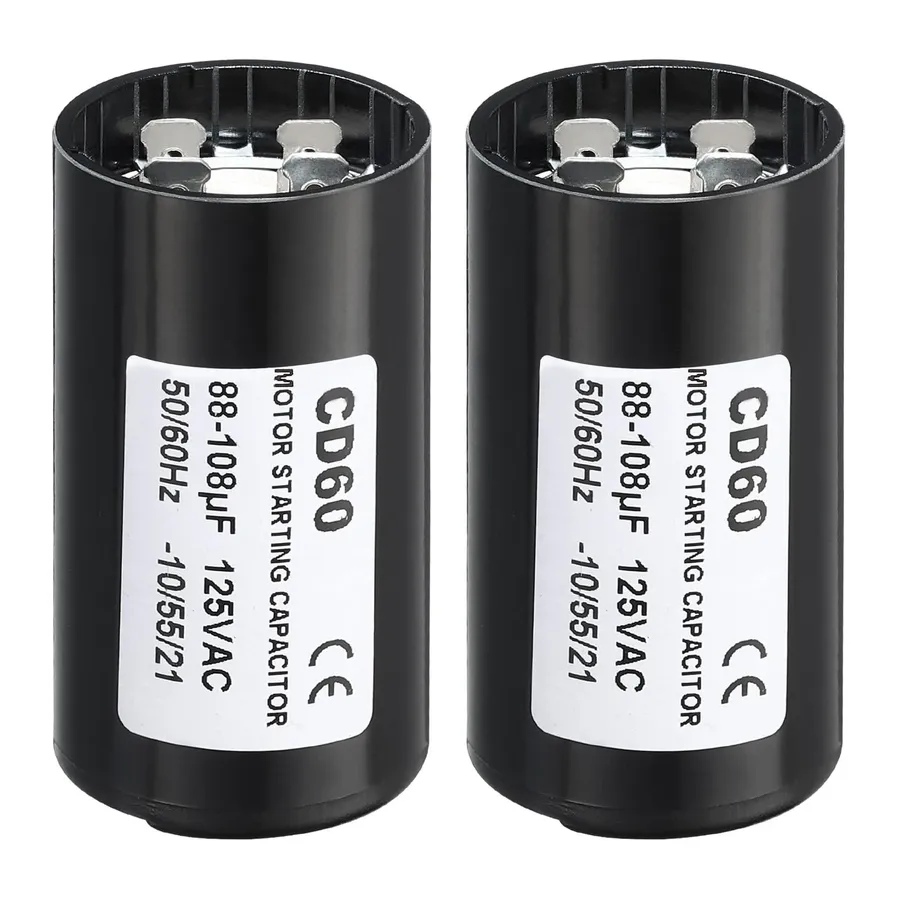
Start Capacitor
A start capacitor is a crucial component in many electric motors, acting as a temporary energy reservoir that provides a high-current surge during the initial startup phase. This surge delivers the necessary torque to overcome inertia and initiate motor rotation. Unlike run capacitors, start capacitors are designed for intermittent use, typically being switched out of the circuit once the motor reaches its operational speed.
How Does a Start Capacitor Work?
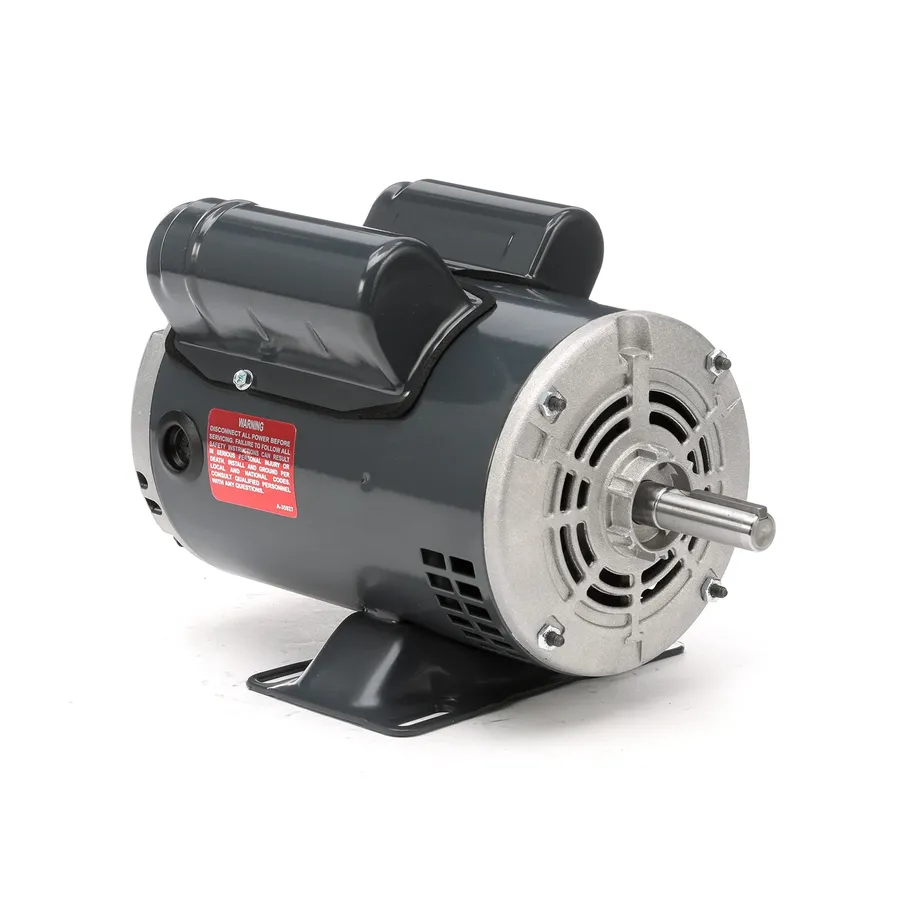
Motor with Start Capacitor
Start capacitors are crucial for initiating the rotation of electric motors, particularly single-phase AC motors. These capacitors temporarily store electrical energy and discharge it to provide a significant boost of current to the motor's start winding. This surge of current creates a strong rotating magnetic field, overcoming the initial inertia and enabling the motor's rotor to begin spinning.
The start capacitor's role is transient; once the motor reaches approximately 75% of its operating speed, a mechanism such as a centrifugal switch or a solid-state relay, disconnects the capacitor from the circuit. This prevents the capacitor from overheating and allows the motor to run efficiently using its main winding alone. Without the start capacitor's initial current surge, many single-phase motors would simply hum without starting or struggle to reach their running speed.
Current Boost The start capacitor significantly increases the current flow through the motor's start winding, generating a strong magnetic field.
Torque Generation This enhanced magnetic field produces the required starting torque to overcome the rotor's inertia.
Disconnection After the motor starts and reaches a certain speed, a centrifugal switch or similar mechanism disconnects the start capacitor from the circuit.
Transient Operation Start capacitors are designed for short duty cycles, only used during the motor's startup phase.
Start Capacitor vs. Run Capacitor: Key Differences
Start and Run Capacitors
Start capacitors and run capacitors, while both being crucial components in motor circuits, are designed for distinctly different functions. Start capacitors provide a high-energy boost for initial motor startup, while run capacitors facilitate continuous motor operation by improving efficiency. Understanding these differences is essential for proper motor maintenance and repair.
Feature
Start Capacitor
Run Capacitor
Primary Function
Provides high torque for initial startup
Maintains motor efficiency during continuous operation
Duty Cycle
Short duration, typically only during startup
Continuous, operates while motor runs
Capacitance Value
Typically higher
Typically lower
Polarity
Typically non-polarized
Typically polarized
Current Handling
Designed for high current bursts
Designed for continuous lower current
Construction
Robust to withstand high voltage surges and high heat for short durations
Built for long periods of lower current operation, usually with a more stable design
Signs of a Failing Start Capacitor
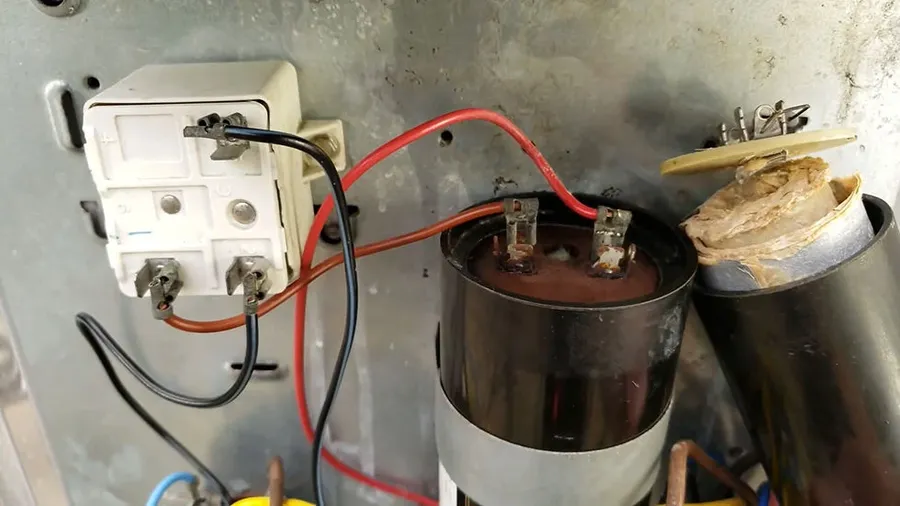
Damaged Start Capacitor
A failing start capacitor manifests through several telltale signs, primarily related to a motor's inability to initiate or maintain proper operation. These indicators range from operational issues to visible physical damage, underscoring the importance of timely identification to prevent more severe motor problems.
Motor Hums But Fails to Start When the start capacitor is unable to provide the necessary energy surge, the motor might emit a humming noise, signaling that it's receiving power but lacking the torque needed to begin rotation. This is a primary indication that the capacitor is not functioning correctly.
Slow or Labored Startup A compromised capacitor may only deliver a fraction of the required electrical charge, leading to a sluggish start. The motor might take longer than usual to reach its operational speed, or start with evident struggle.
Intermittent Starting Issues A failing capacitor might result in inconsistent motor operation. The motor may start sometimes but fail at others without any apparent pattern. This sporadic behavior highlights a capacitor losing its ability to consistently store and release energy.
Physical Damage: Bulging or Leaking Visual cues such as a bulging case or liquid leakage from the capacitor indicate physical failure. These signs are often associated with internal overheating or chemical breakdown of the capacitor components, confirming the need for immediate replacement. Leaking capacitors can also cause corrosion to surrounding components.
Testing a Start Capacitor: A Step-by-Step Guide
Testing a Capacitor with Multimeter
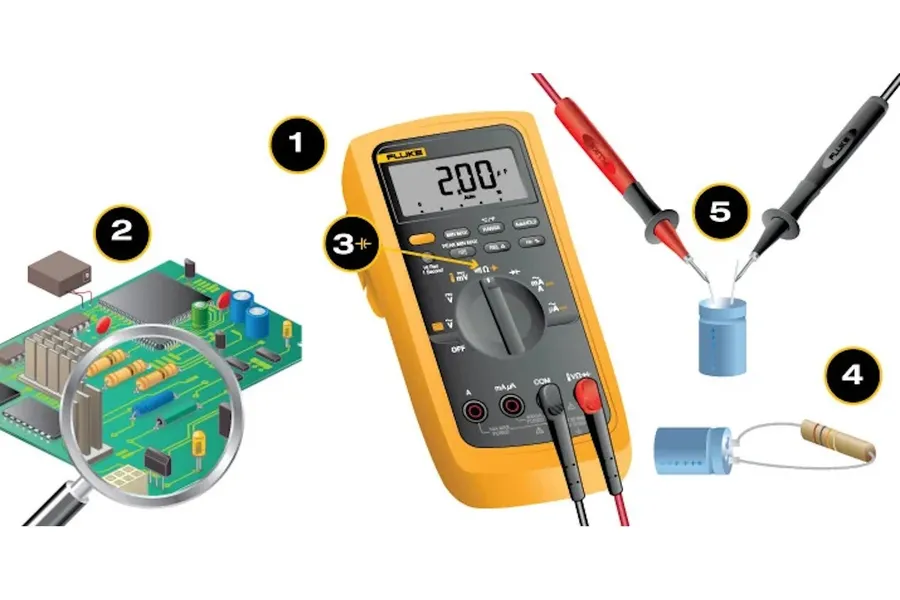
Testing a start capacitor is crucial for diagnosing motor issues and ensuring safe operation. This process involves safely discharging the capacitor and then measuring its capacitance using a multimeter to verify it falls within the manufacturer's specified range. Due to potential stored voltage, extreme caution is necessary during this process.
Safety First: Discharging the Capacitor Before any testing, the start capacitor must be completely discharged. Use a 20,000 ohm, 2-watt resistor with insulated alligator clips. Connect the resistor across the capacitor terminals for several seconds to dissipate any stored charge. Avoid using a screwdriver or other metal objects, as this can lead to arcing and potential injury. Always wear insulated gloves and eye protection.
Setting Up the Multimeter Set your digital multimeter to the capacitance measurement setting (often denoted by 'F' or 'µF'). Make sure the meter is set to a range that can measure the capacitor's rated capacitance. If unsure, start with the highest range and move down.
Connecting the Multimeter Connect the multimeter probes to the capacitor terminals. Ensure that the leads make good contact with the terminals for accurate measurements. Note that polarity is not a concern for start capacitors.
Reading the Measurement Once the multimeter is connected, observe the reading. The displayed capacitance value should be within the tolerance range specified on the capacitor label. A significant deviation from this value suggests that the capacitor may be faulty and require replacement.
Interpreting the Results If the measured capacitance is lower than the specified range, the capacitor has likely degraded and should be replaced. If the measurement is zero or erratic, the capacitor may be shorted or completely failed. A capacitance value within the specified tolerance indicates that the capacitor is likely functioning correctly, but a visual inspection for bulging or leaks is recommended.
This step-by-step process allows for an accurate assessment of a start capacitor's health and helps in making informed decisions about potential replacements. Remember, safety is paramount. If you are uncomfortable with electrical work, consult a qualified professional.
Replacing a Start Capacitor: Choosing the Right One
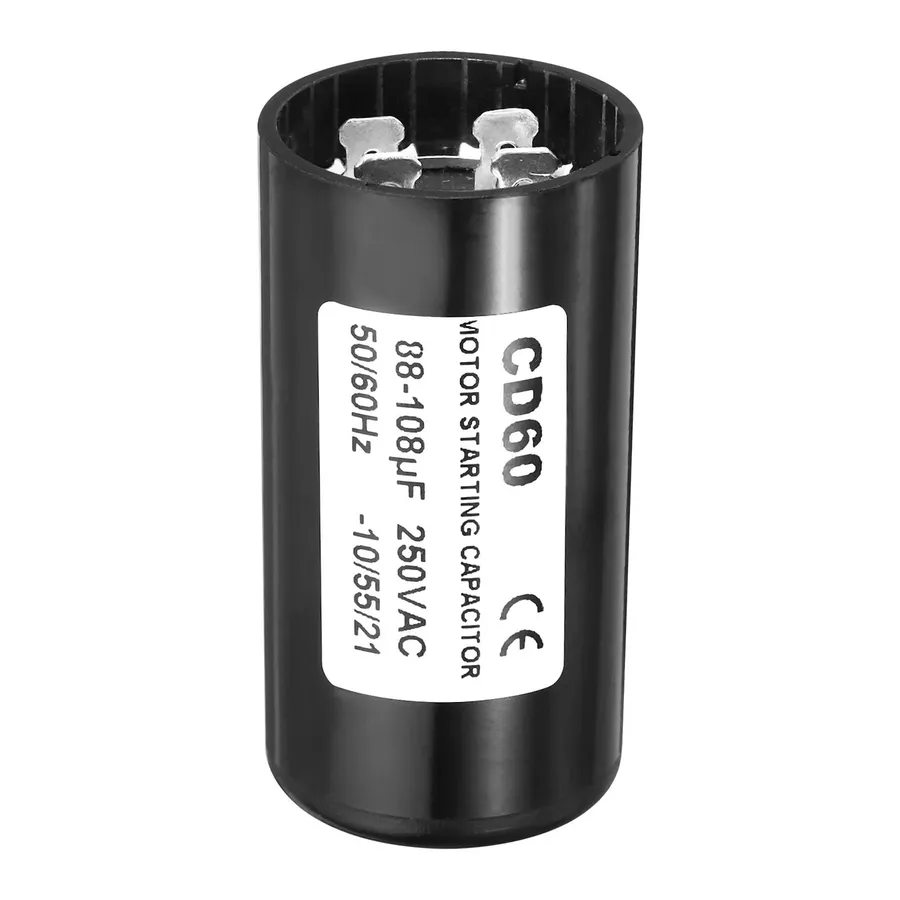
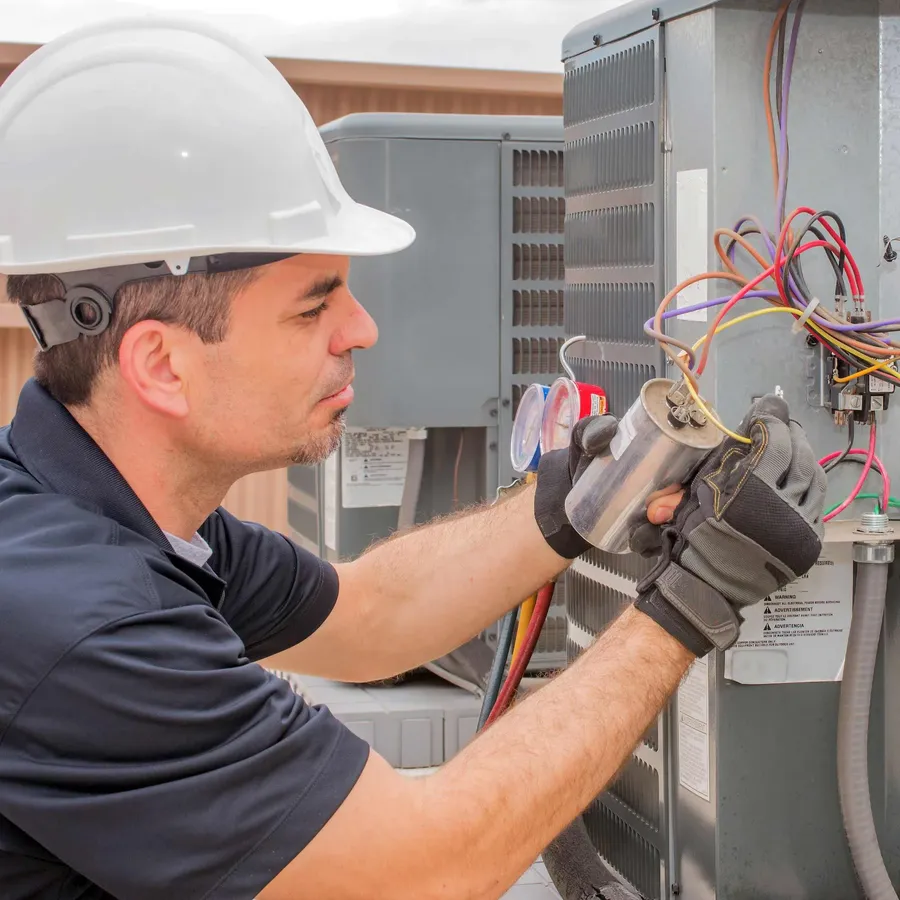
Replacing Start Capacitor
Selecting the appropriate start capacitor for replacement is critical to ensure the motor functions correctly and safely. This process involves carefully matching the capacitor's specifications to the motor's requirements, paying close attention to voltage, capacitance, and physical size.
Start capacitor selection requires a thorough understanding of the capacitor's label. The label typically contains critical information like capacitance (measured in microfarads, μF), voltage rating (in volts, V), operating temperature range, and sometimes the manufacturer's part number or a specific motor model compatibility. Always choose a replacement with ratings that meet or exceed the original capacitor's specifications. Never substitute a capacitor with a lower voltage rating as this can lead to failure and safety hazards.
Parameter
Description
Importance
Capacitance (μF)
The amount of charge the capacitor can store.
Must match the original capacitor for proper motor startup torque.
Voltage Rating (V)
The maximum voltage the capacitor can withstand.
Replacement should have an equal or higher voltage rating than the original.
Physical Dimensions
The size and shape of the capacitor.
Ensures the replacement fits physically into the motor housing and mounting brackets.
Start capacitors are widely available through various channels, including electrical component suppliers, motor repair shops, and online retailers specializing in industrial parts. It's recommended to purchase from reputable sources to ensure the quality and reliability of the replacement part. When selecting a vendor, it's beneficial to consider their product certifications, customer reviews, and return policies. Reputable suppliers often provide detailed datasheets for their products, allowing for easy comparison to your required specifications.
Start Capacitor Wiring Diagrams and Best Practices
Proper wiring of a start capacitor is crucial for ensuring the safe and efficient operation of a motor. Incorrect wiring can lead to capacitor failure, motor damage, or even electrical hazards. This section provides essential guidance, wiring diagrams, and best practices to help you install start capacitors correctly, avoiding common mistakes and ensuring optimal performance.
Here are key considerations when wiring a start capacitor:
Safety First Always disconnect power to the motor before working on any electrical components. Discharge the capacitor using a suitable resistor before handling to avoid electric shock. Use insulated tools for safety.
Polarity Start capacitors are generally non-polarized, which means they can be connected in either direction. This simplifies wiring. Run capacitors on the other hand are polarized, so care must be taken to wire them up correctly.
Wiring Diagram Follow the specific wiring diagram provided with your motor or capacitor. Typically, the start capacitor will be wired in series with the start winding and a centrifugal switch or relay. The centrifugal switch will disconnect the capacitor once the motor is up to speed.
Capacitor Placement Mount the capacitor securely in a location that protects it from physical damage, moisture, and excessive heat. Securely mounting the capacitor helps prevent vibrations from causing any damage to the wiring
Terminal Connections Make sure all terminal connections are clean and tight. Loose connections can cause overheating, arcing, or premature capacitor failure.
Wire Gauge Use the correct gauge of wire that is rated for the current it will carry. Undersized wires can cause voltage drops, overheating, and failure.
Common Mistakes to Avoid:
Incorrect Capacitor Value Using the wrong capacitance can prevent your motor from starting correctly, or lead to premature capacitor failure.
Ignoring Polarity While start capacitors are non-polarised, run capacitors are not and must be wired up correctly. Make sure you know the difference between the two when wiring your motor.
Loose Connections Loose terminal connections can cause overheating and arcing, which can damage the capacitor, motor and electrical system.
Overlooking Physical Condition Do not use a capacitor that shows any sign of damage, such as bulging or leaking. Physical damage can lead to failures.
Bypassing Safety Procedures Disregarding safety procedures is dangerous. Ensure all circuits are disconnected before wiring the capacitor and always use properly insulated tools.
By following these guidelines, you can ensure the safe and reliable operation of your motor. Always refer to your motor's specific documentation and if you are unsure about anything, consult a qualified electrician.
Frequently Asked Questions About Start Capacitors
This section addresses common inquiries about start capacitors, clarifying their function, potential failure modes, and distinctions from run capacitors. We also tackle the question of whether a motor can operate without a start capacitor.
What is the primary function of a start capacitor? A start capacitor's primary function is to provide a high-current surge to the motor's start winding. This surge creates a strong magnetic field, generating the necessary torque to initiate the rotor's rotation, especially under load. It is a temporary boost of power, not a component used during regular operation.
What are the typical signs that a start capacitor is failing? Common symptoms of a failing start capacitor include a motor that hums but does not start, starts slowly, starts intermittently, or fails to start under load. Additionally, physical signs such as a bulging or leaking capacitor can also indicate failure.
How does a start capacitor differ from a run capacitor? Start capacitors and run capacitors differ significantly in their design and function. Start capacitors are non-polarized, possess higher capacitance values, and are designed for short duty cycles, providing a large energy surge for motor startup. Run capacitors, on the other hand, are typically polarized, have lower capacitance, and are designed to continuously support motor operation by improving power factor and efficiency.
Can a motor operate without a start capacitor? Most single-phase AC induction motors that use a start capacitor cannot start on their own without it, or they will struggle to start under load, potentially leading to overheating and damage. The start capacitor provides the necessary torque to overcome the motor's inertia from rest. Some motors, typically smaller ones, may not require a start capacitor but they often use a shaded pole or permanent-split capacitor (PSC) design instead.
Is it safe to touch a start capacitor after it has been disconnected? No, it is not safe to touch a start capacitor immediately after it has been disconnected. Start capacitors store electrical energy and can retain a dangerous voltage charge even after the power has been removed. Therefore, it's crucial to safely discharge the capacitor using an appropriate resistor before handling or testing.
When replacing a start capacitor, do I need to match the exact voltage rating? Yes, when replacing a start capacitor, you must match or exceed the original voltage rating. Using a capacitor with a lower voltage rating is dangerous, as it can lead to premature failure, damage to the capacitor, or even a safety hazard. It's advisable to select a capacitor with the same or a slightly higher voltage rating to ensure compatibility.
Can a start capacitor be tested with a standard multimeter? Yes, a start capacitor can be tested using a multimeter with a capacitance measuring function. After safely discharging the capacitor, connect the multimeter leads to the capacitor terminals, and the multimeter should display a reading in microfarads. This value should be within the rated tolerance of the capacitor. A significant deviation indicates a problem with the capacitor.
The start capacitor, though a small component, is crucial for the reliable operation of many electric motors. By understanding its function, failure modes, and replacement procedures, you can ensure your motor gets the necessary initial push. This knowledge not only keeps your equipment running smoothly but also saves on potential costly repairs, underscoring the importance of comprehending this seemingly simple device.