
As the automotive industry pivots toward electrification and software-defined architectures, traditional thermal management methods are facing a critical upgrade. For decades, mechanical relays were the industry standard, but the future of passenger comfort lies in intelligent, energy-efficient, and solid-state control systems. In this article, we examine why the transition to Pulse Width Modulation (PWM) is not just an upgrade—it is a necessity for the modern intelligent vehicle.
The Limitations of Traditional Relay-Based Heating
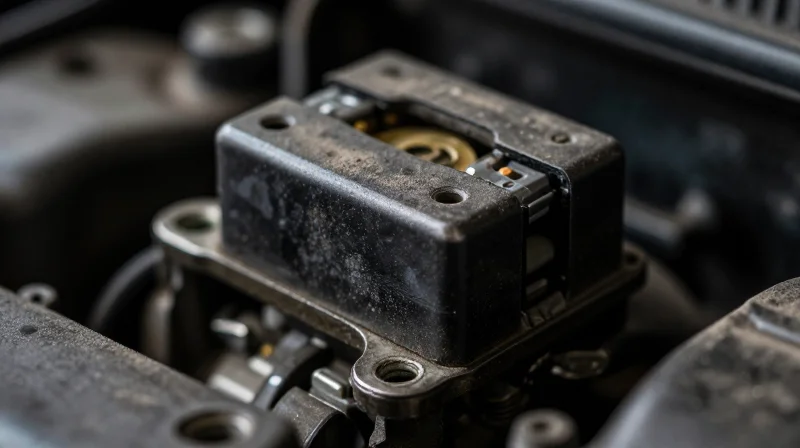
The Mechanical and Electrical Constraints of Legacy Relays
Relay-based seat heating systems operate on simple binary logic—essentially switching the current on and off to maintain heat. While historically robust, this approach fails to meet the demands of modern interior comfort and electrification standards. The primary weakness lies in the electromechanical nature of the relay; as a physical switch, it is subject to mechanical wear, contact pitting, and inevitable degradation over thousands of duty cycles. Furthermore, these systems lack the granular modulation necessary to provide a smooth, consistent thermal experience for occupants.
| Limitation | Technical Consequence | Impact on Comfort |
|---|---|---|
| Mechanical Switching | Contact arcing and wear | Reduced longevity and potential failure |
| On/Off Cycling | Hysteresis loops | Noticeable temperature fluctuations |
| Acoustic Signature | Relay clicking noise | Increased cabin NVH (Noise, Vibration, Harshness) |
Frequent Challenges with Relay-Based Control
- Why do relays produce noise during operation?
The physical movement of the armature against the contacts creates a distinct 'click' sound, which is increasingly unacceptable in the quiet environments of luxury and electric vehicles. - How does relay switching affect temperature stability?
Because relays only provide binary control, they rely on basic thermistor feedback, leading to 'temperature overshoot' or 'undershoot' as the heating element cycles between full power and off states. - Are there limitations to power efficiency?
Traditional relay circuits are less energy-efficient than Pulse Width Modulation (PWM) alternatives, often drawing more current than is strictly necessary to maintain a steady-state thermal comfort level.
The Mechanics of Pulse Width Modulation (PWM)

The Transition from Binary Control to PWM
Pulse Width Modulation is a technique that enables granular thermal control by rapidly toggling the power supply to the heating elements. Rather than keeping a circuit closed until a threshold is reached—a process that leads to significant thermal oscillation—PWM cycles the power at a high frequency. By adjusting the 'duty cycle'—the ratio of time the circuit is 'on' versus 'off' within a single period—the control unit dictates the average power delivered to the seat, resulting in a smooth, stable, and highly responsive heating curve.
Operational Efficiency and Thermal Precision
| Feature | Relay-Based Control | PWM-Based Control |
|---|---|---|
| Switching Frequency | Low (Mechanical limitation) | High (Electronic/Solid-State) |
| Temperature Control | Binary (On/Off) | Variable (Continuous) |
| Wear and Tear | High (Mechanical fatigue) | Low (Solid-state reliability) |
| Power Efficiency | Inefficient | High (Optimized load management) |
Key Mechanics of PWM Implementation
- How does the duty cycle influence heating?
A 10% duty cycle provides minimal heat by keeping the circuit closed only 10% of the time, while a 90% duty cycle delivers near-constant maximum power for rapid cabin warm-up. - Why is switching frequency important?
Modern automotive systems utilize high-frequency switching (typically above 20 kHz) to prevent audible noise in electronic components and ensure the human occupant perceives only a steady temperature without pulsing sensations. - How does PWM improve component longevity?
Because PWM uses semiconductor switching rather than electromechanical contacts, it eliminates arcing and mechanical wear, significantly extending the lifespan of the seat heating module.
Energy Efficiency in the Age of Electrification
Energy Efficiency in the Age of Electrification
In the transition to battery-electric vehicles (BEVs), every watt drawn from the high-voltage battery impacts total driving range. Seat heating, traditionally an energy-intensive auxiliary system, is being re-engineered to move away from brute-force resistance heating toward high-efficiency, precision-controlled thermal management. By shifting from constant high-power draws to sophisticated, sensor-driven modulation, manufacturers can significantly reduce the auxiliary energy burden on the vehicle’s powertrain.
Thermal Management Strategies
| Strategy | Mechanism | Energy Impact |
|---|---|---|
| Binary Heating | Constant full power draw | High (Significant range loss) |
| PWM Control | Variable pulse modulation | Medium (Reduces average power) |
| Occupancy-Based Sensing | Targeted zone activation | Low (Optimizes heat output) |
Modern seat heating architectures now integrate with the vehicle’s Body Control Module (BCM) to prioritize zones. Rather than heating the entire seat surface, intelligent systems utilize occupancy sensors to direct thermal energy only to occupied areas, effectively halving the energy required for passenger comfort during solo commutes.
FAQs: Energy-Efficient Thermal Control
- How does intelligent seat heating preserve battery range?
By utilizing PWM and occupancy detection, the system prevents excessive heat waste, drawing power only when and where thermal comfort is strictly required. - Can seat heaters be integrated into the vehicle's thermal strategy?
Yes, current trends favor integrated systems that share thermal data with the HVAC system to balance cabin temperature versus localized seat warmth for optimal efficiency.
Solid-State Reliability and Longevity
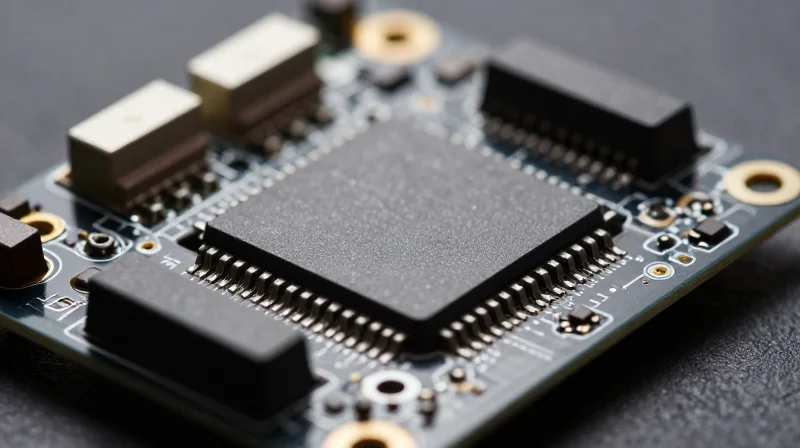
The Shift from Electromechanical to Solid-State Reliability
The integration of Metal-Oxide-Semiconductor Field-Effect Transistors (MOSFETs) marks a paradigm shift in seat heating architecture. Unlike electromechanical relays that rely on moving metal contacts subject to arc erosion, oxidation, and mechanical fatigue, solid-state devices conduct current through semiconductor materials. This eliminates physical wear, effectively decoupling the device's lifespan from the frequency of operation, which is critical in high-duty-cycle environments like Pulse Width Modulation (PWM) applications.
Comparative Reliability Metrics
| Failure Factor | Mechanical Relay | Solid-State MOSFET |
|---|---|---|
| Switching Mechanism | Physical Contact | Semiconductor Electron Flow |
| Wear Profile | High (Mechanical Fatigue) | Negligible (Thermal Aging Only) |
| MTBF Rating | 10^5 to 10^6 Cycles | 10^8 to 10^10+ Cycles |
| Response Sensitivity | Fixed/Binary | Variable/Infinite |
Longevity Factors and Thermal Management
While MOSFETs eliminate mechanical wear, their longevity is fundamentally tied to thermal management. Because these devices generate heat during high-current switching, their long-term reliability depends on effective thermal dissipation through PCB design and copper plating. When thermal loads are managed properly, the MTBF of a solid-state system can exceed the entire operational lifespan of the vehicle, reducing warranty claims and maintenance costs.
Frequently Asked Questions
- Why do relays fail sooner than solid-state switches?
Relays suffer from contact pitting caused by electrical arcing during opening and closing, alongside spring fatigue, which leads to mechanical seizing over thousands of cycles. - How does MOSFET technology enable better PWM control?
MOSFETs switch at very high frequencies without noise or wear, allowing the seat control module to perform fine-grained power modulation that would weld relay contacts shut instantly. - Is the MTBF of a MOSFET truly unlimited?
Not strictly unlimited; however, because there are no moving parts, failure is generally restricted to eventual degradation of the semiconductor lattice due to extreme thermal cycling, which is significantly more robust than mechanical counterparts.
Integration with Modern Zonal Architectures

Decentralization via Zonal Control
Traditional automotive architectures relied on centralized domain controllers that required extensive wiring looms to reach every seat module. Modern zonal architectures reorganize these functions by placing intelligence closer to the point of load. By utilizing zonal control modules (ZCMs), vehicle manufacturers can localise thermal management, significantly reducing the mass and complexity of the wiring harness.
Architectural Comparison
| Feature | Domain Architecture | Zonal Architecture |
|---|---|---|
| Wiring Complexity | High (Point-to-point) | Low (Ring/Bus topology) |
| Control Logic | Centralized | Distributed/Edge |
| Scalability | Rigid | Highly Flexible |
| Failure Impact | System-wide risk | Isolated to Zone |
Intelligent Integration and Software-Defined Comfort
In a zonal environment, seat heating elements interface directly with the local ZCM over high-speed automotive Ethernet or CAN-FD networks. This shift allows for the implementation of software-defined thermal profiles. Because the zonal controller handles the low-level PWM modulation, the central vehicle computer only needs to broadcast intent—such as 'pre-condition cabin' or 'driver comfort profile active'—reducing communication latency and bus load.
Frequently Asked Questions
- How does zonal architecture improve BEV range?
By minimizing wiring harness length, the vehicle weight is reduced. Furthermore, distributed control allows for more localized, precision-based heating that consumes power only when and where required, rather than heating the entire cabin. - Does zonal integration increase latency in seat heating response?
No; in fact, the move to zonal edge processing often reduces latency as the control loop is closed locally at the seat module rather than waiting for a request to travel to and from a distant central gateway. - Is security a concern with distributed zonal control?
Security is addressed through hardware security modules (HSM) embedded in the zonal controllers, ensuring that communication between the central domain computer and the seat heater is authenticated and encrypted.
Improving Passenger Experience: Beyond Simple Heat
The Shift Toward Predictive and Personalized Comfort
The next generation of thermal comfort moves away from manual user intervention toward predictive, autonomous regulation. By integrating interior temperature sensors, cabin humidity metrics, and occupant biometric data, systems can now proactively adjust heating levels before a passenger feels discomfort. This transition represents a shift from reactive 'on/off' systems to 'comfort-profile' architectures, where the vehicle understands the thermal inertia of the cabin and the specific preferences of individual occupants.
Rapid Heating and Multi-Zone Dynamics
To improve perceived quality, manufacturers are deploying rapid-response heating technologies that bypass the traditional warm-up lag. These systems utilize higher current bursts in localized zones, such as the lumbar and backrest, to achieve a 'thermal strike' effect during cold starts, subsequently stabilizing at lower power to maintain comfort. This prevents the 'overheating spike' common in legacy systems, providing a seamless tactile experience.
| Feature | Legacy Systems | Future Generation |
|---|---|---|
| Control Logic | Binary On/Off | Predictive AI Algorithms |
| Thermal Response | Delayed/Passive | Rapid-Response/Dynamic |
| Customization | Global Settings | Personalized Biometric Profiles |
| Energy Strategy | Fixed Load | Adaptive Load Balancing |
Frequently Asked Questions
- How does predictive heating affect battery range in EVs?
By targeting heat only where the occupant needs it and minimizing unnecessary cycling, predictive systems reduce total auxiliary power consumption by up to 15% compared to constant high-draw heating. - Can individual passengers set different comfort profiles?
Yes, modern zonal architectures allow for distinct heating intensity and distribution patterns for each seat, often tied to a user's cloud-stored profile synced via the vehicle's infotainment system. - Does rapid heating accelerate seat material wear?
Advanced control modules incorporate real-time temperature feedback loops to ensure heating elements do not exceed safety or material degradation thresholds, maintaining both comfort and component longevity.
Addressing Challenges in System Implementation
Mitigating Electromagnetic Interference in Seat Control Modules
The rapid switching frequencies of Pulse Width Modulation (PWM) required for precise temperature control often create significant Electromagnetic Interference (EMI). As vehicles incorporate increasingly sensitive ADAS and infotainment sensors, seat heating controllers must be engineered to prevent radiated and conducted emissions from compromising vehicle-wide electronic harmony.
Thermal Management of Power Electronics
As seat heating systems shift toward localized heating elements and higher power densities, the thermal load on control electronics increases. Efficient heat dissipation is critical to prevent device degradation and ensure consistent performance across the vehicle's lifespan.
| Challenge | Technical Mitigation Strategy | Performance Impact |
|---|---|---|
| EMI Radiated Emissions | Advanced PCB Layout & Shielding | Improved Signal Integrity |
| Component Thermal Stress | Active Thermal Derating Algorithms | Extended Operational MTBF |
| Conducted Noise | Ferrite Beads & Filtering Caps | Reduced Bus Ripple |
Frequently Asked Questions
- How do modern controllers handle thermal runaway?
Modern controllers utilize active thermal sensors coupled with PID-based software limiters that throttle power output before junction temperatures exceed safe thresholds. - Does PWM frequency affect EMI compliance?
Yes; higher frequency switching improves comfort control resolution but increases high-frequency noise, requiring sophisticated spread-spectrum clocking to maintain electromagnetic compatibility. - Why is zonal architecture preferred for thermal control?
Zonal architecture reduces the length of high-current wiring runs, thereby decreasing the antenna effect that contributes to radiated EMI and reducing overall harness weight.
The Future: AI-Driven Comfort Management
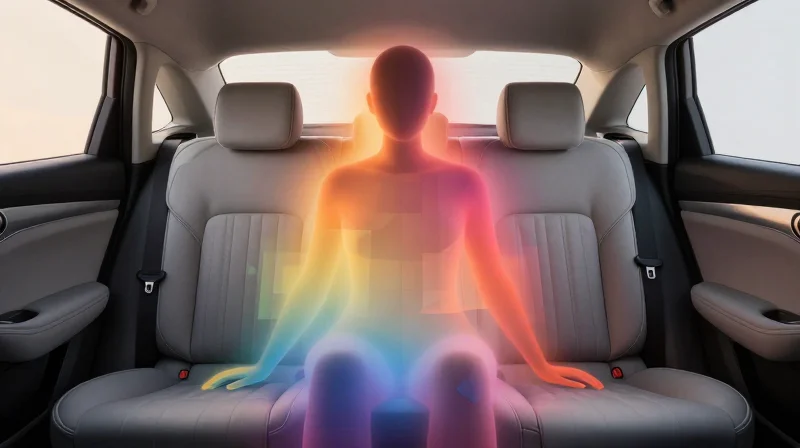
The Shift Toward Proactive Thermal Intelligence
Future seat heating control technologies are moving away from reactive user-input systems toward proactive, AI-driven environments. By leveraging machine learning models, vehicles will soon anticipate occupant needs before discomfort occurs. This involves processing physiological data from interior sensors alongside external meteorological conditions to adjust seat temperatures dynamically.
AI and Sensor Fusion Implementation
Advanced thermal management will rely on a fusion of biometric sensors, infrared cameras, and cabin air quality monitors. AI algorithms analyze this data stream to detect subtle variations in passenger thermoregulation, allowing the HVAC and seat heating systems to work in unison for optimal comfort without constant manual adjustment.
| Feature | Legacy Systems | AI-Driven Systems |
|---|---|---|
| Activation | Manual Button Press | Predictive/Automatic |
| Feedback Loop | Open Loop (Fixed Heat) | Closed Loop (Bio-sensing) |
| Efficiency | Energy Intensive | Optimized Per Occupant |
Frequently Asked Questions
- How does AI differentiate between occupants?
Advanced cabin monitoring systems use seat occupancy sensors and occupant identification via key fob or profile recognition to apply unique thermal comfort settings for each individual. - Will AI-driven heating save battery life in EVs?
Yes. By focusing thermal energy precisely on the occupant rather than heating the entire cabin volume, these systems drastically reduce the auxiliary power load on the high-voltage battery. - Does this technology raise privacy concerns?
Data processing is increasingly moving to the 'Edge' within the vehicle's domain controller, ensuring biometric data remains local rather than being uploaded to the cloud.
The transition to solid-state, PWM-controlled seat heating represents a paradigm shift toward more responsive, efficient, and reliable vehicle interiors. By moving away from legacy relay systems, manufacturers can optimize energy consumption while delivering the personalized comfort that modern consumers demand. Contact our engineering team today to learn how our latest control solutions can integrate into your next-generation vehicle architecture.
