Capacitors, fundamental components in electronics, store energy by accumulating electrical charge, much like how a water tower stores water. The voltage rating of a capacitor, analogous to the tower's structural limit, is crucial for proper operation. Understanding capacitor voltage is not just a theoretical exercise; it's about safeguarding your circuits and ensuring they function as intended. This article explores the importance of capacitor voltage, how to choose the right rating, and the consequences of using the wrong capacitor, bridging the gap between theoretical concepts and practical application.
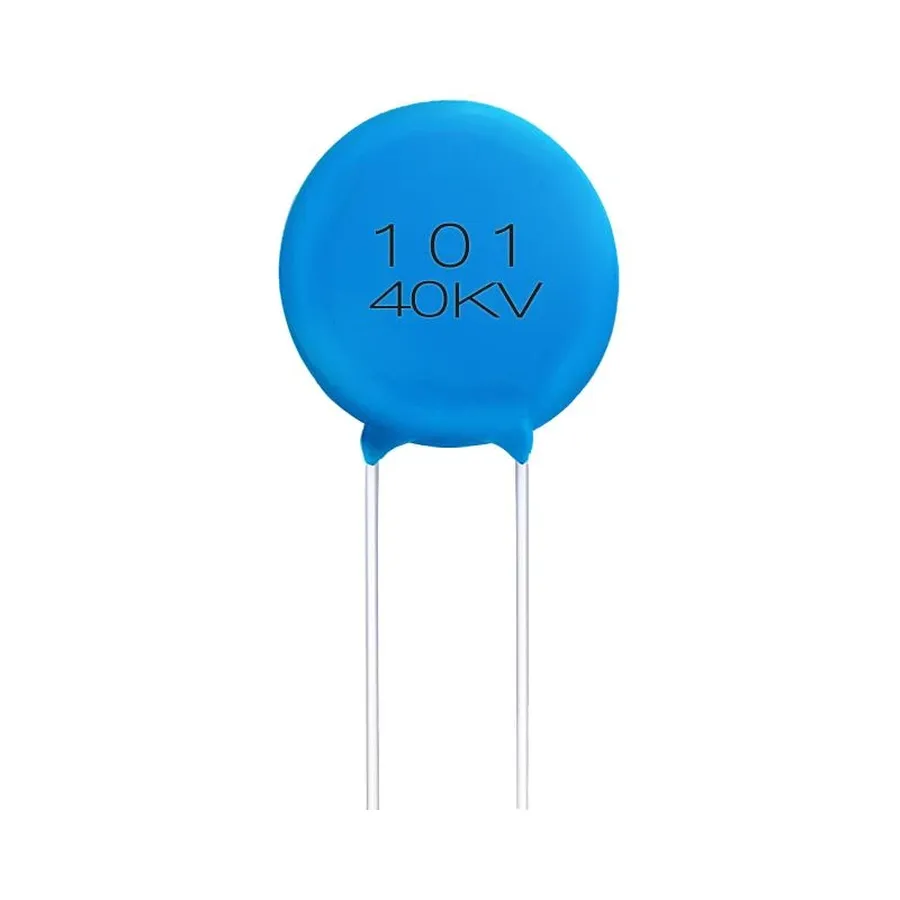
Capacitor voltage, fundamentally, defines the maximum electrical potential a capacitor can endure without risking damage or functional failure. It's crucial to understand that this rating is not the typical operating voltage, but instead represents a critical safety threshold. Surpassing this limit can lead to degraded performance, component failure, or even hazardous conditions.
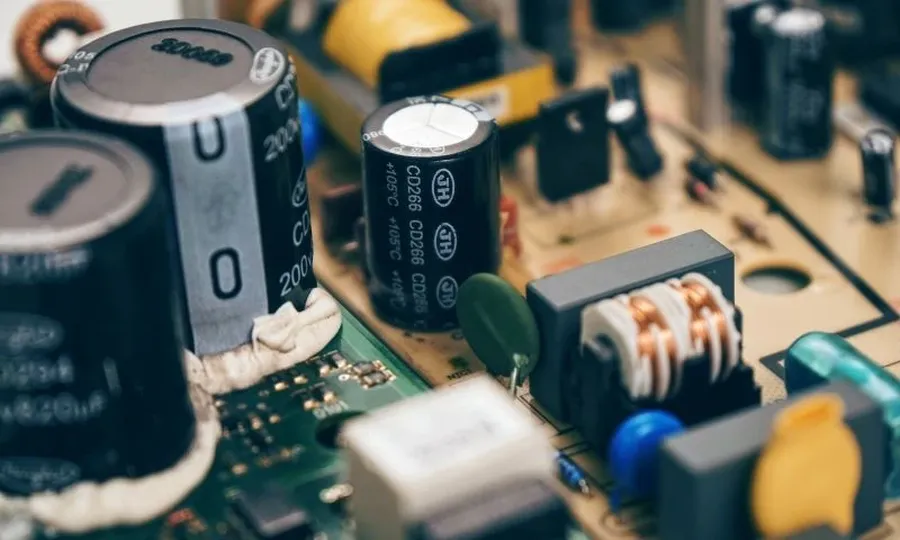
The voltage rating of a capacitor is paramount for ensuring its safe and reliable operation within an electrical circuit. This rating specifies the maximum voltage that a capacitor can withstand without suffering damage or failure. Operating a capacitor beyond its specified voltage limit can lead to catastrophic consequences, including dielectric breakdown and component failure, as well as present safety hazards.
Using a capacitor that is not properly rated can result in a cascade of issues, some of which can be very dangerous.
Therefore, careful selection of a capacitor with an adequate voltage rating that meets or exceeds the operational needs of the circuit and ensures component longevity and safety is critical for the design of any electrical system.
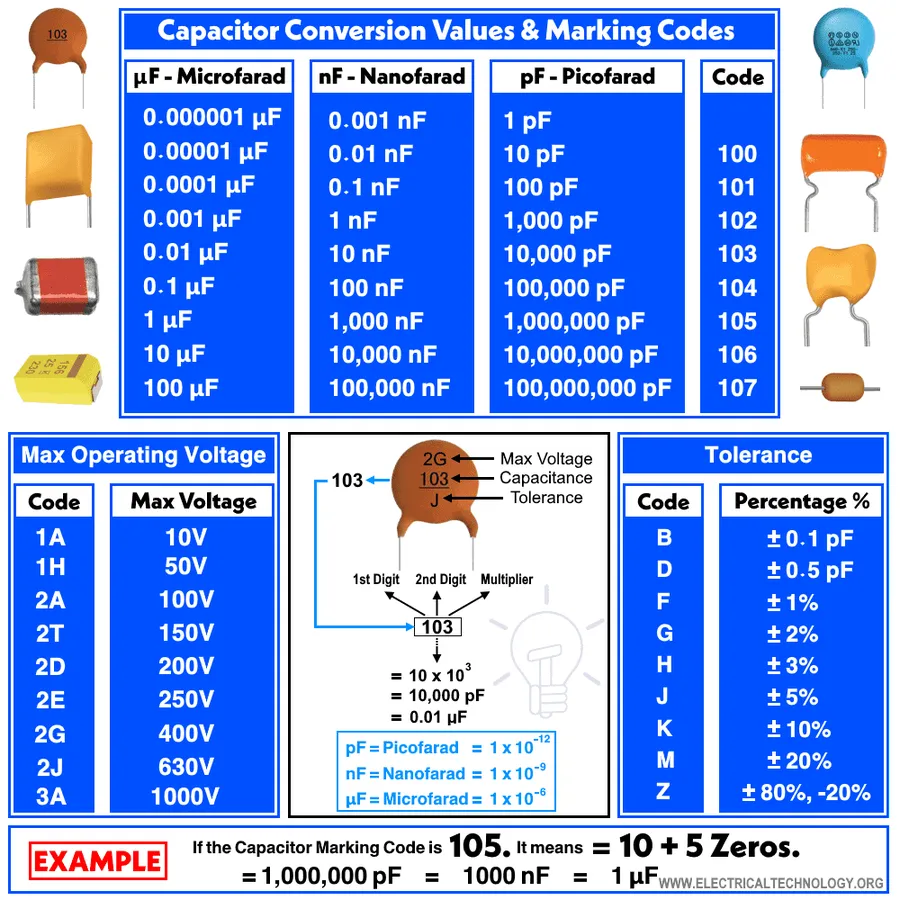
Selecting the appropriate capacitor voltage rating is paramount to ensure reliable and safe operation of electronic circuits. This rating, often specified by manufacturers, represents the maximum DC voltage a capacitor can withstand without risk of failure. A crucial aspect of circuit design is ensuring this voltage is never exceeded during operation, preventing damage, performance degradation, or even hazardous situations.
A practical approach to capacitor selection involves incorporating a safety margin. As a general guideline, it's advisable to choose a capacitor with a voltage rating at least twice the expected working voltage of the circuit. This approach effectively mitigates risks from voltage spikes, unexpected fluctuations, and transient events. For example, a 25V capacitor would be suitable for a circuit with a nominal 12V operating voltage. This "over-engineering" practice ensures that the component operates within its safe operating area, significantly prolonging the component's lifespan.
| Parameter | Description | Importance |
|---|---|---|
| Working Voltage | The nominal voltage at which the circuit operates. | The baseline voltage that the system will be subjected to. |
| Rated Voltage | The maximum voltage a capacitor can safely withstand, defined by the manufacturer. | This parameter establishes the safety threshold of the component. |
| Safety Factor | The ratio of rated voltage to working voltage. | Ensuring sufficient margin above the working voltage to allow for any circuit anomalies and unexpected changes. |
| Voltage Spikes | Transient overvoltages that can exceed the normal working voltage. | A higher voltage rating guards against short-term voltage excesses, preventing breakdown. |
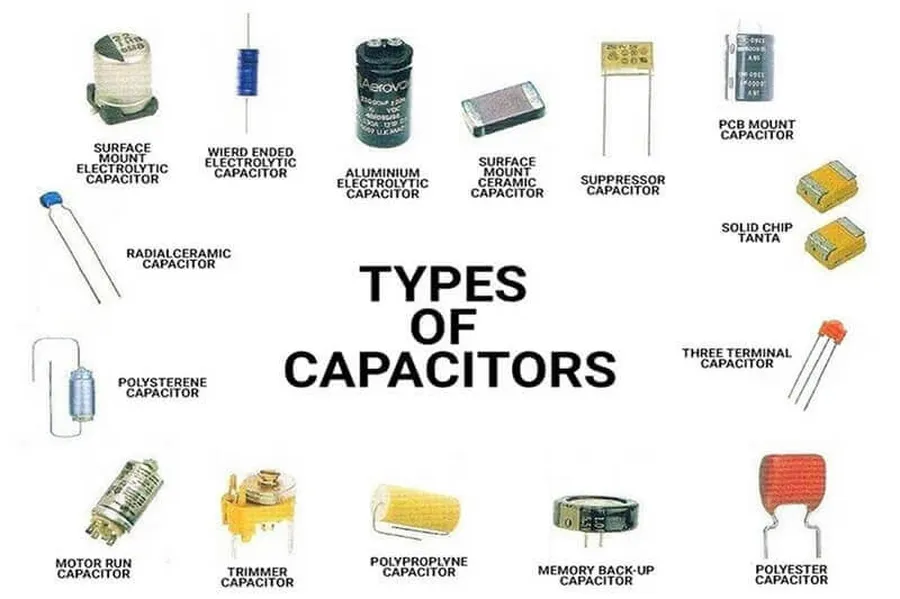
Capacitor voltage capabilities are significantly influenced by their construction and materials. Different capacitor types, such as ceramic, electrolytic, and tantalum, exhibit varying voltage handling limits, ranging from a few volts to thousands of volts. It is imperative to consult the manufacturer's datasheet for each capacitor to determine its specific voltage rating and ensure safe operation within the designed circuit parameters.
| Capacitor Type | Voltage Range | Characteristics |
|---|---|---|
| Ceramic | Few volts to several kilovolts | Small size, low cost, non-polarized, wide range of applications |
| Electrolytic (Aluminum) | Few volts to several hundred volts | High capacitance, polarized, relatively large size, used for power supply filtering and decoupling |
| Tantalum | Few volts to several hundred volts | High capacitance, polarized, stable with temperature, smaller than aluminum electrolytic but more expensive |
| Film | Few volts to several kilovolts | High precision, stable with temperature, non-polarized, used in audio and high-frequency circuits |
| Supercapacitors (Ultracapacitors) | Few volts | Extremely high capacitance, used for energy storage |
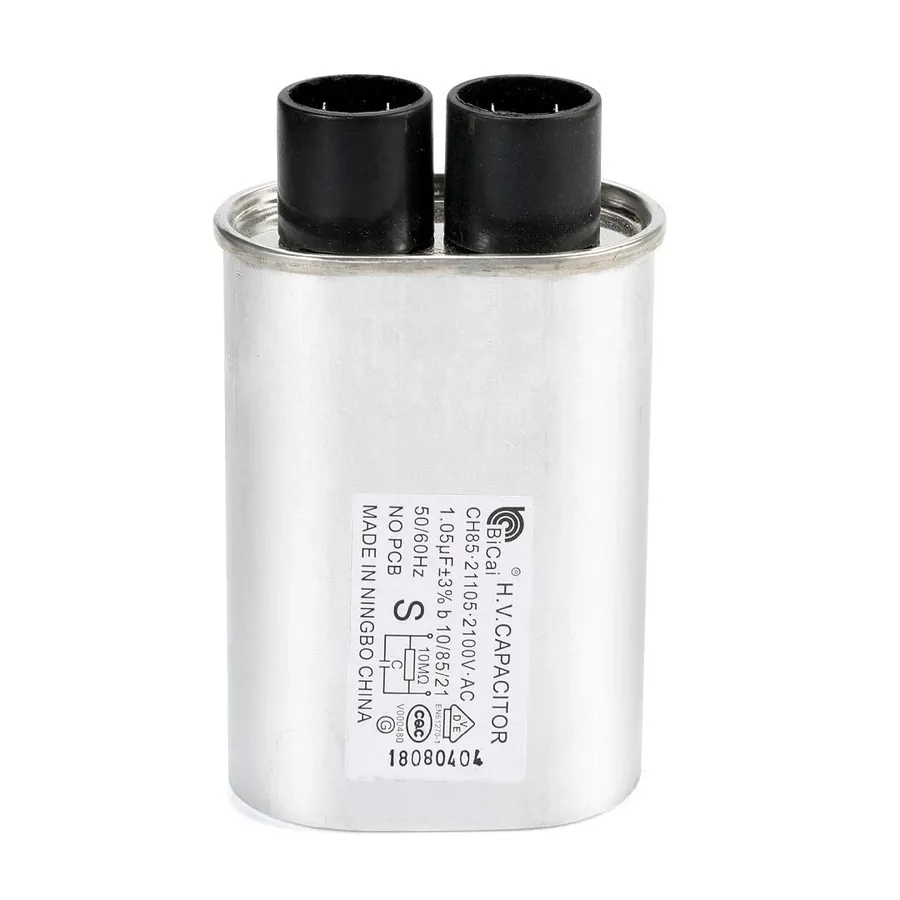
Employing a capacitor with a higher voltage rating than the minimum required for a circuit is not only permissible but also often a prudent engineering practice. This approach enhances the safety and longevity of the system without altering the intended circuit functionality. Think of it as providing an additional safety margin, akin to having a larger buffer in a system.
A capacitor's voltage rating signifies the maximum potential difference it can safely endure without experiencing dielectric breakdown, which can lead to failure. Using a capacitor with a rating exceeding the circuit's working voltage provides a safeguard against unforeseen voltage spikes or fluctuations that may occur during operation. This is particularly beneficial in applications where the exact voltage is not constant or where transient events may occur.
It's crucial to note that while using a higher voltage rating is generally safe, it does not impact the capacitor’s primary function of storing electrical charge. The capacitance (measured in Farads) and other performance parameters of the capacitor are independent of its voltage rating, so the choice of voltage rating can often be made on safety and cost considerations.
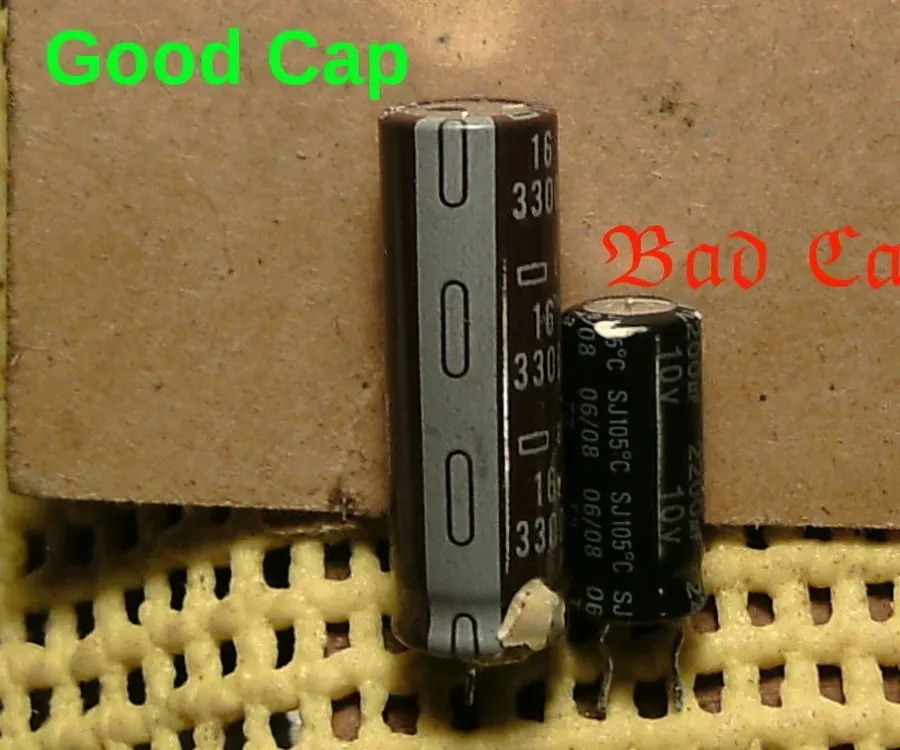
Using a capacitor with a voltage rating lower than what a circuit requires is extremely dangerous and should be strictly avoided. This practice can lead to immediate and catastrophic component failure, including overheating, dielectric breakdown, and potentially explosive situations. The capacitor's voltage rating indicates the maximum voltage it can safely withstand; exceeding this limit compromises its integrity and risks serious hazards.
A capacitor's dielectric material is designed to withstand a specific electric field strength. When the applied voltage exceeds the capacitor's rated voltage, this electric field can cause the dielectric material to break down, resulting in a short circuit and the rapid release of energy, often in the form of heat. This can lead to component damage, fire, and potential injury. Therefore, it is crucial to ensure that the selected capacitor's voltage rating exceeds the maximum voltage expected in the circuit.
The fundamental relationship governing capacitor voltage is expressed by the formula V = Q/C, where 'V' represents the voltage across the capacitor, 'Q' denotes the electric charge stored on its plates, and 'C' signifies the capacitance. This equation underscores the direct proportionality between voltage and charge, and the inverse proportionality between voltage and capacitance.
| Symbol | Quantity | Unit |
|---|---|---|
| V | Voltage | Volts (V) |
| Q | Charge | Coulombs (C) |
| C | Capacitance | Farads (F) |
This formula allows for the calculation of capacitor voltage given known values of charge and capacitance, conversely, it can be rearranged to solve for charge or capacitance if the other two parameters are known.
This section addresses common questions regarding capacitor voltage, providing practical insights and clarifying crucial aspects for both beginners and experienced users.
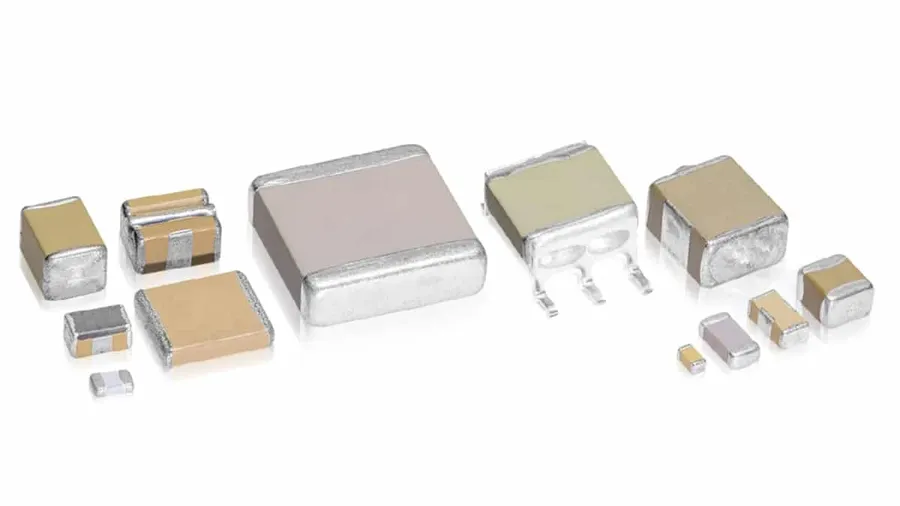
Selecting the right capacitor involves careful consideration of several factors beyond just the voltage rating. Prioritizing safety and reliability ensures the longevity and proper functioning of your circuits. This section provides practical guidelines for capacitor selection to help engineers and hobbyists make informed decisions.
Understanding capacitor voltage is critical for electronics design and troubleshooting. Choosing the right capacitor involves not just matching the required voltage, but ensuring a safety margin for reliable performance. Using the correct capacitor voltage protects your device from damage and potentially dangerous situations. Always prioritize safety when choosing components for your circuits. A capacitor's voltage rating is not just a number; it's a limit that must be respected to prevent catastrophic failure. Remember, a properly chosen capacitor with an adequate voltage rating is essential to make sure your circuits have safety, longevity and reliable functionality.

