In our electrically powered world, fuse electronics play a critical, yet often unseen role, safeguarding our devices and homes. From the simplest light bulb to complex machinery, a fuse is a silent guardian against overcurrent, preventing damage, and even fire. This article will shed light on the science, types, and importance of fuse electronics.
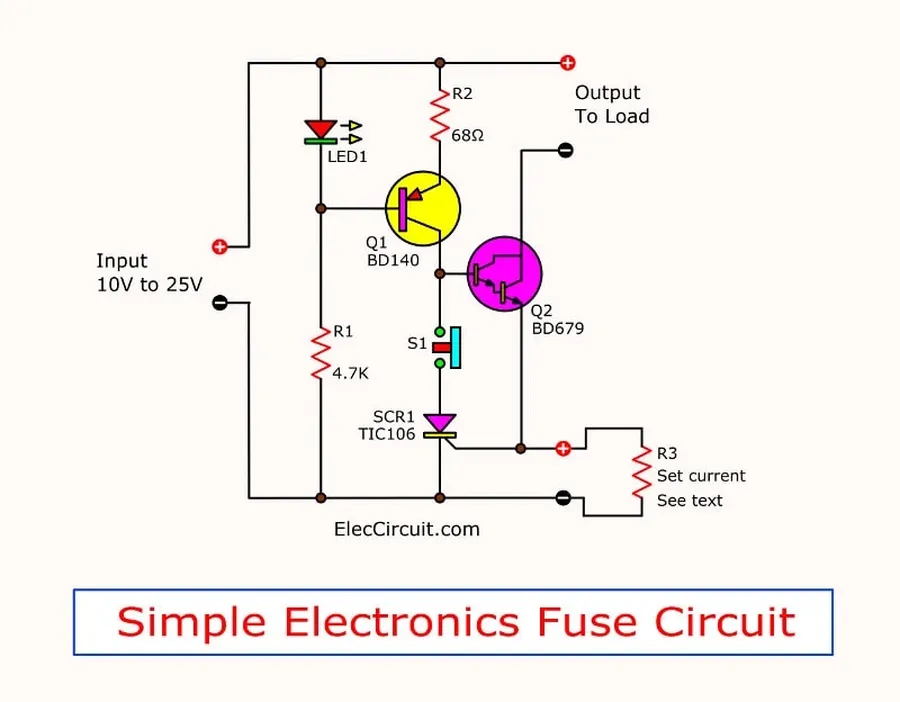
Fuse electronics are fundamental safety devices in electrical circuits, acting as sacrificial components designed to protect against overcurrent conditions. They are essentially a weak link intentionally placed in a circuit, designed to fail and interrupt the flow of electricity when the current exceeds a specified level, thereby preventing damage to more expensive and critical downstream components. This protective action is a cornerstone of electrical safety and circuit integrity.
At their core, fuses are comprised of a conductive element (typically a wire or a strip of metal) with a low melting point, encapsulated within a non-conductive housing. When an excessive current flows through this element, the resultant heat melts the element, creating an open circuit and halting the current flow. The speed at which a fuse breaks the circuit can vary significantly depending on design characteristics to suit specific application needs. The selection and correct application of fuse electronics are critical in preventing electrical fires, equipment damage, and potential harm to personnel.
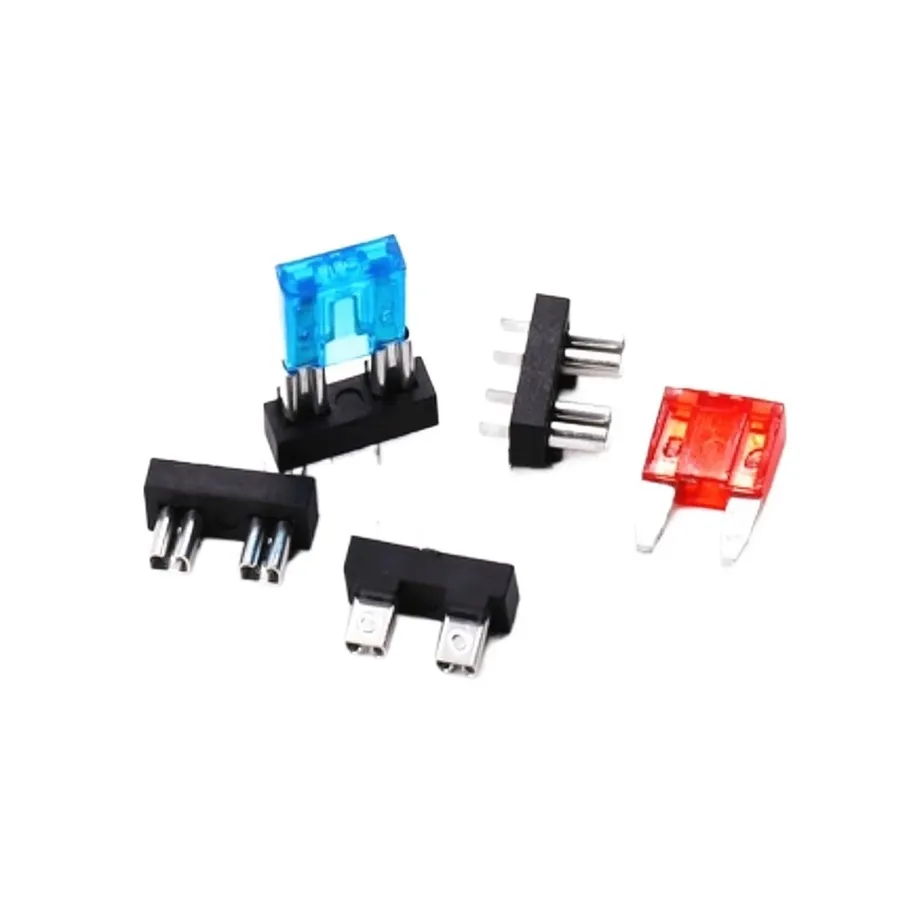
Fuses operate on a simple yet crucial principle: the controlled melting of a conductive element, known as the fuse wire, to interrupt an electrical circuit when an overcurrent condition arises. This fundamental mechanism is the cornerstone of circuit protection, preventing damage to sensitive electronic components and potentially hazardous situations.
At the heart of a fuse lies the fuse wire, a metallic conductor specifically designed with a low melting point. This wire is typically composed of materials like tin, copper, or alloys with carefully selected electrical and thermal properties. The wire’s low resistance allows it to conduct normal operating currents without significant heating. However, when the current exceeds the fuse's rated capacity, the wire’s resistance causes it to heat rapidly due to the increased energy dissipation (Joule heating). This rapid increase in temperature leads to the wire melting and breaking the conductive path, thereby interrupting the flow of electricity and protecting the circuit it safeguards. This process occurs in a fraction of a second, limiting the potential for damage to the circuit. This process is fundamentally governed by Joule's first law: Q = I²Rt, where Q is the heat generated, I is the current, R is the resistance of the fuse wire, and t is time. The fuse is selected to melt before components in the protected circuit are damaged.
| Parameter | Description |
|---|---|
| Fuse Wire | A low-resistance metallic conductor designed to melt when overcurrent occurs. |
| Low Resistance | Allows normal current flow with minimal heating; however, leads to rapid heating with overcurrent. |
| Melting Point | A specific temperature point where the fuse wire melts to interrupt the circuit. |
| Joule Heating | The phenomenon of heat generation in the fuse wire due to the passage of electric current, governed by the equation Q=I²Rt. |
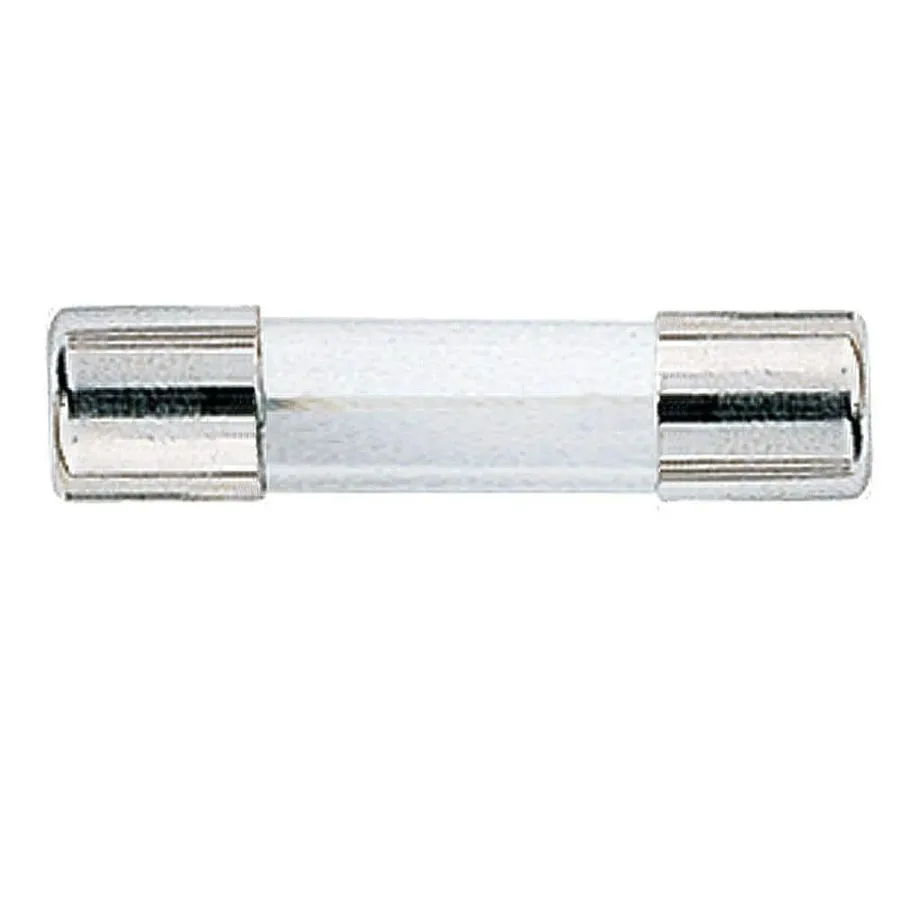
Fuses are not a one-size-fits-all component; various types exist, each designed to protect circuits under specific conditions. This section provides a detailed overview of these fuse types, focusing on their operational characteristics and typical applications. Understanding these distinctions is crucial for selecting the appropriate fuse for effective circuit protection.
| Fuse Type | Operating Characteristic | Application Examples |
|---|---|---|
| Fast-Acting Fuses | React quickly to overcurrents, providing rapid protection. | Sensitive electronic circuits, semiconductor protection, measurement instruments |
| Slow-Blow (Time-Delay) Fuses | Tolerate brief surges or inrush currents before blowing, preventing nuisance tripping. | Motor circuits, power supplies, inductive loads |
| Ceramic Fuses | Resistant to high temperatures, ideal for higher power applications. | High-power equipment, industrial machinery |
| Glass Fuses | Allow visual inspection of the fuse element, generally for lower power applications. | Consumer electronics, small appliances |
| Automotive Fuses | Designed for the specific conditions of automotive systems, various form factors. | Automobiles, motorcycles, other vehicles |
| Surface Mount Fuses (SMD) | Designed for surface mounting on PCBs, saving space and simplifying assembly. | Portable electronics, compact devices, mobile phones |
| Resettable Fuses (PTC) | Resets automatically after the fault is removed. | Battery protection, computer peripherals, consumer electronics |
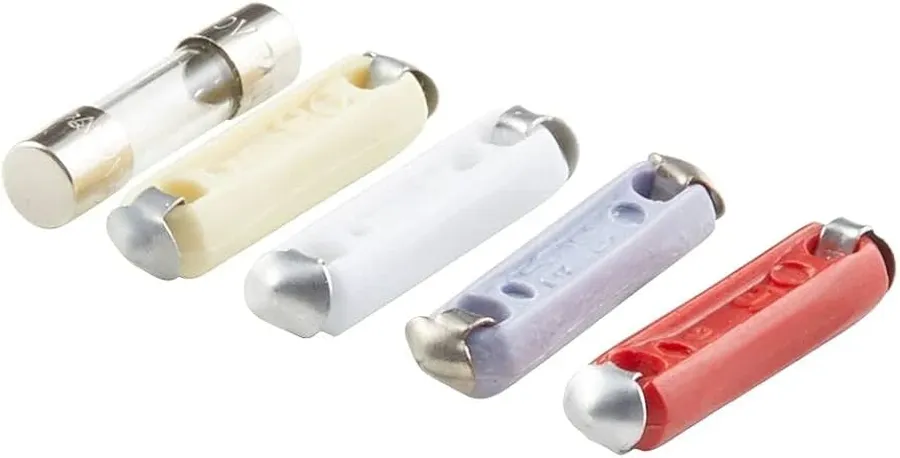
Selecting the correct fuse involves understanding its critical specifications: voltage rating, current rating, and physical size. These parameters ensure the fuse operates safely within a circuit, providing overcurrent protection without becoming a hazard itself. Incorrect specification can lead to either nuisance tripping (opening the circuit unnecessarily) or, more dangerously, failure to protect the circuit during an overcurrent event.
| Specification | Description | Importance |
|---|---|---|
| Voltage Rating | The maximum voltage a fuse can handle without failing or arcing. | Must be equal to or greater than the circuit's voltage to prevent insulation breakdown. |
| Current Rating | The maximum current the fuse can carry continuously without melting. | Determines when the fuse will blow, protecting circuit from overcurrent. |
| Physical Size | The physical dimensions of the fuse, including length and diameter. | Must match the fuse holder or socket in the circuit. |
| Breaking Capacity | The maximum current the fuse can safely interrupt. | Must be higher than the potential fault current in the circuit to prevent fire. |
Fuse holders and sockets are essential components in any circuit using fuses, ensuring proper electrical contact and secure placement of the fuse. These holders come in diverse designs to accommodate various fuse sizes and mounting needs. It's crucial that the holder’s specifications, such as voltage and current ratings, align with the fuse being used to maintain circuit safety.
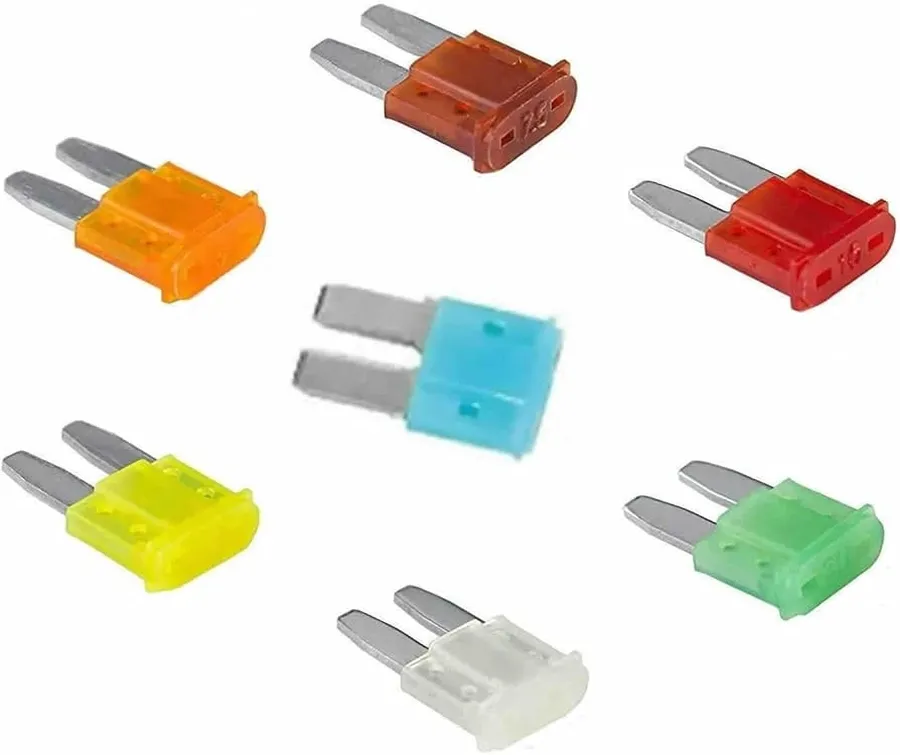
Fuse electronics are indispensable components across a wide spectrum of industries, serving as critical overcurrent protection devices. Their role is paramount in safeguarding electrical and electronic systems from damage caused by excessive current, ensuring operational safety and reliability in diverse applications. This section outlines the widespread use of fuses in several key sectors.
This section addresses common inquiries regarding fuse electronics, providing clear, concise answers to enhance understanding of these critical safety devices.
Fuses, as fundamental components in circuit protection, offer a blend of benefits and limitations that engineers must consider when designing electrical systems. Their simplicity and reliability make them a staple, but their one-time use nature requires careful planning and consideration in applications.
| Feature | Advantages | Disadvantages |
|---|---|---|
| Cost | Cost-effective; Fuses are generally inexpensive compared to other protection devices. | One-time use. Fuses must be replaced after they blow, incurring recurring costs. |
| Reliability | Highly reliable due to simple design; Fuses provide dependable overcurrent protection when correctly sized. | Can be unreliable if improperly sized or installed, leading to nuisance tripping or failure to protect equipment. |
| Response Time | Fast-acting fuses can respond quickly to overcurrent conditions, protecting sensitive electronic components. | Slow-blow fuses may allow minor overcurrents for short periods, potentially damaging certain devices, if not properly chosen. |
| Simplicity | Simple to understand and use; Fuses require no external power source and are easy to install. | Limited function; They cannot reset themselves, requiring manual replacement. |
| Size and Space | Compact and available in various sizes, suitable for space-constrained applications. | Fuse replacement can be challenging in tightly packed circuit boards. |
| Safety | Effective in preventing equipment damage and electrical fires due to overcurrents. | Incorrect fuse selection can pose a safety hazard, such as the incorrect rating or improper installation. |
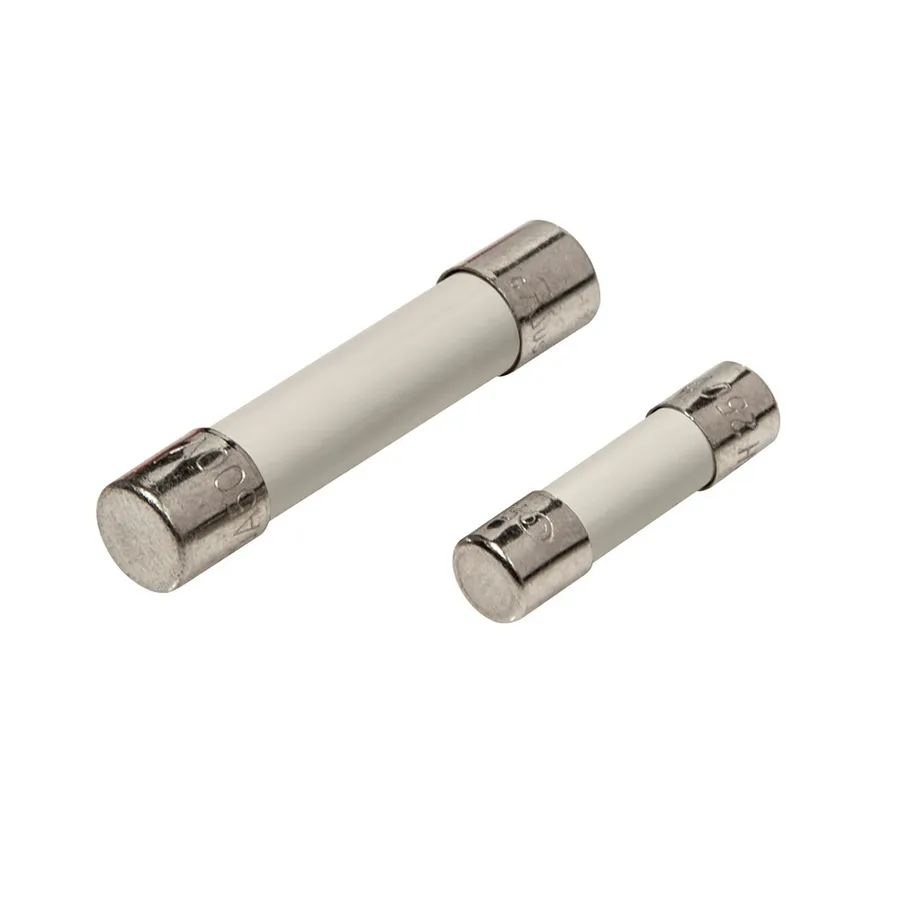
Proper handling and replacement of fuse electronics are critical for ensuring the safety and reliability of electrical systems. Mishandling can lead to damage, improper function, and even safety hazards. This section provides practical guidelines to avoid common pitfalls.
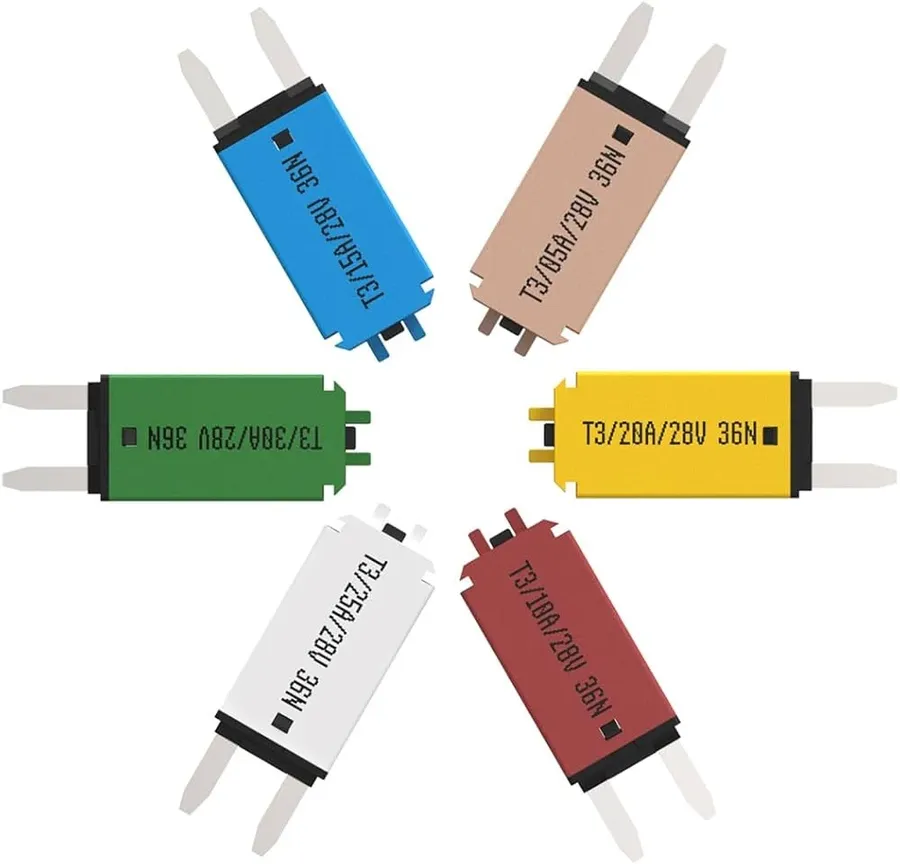
The field of fuse electronics is not static; it's continually evolving to meet the demands of modern technology. Innovations are focusing on enhanced functionality, increased reliability, and the integration of smart capabilities. This section explores some of the key trends shaping the future of fuse technology, including resettable and smart fuses.
Fuse electronics, though simple in appearance, are a crucial cornerstone of electrical safety. Understanding their function, types, and proper application can significantly reduce risks of electrical damage and ensure the longevity of electronic devices. As we move towards more advanced electrical systems, fuse technology will continue to evolve, adapting to new challenges and requirements, reinforcing their role as essential guardians in our tech-driven world.

