In the bustling world of electronics, the linear resistor stands as a fundamental component. Much like a well-regulated flow of water in pipes, these resistors ensure a predictable relationship between voltage and current, adhering to the basic principles of Ohm's Law. This article will unravel the intricacies of linear resistors, exploring their characteristics, common types, and diverse applications, bridging the gap between complex theory and real-world use.
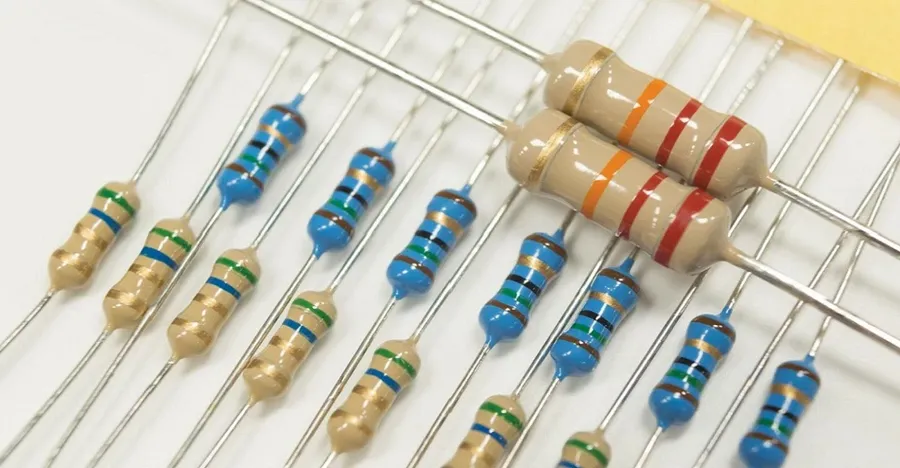
A linear resistor is a fundamental electronic component characterized by its resistance remaining constant regardless of the voltage applied across it or the current flowing through it. This consistent behavior is a key differentiator from non-linear resistors, whose resistance changes with variations in voltage or current. Linear resistors adhere to Ohm's Law, exhibiting a direct proportionality between voltage and current.
Linear resistors are fundamental components in electronic circuits, primarily characterized by their adherence to Ohm's Law. This law establishes a direct proportionality between the voltage (V) across the resistor and the current (I) flowing through it, with the constant of proportionality being the resistance (R). Specifically, the relationship is expressed as V = IR. The implication is that as the voltage applied to a linear resistor increases, the current through it increases proportionally, and vice versa, assuming the resistance remains constant under normal operating conditions.
This predictable behavior is crucial for designing and analyzing various electronic circuits where a consistent response is required. The consistent relationship holds irrespective of the magnitude or polarity of the voltage or current.
For example, consider a 100-ohm linear resistor. If a 1-volt potential difference is applied across its terminals, a current of 0.01 amperes (or 10 milliamperes) will flow through it (I=V/R = 1V / 100Ω = 0.01A). Doubling the voltage to 2 volts will proportionally increase the current to 0.02 amperes (or 20 milliamperes).
| Voltage (V) | Current (I) for a 100Ω Resistor |
|---|---|
| 1V | 0.01A |
| 2V | 0.02A |
| 5V | 0.05A |
| 10V | 0.1A |
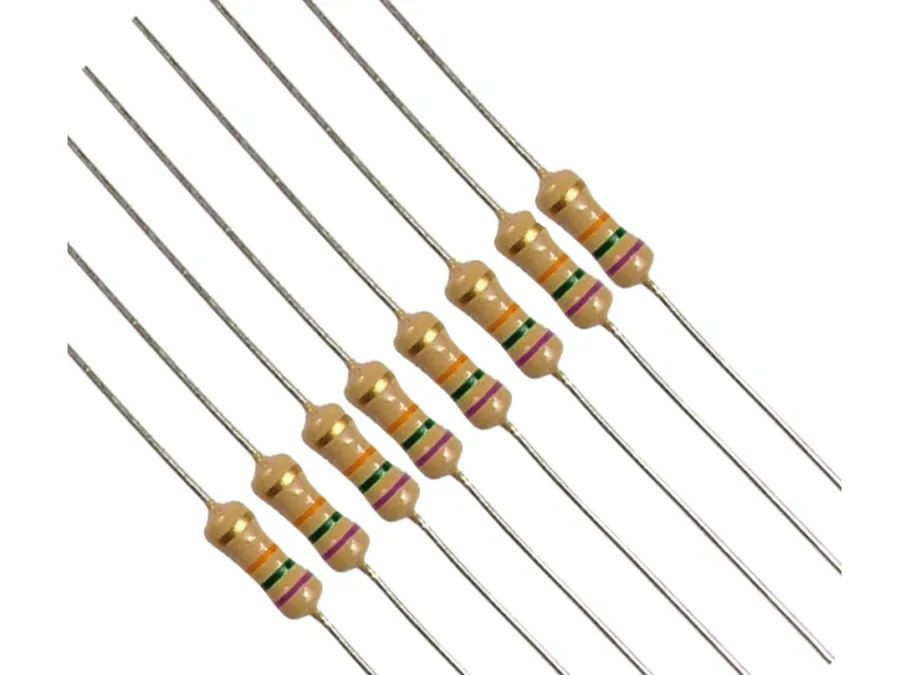
Linear resistors, characterized by their constant resistance irrespective of applied voltage or current, come in various forms, each with distinct construction and material properties that influence their performance and application suitability. These fixed resistors are essential components in electronic circuits, and understanding their differences is crucial for effective design.
| Resistor Type | Material | Construction | Typical Applications | Advantages | Disadvantages |
|---|---|---|---|---|---|
| Film Resistors | Carbon film, metal film | Thin film deposited on a ceramic substrate; spiral cut to adjust resistance | General-purpose applications; precision circuits | Good tolerance, low cost | Limited power ratings |
| Foil Resistors | Metal foil (e.g., nickel-chromium alloy) | Metal foil etched onto a substrate; typically have low inductance | High-precision measurement, high-stability circuits | Extremely high precision and stability | Higher cost |
| Composition Resistors | Carbon particles mixed with a binder | Solid cylinder made from the carbon mixture; leads attached to the ends | High-voltage applications; surge protection | Good surge handling capability | Higher tolerances, less stable resistance |
| Power Metal Strip® Resistors | Metal alloy | Stamped metal element; designed for low resistance and high power | Current sensing, power supplies | Very low resistance, high current capability | Specialized low resistance applications |
| Wirewound Resistors | Metal wire (e.g., nichrome) | Wire wound around a ceramic core; often have high power ratings | High power applications; precision current measurement | High power ratings, good stability | Higher inductance at higher frequencies |
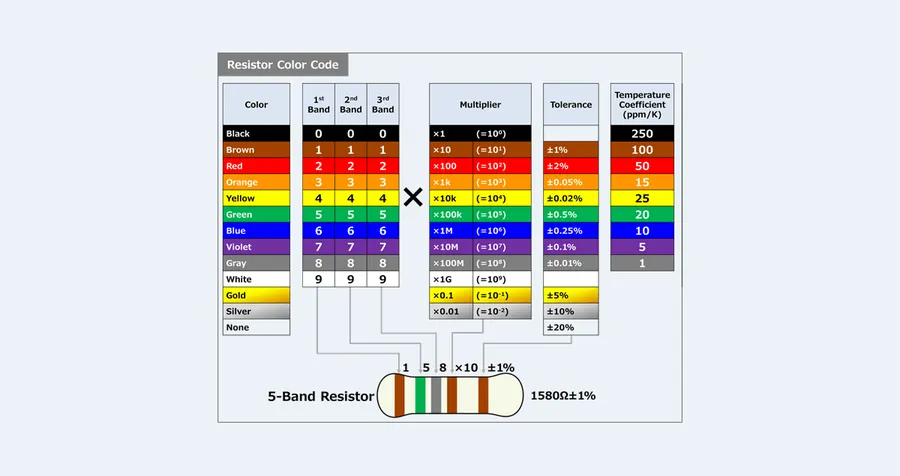
Linear resistors are characterized by several key parameters that dictate their performance and suitability for various applications. These characteristics, including temperature coefficient, power rating, and tolerance, are crucial considerations for effective circuit design.
| Characteristic | Description | Impact on Circuit Design |
|---|---|---|
| Temperature Coefficient | The measure of how much a resistor's resistance changes with temperature variations, expressed in parts per million per degree Celsius (ppm/°C). | Affects the stability and accuracy of circuits, particularly in environments with fluctuating temperatures. Lower coefficients are preferred for precision applications. |
| Power Rating | The maximum power, in watts (W), that a resistor can dissipate without being damaged. It is determined by the resistor's physical size and construction. | Improper power rating leads to resistor overheating and potential failure. Selecting resistors with adequate power ratings prevents damage to components and ensures circuit reliability. |
| Tolerance | The permissible variation in the actual resistance value from the nominal value, expressed as a percentage. For example, a 100Ω resistor with 5% tolerance could have a resistance between 95Ω and 105Ω. | Impacts the accuracy of circuit operation. Lower tolerance resistors are required for precise applications that require consistent resistance values. |
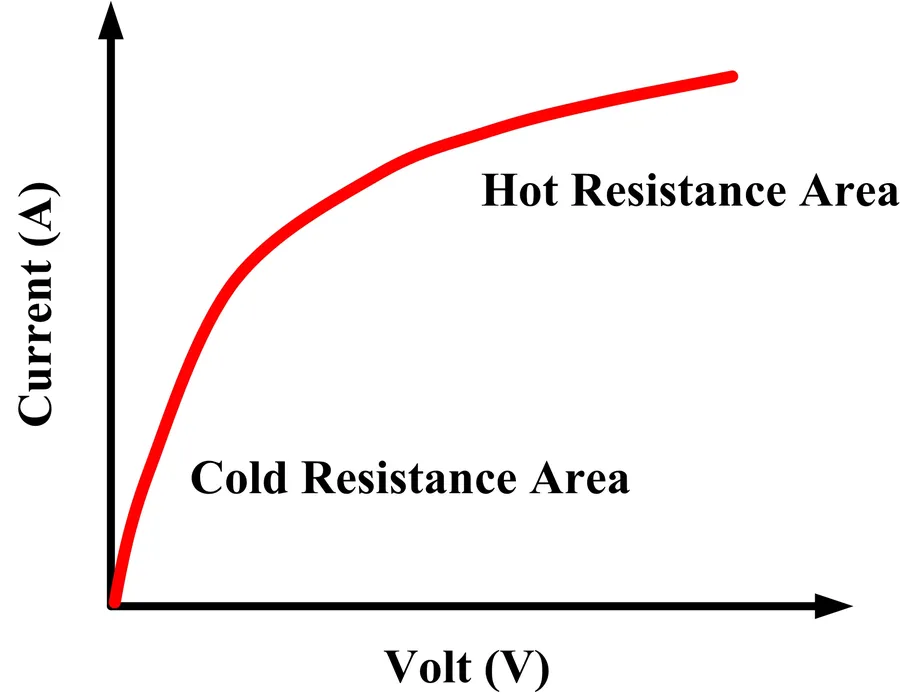
The fundamental distinction between linear and non-linear resistors lies in their response to changes in voltage or current. Linear resistors, adhering to Ohm's Law, maintain a constant resistance, while non-linear resistors exhibit a variable resistance depending on the electrical conditions. This difference dictates their suitability for diverse applications.
| Characteristic | Linear Resistor | Non-Linear Resistor |
|---|---|---|
| Resistance Value | Constant, independent of voltage or current | Variable, dependent on voltage, current, or temperature |
| Ohm's Law | Follows Ohm's Law (V = IR) | Does not follow Ohm's Law |
| I-V Curve | Straight line through the origin | Curve or non-linear shape |
| Behavior | Predictable and constant behavior | Behavior changes with operating conditions |
| Examples | Film resistors, Wirewound resistors | Thermistors, Varistors, Diodes (as a resistive element) |
| Applications | Current limiting, voltage division, precise measurements | Overcurrent protection, temperature sensing, non-linear signal processing |
For example, a simple application highlighting the difference is in a voltage divider circuit. A linear resistor will divide voltage proportionally, regardless of the voltage changes in the circuit. If instead a thermistor (a type of non-linear resistor) was used, the voltage division ratio will change with changes in temperature. Similarly, a varistor's resistance will change based on the applied voltage, which can protect the circuit.
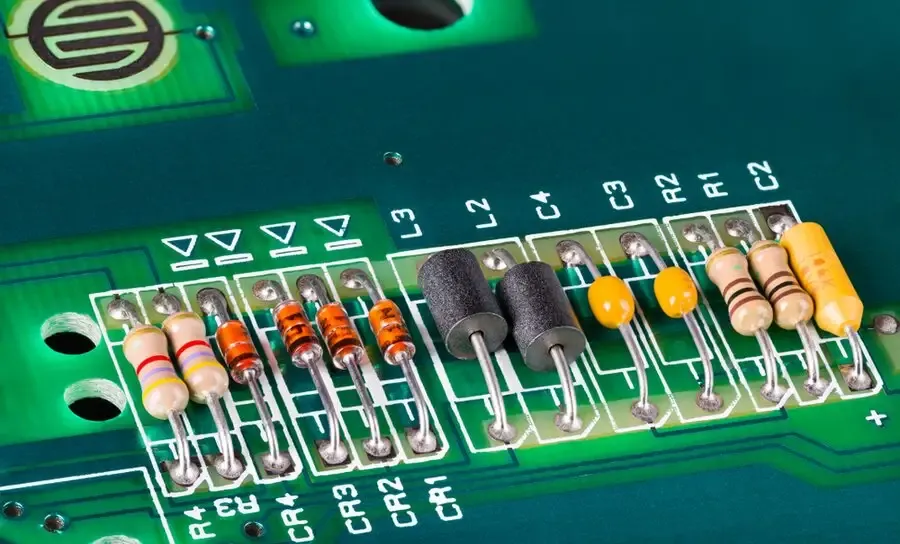
Linear resistors are fundamental components in electronic circuits, used for a multitude of applications due to their predictable behavior as defined by Ohm's Law. Their consistent resistance, irrespective of applied voltage or current, makes them vital for tasks such as voltage division, current limiting, and establishing stable voltage references. These applications are pervasive in both simple and complex electronic systems, underscoring the importance of linear resistors in practical electronic design.
In practical electronic applications, consider the following real life examples where linear resistors are used:
This section addresses common inquiries regarding linear resistors, offering clear and concise answers to enhance understanding of their properties and applications. We aim to clarify typical doubts and provide practical insights.
Selecting the appropriate linear resistor for a given application requires careful consideration of several key parameters. Overlooking these factors can lead to circuit malfunction or even component failure. This section provides actionable guidance for choosing the right linear resistor based on tolerance, power rating, and other critical specifications.
In conclusion, the linear resistor, a cornerstone of electronic circuits, provides predictable behavior by adhering to Ohm's law, ensuring consistent performance by maintaining a fixed resistance value under varying electrical conditions. From simple circuits to sophisticated electronic designs, understanding the different types and applications of linear resistors, such as film or wirewound resistors is crucial for any engineer or hobbyist. By properly implementing the insights discussed in this article about linear resistors, you will enhance your circuit design and guarantee reliable performance in your projects.

