In the realm of electronics, the 104J capacitor is a ubiquitous component found in a variety of circuits, from simple hobby projects to complex industrial machinery. Similar to how a small brick can contribute to a large building, this tiny component with its specific value and characteristics plays a crucial role in shaping the performance and reliability of electronic devices. This article will delve into the specifics of the 104J capacitor, detailing its construction, its electrical value, typical uses and the best practices for replacing one when necessary.
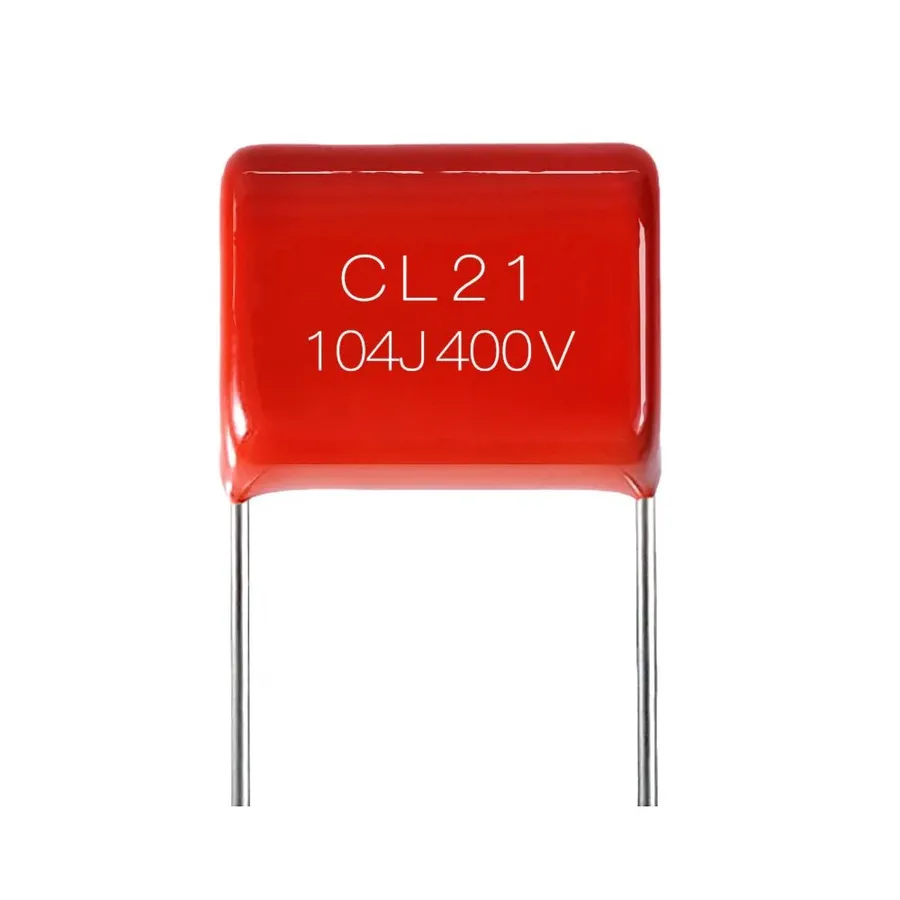
A 104J capacitor is a fundamental electronic component designed to store electrical energy electrostatically within an electric field. Its core function is to temporarily hold a charge, subsequently releasing it when needed in a circuit, thereby playing a crucial role in various electronic applications, such as filtering, signal coupling, and energy storage. The '104J' designation is a standardized code specifying its capacitance and tolerance.
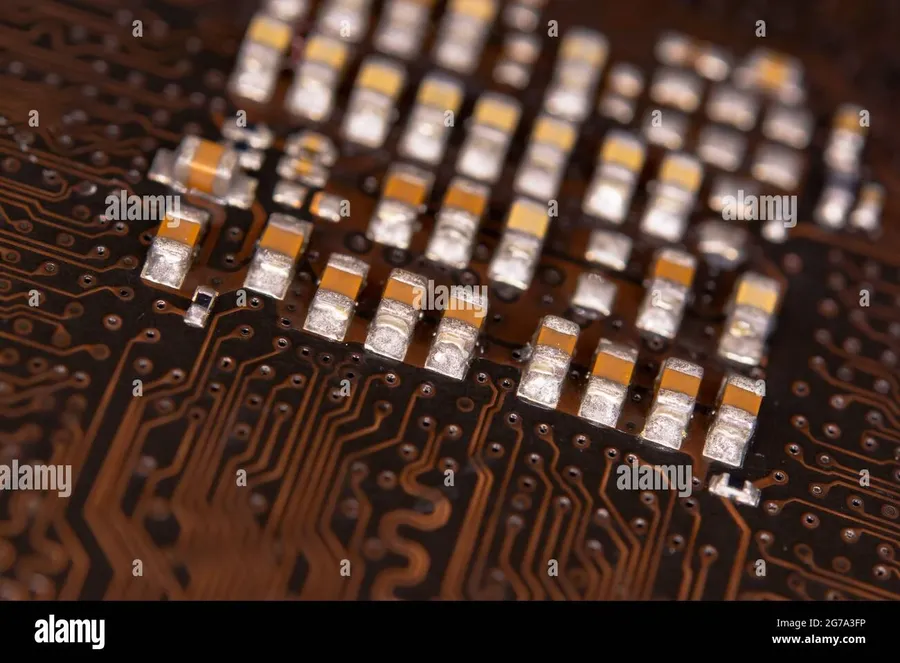
The '104J' marking on a capacitor is a standardized code that reveals crucial information about its electrical properties. Specifically, it defines the capacitor's capacitance value and the acceptable variance from that value, known as tolerance. Understanding this code is essential for selecting the correct capacitor for electronic applications.
The numeric portion '104' is interpreted using a multiplier system: the first two digits represent the significant figures, and the third digit is the power of ten multiplier. For the 104J capacitor, this means '10' multiplied by 10 raised to the power of 4, resulting in a capacitance of 10 x 10^4 picoFarads (pF), which is equivalent to 100,000 pF.
To convert picoFarads to microFarads (uF), divide by 1,000,000. Therefore, a 104J capacitor has a capacitance of 100,000 pF, which is equal to 0.1 uF. This conversion is critical since circuit schematics and datasheets often list capacitance values in microFarads.
The letter 'J' in the '104J' designation signifies the tolerance of the capacitor, which is the allowable deviation from the stated nominal capacitance. In this instance, 'J' indicates a ±5% tolerance. This means that the actual capacitance of a 104J capacitor can vary between 0.095 uF and 0.105 uF.
| Parameter | Value | Description |
|---|---|---|
| Capacitance Code | 104 | Indicates 10 * 10^4 pF |
| Capacitance Value | 100,000 pF | Equivalent to 0.1 uF |
| Tolerance | J | Indicates a ±5% tolerance |
| Actual Range | 0.095uF-0.105uF | The expected variation in capacitance |
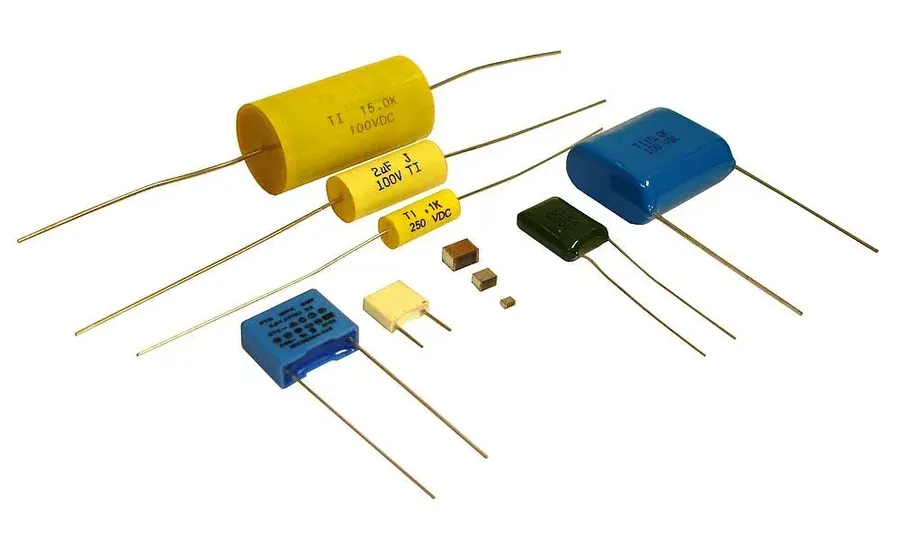
The 104J capacitor, while defined by its capacitance of 0.1µF and a ±5% tolerance, is manufactured using various film materials, each imparting distinct performance characteristics. These material choices significantly impact the capacitor's suitability for specific applications, affecting factors like temperature stability, lifespan, and frequency response.
| Feature | Metallized Polypropylene Film Capacitor | Polyester Film Capacitor |
|---|---|---|
| Material | Polypropylene | Polyester (Polyethylene Terephthalate) |
| Temperature Stability | Excellent; maintains capacitance over a wide range. | Moderate; capacitance can drift with temperature. |
| Loss Tangent (DF) | Low; good for high-frequency applications. | Higher than polypropylene; less suitable for high-frequency circuits. |
| Typical Applications | High-frequency circuits, pulse applications, audio circuits, power supply filtering | General-purpose applications, bypass, decoupling. |
| Cost | Generally higher | Generally lower |
| Self-Healing Properties | Good self-healing; can recover from minor breakdowns. | Less self-healing; more prone to permanent damage from over-voltage |
Metallized Polypropylene Film Capacitors are favored for high-performance applications requiring low losses and stable capacitance over temperature. Their robust self-healing properties contribute to their longevity. Conversely, Polyester Film Capacitors, while more economical, are suitable for general-purpose applications where extreme precision and stability aren't paramount.
The voltage rating of a 104J capacitor is a crucial parameter that specifies the maximum voltage it can safely withstand without risking damage or failure. Selecting a capacitor with an appropriate voltage rating is paramount for reliable circuit operation. Common voltage ratings for 104J capacitors include 100V, 250V, 400V, and 630V, each catering to different circuit demands.
It's imperative to always choose a 104J capacitor with a voltage rating that is equal to or, preferably, higher than the maximum voltage expected in the circuit. Using a capacitor with a lower voltage rating can lead to dielectric breakdown, resulting in a short circuit, overheating, or even component failure. This over-voltage condition often manifests in reduced lifespan or catastrophic damage. Therefore, understanding and adhering to the specified voltage ratings is essential for circuit safety and longevity.
| Voltage Rating | Typical Application | Considerations |
|---|---|---|
| 100V | Lower voltage circuits, signal coupling, DC filtering | Suitable for circuits with a maximum operating voltage less than 100V. Commonly found in low-power electronic devices |
| 250V | General purpose applications, noise suppression, basic power supply filtering | Good for standard electronic circuits that don't require excessive voltage capacity |
| 400V | Higher voltage circuits, power supplies, medium-power AC-DC conversion | Applicable to most industrial and commercial electronics |
| 630V | High voltage applications, power factor correction, inverters | Used in applications where high voltage safety margins are required. Usually found in high-power electronic systems |
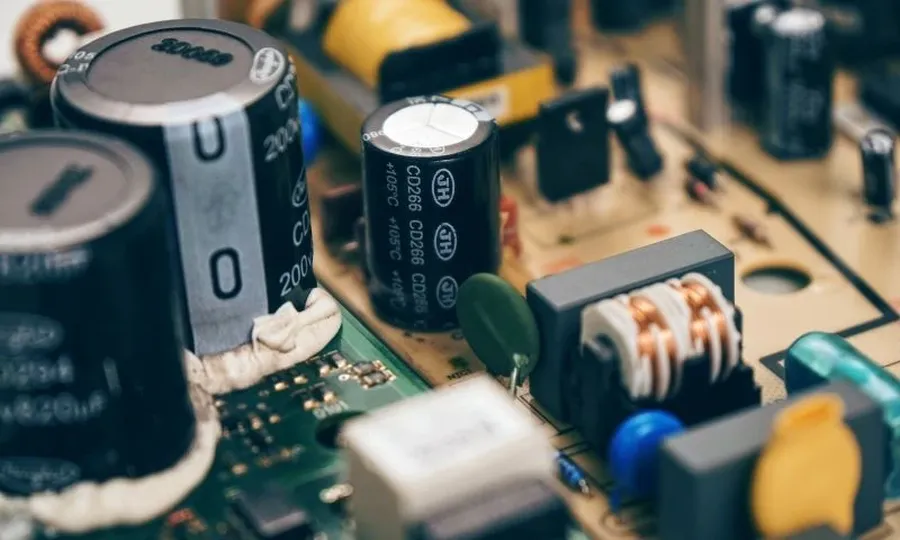
The 104J capacitor, characterized by its 0.1μF capacitance and ±5% tolerance, serves a wide array of functions across various electronic circuits. Its versatility stems from its ability to efficiently store and release electrical energy, making it a crucial component in numerous applications, from signal processing to power management.
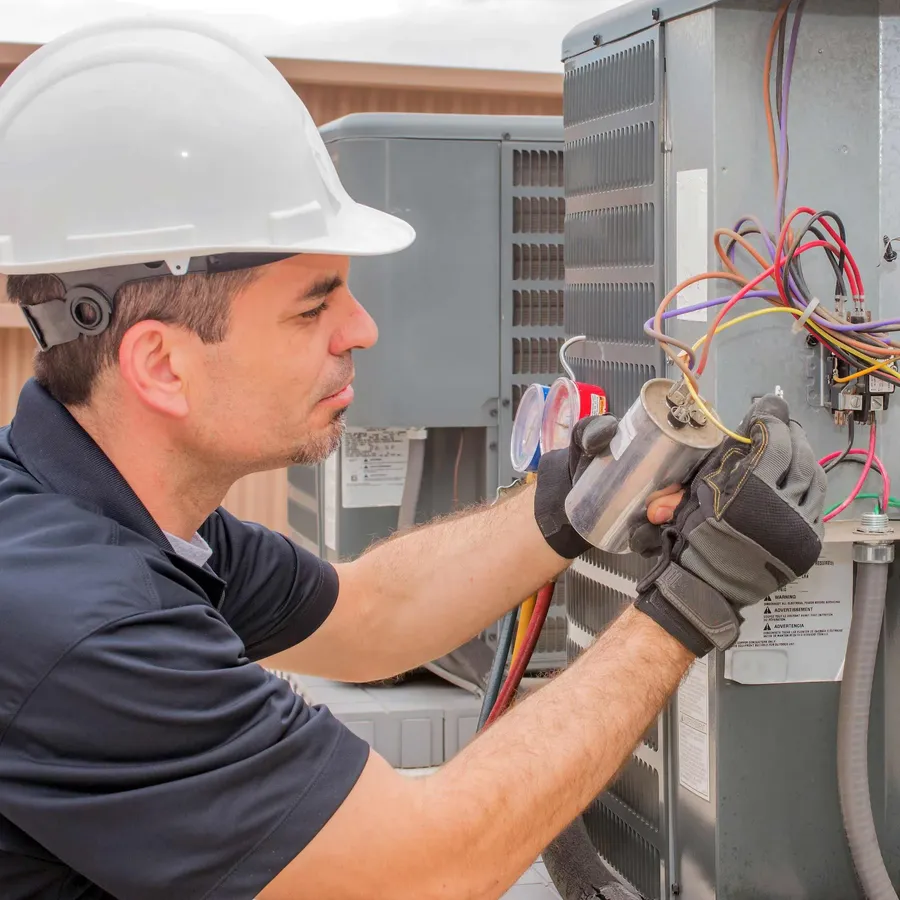
Replacing a 104J capacitor requires careful consideration of several key parameters to ensure the proper function and longevity of the electronic circuit. The primary factors are capacitance, voltage rating, tolerance, and material type.
The first and foremost rule of capacitor replacement is to match the original capacitance value. A 104J capacitor has a nominal capacitance of 0.1µF, and this value should be strictly adhered to. Using a capacitor with significantly different capacitance can lead to altered circuit behavior and may cause unexpected malfunctions. Additionally, the replacement capacitor's voltage rating should always be equal to or greater than the voltage rating of the original capacitor. Substituting with a lower voltage rating can lead to capacitor failure, sometimes explosively.
The 'J' in 104J indicates a tolerance of ±5%. While this is a common tolerance, it's advisable to match or exceed this specification to maintain performance within the circuit design specifications. Finally, the material composition and type of the capacitor affect its performance, especially in areas such as temperature stability and high frequency operation. Depending on the application, the material may need to be matched. For example, a metalized polypropylene may be preferred in audio or filtering circuits due to its temperature stability and low loss, while a polyester film capacitor may be sufficient in general-purpose applications.
In summary, when replacing a 104J capacitor, ensure the following: the capacitance is 0.1µF, the voltage rating matches or exceeds the original, the tolerance is at least ±5%, and the material is suitable for the application. These considerations provide the best assurance that the circuit will perform as designed, minimizing the risk of failure or degraded performance.
This section addresses common queries regarding 104J capacitors, providing clear and concise answers to help users understand their characteristics, applications, and proper usage. We cover essential topics from capacitance value to voltage ratings, ensuring you have the knowledge to use these components effectively.
A comparative analysis of 104J capacitors reveals key differences in their construction materials, impacting their performance characteristics and suitability for diverse applications. The two primary types of 104J capacitors are metallized polypropylene and polyester film capacitors, each with distinct advantages and limitations.
| Feature | Metallized Polypropylene | Polyester |
|---|---|---|
| Voltage Range | 100V to 630V+ | 100V to 630V+ |
| Common Application | Pulse Circuits, Audio, Filtering | General Purpose |
| Temperature Range | Wide, Stable | Moderate, can degrade |
| Dielectric Constant | Low, stable across temperature and frequency. | Higher than polypropylene, but varies with temperature |
| Loss Factor | Very low, suitable for high-frequency applications | Higher than polypropylene, less suitable for high-frequency applications |
| Cost | Generally higher | Generally lower |
| Longevity | Longer lifespan due to robust material | Shorter lifespan, prone to degradation from heat and humidity |
The 104J capacitor, seemingly small, plays an indispensable role in the function of numerous electronic devices. Its specific 0.1uF capacitance and the 'J' tolerance rating provide a precise electrical characteristic needed by many circuits. Understanding its properties, applications, and proper replacement methods, alongside the range of voltage ratings, allows engineers, hobbyists and consumers to make sure their electronics are performing effectively and reliably. By paying attention to these details, you can keep your circuits working smoothly, making sure these tiny 104J capacitors continue to power our technological world effectively.

