The 470uF 16V capacitor, a small but mighty component in the world of electronics, plays a crucial role in stabilizing voltage and filtering current in various devices. Much like the role of water reservoirs in maintaining a steady flow, capacitors like this 470uf 16v variant store and release electrical energy, ensuring smooth operation. From the circuits powering our smartphones to those within larger appliances, this capacitor type is a workhorse of the modern technological landscape. This article will delve into the intricacies of this capacitor, its applications, and how it performs in various scenarios, providing you with comprehensive knowledge, so you can make an informed selection when the need arises. We’ll also address the common questions that might arise when working with 470uF 16V capacitors.
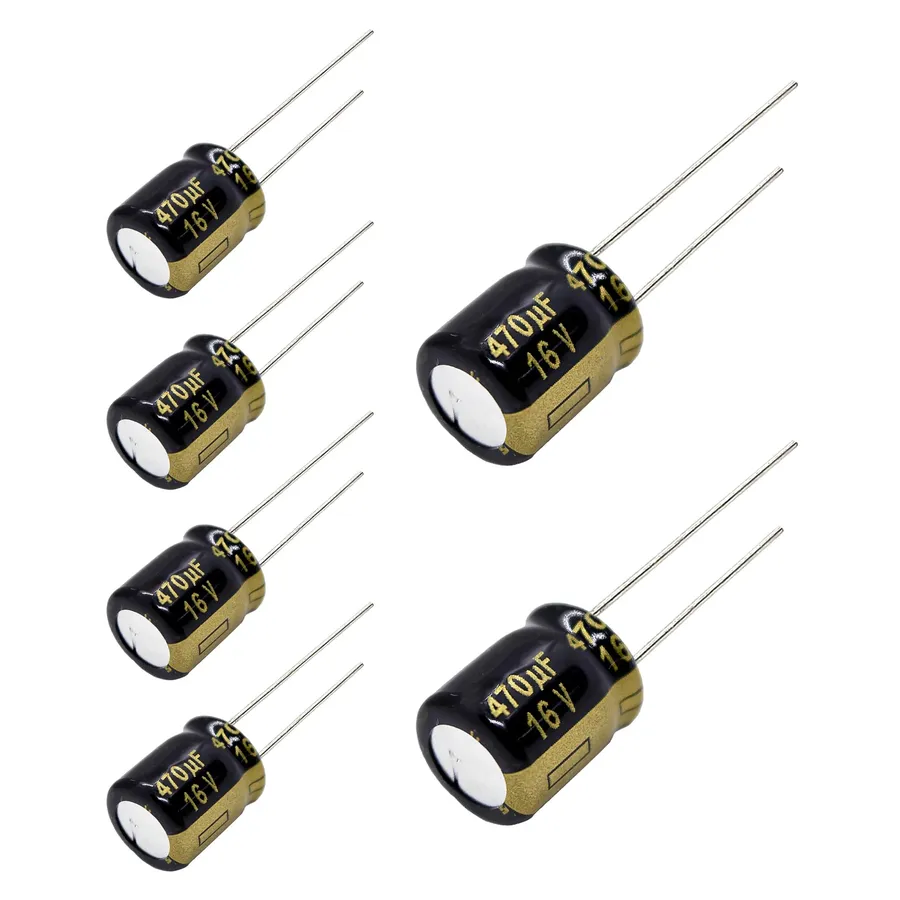
A 470uF 16V capacitor is an electronic component characterized by its ability to store electrical energy, with a capacitance of 470 microfarads (µF) and a maximum voltage rating of 16 volts. It's fundamental to many electronic circuits, functioning as a temporary energy reservoir and filter. Typically, these are electrolytic capacitors, known for their relatively high capacitance in a small physical size, but also notable for their polarity requirements.
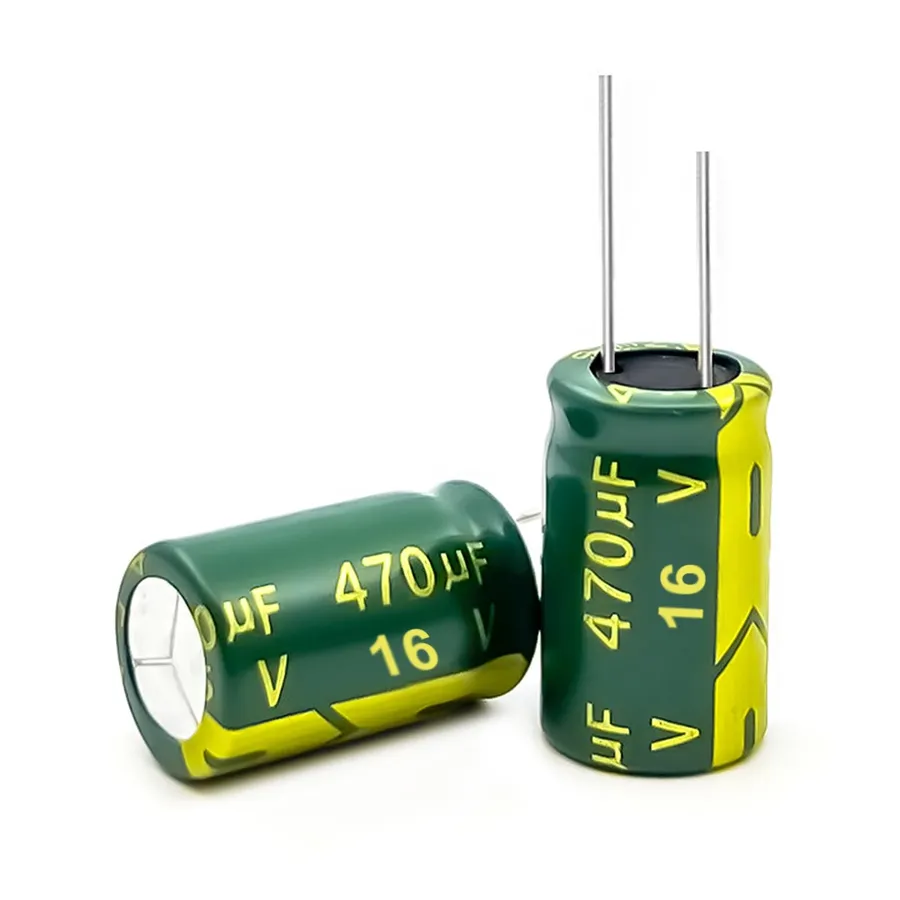
Understanding the detailed specifications of a 470uF 16V capacitor is crucial for proper selection and application. Beyond the core values of 470 microfarads (µF) capacitance and 16 volts (V) voltage rating, several other parameters influence its performance and suitability for different electronic circuits.
| Specification | Description | Typical Value |
|---|---|---|
| Capacitance | The amount of electrical charge the capacitor can store. | 470 µF |
| Voltage Rating | The maximum voltage the capacitor can withstand without damage. | 16 V |
| Capacitance Tolerance | The acceptable variation in the actual capacitance value. | ±20% (Common) |
| Operating Temperature Range | The temperature range within which the capacitor will function correctly. | -40°C to +85°C (Typical) |
| Dimensions | Physical size of the capacitor, which can be influenced by lead type. | 8mm x 12mm (Common Radial) |
| Equivalent Series Resistance (ESR) | The internal resistance of the capacitor which is important for filtering and power applications | Variable, often specified in datasheets |
| Leakage Current | A measure of current flowing through the capacitor dielectric when the capacitor is fully charged. | A few microamps or less, specified in datasheets |
| Lead Type | The configuration of the leads for connection | Radial or Axial |
Capacitance tolerance, typically ±20% for electrolytic capacitors, indicates that the actual capacitance can vary from 376uF to 564uF for a nominal 470uF capacitor. The operating temperature range is crucial since capacitor performance degrades at extreme temperatures. For instance, the electrolyte in electrolytic capacitors may freeze at very low temperatures. Capacitors also have a specified lifespan, which depends on factors such as operating temperature and ripple current.
The physical dimensions, such as 8x12 mm, refer to a typical radial-leaded capacitor, which means the leads extend from the base. Axial-leaded capacitors, conversely, have leads extending from either end and will have different dimensions. The leads are important for installation into a circuit board, and the choice depends on the board and application type. Furthermore, ESR is an important factor in circuits that carry high-frequency signals or have a high ripple current. Low ESR capacitors are required in those specific applications to avoid overheating and improve efficiency.
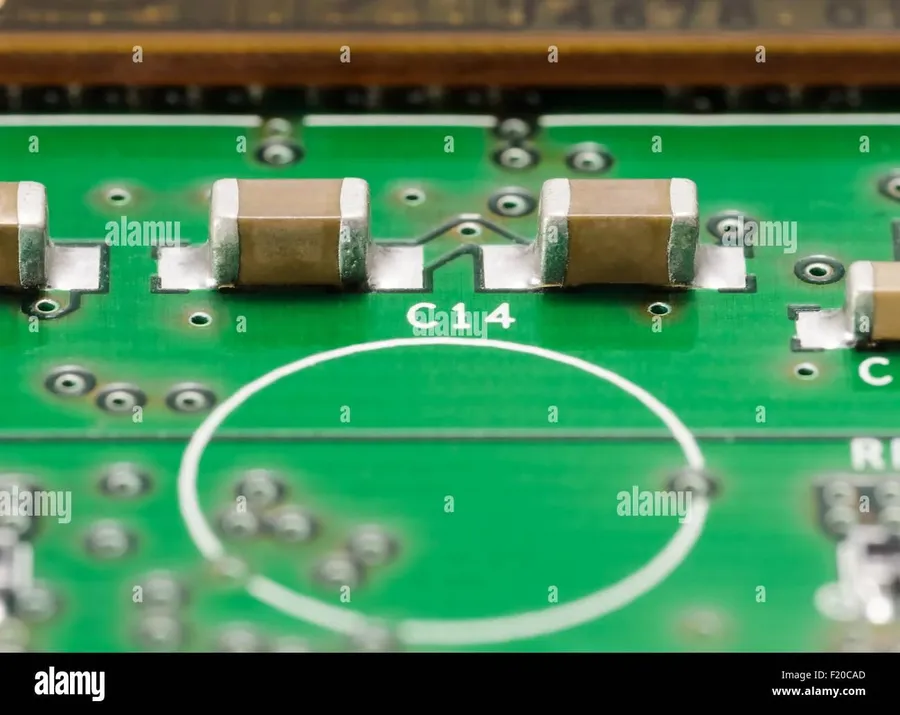
470uF 16V capacitors are ubiquitous in modern electronics, serving crucial roles in various applications due to their ability to store and release electrical energy. Their primary functions include smoothing power fluctuations and filtering out unwanted noise, thus contributing to the stability and reliability of electronic circuits.
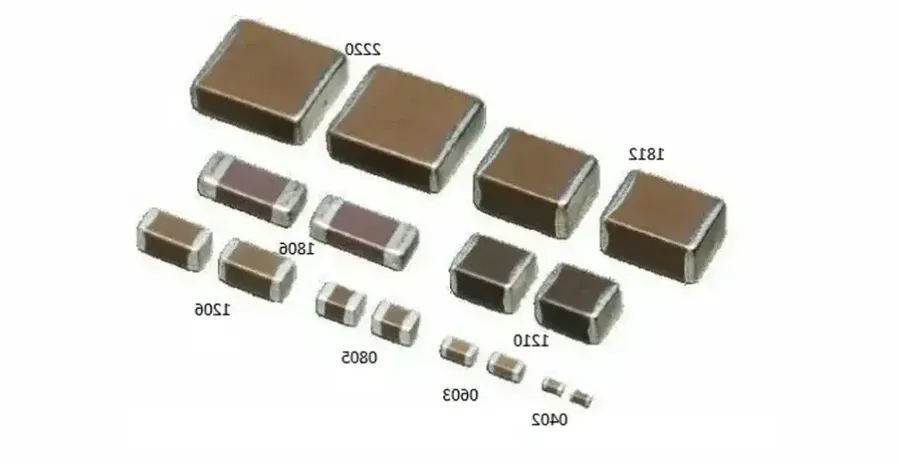
Selecting the appropriate 470uF 16V capacitor requires careful consideration of several key factors to ensure optimal performance and reliability in your application. These include temperature requirements, physical size constraints, expected lifespan, and the crucial parameter of Equivalent Series Resistance (ESR).
| Factor | Description | Importance |
|---|---|---|
| Temperature Requirements | The operating temperature range the capacitor will be subjected to. Capacitors have defined limits, exceeding which can result in performance degradation or failure. | Critical; Ensure the capacitor's temperature range meets or exceeds the expected operating conditions. |
| Physical Size | The physical dimensions of the capacitor (e.g., diameter and height). Space constraints on the circuit board can limit the size of the capacitor. | Important; Consider available space and package options to ensure a proper fit. |
| Lifespan | The expected operational lifetime of the capacitor. Electrolytic capacitors, especially, have a finite lifespan that is influenced by temperature and applied voltage. | Very Important; Choose a capacitor with a suitable lifespan for the intended application; lifespan is inversely proportional to the temperature of operation. |
| Equivalent Series Resistance (ESR) | The internal resistance of the capacitor. ESR affects the capacitor's ability to handle ripple current and can generate heat. | Crucial for specific applications; High ESR can lead to increased heat, reduced efficiency, and potential premature failure, especially in power applications |
| Capacitance Tolerance | The acceptable variation in the actual capacitance value from the stated 470uF. Common tolerances are ±20% or ±10%. | Important, higher tolerance means more variation in capacitance, and can effect the performance of the device. Consider the circuit sensitivity to capacitance variation when selecting your capacitor. |
When replacing a 470uF 16V capacitor, it's crucial to understand the implications of using components with different ratings. While it may seem convenient to substitute with a higher capacitance (uF) or voltage rating, it’s important to understand the nuances to ensure proper circuit function and longevity.
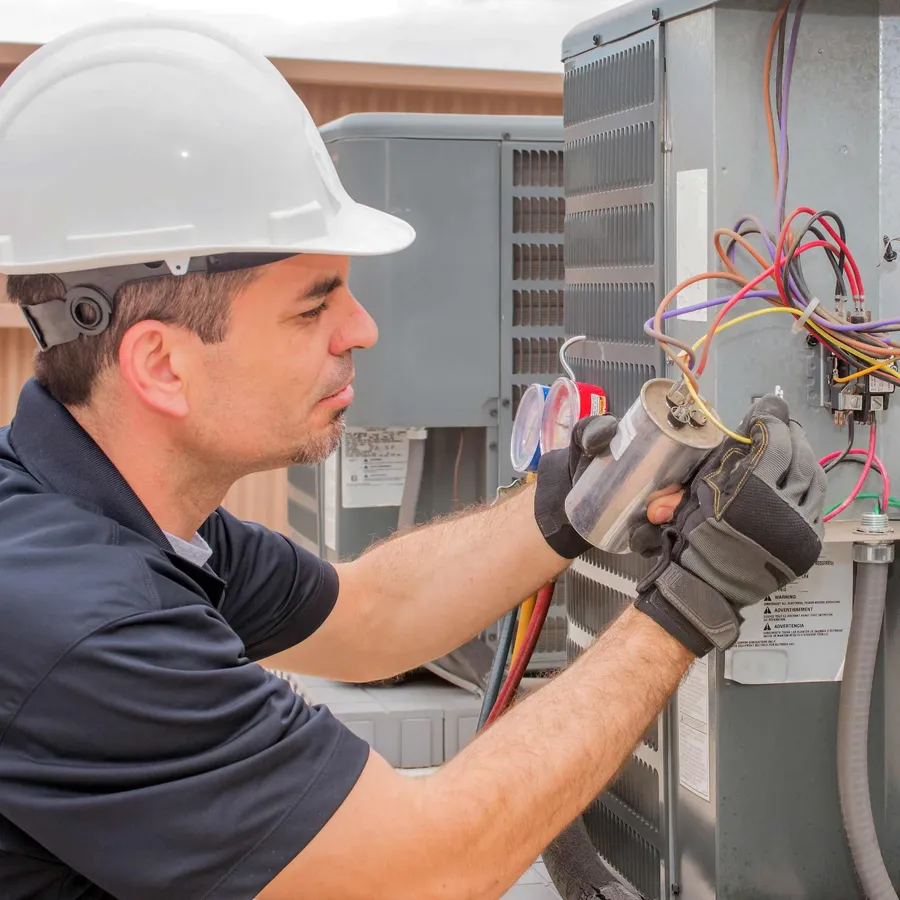
Replacing a faulty 470uF 16V capacitor requires careful execution to ensure the proper function of your electronic device. This guide outlines the necessary steps, tools, and safety precautions for a successful replacement, emphasizing correct polarity and handling.
Always exercise caution when working with electronic components. Double check all steps to avoid any mishaps and ensure a successful replacement. If you are uncomfortable with the repair process, it is best to consult a qualified technician.
A capacitor datasheet is a critical document for understanding the specific characteristics and limitations of a capacitor. For the 470uF 16V capacitor, it provides vital information beyond just the capacitance and voltage rating. This section will guide you through the key parameters typically found in a datasheet, enabling informed decision-making for your applications.
| Parameter | Description | Importance |
|---|---|---|
| Capacitance | Rated value of 470uF | Primary value; actual value within tolerance. |
| Voltage Rating | Maximum voltage (16V) capacitor can withstand | Exceeding rating damages capacitor. |
| Capacitance Tolerance | Allowable deviation from the nominal 470uF. | Critical for accuracy in timing and filtering circuits. |
| Operating Temperature Range | Temperature range within which the capacitor operates correctly. | Affects lifespan and performance. |
| Equivalent Series Resistance (ESR) | Internal resistance of the capacitor. | Important in high-frequency and power-related applications. |
| Ripple Current | The alternating current a capacitor can handle without degradation. | Essential in switching power supply applications. |
| Leakage Current | DC current that flows through the capacitor when voltage is applied. | Can affect long-term performance. |
| Lifetime | Expected operational life of the capacitor at rated conditions. | Important for reliability, varies with temp |
| Physical Dimensions | Size and lead configurations, e.g., 8x12mm radial. | Critical for space-constrained designs. |
Datasheets for 470uF 16V capacitors are readily available from component manufacturers. Some common manufacturers include: Panasonic, Nichicon, and Rubycon. Refer to their websites for the most current data on their components. These documents provide comprehensive information including test conditions, reliability data, and specific application guidelines for their capacitors, ensuring that you choose the appropriate component for your design.
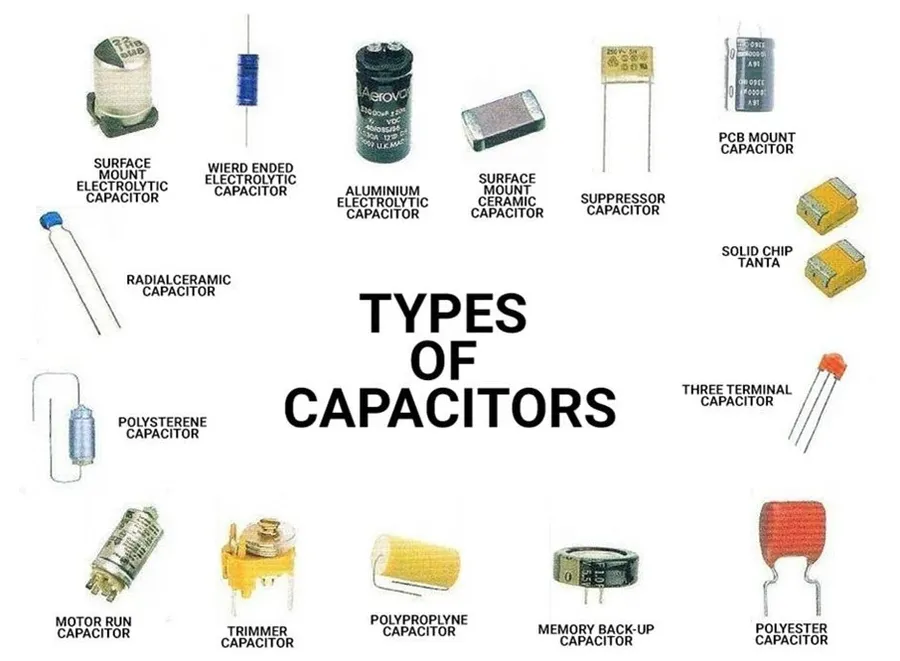
Sourcing genuine 470uF 16V capacitors is crucial for reliable electronic projects and repairs. This section guides you to reputable suppliers, both online and local, and provides tips to help you avoid counterfeit components, ensuring you obtain high-quality capacitors.
| Retailer | Pros | Cons |
|---|---|---|
| Amazon | Wide variety, often quick delivery, customer reviews | Risk of counterfeit components, inconsistent quality |
| Mouser | Extensive selection, high-quality components, authorized distributor | Higher prices, may have minimum order quantities, shipping can be expensive for small orders |
| DigiKey | Similar to Mouser, wide selection, excellent technical resources, authorized distributor | Higher prices, may have minimum order quantities, shipping can be expensive for small orders |
| Tayda Electronics | Competitive pricing, good for small quantities, good for hobbyists | Can be limited selection, can be lower quality than name brands. |
| Local Electronics Stores | Immediate availability, visual inspection possible | May have limited selection, could be more expensive than online |
When choosing a supplier, prioritize reputable sources and check for customer reviews, and if the supplier is an authorized distributor of a capacitor manufacturer. If possible, visually inspect the capacitors for any obvious defects, such as bulging or corrosion, as a further precaution against counterfeit or defective components. Always compare prices, shipping costs, and delivery times between different retailers to optimize your purchasing decision. Be aware of the source of the product ( direct from manufacturer, third party seller), and how this may influence product authenticity.
Diagnosing problems with 470uF 16V capacitors is crucial for maintaining the functionality of electronic devices. Common failure modes include physical damage, such as bulging or leaking, and electrical degradation, which manifests as changes in capacitance or increased Equivalent Series Resistance (ESR). Identifying these issues early can prevent further damage to the circuit and ensure proper operation.
In conclusion, the 470uF 16V capacitor is a versatile and essential component in various electronic circuits. Understanding its specifications, applications, and proper handling is crucial for both hobbyists and professionals. When replacing this capacitor, it is imperative to observe correct polarity. Whether you're repairing existing devices or designing new circuits, a solid understanding of how this workhorse of a component, the 470uf 16v capacitor, functions will greatly enhance the success of your electronics projects. By considering the information provided, you'll be better equipped to make informed decisions, ensuring the reliable operation of your devices.

