The modern marvel of induction heating, seamlessly integrated into our kitchens and industries, relies heavily on a seemingly simple component: the induction circuit board. This unsung hero is the brain behind the precise and efficient heat generation. From induction cooktops that instantly bring water to a boil to industrial applications that require targeted heating, understanding the mechanics of an induction circuit board not only demystifies the technology but also opens doors to possibilities in its application and maintenance. We'll delve into the inner workings of these boards, examining their functionality and providing troubleshooting tips, all while showcasing the essential role of these powerful electronics.
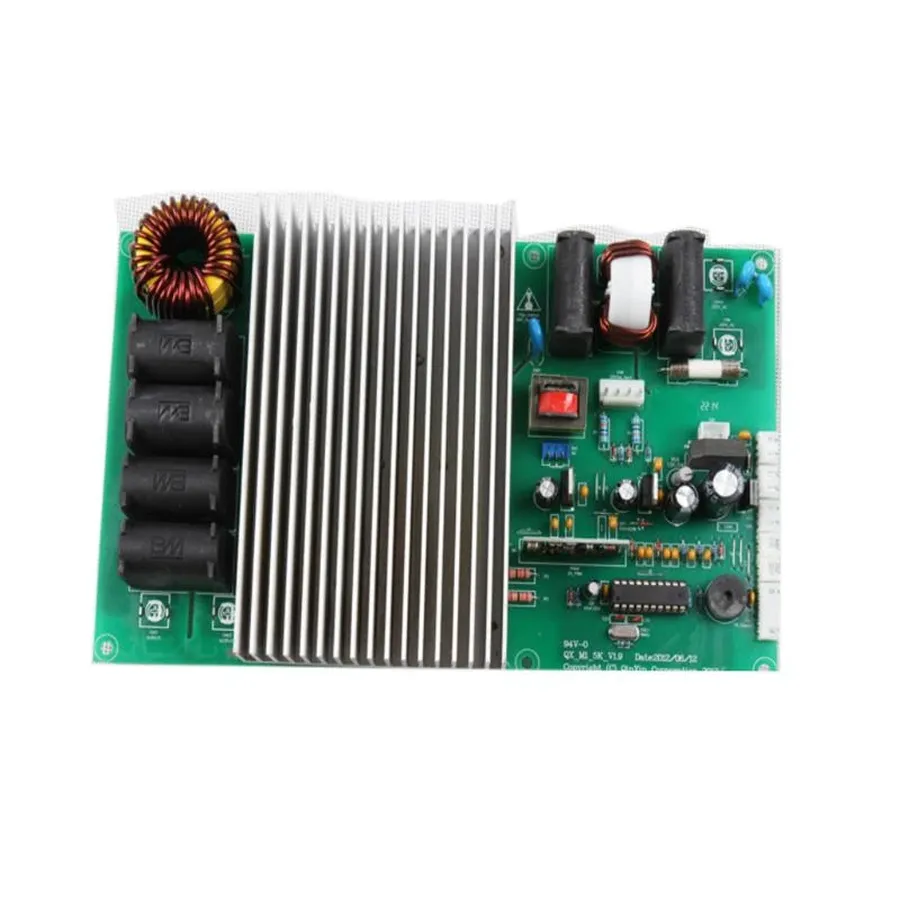
An induction circuit board is the central component in induction heating systems, responsible for converting electrical energy into a high-frequency electromagnetic field. This field, when interacting with ferromagnetic cookware, induces heat directly within the cookware itself, making it the core of an induction cooktop or industrial heater. The board's design is critical for efficient and controlled energy transfer.
The fundamental components of an induction circuit board include a power supply, which converts mains AC power to a suitable DC voltage; an oscillator circuit that generates the high-frequency AC needed for induction; control circuitry that regulates power and temperature; and essential components like capacitors, inductors, and transistors for power switching and shaping the electromagnetic field. These components work together to ensure precise heating performance.
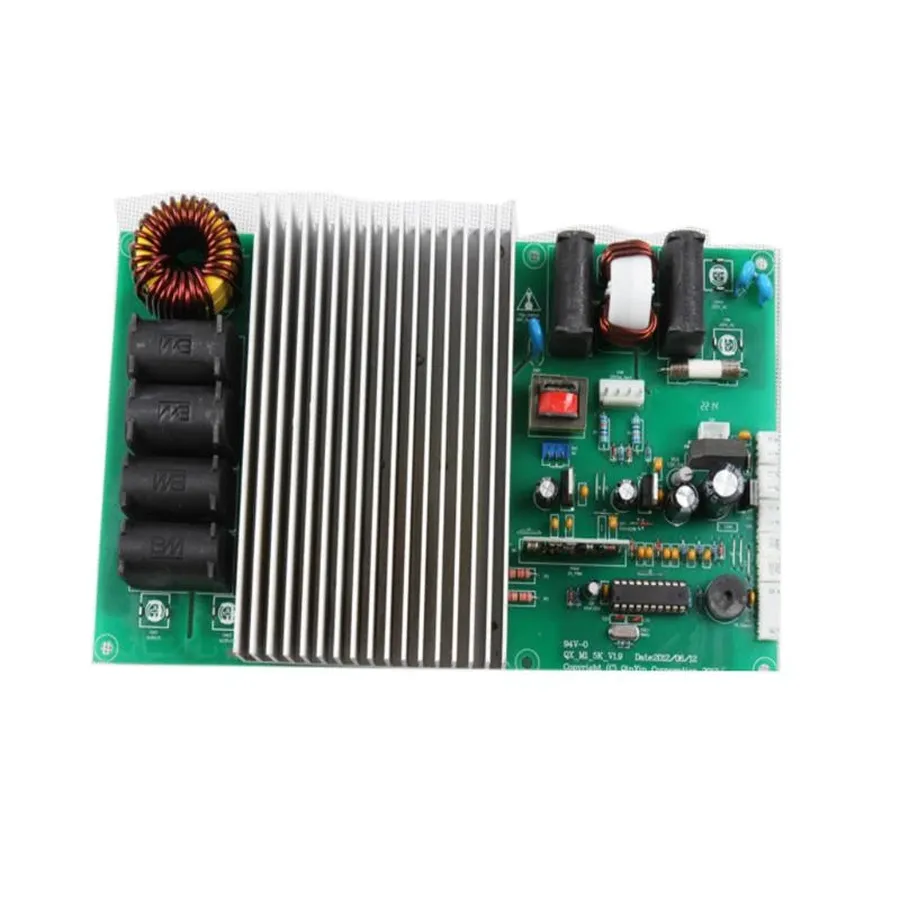
Induction circuit boards vary significantly based on their intended application, primarily differing in power output and control sophistication. These differences directly impact their design, component selection, and overall performance. Understanding these variations is crucial for selecting the appropriate board for specific heating needs, from domestic cooking to demanding industrial processes.
| Type | Power Rating | Typical Application | Control Complexity | Key Features |
|---|---|---|---|---|
| Home Induction Cooktop | 1.5 kW - 3.5 kW (per zone) | Residential cooking, light-duty heating | Moderate | Multiple cooking zones, precise temperature control, timer functions, safety features. |
| Commercial Induction Cooktop | 3.5 kW - 7.0 kW (per zone) | Restaurants, catering, professional cooking | Moderate to High | Higher power output, robust construction, continuous operation, enhanced control features |
| Industrial Induction Heater | 5 kW - 800+ kW | Metal melting, forging, heat treatment, heavy-duty heating | High | Very high power output, water cooling, precise energy delivery, integrated process control. |
| Portable Induction Cooker | 1 kW - 2 kW | Temporary cooking solutions, single person households | Simple | Low power consumption, simple interface, portable design, basic safety features |
The power ratings listed are typical values; actual ratings can vary significantly depending on design and manufacturer specifications. Furthermore, industrial applications often require custom-designed circuit boards with specific control systems, tailored to meet the demands of unique processes, which can go to several Megawatts.
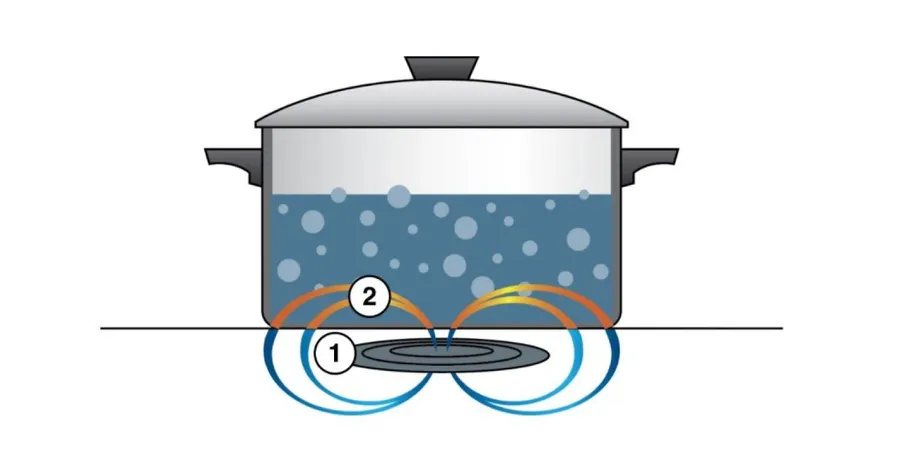
Induction circuit boards operate by transforming electrical energy into a high-frequency alternating magnetic field. This field, when interacting with ferromagnetic cookware, induces eddy currents within the cookware's base, leading to rapid and efficient heat generation. The process is a sophisticated interplay of electrical and magnetic principles, precisely controlled by the circuit board's components.
The induction circuit board not only generates the magnetic field but also manages the power delivery and temperature control. Sophisticated feedback loops and control circuitry are integrated to regulate the heating process, ensuring energy efficiency and preventing thermal runaway. This control aspect is crucial for providing consistent and safe cooking.
Induction circuit boards, while robust, can encounter various issues that impede their functionality. These problems typically manifest as a failure to heat, inconsistent temperature control, or complete system shutdown. Understanding the common failure points and employing systematic troubleshooting steps can often resolve these issues, restoring the induction system to full operation.
The following are common issues that may be encountered:
Practical troubleshooting tips:
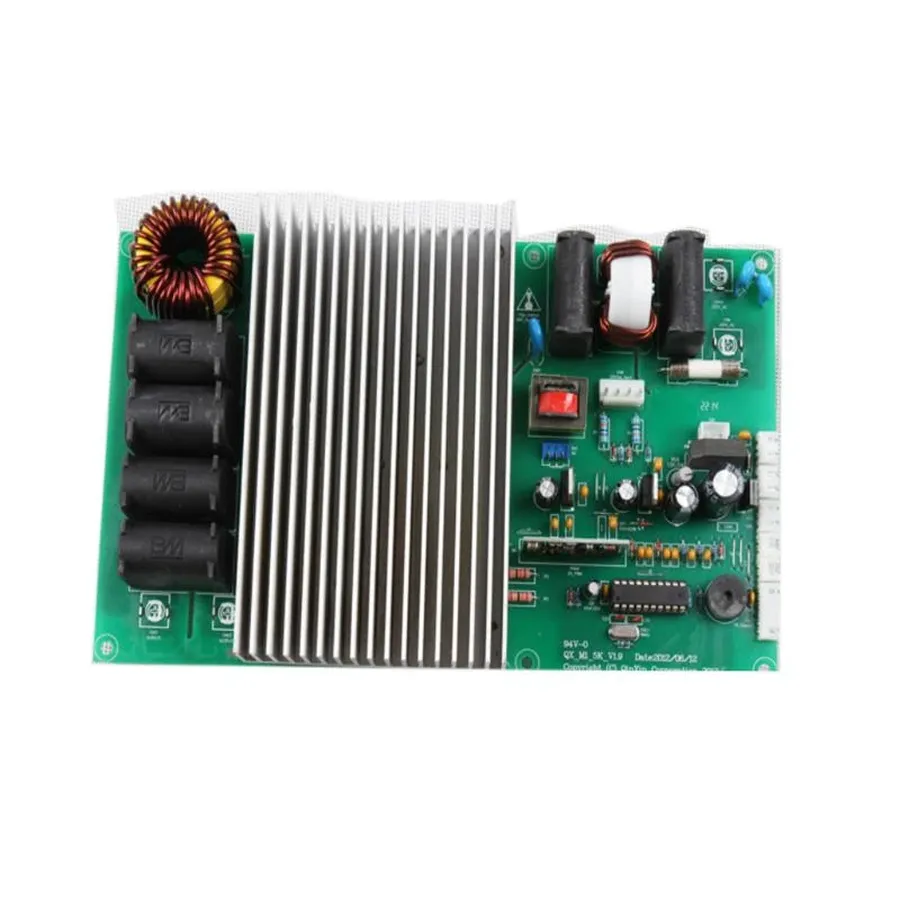
Efficient design of an induction circuit board requires a holistic approach, carefully balancing performance, reliability, and safety. This involves critical considerations such as thermal management to prevent overheating, strategic component selection to ensure optimal power delivery, and the integration of comprehensive safety features, particularly in high-power applications.
| Design Consideration | Description | Importance |
|---|---|---|
| Thermal Management | Effective heat dissipation mechanisms using heat sinks, thermal vias, and airflow designs to prevent component overheating. | Crucial for maintaining component reliability and extending the lifespan of the circuit board. |
| Component Selection | Choosing components based on current and voltage ratings, temperature tolerances, and switching speeds, such as high-frequency MOSFETs, gate drivers, and capacitors. | Ensures efficient and reliable power conversion and the correct generation of the high-frequency electromagnetic field. |
| Safety Features | Inclusion of overcurrent protection, short circuit protection, overvoltage protection, temperature sensors, and fail-safe mechanisms to prevent damage and hazards. | Vital for protecting the circuit board and connected appliances, as well as preventing potential harm to the user. |
| Electromagnetic Interference (EMI) Management | Shielding, filtering, and appropriate layout strategies to minimize electromagnetic emissions to avoid interference with other devices and comply with regulations. | Essential for compliance with electromagnetic compatibility (EMC) standards and ensuring reliable operation of nearby electronic equipment. |
| Power Supply Efficiency | Optimization of power supply circuitry to reduce energy losses and improve overall system efficiency. This may include resonant converters or soft-switching techniques to minimize switching losses. | Maximizes energy transfer to the load, reducing heat generation and overall power consumption. |
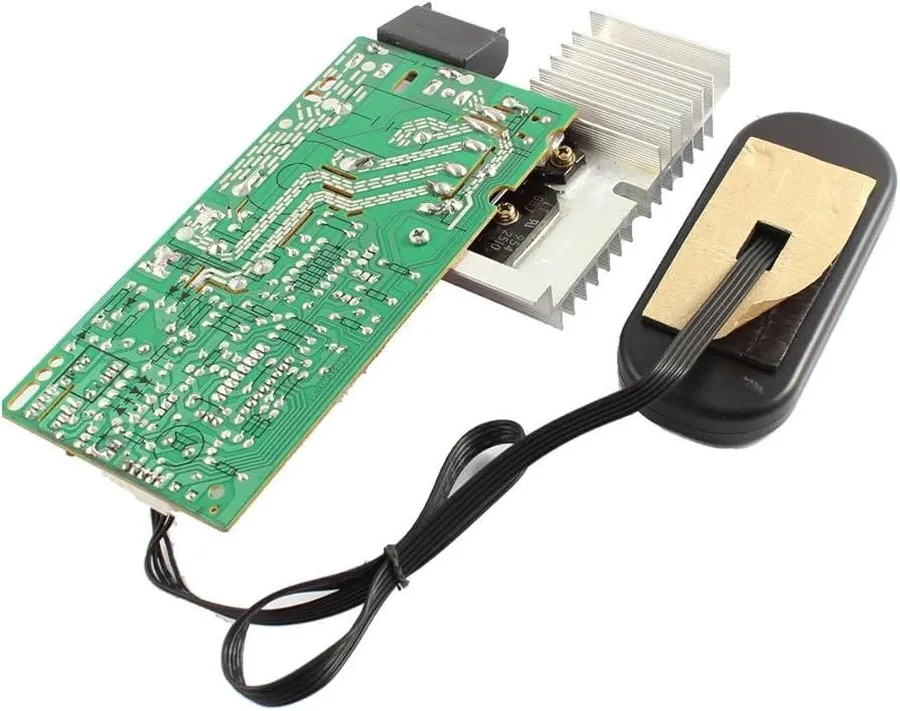
Maintaining the longevity and optimal performance of an induction circuit board is crucial for the reliable operation of your induction heating appliance. Proper care not only extends the lifespan of the circuit board but also ensures efficient and safe heating. This section provides practical advice on maintaining your induction circuit board, ensuring optimal performance, and determining when professional help is necessary.
This section addresses common queries regarding induction circuit boards, providing clear, concise answers to help users understand their function, design, and maintenance. We aim to resolve common misconceptions and provide practical insights based on fundamental engineering principles.
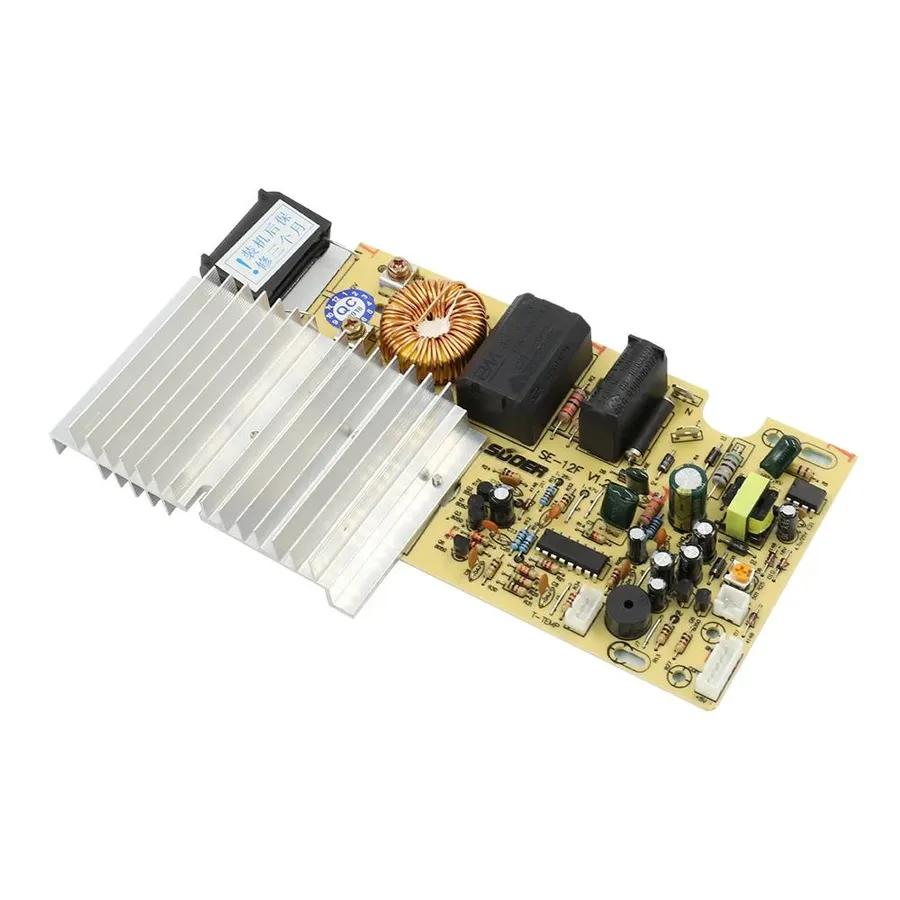
The landscape of induction circuit board technology is rapidly evolving, driven by demands for increased efficiency, greater control, and seamless integration with modern systems. Innovations in materials, component design, and control algorithms are paving the way for the next generation of induction heating solutions.
A significant focus is on enhancing energy efficiency. New circuit designs are incorporating advanced power electronics components, such as wide-bandgap semiconductors (e.g., GaN and SiC), to reduce switching losses and improve overall energy conversion rates. These advancements are crucial for minimizing energy waste and promoting sustainable heating solutions.
Precision control is another key area of development. Modern induction circuit boards are increasingly equipped with sophisticated microcontrollers and digital signal processors (DSPs) to enable more precise temperature management. This allows for fine-tuning of heating profiles, thereby optimizing cooking performance and reducing the risk of overheating or burning food.
Integration with smart home systems is becoming increasingly common, with manufacturers incorporating technologies such as Wi-Fi and Bluetooth to allow for remote control and monitoring. These features enable users to adjust settings from their smartphones or other connected devices. Additionally, some systems are starting to utilize artificial intelligence (AI) algorithms to learn user preferences and automatically adjust heating profiles.
Innovations in materials science are also playing a crucial role. New materials, such as high-temperature ceramics and advanced composites, are being explored for their ability to withstand the demanding conditions within induction cooktops and heaters. These materials offer improved thermal stability, reduced risk of component failure, and longer overall lifespans. Additionally, research is ongoing into the use of nanomaterials to further enhance performance and reduce the size and weight of induction circuit boards.
Looking ahead, we can anticipate further breakthroughs in induction circuit board technology, with increased emphasis on efficiency, safety, and user experience, leading to more sophisticated, versatile, and user-friendly heating solutions.
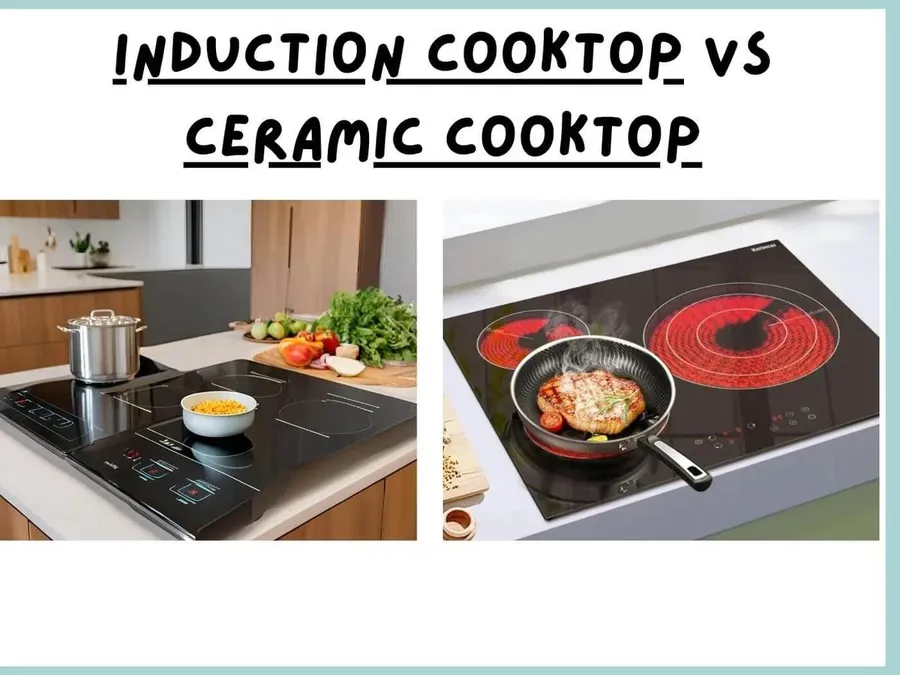
Induction heating, powered by induction circuit boards, presents a distinct alternative to traditional heating methods like gas and electric resistance. This section provides a comparative analysis, focusing on key differences in energy efficiency, safety, and speed, to help users make informed decisions based on their specific needs.
| Feature | Induction Heating | Gas Heating | Electric Resistance Heating |
|---|---|---|---|
| Energy Efficiency | High (85-90%); Direct heating of cookware | Moderate (30-60%); Heat loss to the environment | Moderate (70-80%); Indirect heating of cookware |
| Speed | Very Fast; Rapid heating due to direct induction | Moderate; Relies on flame to heat | Moderate; Slower heat up than induction |
| Safety | High; Cooktop surface remains relatively cool; reduces the risk of burns | Moderate; Open flame poses a fire risk; gas leaks are a concern | Moderate; Hot surface can cause burns |
| Control | Precise; Fine-grained temperature control | Moderate; Difficult to maintain consistent temperature | Moderate to Good; Some precision with controls |
| Cost | Higher upfront cost but potentially lower operating costs due to higher efficiency | Lower upfront cost but ongoing gas expenses; higher long term cost | Lower upfront costs; higher energy consumption cost |
| Environmental Impact | Lower; Efficient energy usage with no direct emissions | Higher; Contributes to carbon emissions | Moderate; Uses electricity which may be generated from fossil fuels, however cleaner options are also available |
| Maintenance | Minimal; Requires cleaning of the smooth cooktop surface | Regular cleaning of burners; potential gas line maintenance | Low; Cleaning of the cooktop surface and coils. |
Choosing the right heating technology depends on specific requirements and constraints. Induction heating, while potentially having a higher initial cost, offers superior energy efficiency and safety, making it ideal for modern kitchens and frequent use. Gas heating, although less efficient and safe, may be favored for its lower upfront costs. Electric resistance heating serves as a middle ground, providing moderate efficiency and safety. By carefully considering these factors, users can select the heating method that best aligns with their unique needs and priorities.
In summary, the induction circuit board represents a remarkable piece of engineering that has revolutionized cooking and heating, and is indispensable in industrial applications. By understanding its fundamental function, various types, common troubleshooting techniques, and future technological advancements, we are better equipped to leverage its capabilities. As we look to the future, the induction circuit board will undoubtedly remain at the forefront of technological innovation, driving further efficiency and convenience for consumers and industry alike. The development of new materials, safety features, and smart integrations of circuit boards will continue to shape our future, further highlighting its role as a pivotal technology. With continued research and development, this technology is likely to become even more indispensable.

