The humble 47k resistor, a tiny component in the world of electronics, is a cornerstone of numerous circuits, often unnoticed but crucial for functionality. Similar to how a 47k resistor regulates electrical flow in a circuit, understanding its applications is essential. This article will delve into the characteristics, uses, and importance of the 47k resistor in electronics, providing a comprehensive guide for enthusiasts and professionals alike. This seemingly small component influences everything from audio circuits to fire alarm systems, proving that even the smallest things play a vital role.
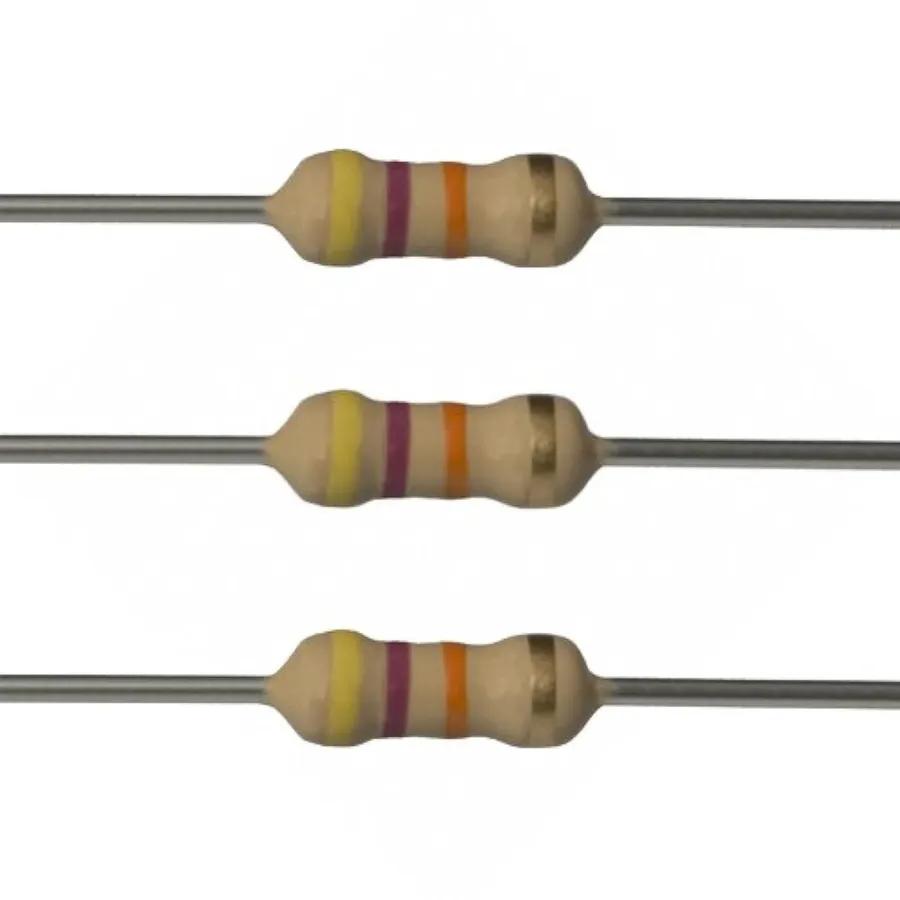
A 47k resistor is a fundamental electronic component characterized by its resistance value of 47,000 ohms (47 kiloohms). Functioning as a passive device within electrical circuits, its primary purpose is to impede the flow of electrical current, effectively limiting the amount of current that can pass through a circuit.
Resistors like the 47k are crucial for controlling voltage and current, ensuring that electronic devices operate correctly and safely. Their ability to limit current is essential for protecting sensitive components from damage due to excessive current flow, which also ensures precise and safe operations.
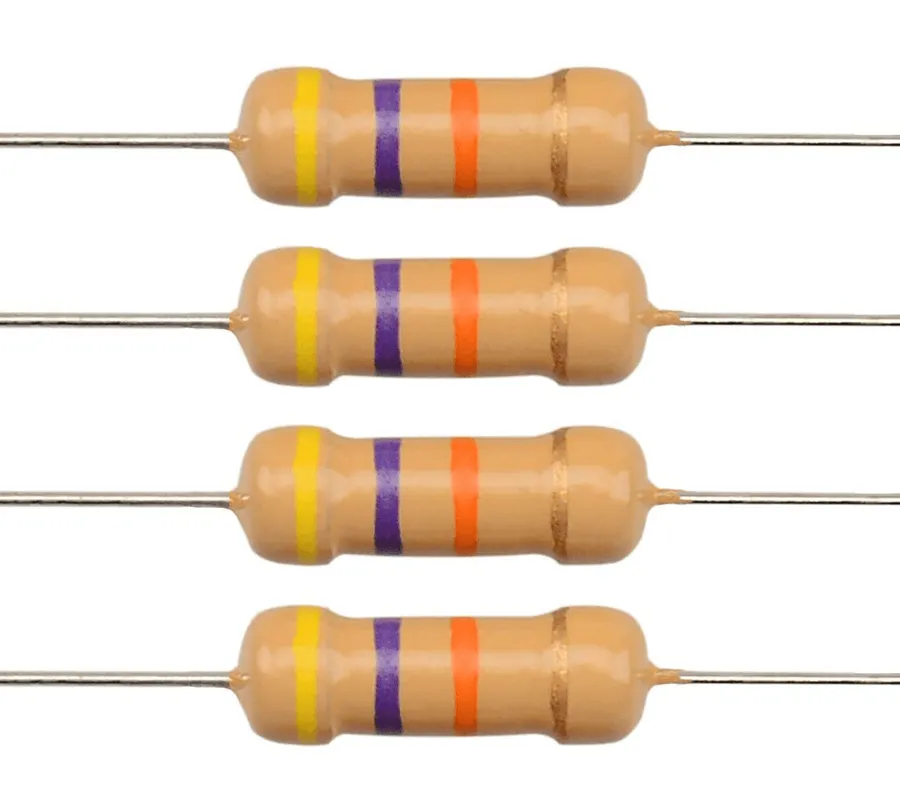
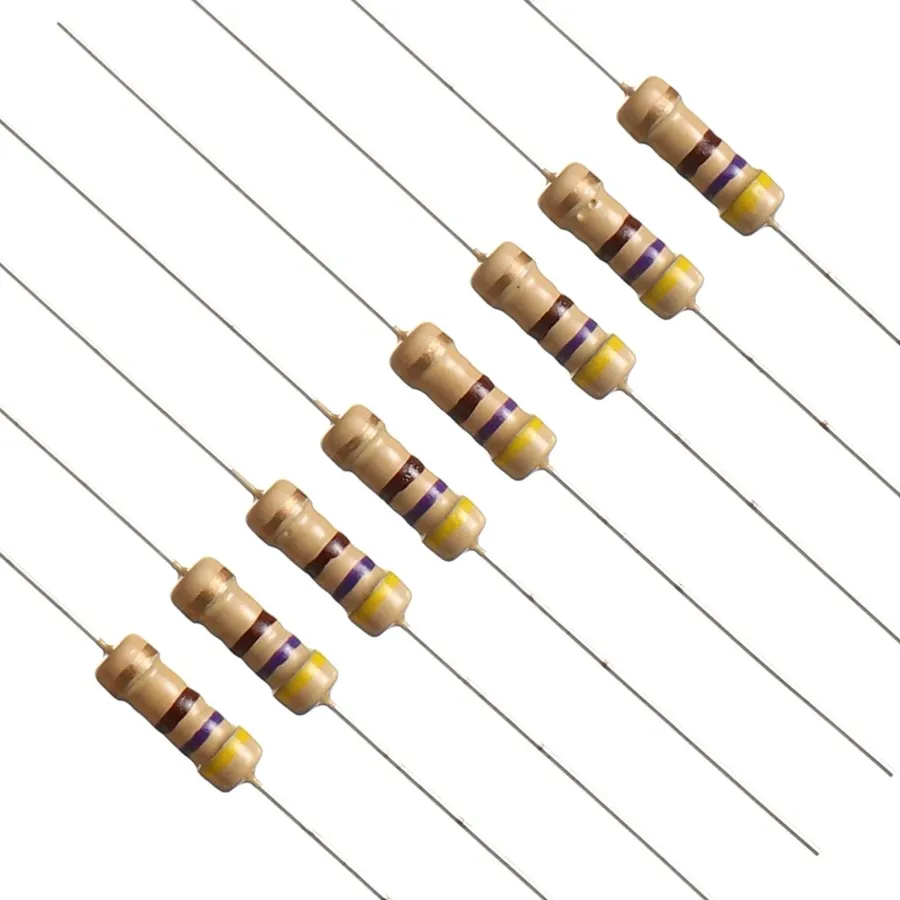
The 47k resistor, a common electronic component, is easily identifiable through a series of colored bands. These bands, interpreted using the resistor color code, allow for precise determination of the resistance value, in this case, 47,000 ohms. Understanding this color code is fundamental for any electronic engineer or hobbyist working with resistors. A typical 47k resistor will have four color bands: yellow, violet, orange, and gold, representing the digits, multiplier, and tolerance, respectively.
| Band | Color | Digit/Multiplier | Tolerance |
|---|---|---|---|
| 1st Band | Yellow | 4 | - |
| 2nd Band | Violet | 7 | - |
| 3rd Band | Orange | 1000 (Multiplier) | - |
| 4th Band | Gold | - | 5% |
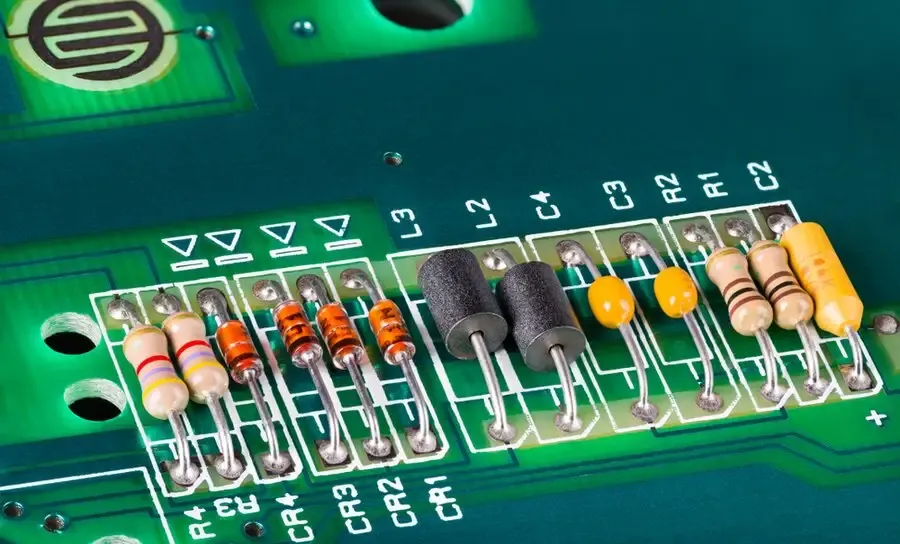
The 47k resistor, a passive electronic component with a resistance of 47,000 ohms, is a versatile element found in numerous applications due to its ability to limit current flow and adjust voltage levels within circuits. Beyond its fundamental role, it plays a critical part in fine-tuning signal outputs, and ensuring safety in various systems. Its value is not arbitrary but is deliberately selected for its specific impact in different scenarios.
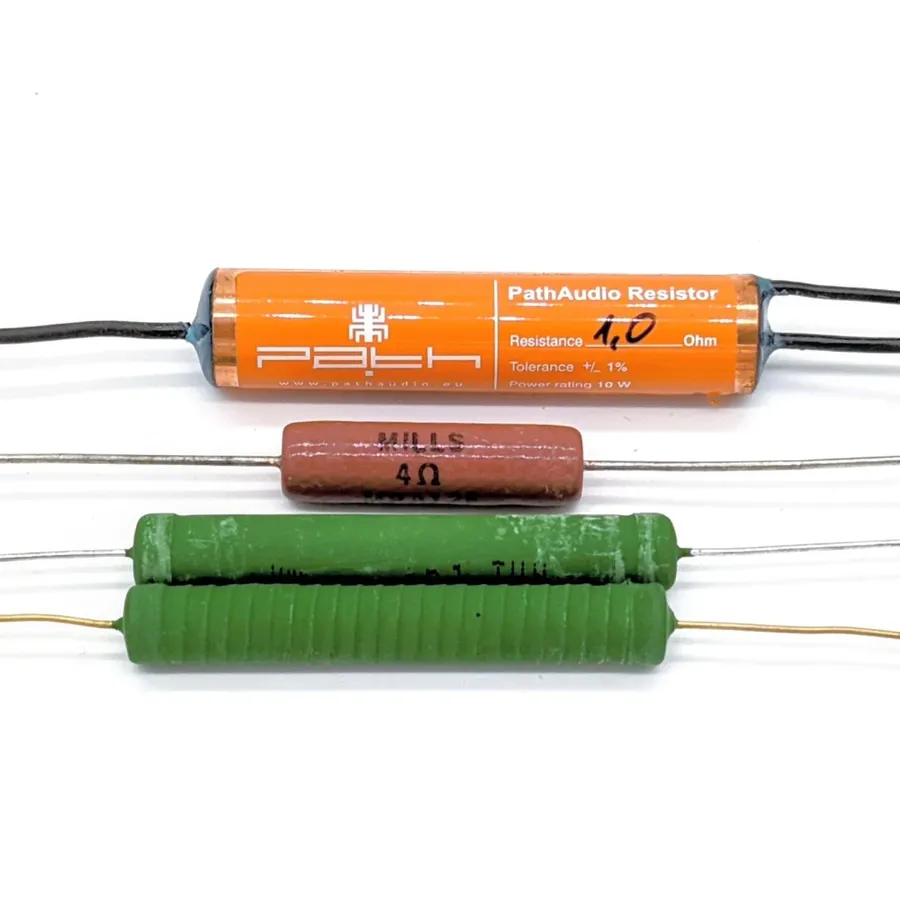
The 47k resistor plays a crucial role in various audio circuits, primarily for gain control, impedance matching, and signal conditioning. Its specific resistance value makes it well-suited for manipulating audio signals within desired ranges, ensuring optimal performance and clarity in audio systems. This section explores its applications in crystal radio and gain stages.
In crystal radio circuits, the 47k resistor can be instrumental in optimizing the audio output. Typically positioned at the earphone terminal or in the signal path leading to an amplifier, it influences both the level and clarity of the sound by presenting an appropriate load to the crystal detector and reducing impedance mismatches. This leads to a noticeable enhancement in signal strength and perceived audio quality.
Furthermore, the 47k resistor is a common component in amplifier gain stages. By being part of a feedback network or as part of a voltage divider, it helps shape the gain of the amplifier, which is a critical function for achieving the desired sound output. The resistor ensures that the amplification is both effective and stable. The correct choice of resistance value, like 47k, allows designers to finely control the amount of amplification, leading to more precise and better quality sound production.
| Application | Function | Benefits |
|---|---|---|
| Crystal Radio Circuits | Improves audio output at earphone terminals | Enhances signal strength and reduces impedance mismatch |
| Amplifier Gain Stages | Controls the gain of the amplifier | Provides stable and effective amplification |
| Voltage Dividers | Sets signal levels for specific circuit needs. | Ensures proper signal conditioning. |
In fire alarm systems, the 47k resistor serves a critical function as an End-of-Line (EOL) resistor, ensuring the continuous monitoring of circuit integrity. Unlike its role in signal processing, here it's about ensuring safety by maintaining a specific electrical signature in the alarm system.
The EOL resistor is placed at the end of a fire alarm circuit to allow the control panel to distinguish between a normal operating condition, an open circuit (e.g., a broken wire), and a short circuit (e.g., a fault). The 47k ohm value is commonly selected to provide an appropriate resistance level, ensuring the panel can accurately detect fault conditions without triggering false alarms.
The fundamental principle behind this application is based on Ohm's Law, where a specific current will flow through the circuit when the line is intact and the resistor is in place. Any deviation from this current due to a break or short will be immediately detected by the system’s control panel.
This section addresses common queries about 47k resistors, providing practical insights and essential information for working with these components effectively. We aim to clarify any confusion and provide precise answers to frequently asked questions.
Choosing the appropriate 47k resistor for a project is crucial for optimal circuit performance and reliability. This selection process involves considering various factors, including the resistor's power rating, tolerance, and film type. A mismatch can lead to circuit malfunction or even failure, therefore careful consideration is needed.
| Feature | Carbon Film Resistor | Metal Film Resistor |
|---|---|---|
| Power Rating | Typically lower, e.g., 1/8W, 1/4W | Typically higher, e.g., 1/4W, 1/2W, 1W and above |
| Tolerance | Higher tolerance, e.g., 5% or 10% | Lower tolerance, e.g., 1% or 2% |
| Temperature Coefficient | Higher temperature coefficient, resistance varies more with temperature | Lower temperature coefficient, resistance varies less with temperature |
| Stability | Less stable over time and operating conditions | More stable over time and operating conditions |
| Noise | Higher noise level, not ideal for high precision audio applications | Lower noise level, ideal for high precision audio applications |
| Cost | Lower cost | Higher cost |
| Applications | General-purpose applications, non-critical circuits | Precision circuits, audio equipment, sensor circuits |
When selecting a 47k resistor, remember to verify that its power rating exceeds the maximum power dissipation in the circuit. For example, if a 47k resistor is expected to dissipate 0.1W of power, a 1/4W or higher resistor would be an appropriate selection. In addition, where precision is paramount, opt for a metal film resistor. In applications with less critical requirements, and when cost is a factor, carbon film resistors can be utilized without significant compromises in most situations.
When working with 47k resistors, it's crucial to be able to identify and resolve common issues that can arise. These problems often manifest as deviations from the expected resistance value or complete circuit failures. This section will guide you through diagnosing and addressing such problems to maintain the integrity of your circuits.
When a 47k resistor fails, it is generally better to replace it with a new component of the same value, power rating, and tolerance. Attempting to repair a faulty resistor is often not practical or reliable. Ensure that the replacement is correctly soldered into the circuit and that no surrounding components are causing any issue.
The 47k resistor, despite its small size, plays a significant role in numerous electronic applications, from audio circuits to fire alarm systems, underscoring its importance in electrical engineering. Understanding the characteristics, applications, and color codes, and especially how a 47k resistor functions will equip you to handle a wide range of electronics projects and repairs. As electronics continues to evolve, the 47k resistor, much like a critical building block, will remain a vital element in many circuits, acting as a reliable component regulating electrical flow.

