In our modern world, where electrical power is the lifeblood of industry and technology, three-phase systems are essential, with the humble three-phase capacitor quietly ensuring smooth and efficient power delivery. Just as a balanced diet keeps our bodies healthy, these capacitors balance reactive power in electrical systems, preventing energy waste and improving overall performance. This article is your guide to understanding the crucial role of three-phase capacitors, from their operational principles to their selection, installation, and ongoing maintenance in different applications.
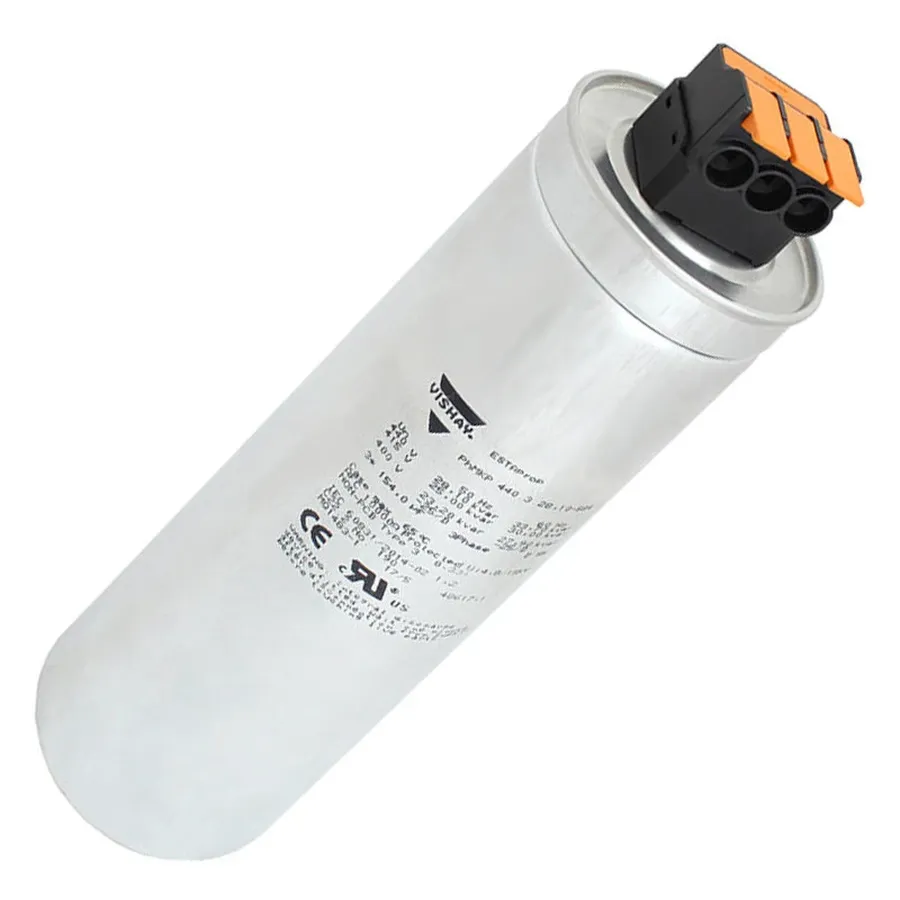
A three-phase capacitor is a crucial component in electrical power systems, designed to store electrical energy and release it as needed to improve power quality and efficiency, specifically within three-phase circuits. Unlike single-phase capacitors, which operate in circuits with a single alternating current (AC) waveform, three-phase capacitors are designed to handle the complex, three-phase AC power systems where three AC waveforms are simultaneously transmitted with a phase difference of 120 degrees, crucial for larger loads and industrial equipment.
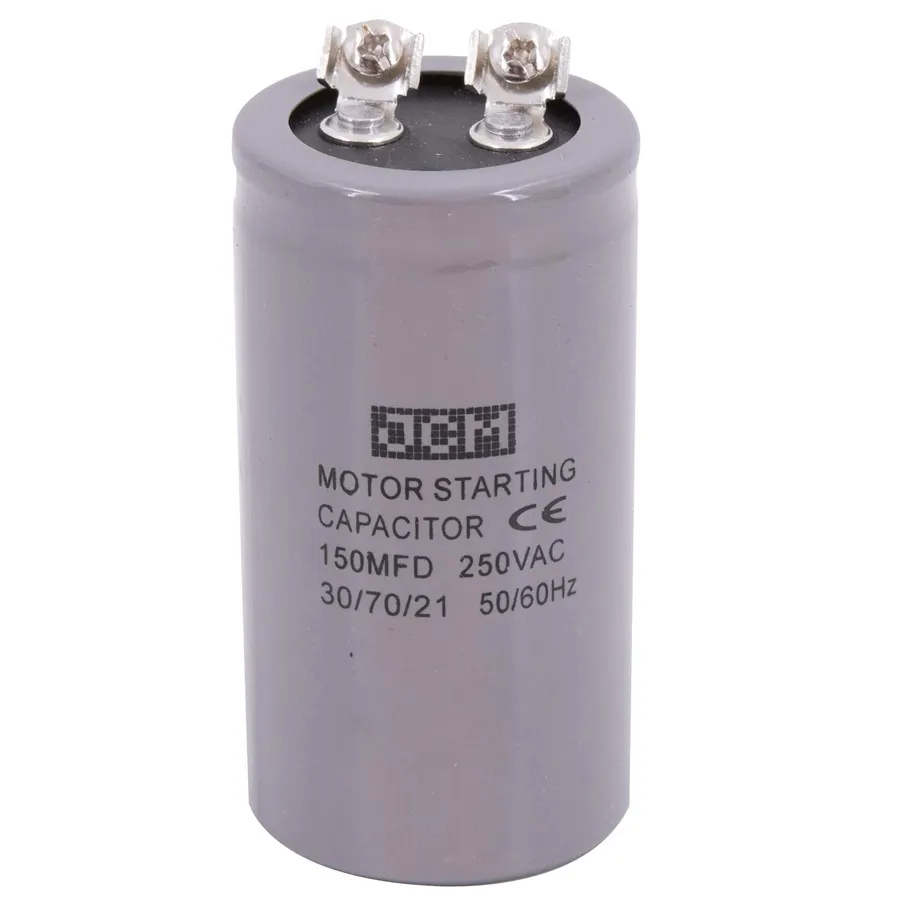
The fundamental difference lies in their application. Single-phase capacitors are primarily used in residential and small commercial applications, such as starting single-phase motors or improving power factor in small devices, while three-phase capacitors cater to high-power industrial machinery, commercial buildings, and power transmission systems. Functionally, both store energy electrostatically, but their design and construction vary considerably to accommodate the different voltage and current handling requirements of single-phase vs three-phase systems.
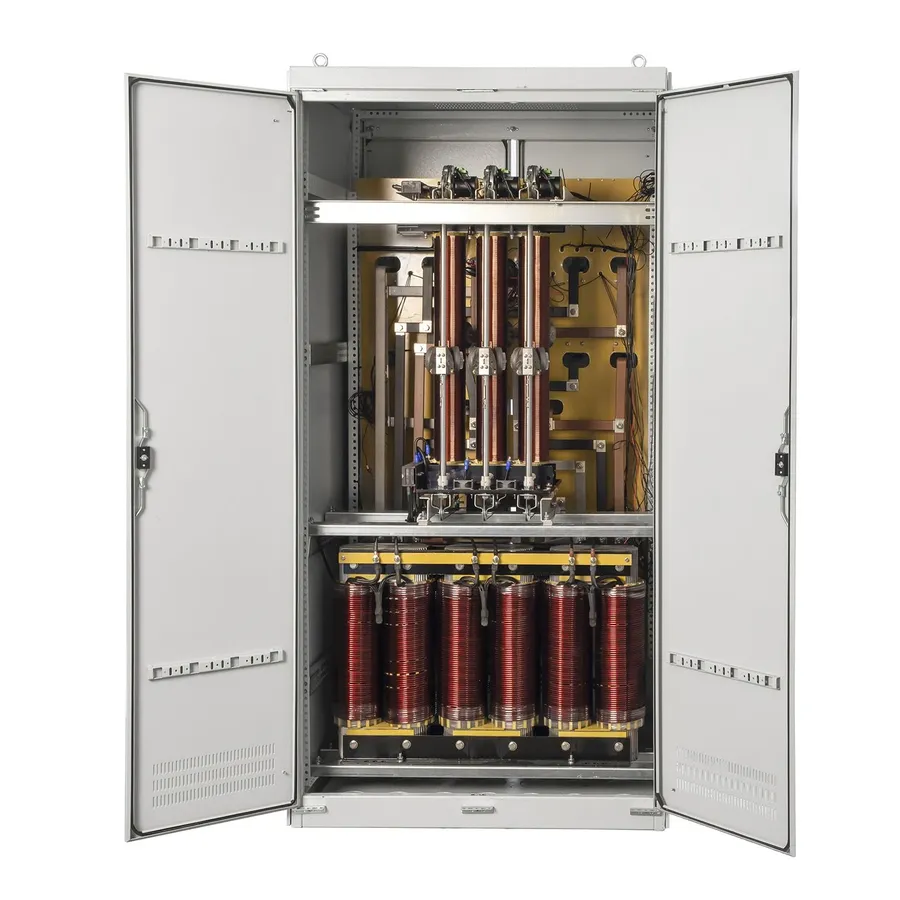
Three-phase capacitors are pivotal in enhancing power factor by mitigating reactive power within electrical systems. Reactive power, while necessary for the operation of inductive loads like motors and transformers, does not contribute to useful work and leads to inefficiencies. By supplying reactive power locally, three-phase capacitors reduce the burden on the power grid, resulting in lower energy consumption, decreased electricity bills, and enhanced overall system efficiency.
The introduction of three-phase capacitors into a system effectively reduces the phase angle between the voltage and current waveforms. This alignment is crucial, as a power factor of 1 (or 100%) represents perfect efficiency, where all supplied power is utilized for work. The closer the power factor is to 1, the more efficient the system, and the lower the stress on power grid infrastructure. Industrial and commercial environments, where large inductive loads are common, benefit most significantly from this technology.
| Benefit | Description |
|---|---|
| Reduced Reactive Power | Capacitors supply reactive power, decreasing the amount drawn from the grid. |
| Improved Power Factor | Closer alignment of voltage and current waveforms, increasing system efficiency. |
| Energy Savings | Lower energy consumption and reduced electricity bills due to less wasted power. |
| Reduced Transmission Losses | Decreased demand on the grid resulting in lower I²R losses in transmission lines. |
| Increased System Capacity | Frees up capacity in transformers and lines, allowing additional loads without infrastructure upgrades. |
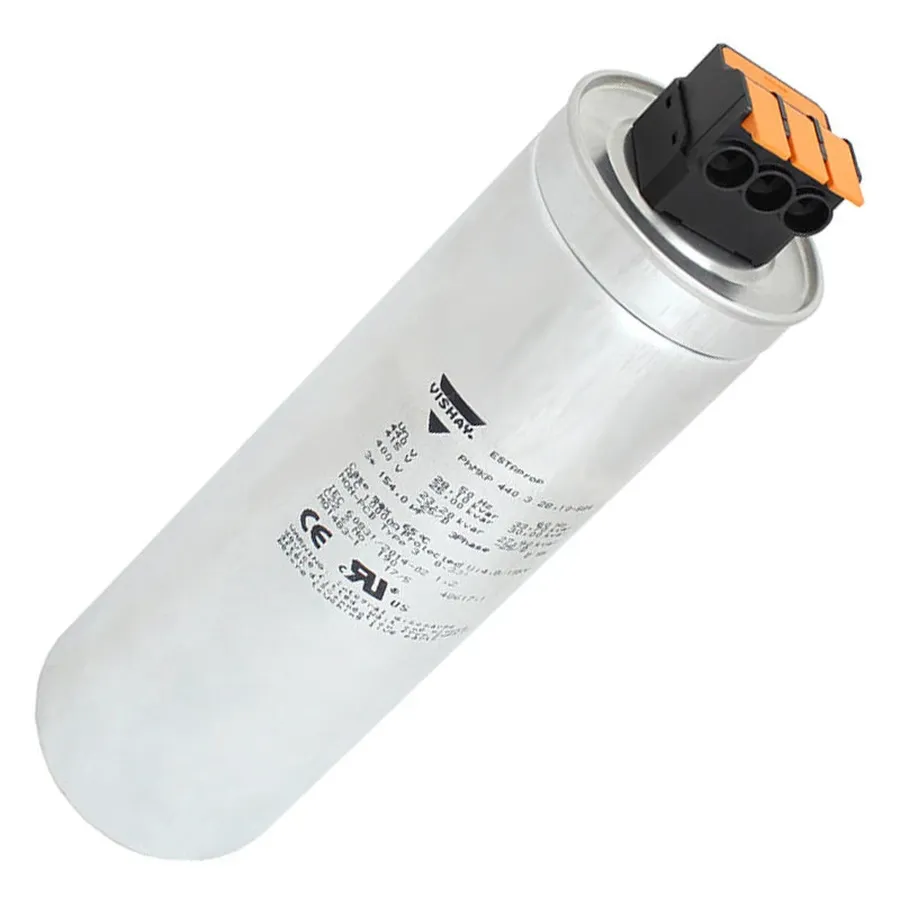
Three-phase capacitors are essential components in electrical systems, employed to enhance power quality and efficiency. These capacitors come in various designs, each tailored to specific applications and operational requirements. Understanding these different types is crucial for selecting the optimal capacitor for a given system.
The classification of three-phase capacitors often considers factors such as their dielectric material, construction method, and intended use. The core function remains consistent across types—providing capacitive reactance to compensate for inductive loads—but their physical characteristics and performance capabilities can differ significantly.
| Type | Construction | Features | Typical Applications |
|---|---|---|---|
| Oil-Impregnated Paper Capacitors | Consist of multiple layers of paper impregnated with insulating oil, housed in a metallic casing. | Robust, high surge withstand capability, good thermal stability. | Power factor correction in industrial plants, transmission and distribution systems, high voltage applications. |
| Metalized Film Capacitors | Utilize thin films of metalized plastic such as polypropylene or polyester. | Compact design, self-healing properties, low losses, dry type. | General power factor correction, motor starting, power electronics converters, and harmonic filtering. |
| Dry-Type Capacitors | Employ solid dielectric materials, avoiding liquid impregnants. | Environmentally friendly, no risk of oil leakage, typically lighter. | Indoor applications, where environmental factors are important, harmonic filtering in industrial and commercial settings. |
| Capacitor Banks | Multiple individual capacitor units are connected in series or parallel to achieve specific ratings and reactive power compensation needs. | Scalable, custom configurable, can achieve high kvar ratings. | Large industrial facilities, substations, and renewable energy plants for power factor correction. |
| Harmonic Filter Capacitors | Designed to attenuate specific harmonic frequencies, may include series reactors. | Reduced harmonics, improved power quality, prevention of resonance. | Power systems with high harmonic distortion from non-linear loads. |
Three-phase capacitors are integral components in a wide array of electrical systems, primarily aimed at enhancing power quality and system efficiency. Their ability to mitigate reactive power makes them indispensable in various industrial and power distribution applications. These capacitors facilitate improved energy utilization, reduced line losses, and enhanced overall system performance.
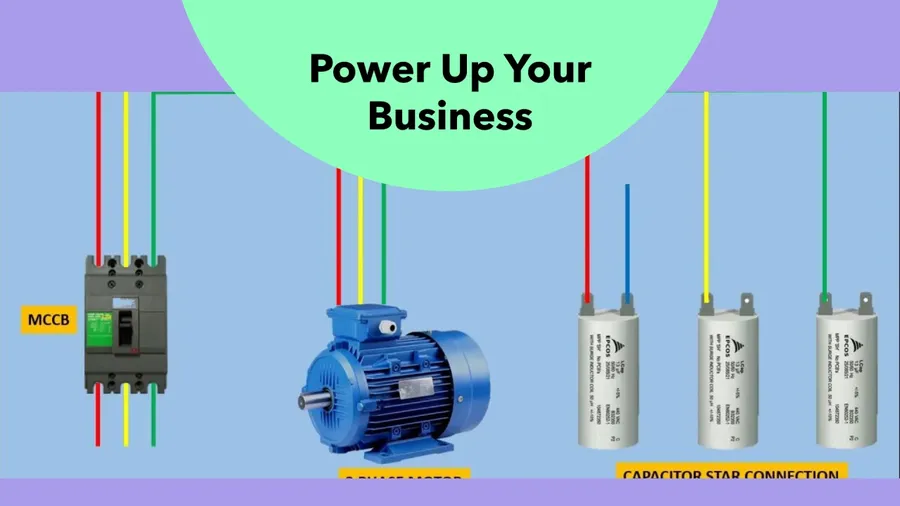
Selecting the appropriate three-phase capacitor is crucial for ensuring optimal performance and longevity within an electrical system. The selection process involves a careful analysis of several factors, primarily voltage requirements, reactive power compensation needs (kVAR rating), and the operating environment. An incorrect selection can lead to underperformance, premature failure, or even system damage. Therefore, a systematic evaluation of these key parameters is imperative.
| Factor | Description | Impact on Selection |
|---|---|---|
| Voltage Rating | The maximum sustained voltage the capacitor can withstand. Must match or exceed the system voltage. | Incorrect voltage rating can lead to capacitor failure or reduced lifespan. Overrating can increase cost. |
| kVAR Rating | The reactive power compensation capacity of the capacitor. Determined by the system's reactive power needs. | Insufficient kVAR rating will not adequately correct the power factor. Excessive rating can result in overcorrection, leading to potential issues. |
| Environmental Conditions | Factors like temperature, humidity, and altitude that can affect capacitor performance and lifespan. | Capacitors must be chosen with suitable ratings for the operating temperature range and other environmental stresses. Derating factors may apply in harsh conditions. |
| Operating Frequency | The electrical frequency the capacitor will operate at, typically 50Hz or 60Hz. | Capacitors are usually designed for a specific frequency. Operating at a different frequency can lead to performance issues and potential damage. |
| Discharge Requirements | The method and time required for the capacitor to discharge safely after being disconnected | Discharge mechanisms and the time required are important to consider to avoid potential electric shock |
| Standards Compliance | Adherence to relevant safety and performance standards. | Compliance ensures the capacitor meets minimum safety and quality criteria and is compatible with system standards. |
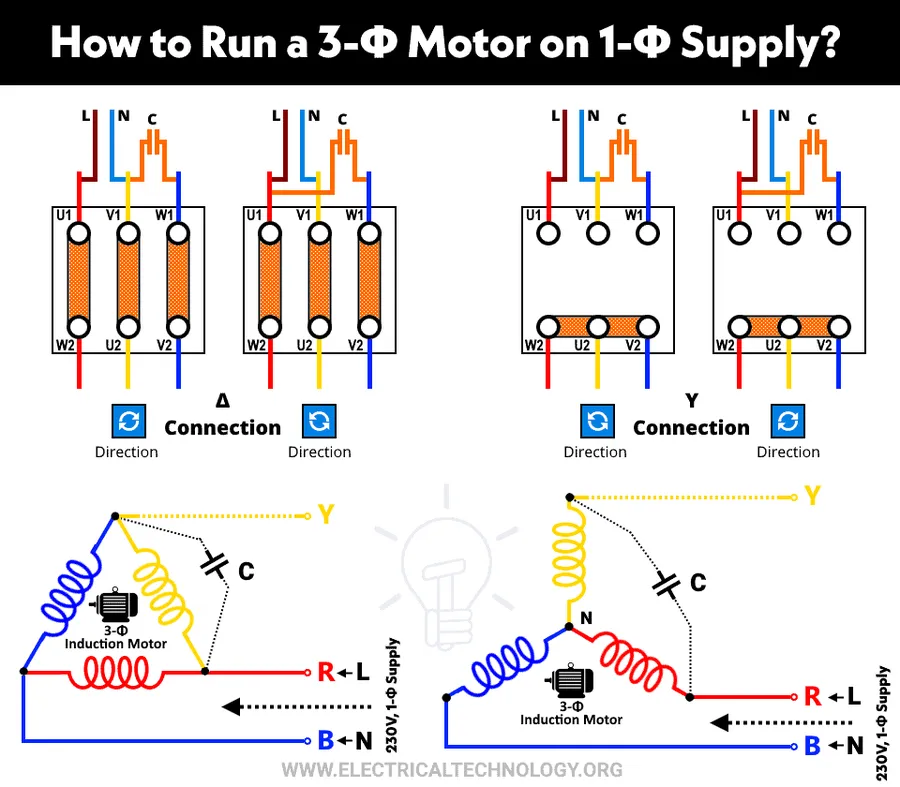
Three-phase capacitors are integrated into electrical systems using specific connection methodologies, primarily delta (Δ) and star (Y) configurations. These connection choices directly impact the capacitor's voltage and current characteristics, subsequently influencing overall system performance, power factor correction, and harmonic management.
| Connection Type | Voltage Characteristics | Current Characteristics | Applications | Advantages | Disadvantages |
|---|---|---|---|---|---|
| Delta (Δ) | Capacitor voltage equals line-to-line voltage. | Capacitor current is 1/√3 of the line current. | High voltage systems; individual capacitor banks; where lower currents are desired in each branch. | Higher reactive power per unit of capacitance, potentially fewer units needed, better compensation at higher voltage. | Higher voltage stress on the capacitor elements; higher current per unit of capacitance, may require larger conductor size. |
| Star (Y) | Capacitor voltage equals line-to-neutral voltage (line-to-line voltage divided by √3). | Capacitor current is equal to the line current. | Low and medium voltage systems; harmonic filtering; where higher currents per branch are desired. | Lower voltage stress on the capacitor elements; lower current per unit of capacitance, smaller conductor sizes possible. | Lower reactive power per unit of capacitance; potentially more units are needed; lower compensation at higher voltage. |
Ensuring the safe operation of three-phase capacitors is paramount in any electrical system. These devices, while crucial for power factor correction, can pose safety risks if not properly protected. This section details the essential safety measures and protection mechanisms necessary for three-phase capacitor installations.
This section addresses common inquiries regarding three-phase capacitors, offering practical insights into their operation, maintenance, and troubleshooting. The goal is to provide clear, concise answers to assist engineers and technicians in their daily work.
Three-phase capacitors offer significant benefits in electrical power systems, primarily by improving power factor and reducing energy costs. However, they also present certain drawbacks that must be carefully considered during system design and implementation. This section provides a balanced analysis of these advantages and disadvantages.
| Aspect | Advantages | Disadvantages |
|---|---|---|
| Power Factor Correction | Significantly improves power factor, reducing reactive power and minimizing energy waste. | Improper sizing or placement can lead to overcompensation and voltage issues. |
| Energy Efficiency | Leads to reduced energy consumption and lower electricity bills, especially in industrial facilities with inductive loads. | Capital cost of installation may be significant for smaller systems. |
| System Stability | Enhances voltage stability, improves equipment performance and extends the lifespan of electrical devices. | Can be susceptible to harmonic distortion, requiring additional mitigation measures. |
| Equipment Capacity | Reduces the load on power supply equipment, potentially increasing system capacity and deferring infrastructure upgrades. | May require ongoing maintenance and periodic replacement. |
| Cost-Effectiveness | Cost-effective solution for improving power quality, with a return on investment through reduced energy consumption. | Can be affected by fluctuating energy prices. |
| Environmental Benefits | Contributes to reduced greenhouse gas emissions through efficient energy utilization. | Disposal of old capacitors can pose environmental concerns if not handled properly. |
| System Performance | Reduces line losses and improves the overall performance of the power distribution system. | Requires careful planning and implementation to integrate into an existing power system effectively. |
Three-phase capacitors are indispensable for maintaining healthy electrical systems, enhancing power factor, minimizing energy wastage and improving equipment longevity. From the factory floors to renewable energy farms, these components play a crucial role. While specific applications demand careful selection and connection, the overall benefits of three-phase capacitors, such as optimized power delivery and stability are clear. Understanding their operation and maintenance is essential for engineers and facility managers alike, ensuring efficient and dependable power for a more sustainable future.

