In our fast-paced digital world, precision is key, and crystal oscillators are the unsung heroes that make it all tick. From your smartphone to the most advanced scientific equipment, these tiny components ensure accurate timing and frequency stability. Imagine a world without synchronized signals – chaos would reign! This article will explore the fascinating science behind crystal oscillators, their working principles, and their diverse applications, connecting their significance in technology with their impact in daily life.
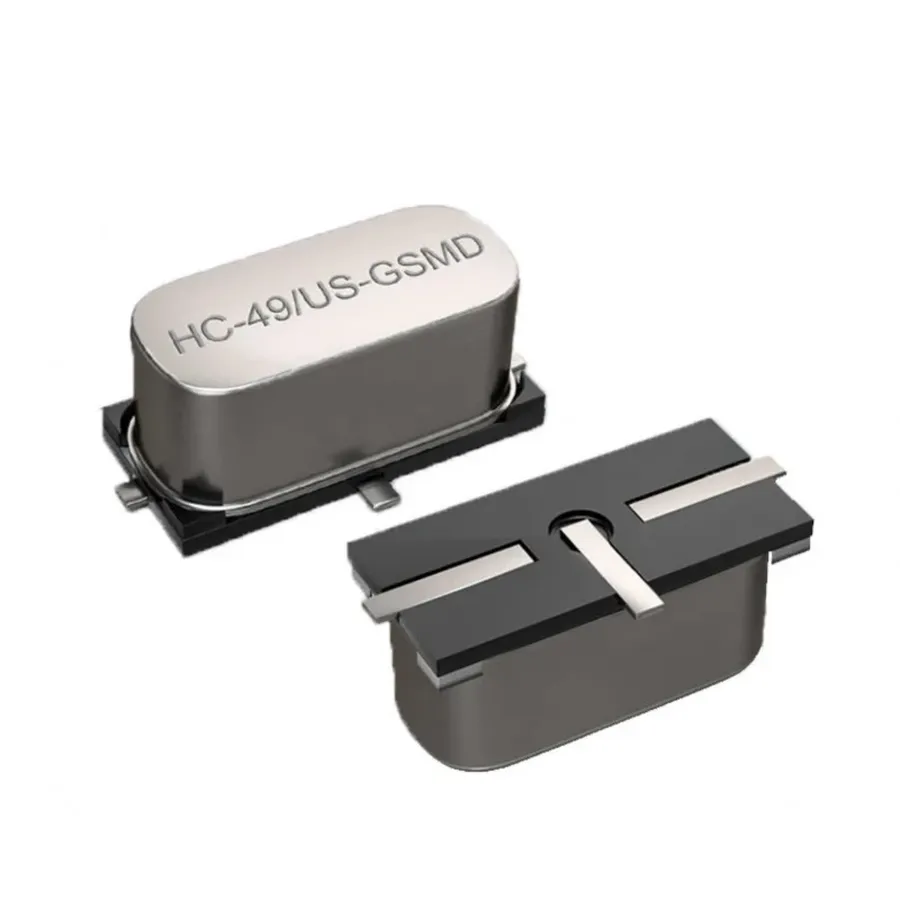
A crystal oscillator is an electronic circuit that utilizes the mechanical resonance of a vibrating crystal of piezoelectric material to create an electrical signal with a highly precise frequency. This precisely generated frequency serves as a foundational timing reference in numerous electronic devices, from the simplest timekeeping circuits to the complex synchronization of digital systems.
At its core, a crystal oscillator leverages the unique properties of certain materials, typically quartz, which exhibit the piezoelectric effect. This effect allows for the conversion of mechanical stress into electrical energy, and conversely, electrical energy into mechanical deformation. This reciprocal relationship is critical to the operation of these devices.
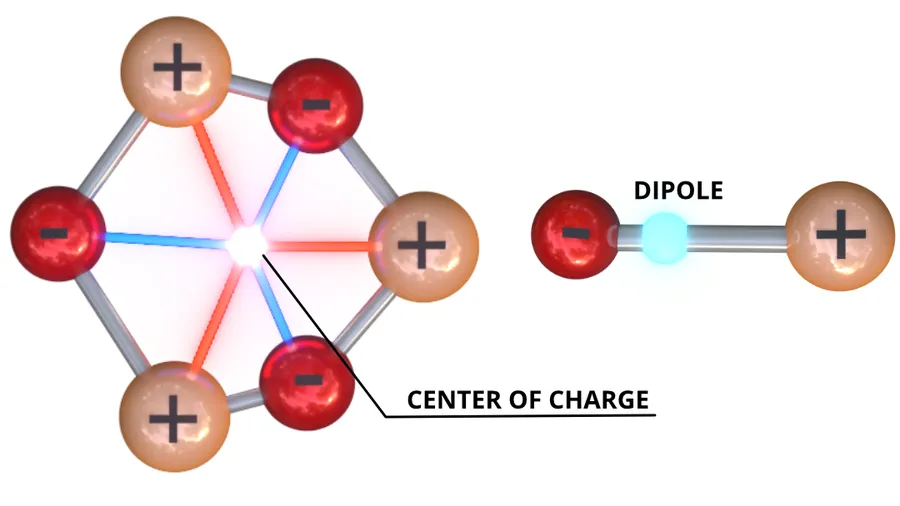
The remarkable precision of crystal oscillators stems from the piezoelectric effect, a fundamental physical phenomenon where certain materials generate an electrical charge in response to applied mechanical stress, and conversely, deform mechanically when subjected to an electrical field. This bidirectional energy conversion forms the basis of crystal oscillation.
Specifically, within a crystal oscillator, a quartz crystal (most commonly) is cut into a precise shape and size, enabling it to vibrate at a specific resonant frequency when an electrical signal is applied. Conversely, mechanical stress on the crystal due to its vibration produces an electrical signal. This coupled electromechanical behavior enables the crystal to maintain a stable and precise oscillation.
The frequency of oscillation is primarily determined by the crystal's physical dimensions, and this natural frequency makes crystal oscillators extremely stable, providing a reliable timing reference for a wide variety of electronic applications.
The piezoelectric effect is characterized by a linear relationship between mechanical stress (T) and electric field (E) or electric displacement (D) in the material. This relationship can be mathematically expressed as: D = dT + εE, where d is the piezoelectric coefficient and ε is the permittivity. Similarly, the mechanical strain (S) can be related to stress and electric field: S = sT + dE, where s is the mechanical compliance. These equations show the energy conversion mechanism. The piezoelectric material itself can also be considered as an equivalent electric circuit. The motional parameters of this model can be computed from the material parameters and the physical dimensions of the piezoelectric resonator. These equations quantify the precision of the device.
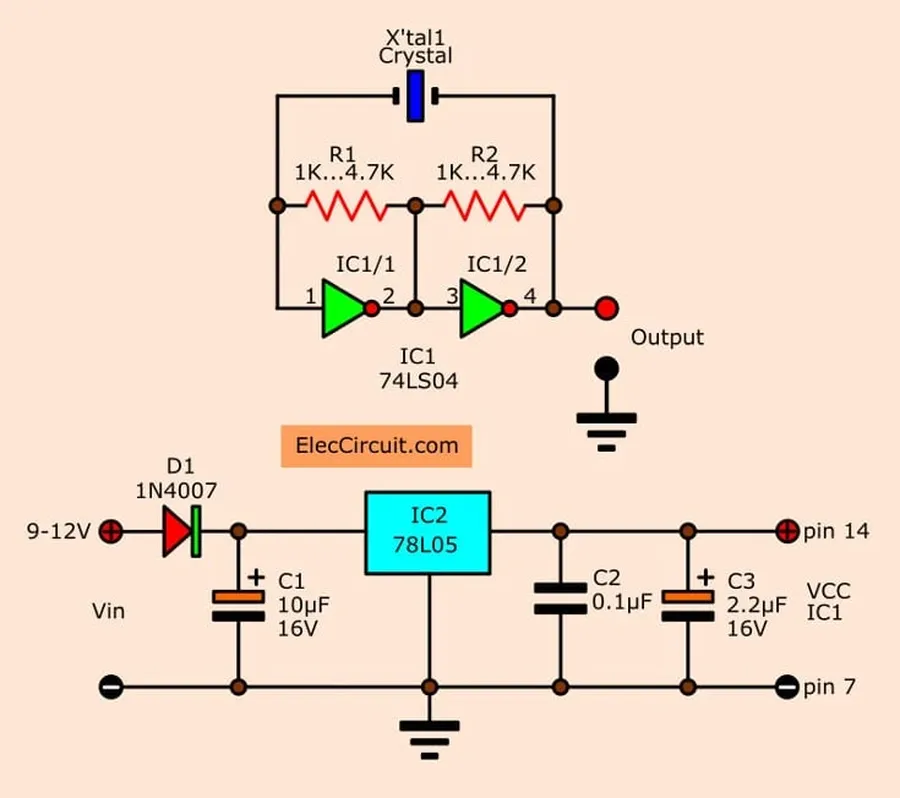
A crystal oscillator circuit leverages the unique properties of a piezoelectric crystal to generate a stable, precise oscillating electrical signal. The core principle involves resonating the crystal at its natural mechanical frequency within an electronic circuit, using a combination of carefully chosen components to initiate and sustain oscillations.
The typical circuit design involves a crystal unit, capacitors, and an active amplifying element, usually a transistor or a logic gate. The crystal, a quartz crystal for example, is placed in a feedback loop of the amplifier. The crystal acts as a high-Q resonant circuit, providing a very sharp resonance at its fundamental frequency and any harmonic frequencies.
Here's a breakdown of how this circuit operates:
The amplifier ensures the gain around the feedback loop exceeds unity and provides the necessary energy to compensate for the losses in the circuit and maintain the oscillation. The crystal's inherent high Q-factor and stability is the key to ensuring very accurate timing within the circuit.
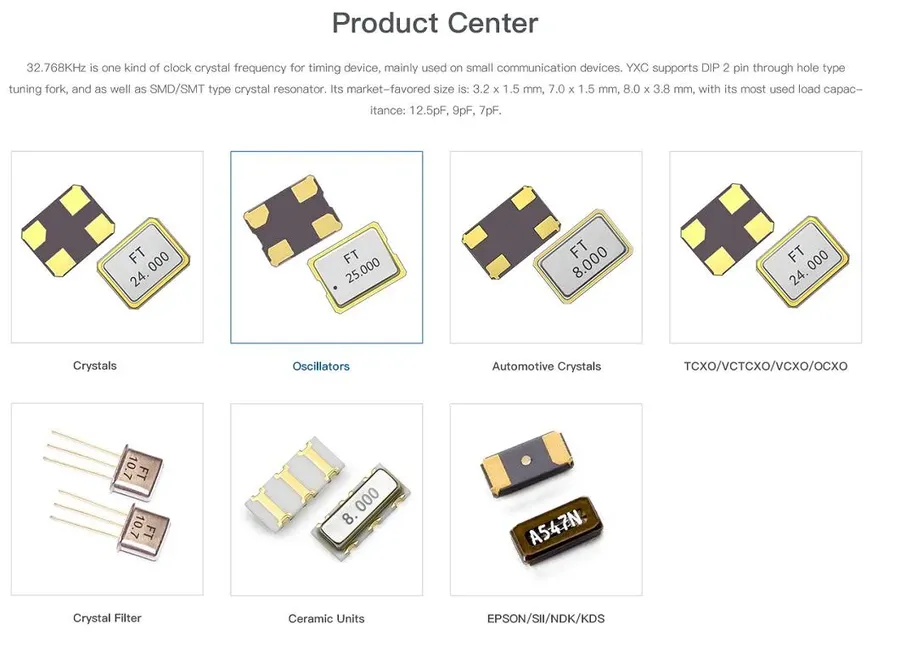
Crystal oscillators are not monolithic; several circuit configurations leverage the piezoelectric properties of crystals to produce stable oscillations. These configurations, each with unique characteristics, cater to a range of applications. Understanding their differences is crucial for selecting the optimal oscillator for a specific design.
| Oscillator Type | Circuit Configuration | Advantages | Disadvantages | Common Applications |
|---|---|---|---|---|
| Pierce Oscillator | Simple circuit with a crystal and two capacitors in a feedback loop. It is generally driven by an inverter. | Simplicity, low component count, reliable starting, cost-effective. | Lower stability with higher capacitance, less tuning flexibility. | General-purpose timing, microcontrollers, basic clocks. |
| Colpitts Oscillator | Uses a capacitive voltage divider in the feedback network. | Stable frequency, lower harmonic content, can operate at higher frequencies. | Requires more components, less robust starting, less frequency tuning capability than Clapp. | RF signal generation, high-frequency applications, radio receivers, and transmitters. |
| Hartley Oscillator | Uses an inductive voltage divider in the feedback network. | Relatively simple design, wide frequency range. | Less stable than Colpitts or Pierce. Output has higher harmonic content, more susceptible to temperature and load variations. | RF applications where precise frequency is less critical. |
| Clapp Oscillator | Variation of Colpitts with an added capacitor in series with the crystal. | Very high frequency stability, excellent temperature compensation, precise frequency control. | Complex, requires precise component values, slightly more expensive. | High-precision timing, critical frequency applications. |
Crystal oscillator performance is dictated by several critical specifications, primarily frequency, stability, and tolerance. These characteristics determine the oscillator's suitability for specific applications, with tighter specifications generally commanding higher costs but delivering superior performance.
| Specification | Description | Impact on Performance |
|---|---|---|
| Frequency | The nominal oscillation rate of the crystal, typically measured in Hertz (Hz). | Determines the clock speed of digital circuits and the carrier frequency of communication systems. |
| Frequency Tolerance | The allowable deviation from the nominal frequency at room temperature, often expressed in parts per million (PPM). | Indicates the initial accuracy of the oscillator's frequency. Lower PPM values represent a higher accuracy. |
| Temperature Stability | The maximum frequency variation over a specified operating temperature range, commonly expressed in PPM. | Critically impacts performance in environments with temperature variations. Lower PPM values indicate better stability. |
| Aging | The gradual change in frequency over time, due to crystal degradation. | Long-term drift affects the system's reliability and accuracy. Lower aging rates are preferred for critical applications. |
The selection of a crystal oscillator must align with the specific application’s demands. For instance, time-keeping devices require exceptional frequency stability and low aging rates. Conversely, less stringent applications might tolerate wider tolerances and less precise specifications, which can reduce costs.
Benefits of tighter specifications include improved system accuracy, reliability, and reduced need for recalibration, which ultimately leads to enhanced product performance.
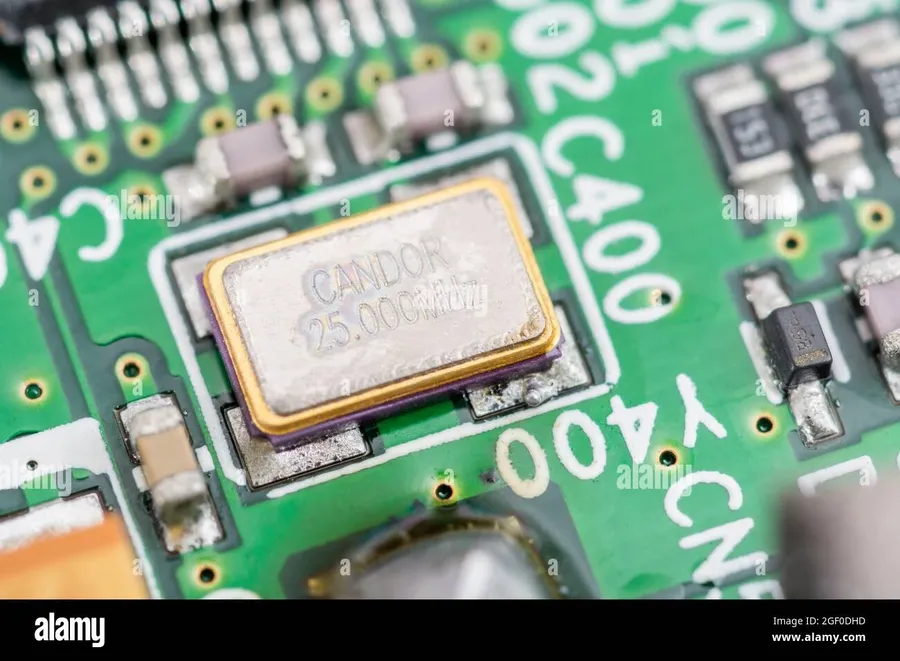
Crystal oscillators, with their high accuracy and stability, are indispensable components in a vast array of electronic devices and systems. Their precise timing signals underpin critical operations across diverse fields. The specific application of a crystal oscillator is heavily dependent on its frequency, stability and size. Here, we explore some of the key areas where these devices are utilized.
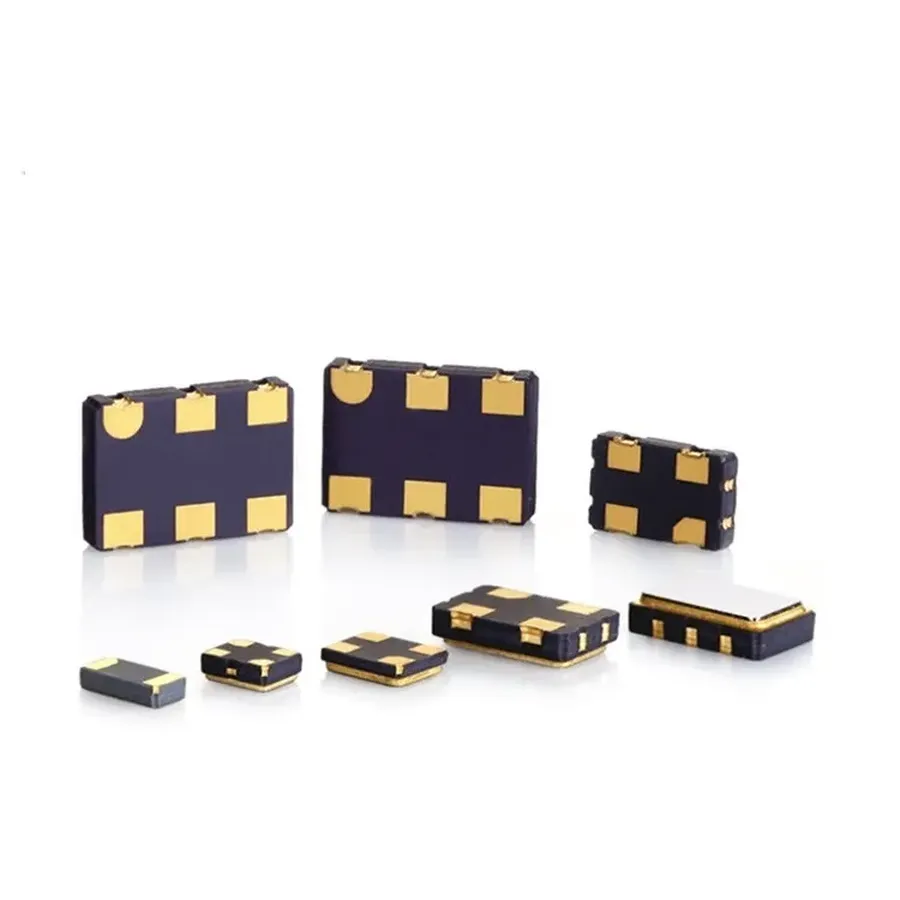
Crystal oscillators, while offering exceptional frequency stability, are not the only solution for timing in electronic circuits. This section provides a comparative analysis with RC oscillators and MEMS oscillators, highlighting their respective advantages and disadvantages in terms of stability, cost, and application suitability.
| Feature | Crystal Oscillator | RC Oscillator | MEMS Oscillator |
|---|---|---|---|
| Frequency Stability | Excellent (ppm range) | Poor (percentage range) | Good (low ppm range) |
| Accuracy | Very High | Low | Medium to High |
| Cost | Moderate | Low | Moderate to High |
| Temperature Sensitivity | Low | High | Low to Moderate |
| Size | Moderate | Small | Small |
| Power Consumption | Moderate | Low to Moderate | Low |
| Start-up time | Moderate | Fast | Fast |
| Typical Applications | Microprocessors, Communication Systems, Precise Timekeeping | Simple Timers, Basic Circuits, Non-critical timing | Wearable electronics, IoT, Consumer electronics |
| Aging Effects | Very Low | High | Low |
RC oscillators, based on a resistor and capacitor, offer the lowest cost and simplest implementation, but they suffer from poor frequency stability and accuracy, making them unsuitable for applications requiring precise timing. MEMS oscillators, fabricated using microelectromechanical systems technology, provide a good balance between stability, size, and cost, although their stability is generally inferior to that of crystal oscillators. The choice among these depends critically on the demands of the particular application.
This section addresses common questions regarding crystal oscillators, providing clear and concise answers to enhance understanding of their function, usage, and relevance in modern electronics. The answers aim to clarify any confusion or knowledge gaps a user might have concerning crystal oscillators.
The field of crystal oscillator technology is continuously evolving, driven by demands for increased performance, miniaturization, and integration into increasingly complex systems. This section examines current and future trends, focusing on how these advancements will impact various applications.
Several key areas are currently at the forefront of crystal oscillator research and development:
Looking ahead, we can expect to see crystal oscillator technology continue to adapt and advance to meet the ever-evolving needs of the electronics industry. The trend towards smaller, more integrated, and higher-performing devices will drive further innovation in crystal materials, fabrication techniques, and circuit design, ensuring crystal oscillators remain a cornerstone of electronic timing systems for the foreseeable future.
In conclusion, crystal oscillators are fundamental components in modern electronic systems, providing unparalleled precision and stability in timing applications. From the simplest clock to the most complex communication system, their role cannot be overstated. Understanding their functionality, types, and specifications allows us to appreciate the subtle but significant role they play in our everyday lives. As technology continues to advance, so too will the development of crystal oscillators, ensuring even greater precision and reliability in the future. Crystal oscillators' enduring significance underscores the elegance of applied physics in the world around us.

