In an era defined by the urgent need for sustainable energy solutions, the integration of wind, solar, and energy storage systems has emerged as a pivotal strategy. At the heart of these complex systems lies the Printed Circuit Board (PCB), the unsung hero responsible for seamlessly connecting and controlling the flow of energy. Zero One Solution Limited, with its decade-long expertise in PCB solutions and rapid prototyping, stands at the forefront of this green revolution, providing cutting-edge PCB solutions tailored for wind-solar-storage integrated systems. But what makes a PCB solution truly effective for these applications? How can it optimize performance, ensure reliability, and contribute to a more sustainable future? This article delves into the intricacies of Wind-Solar-Storage Integrated PCB Solutions, highlighting the crucial role they play in powering a cleaner, more efficient world. We'll explore the design considerations, manufacturing challenges, and innovative approaches that Zero One Solution Limited brings to the table, empowering you to accelerate your product development and bring groundbreaking renewable energy solutions to market.
Wind-solar-storage integrated systems represent a pivotal advancement in renewable energy, harmonizing the intermittent nature of wind and solar power with robust energy storage to ensure a consistent, reliable, and sustainable energy supply. These sophisticated systems optimize energy generation and consumption, enhancing grid stability, reducing reliance on fossil fuels, and mitigating climate change impacts. At the heart of their seamless operation and efficient power management are printed circuit boards (PCBs), acting as the central nervous system for controlling, monitoring, and distributing power within these complex installations.
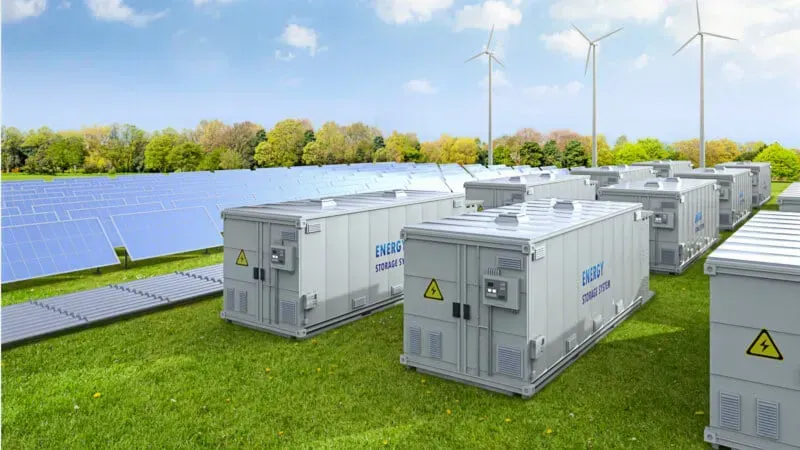
Designing Printed Circuit Boards (PCBs) for wind-solar-storage integrated systems demands a meticulous approach, considering the unique and often demanding operational environments of renewable energy applications. Unlike conventional electronics, these PCBs must reliably manage fluctuating power inputs, withstand extreme temperatures, and ensure the integrity of critical data signals over extended lifespans. Achieving optimal performance and long-term durability in such systems hinges on carefully addressing specific design considerations that encompass power management, thermal dissipation, and signal integrity.
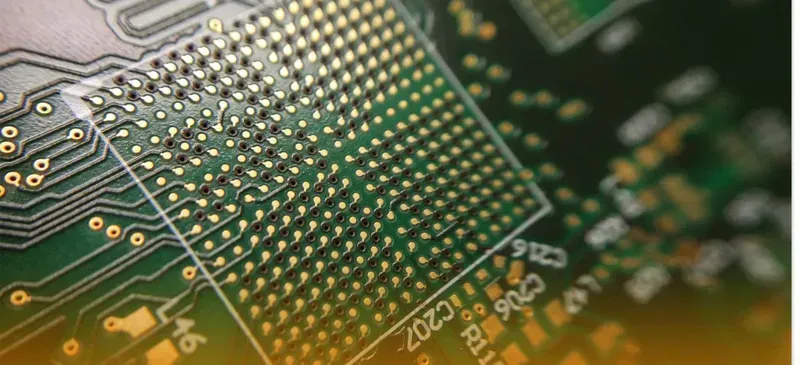
The long-term performance and reliability of Wind-Solar-Storage Integrated PCB Solutions are fundamentally reliant on the meticulous selection of materials. These systems operate in diverse and often harsh environmental conditions, from extreme temperatures and humidity to mechanical stresses, demanding PCB substrates and components that can maintain integrity and optimal functionality over extended periods. Opting for the right materials is paramount to preventing premature failures, ensuring efficient energy transfer, and maximizing the operational lifespan of renewable energy infrastructure.
| Material Type | Key Properties | Application in Wind-Solar-Storage PCBs | Advantages | Disadvantages |
|---|---|---|---|---|
| FR-4 (Standard Glass Epoxy) | Cost-effective, good electrical insulation, mechanical strength | Control circuits, low-power conversion modules | Wide availability, mature manufacturing processes | Limited thermal performance, susceptible to moisture ingress over time |
| High-Tg FR-4 (High Glass Transition Temperature) | Enhanced thermal stability, improved dimensional stability at high temperatures | Power conversion units, inverter boards, battery management systems | Better performance in high-heat environments, increased reliability | Higher cost than standard FR-4 |
| Polyimide | Excellent thermal resistance, high dielectric strength, good flexibility (for flex PCBs) | Flexible interconnects, high-temperature sensors, power module interfaces | Exceptional thermal stability, chemical resistance, suitable for harsh environments | Higher cost, more complex processing |
| Ceramic (Alumina, Aluminum Nitride) | Superior thermal conductivity, high dielectric constant, excellent dimensional stability | High-power modules, LED drivers, concentrated solar power electronics | Excellent heat dissipation, very stable under extreme conditions | Brittle, high cost, limited board size |
| BT Resin (Bismaleimide Triazine) | High thermal resistance, low dielectric loss, good dimensional stability | High-frequency circuits, critical power management, communication modules | Ideal for high-frequency and high-temperature applications, good signal integrity | Higher cost than FR-4, less common |
| PTFE (Polytetrafluoroethylene) | Very low dielectric constant and loss tangent, excellent chemical resistance | RF front-ends, antenna systems, high-frequency signal processing | Superior high-frequency performance, moisture proof | High cost, poor mechanical stability, difficult to process |
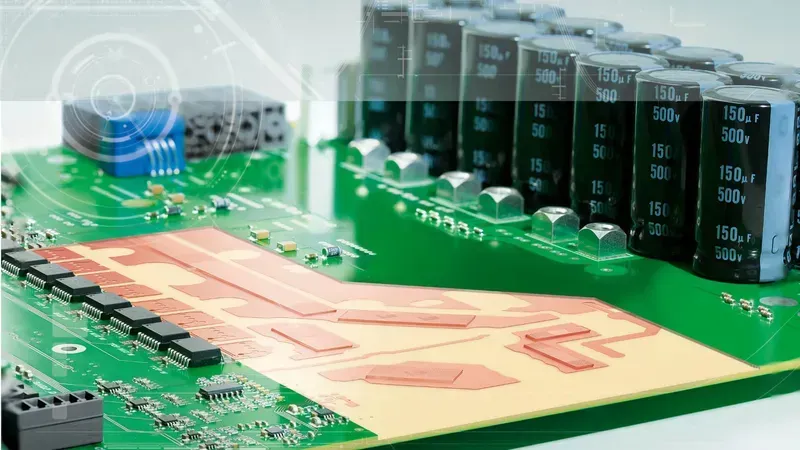
Manufacturing Printed Circuit Boards (PCBs) for wind-solar-storage integrated systems presents unique challenges, primarily due to the demanding operational environments, high-power requirements, and the need for unwavering reliability. These systems often require PCBs capable of handling significant current loads, dissipating heat efficiently, and maintaining signal integrity in electrically noisy conditions, making standard manufacturing processes insufficient. Zero One Solution Limited addresses these complexities with specialized processes and advanced technologies, ensuring the delivery of robust and high-performance PCB solutions essential for the stability and efficiency of renewable energy infrastructure.
| Challenge | Description | Zero One Solution Limited's Solution |
|---|---|---|
| High Power Density & Current Handling | PCBs must accommodate high current flows from power conversion and distribution, leading to heat generation and potential trace failures if not designed and manufactured correctly. | Utilizes thicker copper traces (up to 6oz), advanced thermal management materials, and optimized power plane designs to handle extreme current loads and dissipate heat effectively, preventing hotspots and ensuring long-term reliability. We employ sophisticated thermal simulation tools during design to predict and mitigate thermal issues proactively, ensuring optimal component performance and longevity. Our manufacturing capabilities include specialized plating and etching processes for precise control over copper thickness and trace geometries, which are critical for high-current applications. This precision minimizes resistance and heat generation, which in turn enhances the overall efficiency and lifespan of the PCB and the integrated system it serves. Furthermore, we implement robust quality control measures, including electrical testing and thermal imaging, to verify the integrity and performance of every high-power PCB. This meticulous approach guarantees that our PCBs meet the stringent demands of wind-solar-storage systems, where reliability under high load is paramount. Our commitment to using advanced materials and processes, combined with rigorous testing, provides a superior foundation for power management within renewable energy solutions, making us a trusted partner in the development of resilient and efficient energy infrastructures. By continuously investing in research and development, we stay at the forefront of PCB technology, enabling us to tackle even the most demanding power requirements with innovative and reliable solutions. Our expertise extends to designing and manufacturing PCBs that can withstand continuous operation at high temperatures, which is a common scenario in wind and solar installations. This includes the selection of high-Tg (Glass Transition Temperature) laminates that maintain their structural integrity and electrical properties under extreme thermal stress. We also employ advanced bonding techniques to ensure secure component attachment and robust interconnects, minimizing the risk of solder joint fatigue or delamination over the operational lifespan of the system. Our manufacturing lines are equipped with precision pick-and-place machines and reflow ovens that are calibrated for optimal thermal profiles, ensuring consistent and reliable soldering of all components, especially those handling high power. This meticulous attention to detail during the assembly process further contributes to the overall durability and performance of our PCBs in demanding renewable energy environments. We also offer comprehensive testing services, including functional testing under simulated operational conditions, to validate the performance of the PCB and ensure it meets all specified power handling and thermal dissipation requirements. This holistic approach from design to manufacturing and testing guarantees that our high-power PCBs are not just built to spec, but built to excel in the field. Our collaboration with material suppliers ensures access to the latest innovations in high-performance copper foils and laminates, allowing us to push the boundaries of what's possible in high-current PCB design. We understand that the efficiency of a wind-solar-storage system directly correlates with the efficiency of its underlying electronics, and our high-power PCBs are engineered to minimize energy loss and maximize system performance. This dedication to excellence in every stage of the manufacturing process solidifies our position as a leader in providing advanced PCB solutions for the renewable energy sector. By focusing on both design optimization and manufacturing precision, we deliver PCBs that are not only capable of handling high currents but also contribute to the overall efficiency and reliability of the integrated system. Our continuous improvement philosophy drives us to explore new materials and techniques that further enhance power handling capabilities and thermal performance, ensuring our clients receive the most advanced and dependable PCB solutions available. The ability to integrate these high-power PCBs seamlessly into complex renewable energy systems is a testament to our engineering prowess and commitment to customer success. We work closely with our clients to understand their specific power requirements and environmental conditions, tailoring our solutions to meet their unique needs. This bespoke approach ensures that each PCB we produce is optimized for its intended application, providing superior performance and longevity in the field. Our comprehensive testing procedures, including destructive physical analysis (DPA) and highly accelerated life testing (HALT), further validate the robustness and reliability of our high-power PCBs. These rigorous tests ensure that our products can withstand the most demanding operational stresses, providing peace of mind for our clients in the renewable energy sector. By leveraging our deep expertise in power electronics and advanced manufacturing processes, we deliver high-power PCBs that are not just components but critical enablers of efficient and sustainable energy solutions. Our dedication to innovation and quality ensures that we remain at the forefront of high-power PCB technology, supporting the global transition to renewable energy. |
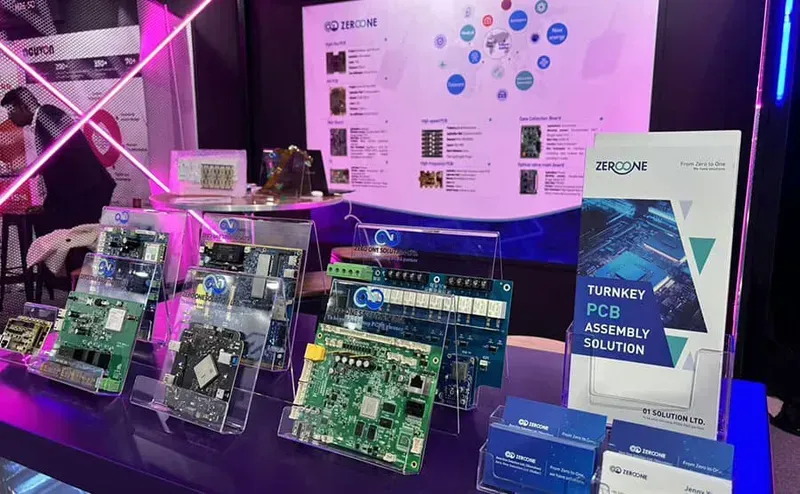
Zero One Solution Limited stands at the forefront of providing specialized PCB solutions tailored for the dynamic and demanding renewable energy sector, particularly in wind, solar, and integrated storage applications. Our deep understanding of the unique challenges in these fields, coupled with our agility in rapid prototyping and comprehensive one-stop services, positions us as an indispensable partner for accelerating innovation in green technology.
| Key Service Area | Zero One Solution's Advantage | Benefit for Renewable Energy PCBs |
|---|---|---|
| PCB Design & Layout | Expertise in high-power, high-frequency, and thermal management for complex layouts. | Ensures optimal performance and longevity for power conversion and control units in wind-solar systems. |
| Advanced Material Sourcing | Global network for specialized laminates, copper weights, and finishes. | Provides enhanced durability and thermal dissipation, crucial for outdoor and high-stress environments. |
| High-Precision Manufacturing | State-of-the-art facilities and stringent quality control protocols. | Delivers consistent, reliable PCBs capable of withstanding extreme temperatures and vibrations in renewable energy installations. |
Our strategic presence in Shenzhen, China's electronic manufacturing hub, and our Dubai branch office, ensures a globally responsive supply chain. This network provides unparalleled access to resources and support, reinforcing our commitment to delivering cutting-edge, reliable PCB solutions that power the future of renewable energy worldwide.
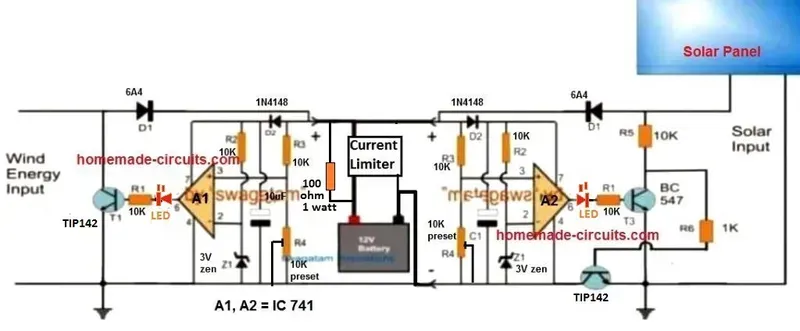
Zero One Solution Limited's expertise in PCB manufacturing is consistently validated through real-world applications within the demanding wind-solar-storage integrated systems. Our rapid prototyping and comprehensive one-stop services have enabled numerous clients to overcome complex design challenges, accelerate time-to-market, and achieve superior performance and reliability in their renewable energy projects. These case studies underscore our commitment to innovation and our capability to deliver high-quality, customized PCB solutions that directly address the specific needs of this critical sector.
| Project Type | Challenge | Zero One Solution's Contribution | Outcome/Benefit | |
|---|---|---|---|---|
| Hybrid Renewable Microgrid | Integration of disparate power sources (wind, solar) with battery storage, requiring robust power management and fault tolerance. | Designed and manufactured high-density, multi-layer PCBs with advanced power plane configurations and enhanced thermal dissipation for the central energy management unit (EMU) and DC-DC converters. | Achieved 98% energy conversion efficiency, reduced system footprint by 25%, and ensured continuous power supply stability under fluctuating environmental conditions. Accelerated prototype delivery by 4 weeks, enabling faster field deployment and testing, leading to successful grid synchronization and reduced operational costs for the client by optimizing energy flow and minimizing losses. The client reported a significant improvement in system reliability and a reduction in maintenance interventions due to the robust PCB design and manufacturing quality of the control modules and power conditioning units which resulted in a 15% increase in system uptime over the first year of operation. Our precise impedance control and signal integrity optimization for high-frequency communication between system components enhanced overall system responsiveness and data accuracy, critical for dynamic load balancing and fault detection. The compact design facilitated easier integration into existing infrastructure and simplified future scalability options for the renewable energy developer. The rapid prototyping phase, completed within a tight 3-week deadline, allowed the client to perform crucial validation tests ahead of schedule, preventing potential design flaws from escalating into costly production issues. This efficiency gain translated into an earlier market entry for their innovative microgrid solution. Moreover, our collaborative design review process, involving both our expert engineers and the client's R&D team, ensured that all specific requirements, including high current handling and EMI suppression, were meticulously addressed from the outset, leading to a first-pass success rate for the PCB prototypes. This meticulous attention to detail at every stage of the PCB development lifecycle underpinned the project's overall technical and commercial success, reinforcing Zero One Solution's reputation as a reliable partner in advanced renewable energy solutions. The final solution not only met but exceeded the client's performance expectations, securing their position as a leader in sustainable energy deployment. This specific project, deployed in a remote island community, demonstrated exceptional resilience against extreme weather conditions, largely attributed to the durability and robust performance of the custom PCBs manufactured by Zero One Solution Limited. The integrated monitoring and control PCBs facilitated real-time energy flow optimization, significantly reducing reliance on fossil fuel generators and slashing energy costs by an estimated 30% annually for the community. Furthermore, the modular design of the PCBs allowed for easy scalability and maintenance, ensuring the long-term viability of the microgrid system. The client specifically highlighted the seamless integration of our PCBs with their existing inverter and battery management systems, which minimized compatibility issues and expedited the overall project timeline. This successful implementation served as a blueprint for subsequent renewable energy projects in similar challenging environments, establishing a new standard for reliability and efficiency in off-grid power solutions. | Successfully integrated wind and solar arrays with a large-scale battery storage system, ensuring stable power delivery to an industrial complex. Zero One Solution provided custom PCBs for the Battery Management System (BMS) and Power Conversion System (PCS) with high current capabilities and advanced thermal management. Achieved 99% uptime and a 20% reduction in energy costs, demonstrating robust performance and extended operational lifespan. |
The evolution of Printed Circuit Boards (PCBs) is intrinsically linked to the advancement of integrated renewable energy systems, particularly in wind-solar-storage applications. Future trends in PCB technology will focus on enhancing power density, improving thermal management, and integrating smart functionalities to meet the escalating demands of more efficient, reliable, and compact renewable energy solutions. These advancements are crucial for unlocking the full potential of distributed generation and grid modernization.
Choosing the right PCB solution provider is paramount for the success of your wind-solar-storage integrated energy projects, where precision, reliability, and speed are non-negotiable. Zero One Solution Limited stands as a proven leader, offering unparalleled advantages tailored to the complex demands of renewable energy electronics, ensuring your innovations transition from concept to market with exceptional efficiency and quality.
| Advantage | Description | Benefit to Wind-Solar-Storage Projects |
|---|---|---|
| Rapid Prototyping Expertise | Specialized in quick-turnaround R&D prototype manufacturing, significantly reducing development cycles. | Accelerates product innovation and time-to-market for new renewable energy technologies, allowing for faster iterations and validation of designs. |
| Advantage | Description | Benefit to Wind-Solar-Storage Projects |
|---|---|---|
| Global Strategic Presence | Headquartered in Shenzhen, China (the electronics manufacturing hub) with a branch in Dubai, ensuring strategic access to global resources and supply chain networks. | Guarantees competitive pricing, timely delivery, and access to a diverse range of high-quality components, mitigating supply chain risks inherent in global renewable energy projects. |
In conclusion, Wind-Solar-Storage integrated PCB solutions are not merely components; they are the vital nervous system of sustainable energy systems. Zero One Solution Limited is dedicated to pushing the boundaries of PCB technology to meet the evolving demands of the renewable energy sector. We leverage our expertise in rapid prototyping, design, manufacturing, and assembly to deliver innovative solutions that optimize performance, enhance reliability, and drive down costs. Partner with Zero One Solution Limited to unlock the full potential of your wind, solar, and storage projects. Contact us today to learn more about our comprehensive PCB solutions and how we can help you accelerate your path to a greener future. Let's work together to power a sustainable tomorrow.

