Blog

Automotive PCBA Prototyping: Why Traceability Must Follow Mass Production Standards

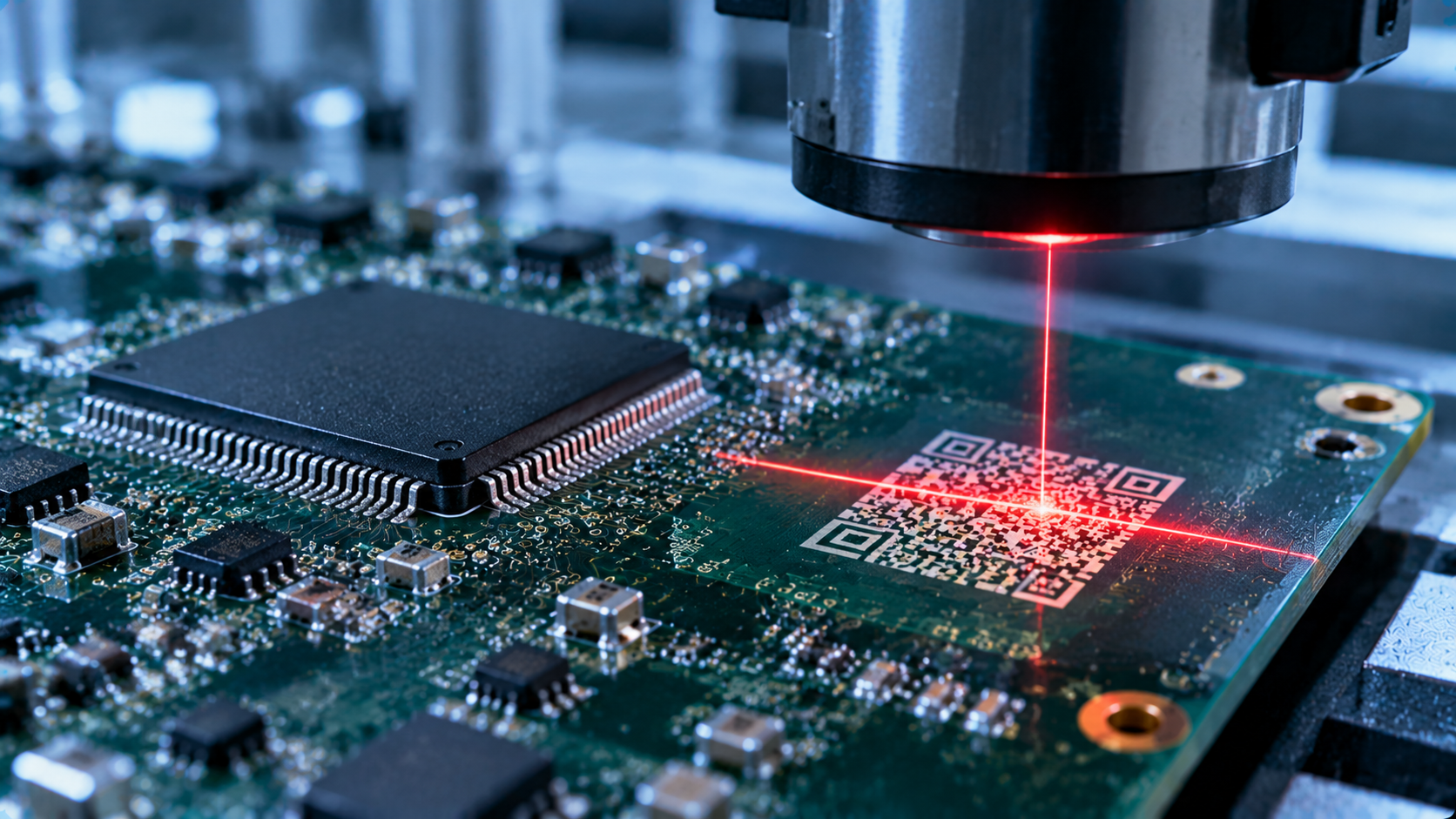
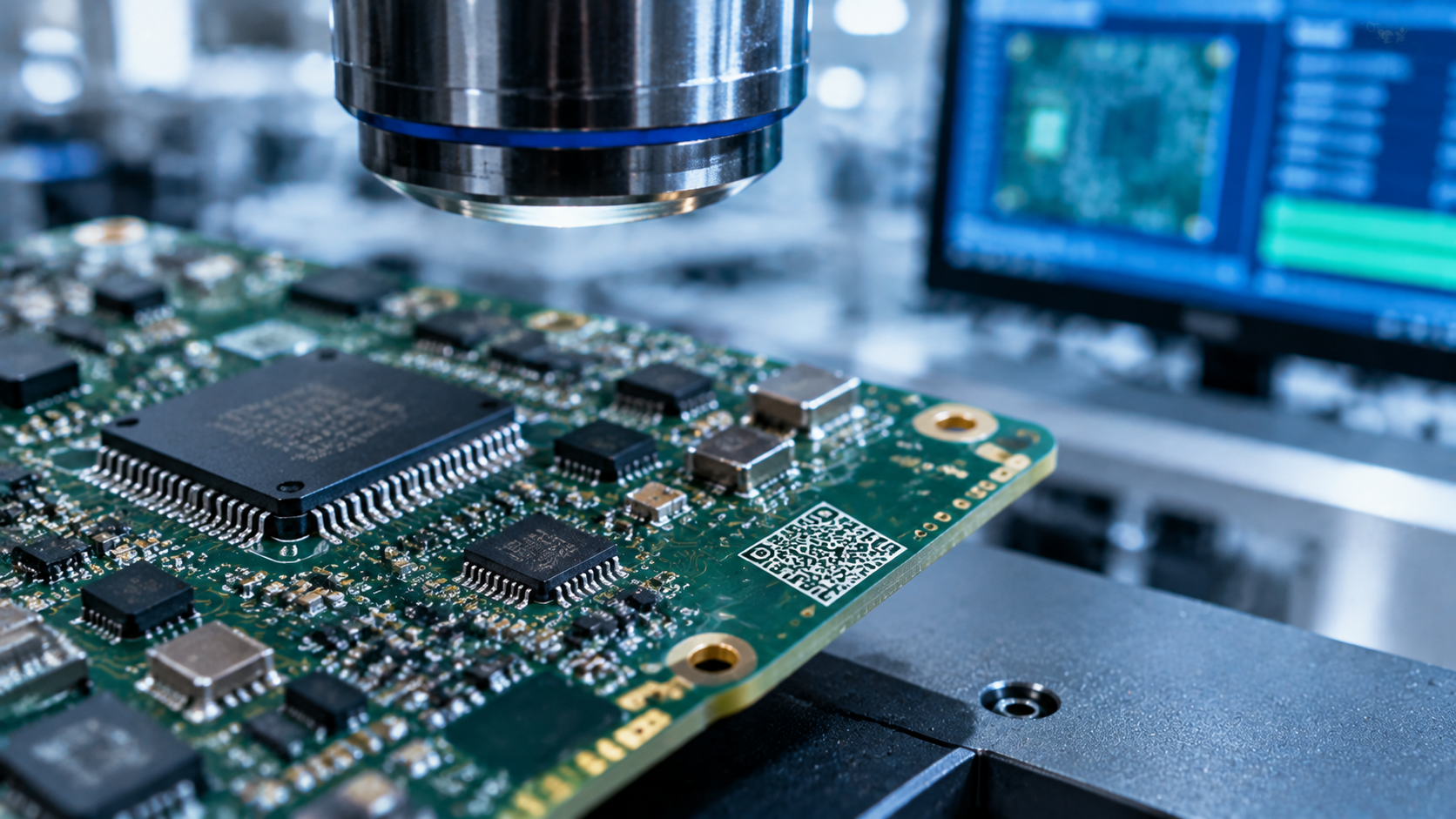
In automotive electronics, there is a dangerous misconception that low-volume prototyping (e.g., 50 units of a ZCU) allows for simplified traceability records. The reality is that traceability has nothing to do with batch size—it is dictated by the fact that the board will eventually be installed in a vehicle. Missing any of the five critical traceability criteria means the entire batch must be scrapped and remade before mass production. This guide breaks down the exact 5-point traceability standard required by AnyPCBA, how to prevent data mix-ups during multi-version production, and a 5-minute audit test to verify if a factory's MES system is actually running.
2026.11.27

Humanoid Robot PCBs in 2026: HDI, Rigid-Flex and Reliability Requirements for Embodied Electronics – AnyPCBA

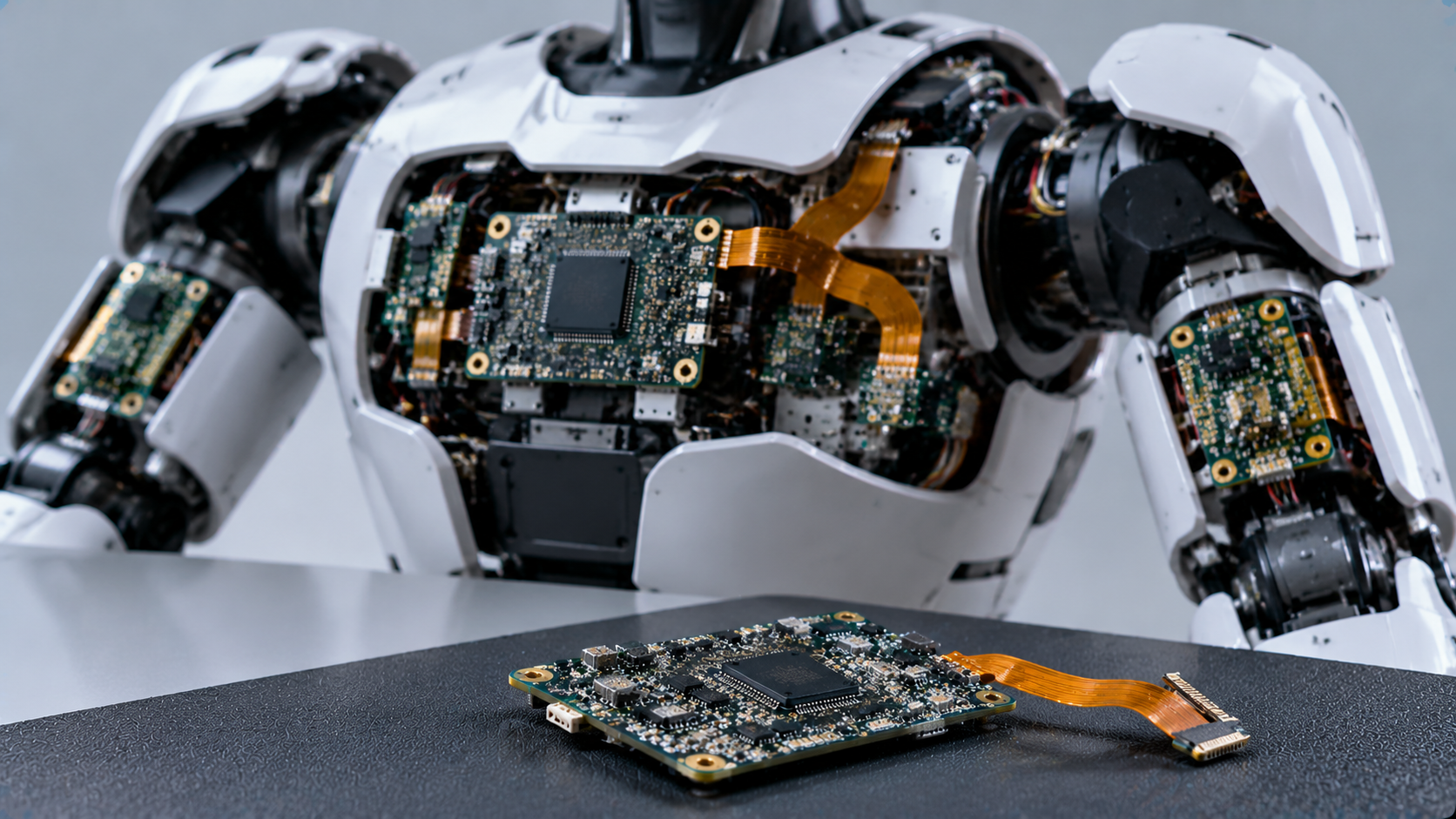
As humanoid robots move from demos to limited production in 2026, their distributed main controllers, joint servo drivers, and sensor boards are pushing HDI, rigid-flex integration, vibration reliability, and fast-turn PCBA requirements. This blog breaks down what robot electronics buyers should expect when sourcing boards and assemblies for embodied systems.
2026.11.26

Drone Flight Controller PCB Prototyping: Reliability Checks Beyond Consumer-Grade Standards – AnyPCBA

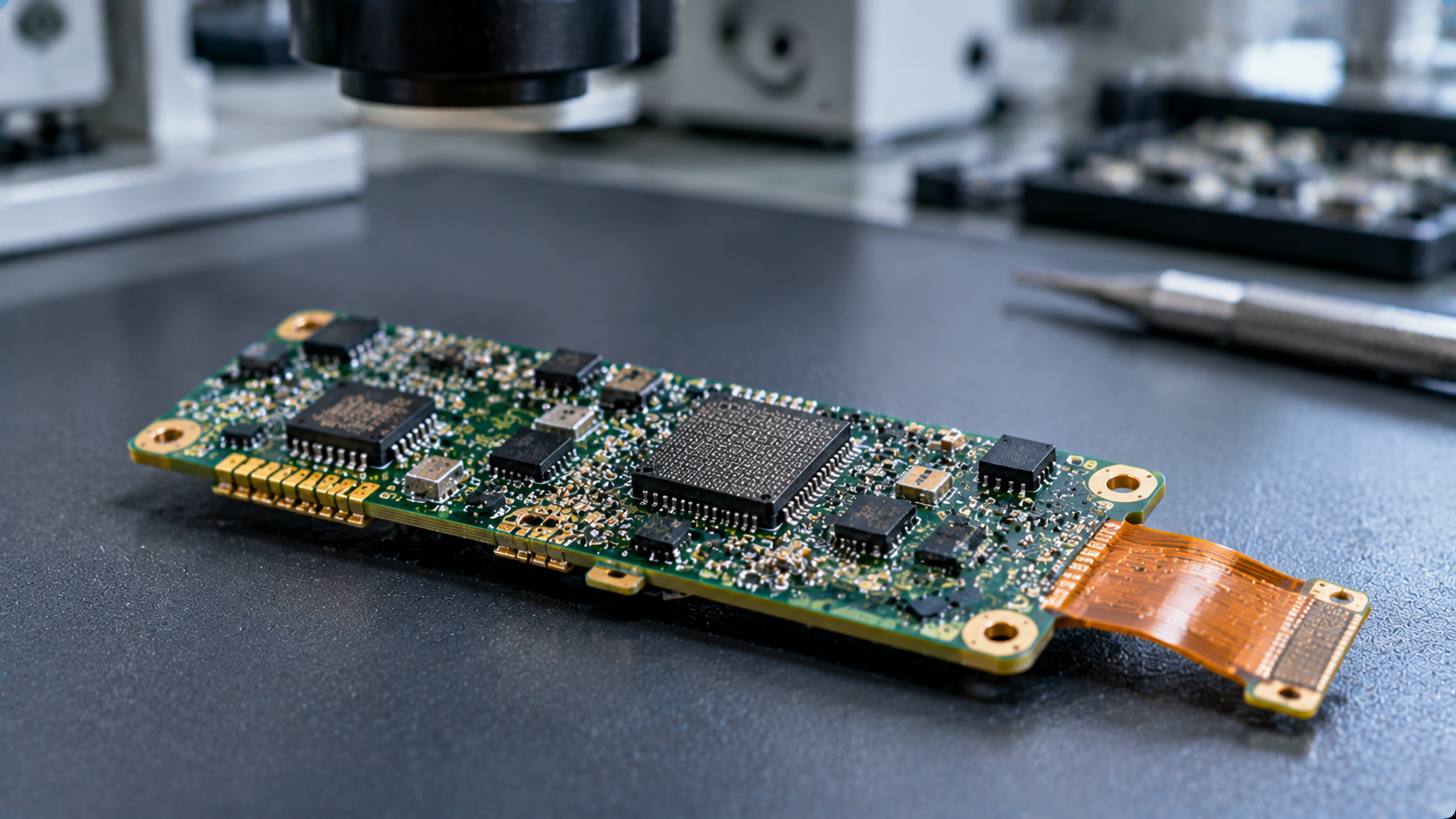
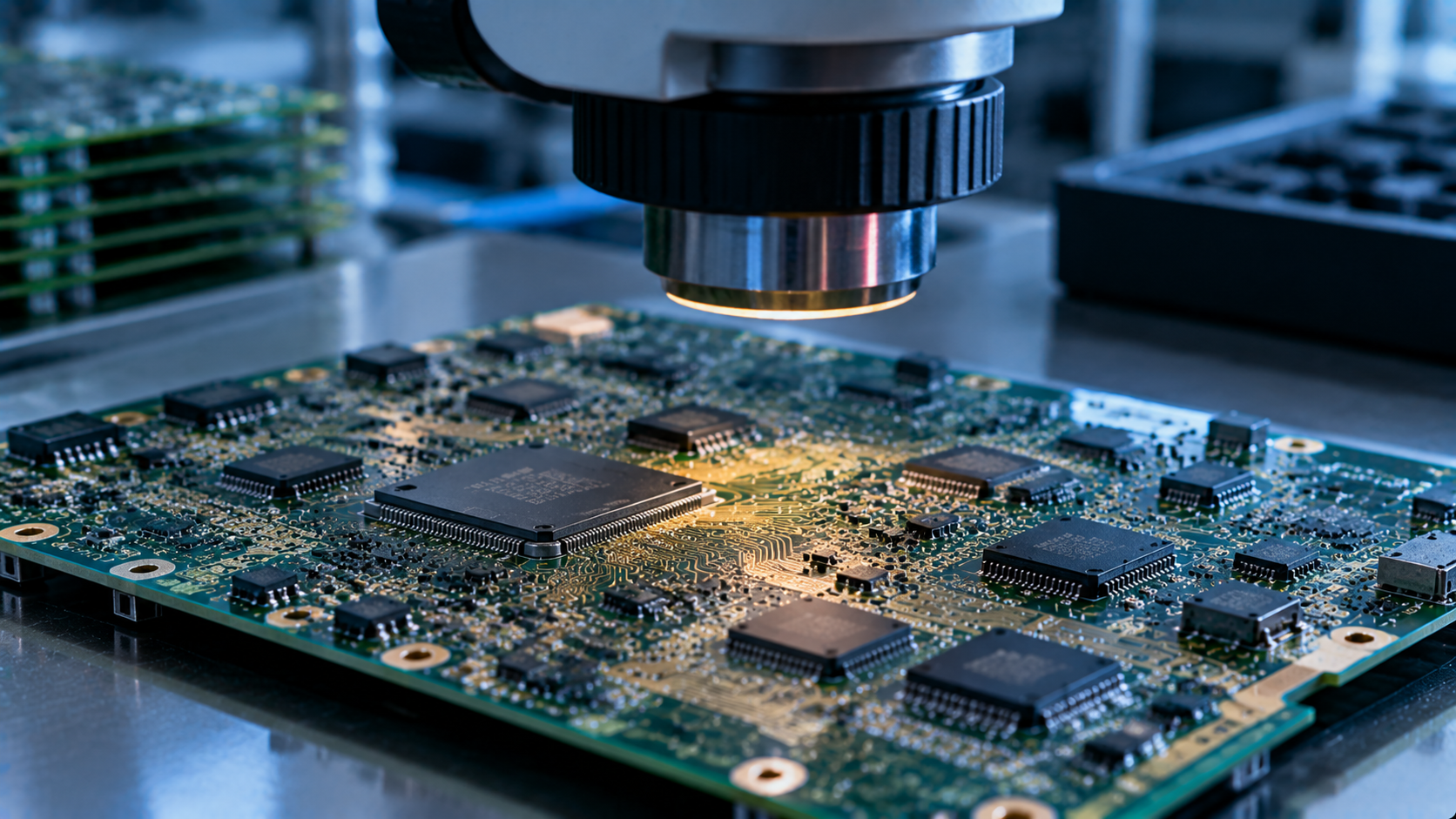
A drone flight controller operates under continuous vibration, wide temperature swings, and tight weight limits. This knowledge base explains how prototype PCBA for UAV flight controllers differs from consumer-grade boards, covering wide-temperature BOM selection, 0201 high-density assembly, BGA AOI + X-ray dual inspection, conformal coating masking zones, and a five-item prototype validation checklist.
2026.11.26

Robot Controller PCB Prototyping: Check Copper Weight and Current Capacity Before Blaming SMT

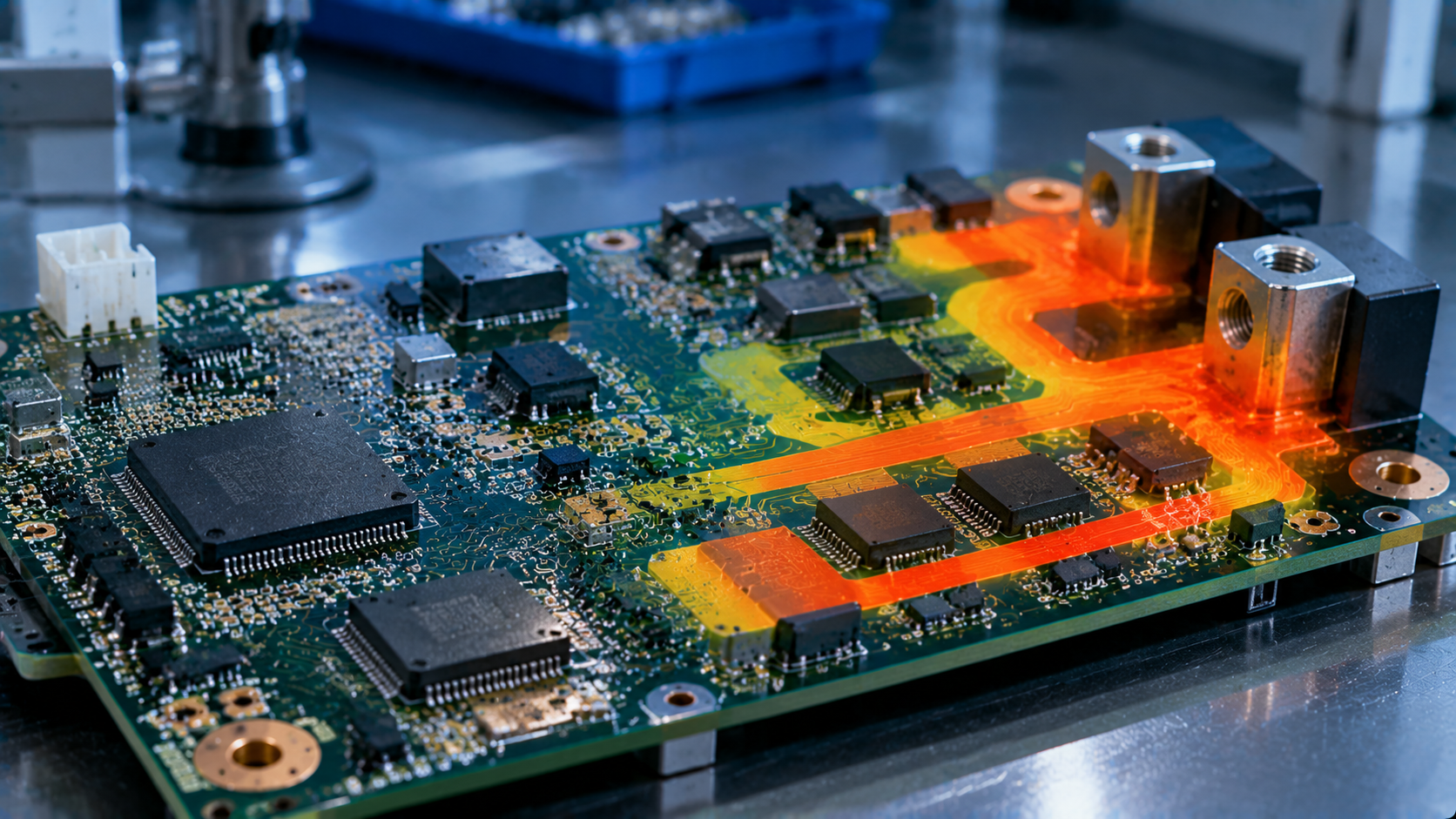
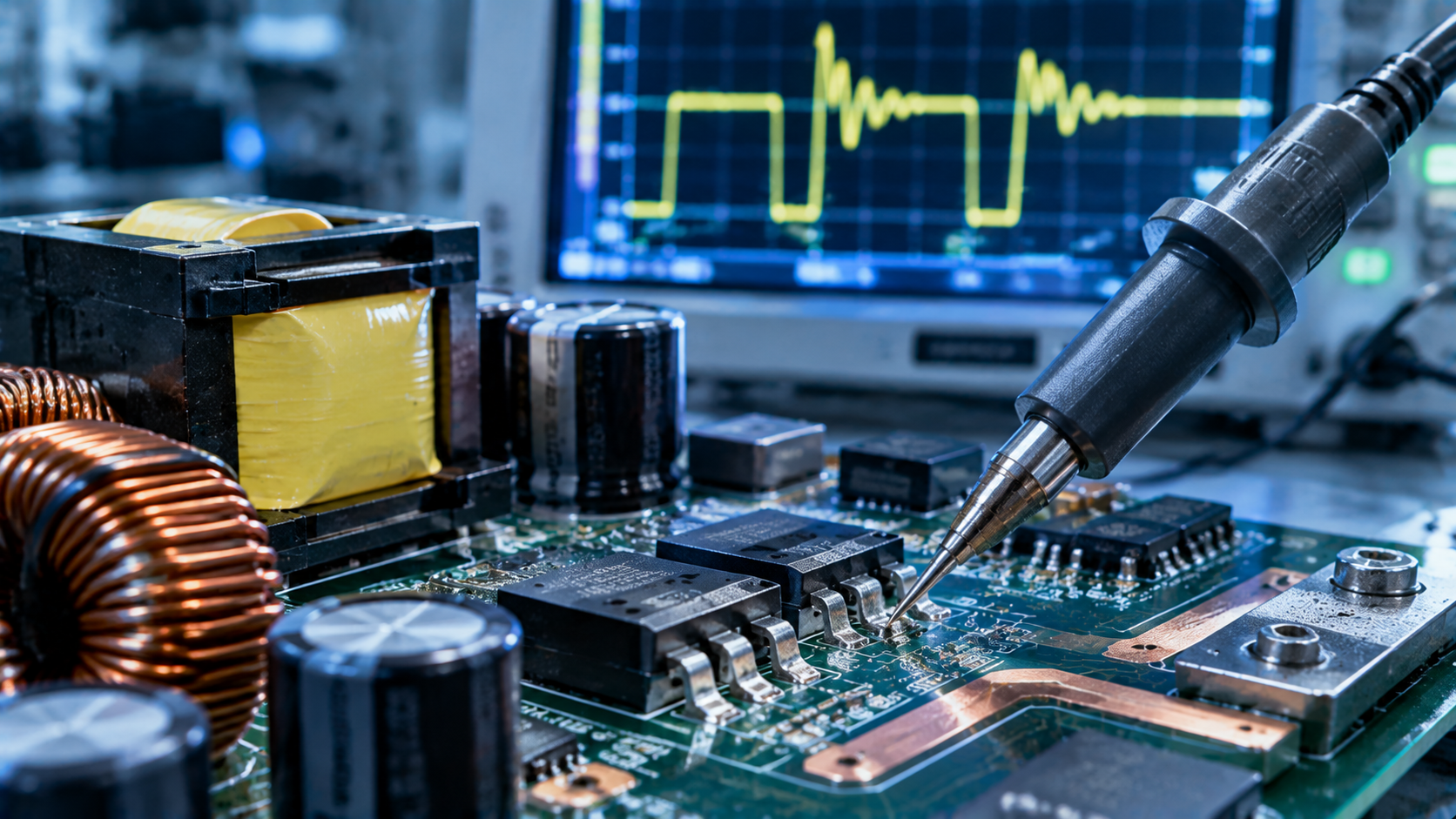
When a robot controller board overheats or burns, the root cause is rarely the SMT placement. Placement defects fail individual solder joints, but joint-driver high-current loops fail first on copper thickness, trace width, and whether the vias can carry the current. This guide covers copper weight selection, trace sizing, temperature-rise limits, power/signal partitioning, through-hole connector soldering, and prototype-stage current-carrying validation for high-current robot driver PCBs.

2026.11.25

Turnkey vs. Consigned PCBA Assembly: How to Choose the Right Component Model

When you request SMT or PCBA quotes, two sourcing models are on the table: turnkey assembly, where the factory procures the full BOM, and consigned assembly, where you supply the components yourself. Neither model is inherently cheaper—the right match depends on your project stage. The real cost drivers are four ledgers: capital tied up, material risk, responsibility boundary, and lead-time control, not the unit processing fee printed on the quote.
2026.11.24

The AI Server PCB Upgrade in 2026: Why Layer Count, Material Grade, and HDI Are Redefining Hardware NPI

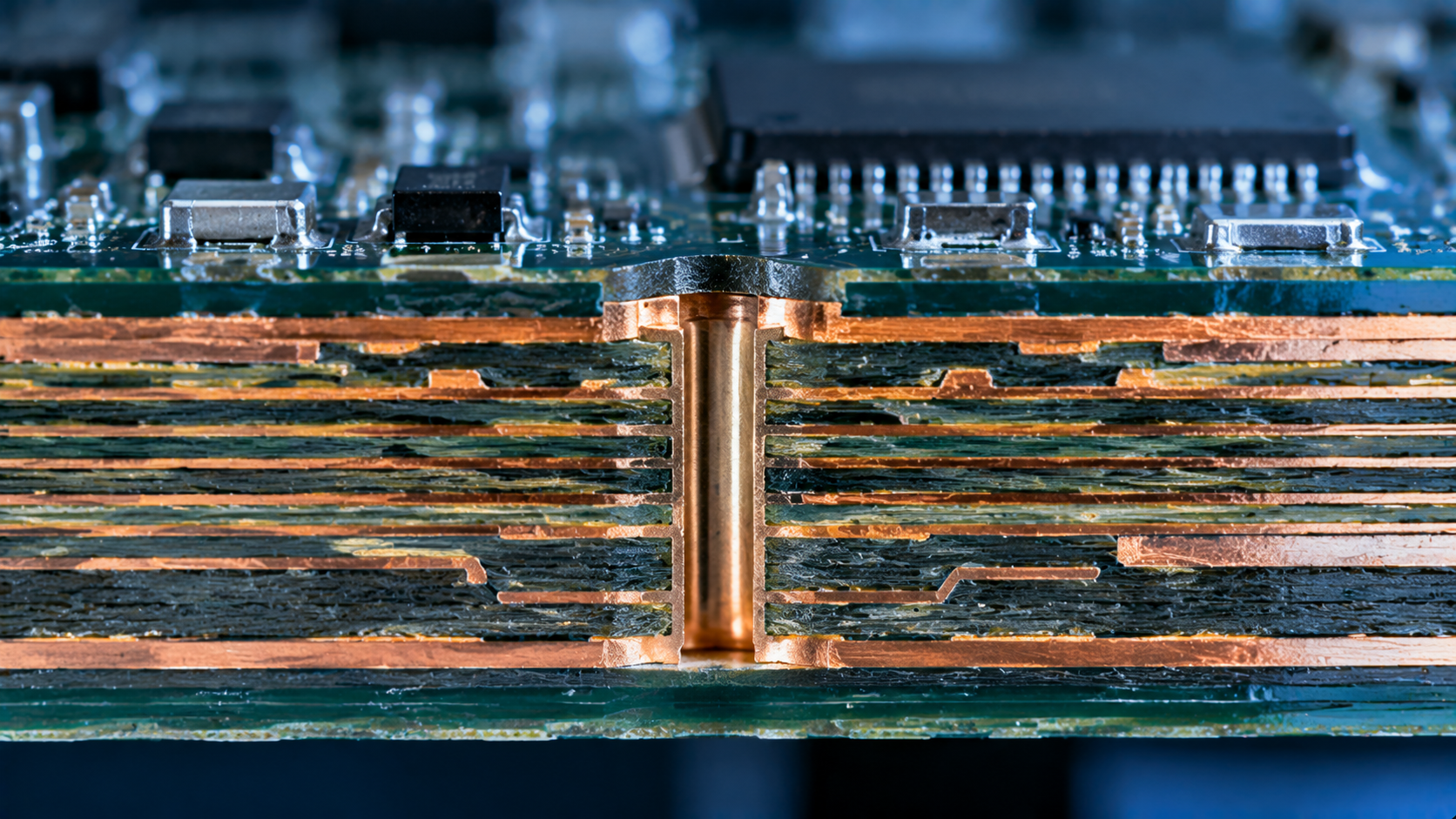
In 2026, AI accelerator, switch, and compute boards are moving up in layer count, low-loss material grade, and HDI density. This guide explains what the shift means at the design stage, what to prepare before requesting a quote, and the DFM and signal-integrity checks that keep high-layer-count boards manufacturable.
2026.11.23

Switch-Mode Power Supply PCBA Design: 20 Critical DFM Mistakes to Avoid

Over 90% of switch-mode power supply (SMPS) failures—including explosions, excessive ripple, EMC failures, and overheating—are caused by classic design and layout mistakes, not component defects. From missing discharge resistors and improper RC snubber circuits to oversized power loops and inadequate creepage distances, this guide breaks down the 20 most fatal schematic and PCB layout errors in power supply design. Backed by AnyPCBA's DFM review experience, this checklist helps hardware engineers eliminate 95% of potential manufacturing and debugging issues before production.
2026.11.23

AI Server PCBA Prototyping: Why Layer Count is the First Question

When quoting an AI server PCBA (like UBB or OAM accelerator boards), the first question a manufacturer must ask is: "How many layers?" In high-performance computing hardware, the layer count dictates the stack-up, material grade (e.g., M8/M9 ultra-low loss), lamination cycles, and ultimately the yield and lead time. This guide breaks down why 20+ layer boards require a completely different DFM approach, how to avoid impedance mismatches between design and manufacturing, and the exact 6-point checklist you must provide for an accurate quote.
2026.11.23

PCBA Prototyping: Should You Order 5 or 50 Boards?

When ordering a small-batch PCBA prototype, many hardware teams are tempted to increase the quantity to 50 or more just to lower the unit price. However, this is often a costly mistake. The primary goal of prototyping is to validate manufacturability, not to achieve mass production volume. This article explains why 5 boards are usually sufficient to validate the entire SMT process chain—from First Article Inspection (FAI) and reflow profiles to AOI—and why the extra 45 boards often end up as scrap after the inevitable design revisions.
2026.11.17

Why is SMT Assembly 30% Cheaper? The Hidden Truth About BOM Components

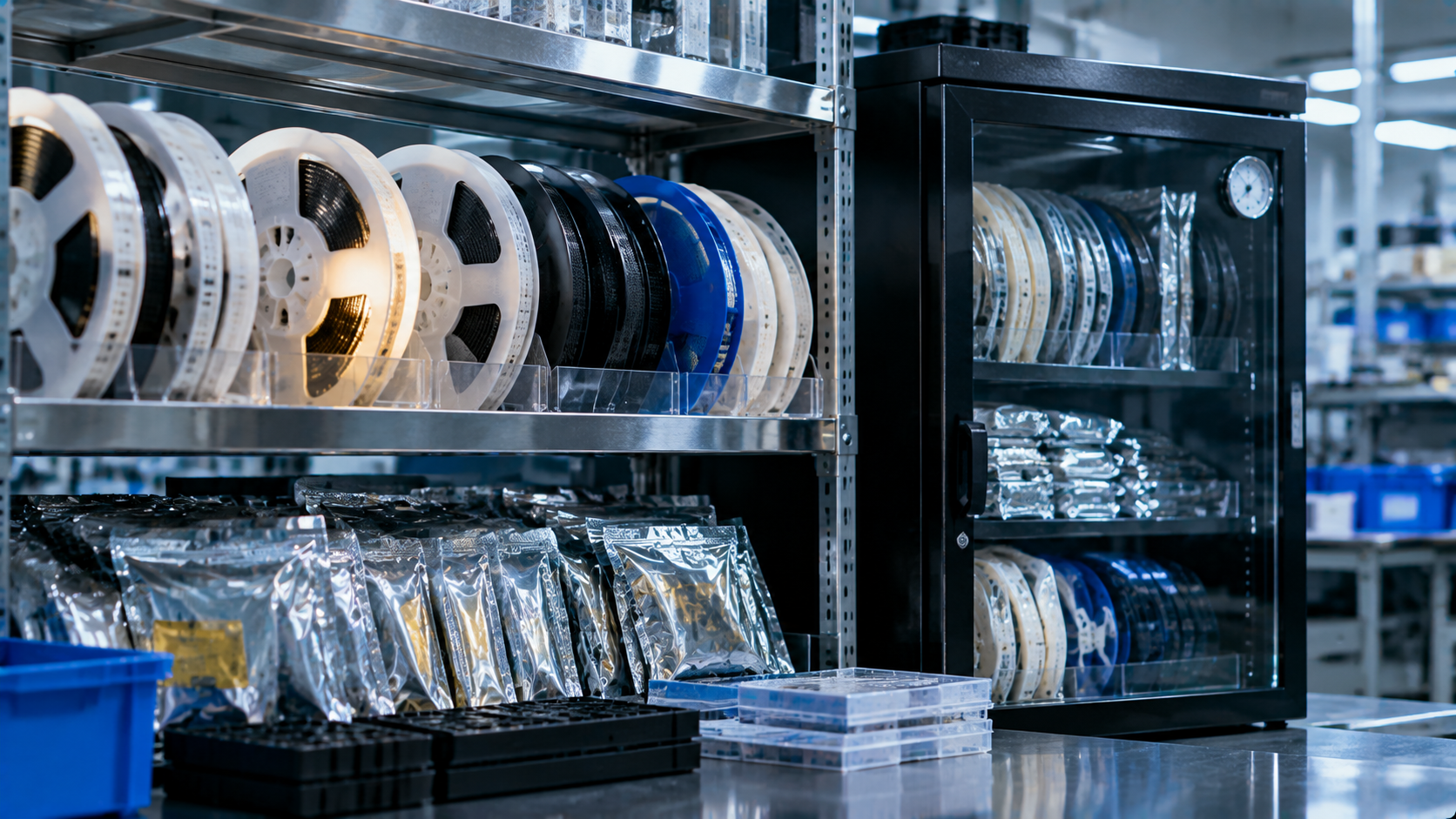
Why does one SMT assembly quote come in 30% cheaper than another? The secret rarely lies in the assembly process—it lies in the BOM. In low-to-medium volume PCBA, components account for 60-80% of total costs. This guide breaks down the three types of component sources (Original, Surplus, and Refurbished), the hidden risks of moisture-sensitive devices and degraded solderability, and provides a 3-column checklist to protect your project from counterfeit or recycled parts.
2026.11.17

Medical PCBA vs. Consumer Electronics: The Hidden Manufacturing Differences

Why does medical PCBA assembly cost more and require significantly more documentation than standard consumer electronics? The difference isn't just about "better soldering"—it's about system logic, traceability, and process discipline. From ISO 13485 compliance and MES-level traceability to IPC-A-610 Class 3 standards and nitrogen reflow, this article breaks down the three critical manufacturing differences between medical and consumer-grade SMT assembly, and how AnyPCBA ensures clinical-grade reliability.
2026.11.13

PCB Solder Mask Design Guide: From Basics to DFM Manufacturing Standards

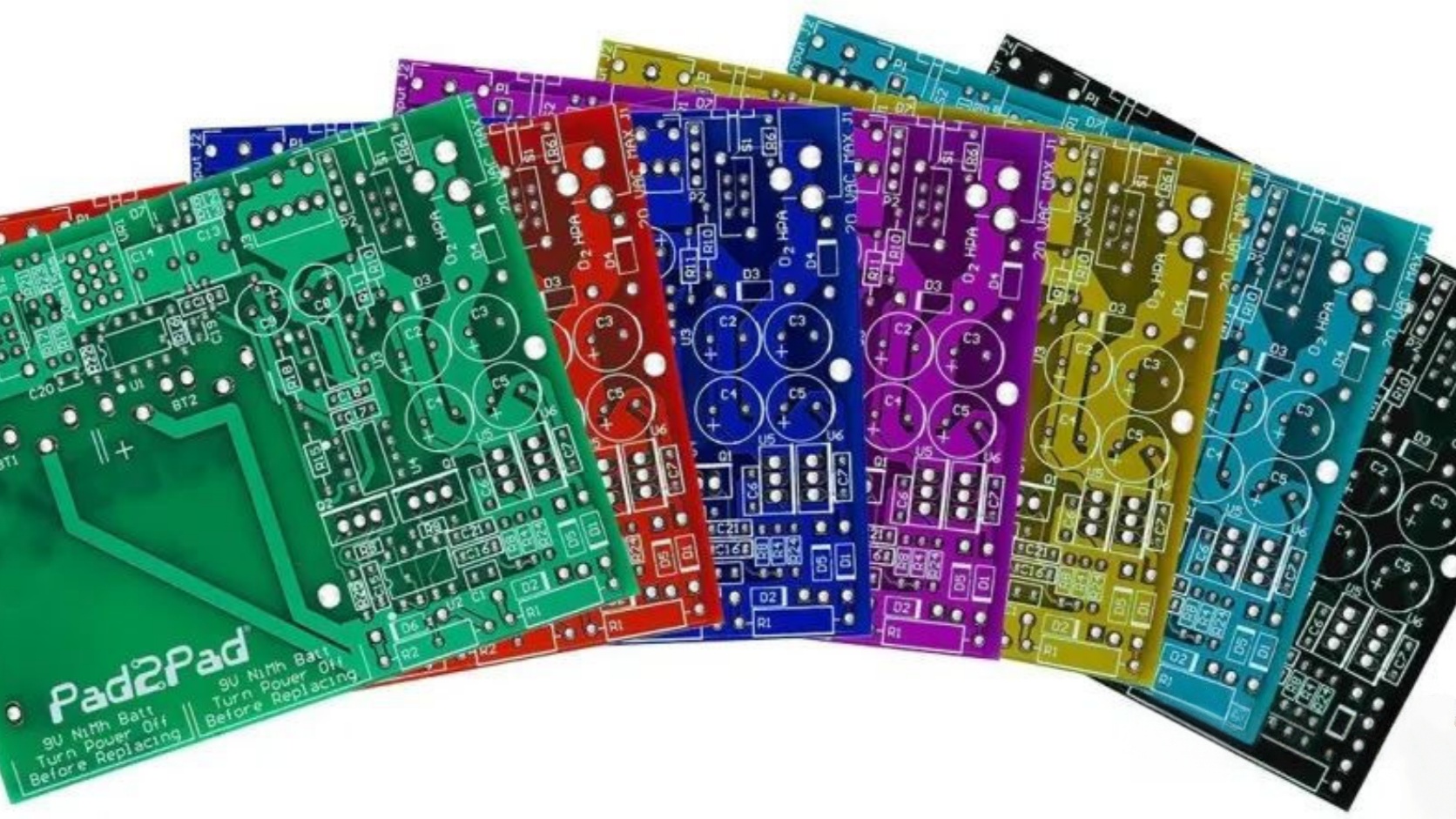
PCB solder mask (solder resist) is more than just the green coating on a circuit board—it is a critical layer that prevents solder bridging, protects copper traces from oxidation, and ensures electrical insulation. However, poor solder mask design, such as inadequate solder bridges between dense IC pins or improperly tented vias, can lead to catastrophic SMT short circuits. In this guide, AnyPCBA's engineering team breaks down the essentials of solder mask design, explains why green is the industry standard, and provides actionable DFM rules to improve your next hardware project's yield.
2026.11.12